

Intro
Choosing feeding products can feel unexpectedly high-stakes, especially when you are balancing safety, your baby's changing skills, practical cleaning demands, and a flood of marketing claims. The most useful products are rarely the most elaborate: they are the ones that support safe, responsive feeding and can be used consistently by the adults caring for your baby.
This guide focuses on product features worth considering from milk feeds through early complementary feeding. It does not replace individualized advice from a pediatric clinician, lactation professional, feeding therapist, or dietitian, particularly for babies born prematurely or those with growth, swallowing, reflux, allergy, or medical concerns.
Highlights
A straightforward bottle, correctly sized nipple, and reliable cleaning supplies often matter more than specialized feeding gadgets.
Products should support responsive feeding: a comfortable position, controlled milk flow, pauses, and attention to hunger and fullness cues.
For solids, prioritize a stable high chair, easy-to-clean utensils, and age-appropriate food textures over products that promise to make feeding effortless.
The right setup changes as a baby's oral-motor skills, sitting stability, and feeding pattern develop.
Start with function, safety, and your baby's stage
The best feeding products are those that fit a real feeding method and a baby’s current developmental abilities. Before buying a large set, identify whether you are primarily breastfeeding, formula feeding, expressing milk, combination feeding, beginning solids, or doing several of these at once. A small number of well-used, easily cleaned items is usually more practical than many single-purpose devices.
For milk feeds, bottles should be intended for infant feeding, free of cracks or degraded components, and simple enough to disassemble and wash thoroughly. The CDC advises putting only breast milk or infant formula in a bottle. Avoid treating a bottle as a general beverage container for juice, sweetened drinks, cereal, or other foods. Product convenience should never displace safe preparation, storage, and feeding practices.
Stage matters. Newborns generally need frequent, smaller feeds, while older infants may feed differently as intake and routines evolve. The American Academy of Pediatrics notes that typical intake varies by age; appetite, growth trajectory, diaper output, and clinical context are more informative than a rigid volume target. Choose adaptable equipment, then adjust only when your baby’s feeding behavior or clinician’s guidance indicates a need.
Bottles and nipples: prioritize controlled flow
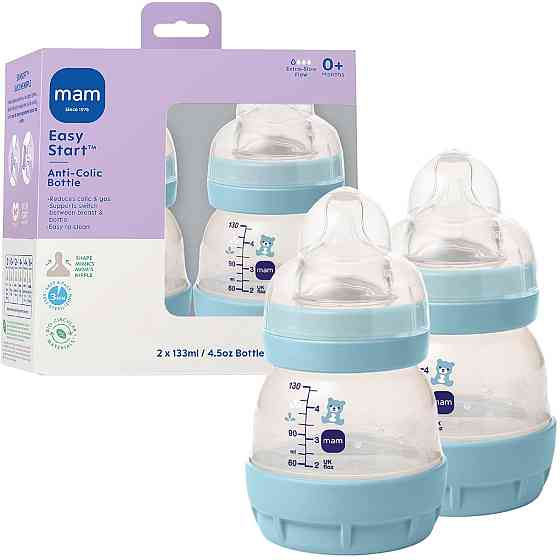
A bottle system does not need to mimic a breast perfectly to be useful. More relevant questions are whether the bottle is easy to clean, the nipple is intact and appropriately flowing, and your baby can feed comfortably without obvious distress. Standard, wide-neck, angled, glass, and plastic bottles may all be workable when used correctly. Glass can be durable but is heavier and can break; plastic is lightweight but should be replaced if scratched, cracked, cloudy, or worn.
Nipple flow is especially important. A faster flow is not inherently a progression or an improvement. It may overwhelm a baby who gulps, coughs, leaks milk, repeatedly pulls away, or finishes unusually quickly. Conversely, prolonged effort, nipple collapse, or persistent frustration may warrant checking whether the nipple is blocked, assembled correctly, or suitable. These signs are not diagnostic, and persistent difficulty should be discussed with a pediatric clinician or feeding specialist.
Keep a modest number of bottles and nipples so that parts can be washed between feeds, but avoid stockpiling many sizes before knowing what works. Follow the manufacturer’s instructions for assembly and replacement. Check that the nipple is not torn, sticky, discolored, or enlarged. Any nipple should be compatible with its bottle; mixing parts across brands can alter fit, leakage, or flow.
Products that support responsive bottle feeding
Responsive bottle feeding means observing the baby rather than encouraging them to meet a predetermined volume. Useful products make that easier: a supportive chair for the adult, a bottle with a manageable shape, a slow or otherwise suitable nipple flow, and a clean cloth for expected dribbles. The NHS describes holding a baby semi-upright, keeping the bottle relatively horizontal, and allowing breaks. This helps the baby manage milk flow and participate in the pace of the feed.
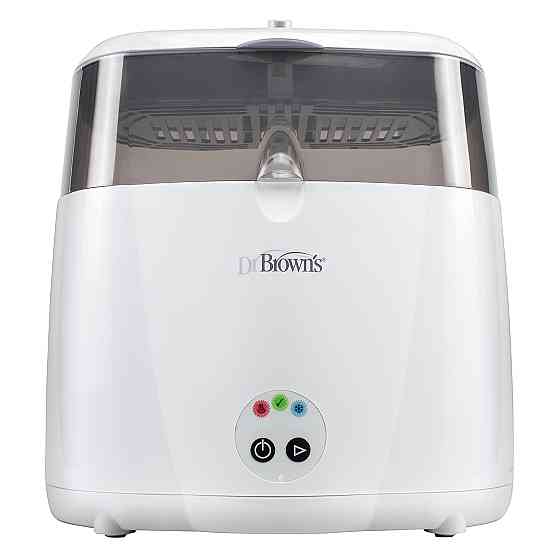
Hold the bottle rather than propping it. Bottle-propping can leave a baby unable to control flow or signal for a pause, and it can create a choking hazard. Feeding should be a supervised, engaged activity. A bottle warmer may be convenient for families who routinely offer chilled expressed milk or prepared formula, but warming is optional. If used, it should warm gently and evenly; test the temperature before feeding and avoid microwave heating because uneven hot spots can burn a baby’s mouth.
Skip products that frame feeding as something to automate, such as hands-free bottle holders intended to feed an unattended baby. Also be wary of claims that a specific bottle prevents colic, reflux, or feeding disorders. Some babies have individual preferences, but these products cannot diagnose or treat an underlying problem. Recurrent coughing, choking, color change, respiratory symptoms, painful feeds, or poor weight gain requires medical review rather than a new bottle purchase.
Cleaning, preparation, and transport essentials
Cleaning equipment deserves the same attention as bottles themselves. A dedicated bottle brush that reaches the bottle base and a smaller brush for nipples or valves can make cleaning more reliable. Choose brushes that are easy to rinse and dry, and replace them when bristles become worn. A clean drying rack or drying mat that allows parts to air-dry without pooling water is also useful. Keep feeding equipment separate from heavily soiled kitchen items when practical.
For formula-fed babies, a measured formula dispenser and clean storage containers can simplify travel, but convenience products do not change the need to follow the formula label and local public-health guidance. Powdered formula is not sterile, so preparation decisions can be particularly important for young or medically vulnerable infants. A clinician can advise on individual precautions. Never dilute formula beyond instructions or add extra powder, cereals, supplements, or medications unless a qualified professional specifically directs this.
For expressed breast milk, use containers designed for human milk storage, label them clearly, and follow applicable storage guidance. Insulated bags and ice packs can help during short outings when used appropriately. A portable changing-style organizer may reduce lost parts, but do not regard it as a sterile environment. Carry clean bottles or components separately from used items, and wash hands or use hand hygiene before preparing a feed.
High chairs and early solids equipment
When developmental readiness for solids is established, a stable high chair is one of the most valuable feeding purchases. Look for a broad, secure base; an effective restraint system; an upright seat; and surfaces without deep seams that trap food. The chair should position the baby safely and comfortably for eating while allowing close adult supervision. A footrest can be helpful because supported feet may improve postural stability, but it is not a substitute for appropriate readiness or supervision.
A simple wipeable bib, suction bowl or plate, small open cup, infant cup, preloaded spoon, and soft-tipped or shallow spoon may be enough to begin. Products should support exploration, not pressure. Many babies benefit from opportunities to touch food and bring it to their mouths, although the pace and method can be individualized. Avoid deep bowls that require a child to reach far in, and select utensils without cracks, loose parts, or peeling coatings.
Texture and food shape are more consequential than decorative tableware. Avoid choking hazards and prepare foods in forms that match the baby’s skills. Baby-led feeding products, mesh feeders, and squeeze-pouch accessories may have a role in some households, but they do not remove the need for direct supervision. Use a tray at a stable seated position, not a reclined infant seat, stroller, car seat, or moving environment. Discuss safe textures and finger foods with a clinician if you are unsure how to proceed.
Cups, utensils, and building feeding skills
Cup practice is a skill-building process, not a test of independence. Small open cups, straw cups, and handled training cups can each be useful depending on the child’s motor control and family routine. Choose a cup that is easy to take apart and clean, with no inaccessible channels where residue can remain. A spill-resistant design may help with travel, but a completely leak-proof cup can be difficult to clean or may encourage prolonged sipping when used continuously.
Offer water in an age-appropriate cup alongside complementary foods when advised for the baby’s stage and local guidance. Milk feeding remains nutritionally central for much of infancy, and cups should not be used to push a baby away from breast milk or infant formula prematurely. Avoid using bottles or cups as a constant soothing tool, and avoid sending a baby to sleep with one. A consistent, supervised feeding routine protects both safety and dental health.
As self-feeding develops, short-handled spoons, easy-grip cups, and a washable floor mat can lower the practical burden without turning meals into a performance. Expect mess and variable intake. Observe cues such as turning away, closing the mouth, slowing down, or pushing food away; these can indicate fullness, fatigue, or a need for a break. Responsive feeding and satiety cues are more useful than persuading a baby to finish a serving.
What not to rely on and when to ask for help
Some feeding products imply they can solve medical problems. Anti-reflux positioners, bottle gadgets that permit unattended feeding, and devices that restrict normal movement deserve particular scrutiny. Feeding should occur with the baby awake, supervised, and positioned for safe swallowing. Do not use an inclined sleep product for feeding or leave a baby resting in one after a feed. For sleep, follow separate evidence-based safe-sleep guidance.
Product changes can be reasonable for practical issues, but they should not delay care when symptoms are concerning. Contact a clinician promptly for repeated choking or coughing with feeds, blue or pale color change, breathing difficulty, lethargy, signs of dehydration, forceful or green vomiting, blood in vomit or stool, feeding refusal, or concerns about inadequate growth. A lactation consultant, speech-language pathologist with pediatric feeding expertise, occupational therapist, or registered dietitian may be involved when clinically appropriate.
Families also deserve support when feeding is emotionally difficult. Exclusive breastfeeding, formula feeding, expressing milk, and combination feeding can all require equipment and adaptation. The best setup is the one that allows your baby to be fed safely and responsively while remaining sustainable for the people providing care. A pediatric clinician can help tailor product choices to prematurity, craniofacial differences, neuromuscular conditions, allergies, or other individual needs.
Feeding safety reminders
- Never prop a bottle or leave a baby unattended during a feed.
- Use only breast milk or infant formula in a bottle unless a clinician gives specific instructions.
- Do not microwave bottles because milk or formula can heat unevenly.
- Do not add cereal, medication, or extra water or powder to formula without professional direction.
- Seek urgent medical advice for breathing difficulty, color change, repeated choking, or signs of dehydration.
Tools & Assistance
- Discuss persistent feeding concerns with a pediatric clinician
- Ask a lactation consultant about breast or bottle feeding support
- Request pediatric feeding therapy assessment when swallowing or skill concerns persist
- Review formula preparation instructions and local public-health guidance
FAQ
Do I need an anti-colic bottle?
Not necessarily. A simple bottle with a suitable nipple flow and responsive feeding technique works well for many babies. Persistent distress or feeding symptoms should be assessed clinically rather than attributed to the bottle alone.
When should I move to a faster-flow nipple?
There is no fixed timetable. Consider the baby's feeding behavior, the nipple condition, and manufacturer guidance. Ask a clinician or feeding professional if feeds are consistently difficult, prolonged, or associated with coughing or distress.
Is a bottle warmer necessary?
No. Some babies accept milk at room temperature or chilled when appropriate. A warmer is a convenience item; avoid microwaving and always check the feed temperature before offering it.
What is the most useful product for starting solids?
A stable upright high chair with an effective restraint system is usually more valuable than specialty gadgets. Pair it with direct supervision, appropriate food textures, and simple washable utensils.
Sources
- Centers for Disease Control and Prevention (CDC) — About Feeding From a Bottle | Infant and Toddler Nutrition
- National Health Service (NHS) — Bottle feeding your baby - Best Start in Life
- American Academy of Pediatrics — Bottle Feeding Basics
Disclaimer
This article is for general educational purposes and is not medical advice. Consult a qualified healthcare professional for individualized feeding guidance or urgent concerns.














Please log in to leave a comment.