

Intro
Babywearing is the practice of carrying an infant or young child close to the caregiver’s body in a sling, wrap, soft-structured carrier, or framed carrier. It can support responsive caregiving, make routine tasks easier, and provide reassuring physical contact. Safe babywearing depends on more than choosing a carrier: the infant’s airway, posture, temperature, developmental readiness, and the caregiver’s physical recovery all require attention.
Highlights
A baby’s face and airway should remain visible and unobstructed at all times.
Newborns need close, upright support because they have limited head and neck control.
A correctly positioned carrier supports the infant’s thighs and pelvis while maintaining a gentle supported curve.
Caregivers should monitor heat, breathing, posture, and their own balance throughout each carrying period.
What babywearing is and why families use it
Babywearing uses a wearable support system to hold an infant or child against the caregiver’s torso. Common formats include woven or stretchy wraps, ring slings, soft-structured carriers with buckles, mei tai-style carriers, and framed hiking carriers for older children. Each design distributes weight differently and has its own minimum weight, developmental, and installation requirements.
Families may use babywearing to keep an infant nearby while walking, completing light household tasks, or soothing during periods of fussiness. Close physical contact can facilitate responsive caregiving: the caregiver may notice feeding cues, changes in breathing, discomfort, or fatigue earlier when the infant is nearby. The World Health Organization’s guidance on kangaroo mother care describes close, skin-to-skin contact as an important component of care for appropriate newborns, including some preterm infants under clinical guidance. This medical context is related to babywearing but does not mean that every carrier or every infant is suitable for unsupervised skin-to-skin carrying.
Babywearing is not a substitute for safe sleep. An infant who falls asleep in a carrier should be monitored closely, and caregivers should follow current safe-sleep guidance by moving the infant to a firm, flat, separate sleep surface when practical. Carrying also does not replace feeding, diapering, free movement, tummy time while awake, or direct interaction on the floor.
Choosing a carrier for the infant and caregiver
Start with the manufacturer’s instructions and the carrier’s stated weight and developmental limits. A carrier should be appropriate for the infant’s current size, not merely the age printed on a general product description. Some newborns require an approved infant insert or a specific configuration; others should not use a particular carrier until they meet a minimum weight or have adequate trunk control.
Consider the caregiver’s body, recovery, and intended activities. A wrap can offer a close, adjustable fit but may require practice. A ring sling is compact and convenient but needs careful tightening and positioning. A soft-structured carrier can be straightforward for repeated use and may distribute weight across the shoulders and hips. A framed carrier is generally intended for older infants or children who meet the product’s independent sitting and weight requirements. The best choice is one that can be fitted securely, adjusted without excessive force, and used comfortably during ordinary movement.
Look for a stable seat that supports the infant from thigh to thigh, allowing the knees to sit higher than the buttocks in a supported M-shaped hip position. The carrier should hold the baby high enough to kiss without bending deeply, while remaining snug enough that the infant does not slump away from the caregiver. Inspect seams, buckles, fabric, and adjustment points before each use. Avoid damaged equipment, improvised modifications, and products whose instructions are missing or unclear.
Professional fitting support can be especially useful for a premature infant, a baby with hypotonia or neuromuscular disease, a child with respiratory or orthopedic concerns, or a caregiver recovering from cesarean birth, pelvic-floor injury, significant back pain, or another complication. Healthcare professionals can address medical suitability; a qualified babywearing educator can help with technique and fit.
Airway safety and newborn positioning
Airway protection is the central safety issue in babywearing. Young infants have relatively large heads, immature neck musculature, and flexible airways. If the chin falls toward the chest, the neck flexes, or the face is pressed against fabric or the caregiver’s body, the infant may have difficulty moving air without obvious distress. This is why the baby’s face should remain visible and unobstructed, with the nose and mouth free of fabric, hair, breast tissue, or the caregiver’s clothing.
Position a newborn upright and high on the chest, with the head close enough for frequent visual checks. The infant should be held snugly against the caregiver rather than suspended loosely. The back should be supported in a gentle, age-appropriate curve, and the head and neck should be supported according to the carrier’s instructions. Do not place a young infant in a cradle position inside a sling unless the product specifically permits it and the caregiver has been trained to maintain a clear airway.
Use a simple repeated check before and during carrying:
- Can you see the infant’s face without moving fabric?
- Is the nose and mouth completely clear?
- Is the chin lifted away from the chest?
- Does the infant’s back remain supported without slumping?
- Can you easily observe breathing, color, and responsiveness?
Stop immediately if breathing appears noisy or labored, the infant becomes unusually limp or difficult to rouse, the face changes color, or the airway cannot be restored promptly. Remove the infant from the carrier and seek urgent medical help for persistent breathing difficulty, bluish or gray coloration, or unresponsiveness.
Supporting the hips, spine, and developing body
A well-fitted carrier supports the infant’s pelvis and thighs rather than allowing the legs to hang straight down. The knees should generally be flexed and positioned above or level with the buttocks, with the fabric or carrier panel extending across the thighs to provide knee-to-knee support. This distributes pressure across the pelvis and helps avoid prolonged traction at the hip joints.
Hip position matters because the infant hip is still developing. A carrier cannot diagnose or prevent developmental dysplasia of the hip, and positioning recommendations may differ for a baby who has been treated for dysplasia or who has another orthopedic condition. In those circumstances, ask the child’s clinician about the appropriate hip angle and carrier configuration. Do not force the legs into a spread position if the infant resists or appears uncomfortable.
The carrier should support the infant’s trunk without compressing the chest or restricting ordinary breathing. The spine should not be forced flat or rigid when the infant is developmentally unable to maintain that posture. At the same time, excessive rounding, sideways collapse, or a head that repeatedly falls forward indicates that the fit needs adjustment or that the carrier is not suitable for that stage.
When carrying a larger child, distribute weight across the caregiver’s torso as evenly as possible. Tighten shoulder straps and waist belts symmetrically, keep the child centered, and change positions or take breaks if pain, numbness, pelvic pressure, or weakness develops. Pain is a signal to reassess fit and activity rather than something to push through.
Temperature, movement, and everyday risk management
Infants can overheat because the carrier and caregiver’s body create an enclosed microenvironment. Check the infant’s chest or upper back rather than relying only on hands and feet, which may feel cool normally. Watch for sweating, flushed skin, hot skin, unusual irritability, lethargy, or rapid breathing. Use light, breathable layers, avoid covering the infant’s face with a blanket, and remember that the carrier itself functions as a clothing layer.
Babywearing changes the caregiver’s center of gravity and can reduce the ability to see the ground. Walk deliberately, use handrails, and avoid activities with a meaningful fall or impact risk. Do not babywear while cooking over heat, handling boiling liquids, using sharp tools, climbing ladders, cycling, running, or operating machinery. Take extra care around doorways, furniture, pets, and uneven surfaces. A carrier is not a restraint for a motor vehicle, and an infant should never be transported in one inside a car.
Keep the infant’s limbs away from hot surfaces and avoid positions that place pressure on the abdomen or restrict circulation. Check that toes and fingers are not trapped in straps or buckles. If breastfeeding or bottle-feeding while carrying, prioritize airway visibility and active supervision; feeding in a carrier should not involve covering the infant’s face or assuming that a feeding position is safe for sleep.
Inspect the infant frequently, even when the carrier feels secure. Fit can change as the fabric loosens, the infant shifts, or the caregiver moves from standing to sitting. Recheck after bending, nursing, putting on outer clothing, or transferring the carrier between caregivers.
Starting gradually and building confidence
Practice first at home with a calm, alert infant and another adult nearby. Read the complete instructions, watch the manufacturer’s fitting guidance, and use a mirror or ask a support person to check the infant’s face, head, back, and legs. Begin with a short period while standing still, then try slow walking once the position remains stable.
Some infants settle immediately; others need gradual exposure. Try babywearing after a feed and burp when the infant is content, while avoiding a carrier session when the baby is extremely hungry, overtired, feverish, or already distressed. Keep the first attempts brief and remove the infant if crying escalates, the body becomes rigid or unusually floppy, or the caregiver cannot maintain a clear airway and stable fit.
As the infant grows, reassess the carrier configuration. Head support needs change when independent head control develops, and forward-facing carrying has additional requirements for neck control, hip support, stimulation, and time limits. Many infants are better supported facing inward, especially when young or tired. Follow the specific product guidance rather than relying on a generic age rule.
For newborns, twins, premature infants, or infants with medical complexity, ask a pediatric clinician or neonatal team about suitability before beginning. Skin-to-skin care for a preterm or medically fragile infant may be beneficial in a monitored clinical plan, but a commercial carrier is not automatically equivalent to hospital kangaroo care. Consult a trained professional if the infant repeatedly slumps, the carrier causes pain, or you remain uncertain about positioning.
When to pause babywearing and seek advice
Pause babywearing and obtain healthcare advice if the infant has persistent breathing symptoms, poor feeding, unusual sleepiness, recurrent color changes, unexplained sweating, or difficulty maintaining an upright position. These findings can have many causes and should not be attributed automatically to the carrier. Urgent assessment is appropriate for severe breathing difficulty, blue or gray lips or skin, marked unresponsiveness, or a significant fall.
Ask a clinician before carrying an infant with known cardiorespiratory disease, impaired muscle tone, craniofacial or airway abnormalities, significant reflux symptoms, recent surgery, or orthopedic treatment. A clinician can consider the infant’s respiratory reserve, neuromuscular control, and positioning needs. Likewise, caregivers with substantial back, hip, abdominal, pelvic-floor, or postoperative pain should seek individualized advice about load and movement.
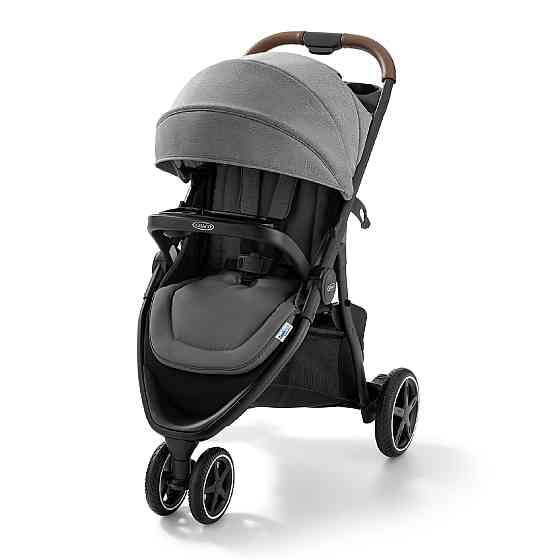
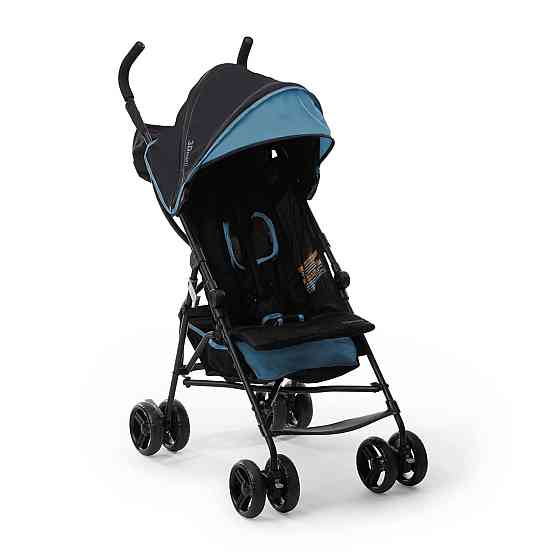
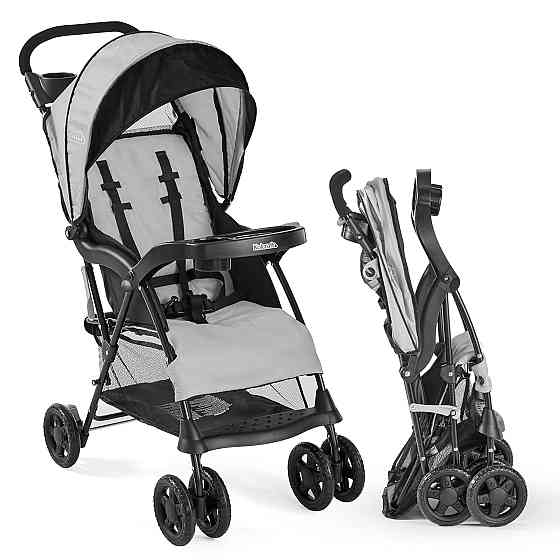
Babywearing should remain a tool that supports care rather than a requirement for good parenting. Some days a stroller, crib, floor play, or another caregiver will be the safer and more comfortable option. The goal is a stable, observable, breathable position that suits the infant and the person carrying them.
Safety warnings
- Never allow an infant’s chin to rest against the chest or the face to become covered.
- Do not use a carrier for unsupervised sleep or as a substitute for a safe sleep surface.
- Avoid cooking, climbing, running, cycling, and other activities with fall or burn risk while carrying.
- Do not carry an infant who is slumped, difficult to rouse, unusually limp, or showing breathing difficulty.
- Seek individualized clinical advice for premature, medically fragile, hypotonic, or orthopedic-risk infants.
Tools & Assistance
- Manufacturer’s carrier manual and fit-check guidance
- Pediatrician, family physician, midwife, or neonatal team
- Qualified babywearing educator or local fitting consultation
- Mirror or second adult for checking newborn positioning
- Emergency services for severe breathing difficulty, unresponsiveness, or a serious fall
FAQ
At what age can a baby start babywearing?
Some carriers are designed for newborns, while others require a minimum weight, age, or level of head and trunk control. Follow the specific manufacturer instructions and obtain clinical advice for premature or medically complex infants.
Can a baby sleep in a carrier?
Infants may fall asleep while being carried, but the caregiver must maintain continuous airway and position checks. Move the infant to a firm, flat, separate sleep surface as soon as practical and follow current safe-sleep guidance.
Should a newborn face outward?
Newborns generally need inward-facing support because they lack reliable head and neck control. Forward-facing carrying should wait until the carrier permits it and the infant meets its developmental requirements.
How should a baby’s legs be positioned?
The carrier should support the thighs with the knees flexed and generally higher than or level with the buttocks. Ask a clinician for specific guidance if the infant has hip dysplasia or orthopedic treatment.
What should I do if babywearing hurts my back?
Stop or shorten the session, check the carrier’s fit and weight distribution, and avoid pushing through pain. Persistent, severe, or neurologic symptoms warrant assessment by a healthcare professional.
Sources
- World Health Organization — Kangaroo mother care: a practical guide
- World Health Organization — Breastfeeding
- MedlinePlus — Infant and Newborn Care - MedlinePlus
Disclaimer
This article provides general educational information and is not a diagnosis, treatment plan, or substitute for advice from a qualified healthcare professional. Seek individualized medical guidance for concerns about your infant’s breathing, development, positioning, or health.














Please log in to leave a comment.