
Intro
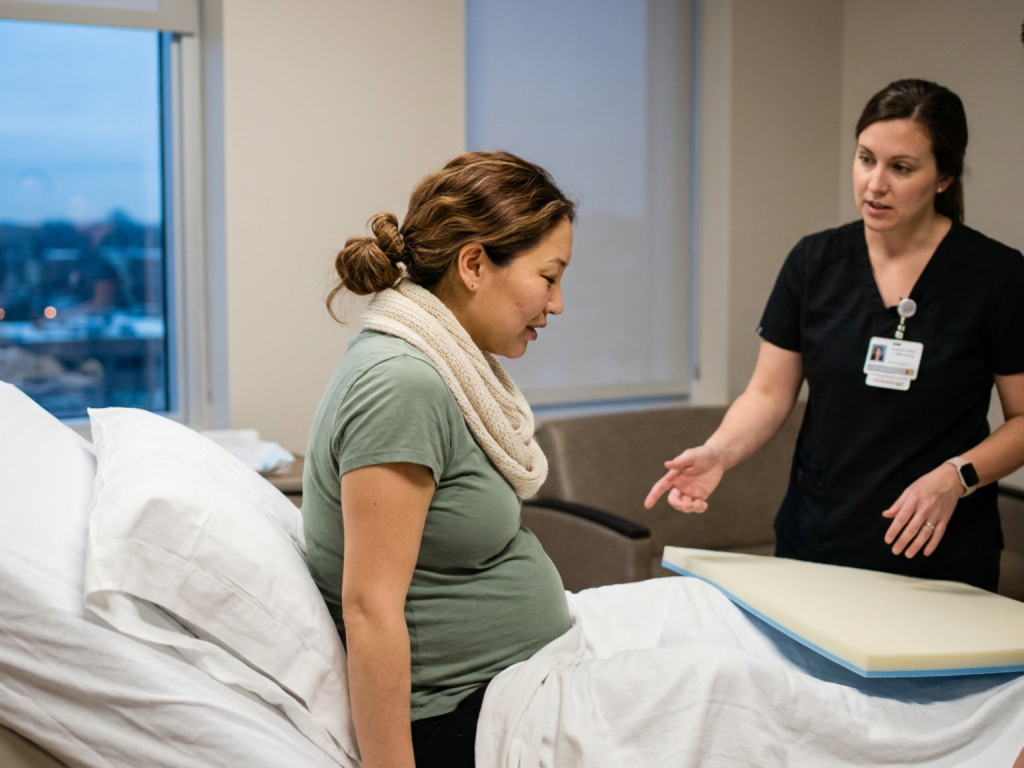
Labor pain is real, intense, and deeply individual. Two people can have similar cervical dilation, contraction frequency, fetal position, and birth setting, yet describe the experience in completely different ways. One may feel strong pressure and purposeful waves; another may feel overwhelming pain, panic, or loss of control.
This difference is not a matter of toughness. Labor pain is shaped by anatomy, uterine activity, nerve pathways, hormones, previous experiences, emotional state, environment, and the kind of support available. Understanding these factors can help parents and clinicians respond with compassion rather than judgment.
Highlights
Labor pain varies because the uterus, cervix, pelvic tissues, and nervous system do not send or process pain signals identically in every person.
Pain intensity can change across labor stages, and pain threshold may shift dynamically during labor rather than staying fixed.
Fear, stress, noise, crowding, lighting, and unsupportive interactions can amplify pain perception by increasing threat and tension.
More pain does not mean someone is weak, and less pain does not mean labor is safer or more advanced.
Medical assessment is important when pain is sudden, unusual, one-sided, associated with bleeding, fever, reduced fetal movement, or does not match the expected labor pattern.
Labor pain is both physical and neurological
Labor pain begins with physical work: the uterus contracts, the cervix softens and dilates, pelvic tissues stretch, and the fetus descends. In early and active first-stage labor, pain often comes from uterine contractions and cervical dilation. These signals travel mainly through visceral sensory pathways, which can feel crampy, deep, diffuse, or difficult to localize. As labor progresses into the second stage, stretching of the vagina, pelvic floor, perineum, and surrounding tissues adds somatic pain, which is usually sharper, more localized, and often described as pressure, burning, or splitting.
The nervous system then interprets these signals. Nociceptors, spinal cord processing, brain networks, attention, memory, emotion, and expectation all contribute to the final experience. This is why the same contraction measured on a monitor may be tolerable for one person and unbearable for another. Pain is not only the strength of the uterine contraction; it is the brain’s integrated response to sensation, safety, fatigue, meaning, and perceived control.
How contractions change during labor also matters. Early labor may involve irregular waves with rest between them, while active labor and transition can bring longer, stronger, more closely spaced contractions. When there is little recovery time, the nervous system may become sensitized, and coping strategies that worked earlier may no longer be enough.
Anatomy and fetal position can change the pain map
Pelvic anatomy, cervical position, uterine shape, tissue sensitivity, and fetal position can all affect pain. A baby in an occiput posterior position, for example, may increase pressure on the sacrum and contribute to back labor. Some people feel most of labor in the abdomen; others feel it in the low back, hips, rectum, thighs, or pubic bone. These differences can occur even when labor is progressing normally.
Cervical dilation is important, but it does not perfectly predict pain. A person at 4 centimeters may feel intense pain if contractions are strong, the cervix is under asymmetric pressure, or the baby’s head is pressing on sensitive structures. Another person at 8 centimeters may report manageable pain because the fetus is well aligned, contractions have a predictable rhythm, and they feel safe and supported.
Previous births can also change the pattern. Some second or later labors move quickly, which can feel more intense because the body has less time to adapt. First labors may be longer, creating more fatigue and cumulative pain. Neither pattern is automatically better; both can be physically and emotionally demanding.
Pain threshold and hormones are not fixed
Pain threshold is the point at which a sensation becomes painful, and pain tolerance is how much pain someone can endure. Both are influenced by genetics, inflammation, sleep, anxiety, medications, culture, attention, and prior experiences. During labor, these thresholds may change. Research suggests that pain threshold can rise during labor in some people, likely reflecting complex endocrine and neurophysiologic adaptations.
Hormones are part of this adaptation. Oxytocin supports uterine contractions and can promote bonding and calm when the environment feels safe. Endorphins, the body’s endogenous opioids, may increase during unmedicated labor and help alter awareness and pain perception. Catecholamines such as adrenaline can be useful in short bursts, but prolonged fear or stress may increase muscle tension, reduce a sense of control, and make pain feel more threatening.
This hormonal picture helps explain why labor pain can fluctuate. A contraction that felt manageable at home may feel harsher after a stressful transfer, repeated interruptions, or frightening news. Conversely, warmth, privacy, reassurance, rhythmic breathing, movement, hydrotherapy, or continuous support may help the same physiology feel less overwhelming.
Fear, stress, and environment can amplify pain
Pain perception is strongly shaped by whether the brain interprets labor as safe, supported, and purposeful or as dangerous and uncontrollable. Fear can heighten vigilance, increase muscle guarding, and narrow attention onto each sensation. This does not mean fear is imaginary; it means fear has measurable effects on physiology and pain processing.
Environmental factors matter more than many people expect. Bright lights, loud noise, frequent unfamiliar staff changes, lack of privacy, crowding, cold rooms, dismissive language, and feeling watched can increase stress. Supportive interactions, clear explanations, consent before touch, and calm reassurance can reduce threat. For some people, simply being believed when they say pain is severe changes their ability to cope.
Prior trauma, including sexual trauma, obstetric trauma, medical trauma, racism, discrimination, or previous loss, can also intensify labor pain or make certain exams and positions feel unsafe. Trauma-informed care is not optional kindness; it is clinically relevant. Asking permission, explaining each step, offering choices, and stopping when possible can reduce panic and help the nervous system stay regulated.
Analgesia changes sensation, not the validity of pain
Some people want unmedicated labor; others want pharmacologic pain relief early; many change their preferences during labor. All of these choices are valid. Options may include movement, positioning, water immersion, breathing techniques, sterile water injections for back pain in some settings, nitrous oxide where available, systemic opioids, pudendal block, or neuraxial techniques such as epidural analgesia during labor. Each option has potential benefits, limitations, contraindications, and monitoring needs, so decisions should be made with the obstetric and anesthesia team.
Epidural analgesia is among the most effective methods for reducing labor pain, but it does not make every person feel identical. Some still feel pressure, stretching, breakthrough pain, one-sided pain, or emotional distress. Others feel profound relief and can rest. The labor timeline with epidural may include changes in mobility, bladder management, monitoring, and pushing sensation, which clinicians can explain in advance.
How epidural affects labor stages and pain perception is an important discussion because pain relief can change the subjective experience without erasing the work of labor. A person who chooses analgesia is not failing, and a person who declines it is not proving anything. The goal is safe, respectful, individualized care.
When more pain needs medical attention
Although labor can be extremely painful, clinicians take certain pain patterns seriously because they may signal complications. A sudden severe pain that does not ease between contractions, sharp one-sided abdominal pain, heavy bleeding, fever, fainting, severe headache, chest pain, shortness of breath, or pain with concerning fetal heart rate changes needs prompt evaluation. Severe pain after an epidural that is patchy, rapidly worsening, or associated with new weakness or numbness should also be reported immediately.
Reduced fetal movement before arriving in labor triage, fluid leakage, bleeding, or uncertainty about whether contractions are true labor are also reasons to contact the care team. Labor without contractions and painless labor signs can occur in some circumstances, especially early on or after rupture of membranes, so the absence of severe pain does not always mean nothing is happening.
For most people, the best preparation is not trying to predict exactly how much labor will hurt. It is building a flexible plan: who will support you, how you want information delivered, what comfort measures you want to try, what pain-relief options are available, and when you want clinicians to reassess. More pain deserves compassion, not comparison.
Call your care team urgently if
- Pain is sudden, severe, constant, or very different from contraction pain.
- You have heavy bleeding, fever, fainting, chest pain, shortness of breath, or severe headache.
- You notice reduced fetal movement, especially before active labor is confirmed.
- Your water breaks and you have fever, foul-smelling fluid, or green or brown fluid.
- Pain after epidural placement is worsening, one-sided, or linked with new weakness or numbness.
- You feel unsafe, unheard, or unable to cope and need immediate support.
Tools & Assistance
- Discuss pain-relief preferences with your obstetric clinician or midwife before labor.
- Ask the birth facility what analgesia options are available at different times of day.
- Prepare a flexible birth preferences document focused on communication and consent.
- Consider doula support, childbirth education, or trauma-informed care planning if accessible.
- Use labor triage or emergency services for urgent symptoms rather than waiting at home.
FAQ
Does severe labor pain mean something is wrong?
Not always. Normal labor can be very painful, especially in transition or with back labor. However, sudden, constant, unusual, or medically concerning pain should be assessed promptly.
Why do some people describe labor as manageable while others describe trauma?
Pain intensity, fear, support, environment, prior trauma, fatigue, fetal position, labor speed, and clinical interactions all shape the experience. Different reports can all be truthful.
Can pain tolerance change during labor?
Yes. Pain threshold and tolerance may shift during labor because of hormonal, neurological, emotional, and environmental changes.
Does an epidural remove all labor sensation?
Often it greatly reduces pain, but many people still feel pressure, stretching, or breakthrough discomfort. The anesthesia team can reassess dosing and placement if pain relief is inadequate.
Is painless labor possible?
Some people report very mild pain or mainly pressure, but this is not predictable. Anyone with uncertain labor signs, ruptured membranes, bleeding, or reduced fetal movement should contact a clinician.
Sources
- PubMed Central / National Institutes of Health — The Pain of Labour
- ScienceDirect / Elsevier — A rise in pain threshold during labor: A prospective clinical trial
- Evidence Based Birth — Painless Birth and Pain Perception During Childbirth
Disclaimer
This article is for general medical education only and does not diagnose, treat, or replace care from a qualified clinician. Contact your obstetric care team or emergency services for urgent symptoms or individualized advice.
















Please log in to leave a comment.