

Intro
Becoming a parent often feels like stepping into a new country without a map. The first days and weeks can be full of tenderness, joy, confusion, and very little sleep. You are learning your baby’s cues at the same time that your body, mind, and daily routine are all adapting.
This article focuses on the common experiences many new parents share: feeding rhythms, sleep disruption, recovery, emotional change, and the practical safety habits that matter from the start. It is meant to help you feel more oriented, not to suggest that there is one right way to do this.
Highlights
The newborn period is less about a perfect routine and more about learning patterns, cues, and small changes over time.
Sleep loss, hormonal shifts, and constant vigilance can make even normal days feel unusually intense.
Feeding, safe sleep, and basic safety habits become the center of daily life very quickly.
Your recovery matters too; a new parent is healing, adjusting, and often carrying a heavy mental load.
The first emotional shift
Many new parents expect to feel only happiness, but the emotional reality is usually wider than that. You may feel protective, amazed, tearful, anxious, guilty, proud, and exhausted in the same day. That mix can be startling, yet it is common. The transition into parenting involves hormonal shifts, sleep deprivation, and a rapid change in identity, all of which can make emotions feel amplified.
It also takes time to feel fluent with your baby. Early on, you may not know whether a cry means hunger, discomfort, or simply a need to be held. That uncertainty can make parents feel as if everyone else knows what they are doing. In reality, confidence usually grows through repetition, not instinct alone. Many families describe the early weeks as a period of postpartum emotional adjustment rather than immediate certainty.
Try to notice the difference between ordinary overwhelm and a mood state that is not easing. If sadness, anxiety, intrusive thoughts, or numbness feel persistent, or if you do not feel like yourself, that is worth bringing to a healthcare professional. Early support is a strength, not a failure.
Feeding, sleep, and the rhythm of the newborn days
In the first weeks, feeding and sleep tend to dominate the day and night. Newborns usually need to eat often, and their cues may be subtle at first: rooting, hand-to-mouth movements, lip smacking, or restlessness. Learning newborn feeding cues can help you respond before crying escalates. Some babies feed in a steady pattern; others cluster feed in the evening and seem to want to eat repeatedly over a short stretch of time.
Sleep is equally unpredictable. Newborns do not yet follow a day-night schedule, and their sleep cycles are short and fragmented. This is normal, but it can be hard on parents, especially when every nap is interrupted by feeding, burping, or settling. The goal is not to force a mature routine too early. The goal is to create a calm, safe environment and watch for gradual patterns over time.
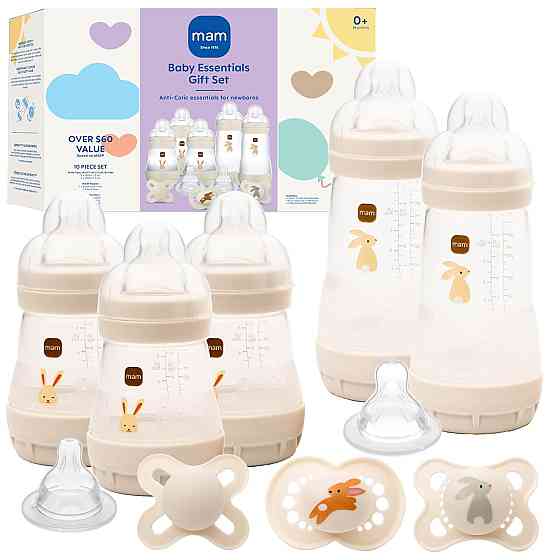
Safe sleep matters from the start. A baby should sleep on a firm, flat surface designed for infants, with the sleep space kept clear. If you are using bottles, responsive bottle feeding can help you follow the baby’s pace and reduce pressure to finish a set amount. If breastfeeding is part of your plan, feeding support can be especially valuable in the early days, because milk supply and latch both take time to establish.
Your body is recovering too
New parents often focus so completely on the baby that they underestimate how much healing they are doing themselves. Whether birth was vaginal or by cesarean, the body needs recovery time. There may be bleeding, uterine cramping, breast fullness, pelvic soreness, incision care, fatigue, constipation, or pain that changes from hour to hour. These experiences can be normal, but they still deserve rest, monitoring, and follow-up when needed.
If you are breastfeeding, the early days can bring engorgement, nipple tenderness, or questions about early milk supply establishment. If you are not breastfeeding, you may still experience hormonal changes, breast changes, and a sense that your body feels unfamiliar. In either case, hydration, food, and rest are not luxuries. They are part of recovery. Even short stretches of sleep and help with meals can make a real difference in how a parent functions and feels.
It is also common to feel emotionally different in your body. Some parents feel grounded by recovery; others feel impatient, frustrated, or disconnected from their pre-baby sense of self. That does not mean anything is wrong with you. It means your body and mind are doing a complicated job at the same time.
Safety, visits, and the new logistics
Safety basics can feel repetitive, but repetition is exactly what makes them easier to remember when you are tired. Good hand hygiene matters because newborns are still vulnerable to infection. Gentle head and neck support is important because young babies cannot stabilize themselves. It is also essential to avoid shaking a baby, even for a few seconds of frustration. If you feel overwhelmed, place the baby in a safe place and step away long enough to reset.
Many families are surprised by how much of early parenting is logistical. Car seat and stroller safety, storing supplies, tracking diapers, and remembering the first follow-up appointment all become part of the routine. A pediatrician appointment checklist can help you gather your questions about feeding, weight, sleep, stool patterns, and any changes you have noticed. Those early visits are not just administrative; they are a chance to calibrate expectations with a clinician who can review growth and development.
Smoke exposure prevention is another quiet but important piece of the early environment. So is learning which changes are worth watching closely, such as worsening jaundice, unusual sleepiness, or poor feeding. You do not need to memorize every warning sign at once, but it helps to know what feels off enough to call.
Relationships, identity, and the mental load
New parenthood changes relationships even when the relationship is strong. Two people who were once managing their own schedules are suddenly coordinating feeds, naps, laundry, visitors, and recovery while sleep deprived. Small misunderstandings can feel larger than usual. A practical division of labor helps, but so does acknowledging that both adults may be grieving an older version of life while loving the new one at the same time.
Identity changes can be surprisingly emotional. You may miss your autonomy, your career rhythm, your body before birth, or your ability to leave the house spontaneously. You may also feel deeper attachment, purpose, or patience than you expected. All of that can coexist. There is no rule that says becoming a parent must feel only sacred or only stressful. For many people, it is both.
Protecting the mental load matters here. Keep your support network active, even if your version of support is simple: a meal drop-off, a short walk with a friend, a trusted person holding the baby while you shower, or a check-in text that does not expect a long reply. Clear communication with a partner or co-parent can reduce resentment before it builds. The newborn phase is often less about doing everything efficiently and more about sharing the burden honestly.
When the learning curve is more than routine
There is a wide range between normal new-parent uncertainty and a problem that needs professional attention. If your baby has signs of dehydration, breathing difficulty, persistent vomiting or diarrhea, a fever, or you are worried that something is changing quickly, contact a clinician promptly. Newborn fever warning signs should never be brushed off. The same is true if a baby is unusually hard to wake, feeds poorly, or seems progressively more jaundiced.
Parents also need care when the emotional load becomes too heavy. Severe anxiety, persistent low mood, panic, intrusive thoughts, or thoughts of harming yourself or the baby are urgent reasons to seek help. You do not have to wait until the next routine visit if your own safety or mental health feels unstable. Call your obstetric clinician, primary care clinician, mental health professional, or an after-hours pediatric triage line if you need guidance and the situation is not clearly mild.
Most new parents are not looking for perfection; they are looking for reassurance, pattern recognition, and permission to ask for help. That is a healthy goal. The early months are a process of adapting in small increments, and good support can make that process far less lonely.
Get help right away if you notice:
- A newborn fever, breathing difficulty, or a baby who is hard to wake.
- Poor feeding, fewer wet diapers than expected, or persistent vomiting or diarrhea.
- Worsening jaundice, marked sleepiness, or a sudden change in your baby’s usual behavior.
- Thoughts of self-harm, thoughts of harming the baby, or panic that feels unmanageable.
- Any situation where you feel too overwhelmed to keep the baby safe.
Tools & Assistance
- Your pediatrician or family doctor
- An after-hours pediatric triage line
- A lactation consultant if feeding feels difficult
- A postpartum mental health counselor or therapist
- A trusted support person for meals, naps, and practical help
FAQ
Is it normal to feel overwhelmed even when my baby is healthy?
Yes. Sleep loss, hormonal shifts, and constant responsibility can make the newborn period feel intense even when things are medically uncomplicated.
How do I know if my baby is eating enough?
Feeding adequacy is best judged with your clinician’s guidance, weight checks, diaper output, and your baby’s overall behavior and alertness.
Why do I feel sad, irritable, or anxious after birth?
Mood changes can reflect sleep deprivation, recovery, and hormonal change. If they are persistent, severe, or concerning, speak with a healthcare professional.
When do things usually start to feel more predictable?
For many families, predictability increases gradually over weeks and months, but every baby and every household adjusts at its own pace.
Sources
- Nemours KidsHealth — A Guide for First-Time Parents
- Centers for Disease Control and Prevention — Positive Parenting Tips: Infants (0-1 years)
- Greater Good Science Center, University of California, Berkeley — Ten Changes New Parents Face
Disclaimer
This article is for educational purposes only and does not replace medical advice. If you are worried about your baby’s health or your own physical or mental health, contact a qualified healthcare professional promptly.

















Please log in to leave a comment.