
Intro
Safety certifications can feel like small print until you are choosing a crib, installing a car seat, hiring a caregiver, or deciding whether a secondhand product is “probably fine.” For babies, those decisions matter because infant physiology leaves little margin for error: immature airway control, proportionally large heads, limited motor escape, developing thermoregulation, and rapid oral exploration all increase vulnerability.
This article approaches certifications with empathy, not blame. Many parents are exhausted, pressured by cost, or overwhelmed by conflicting advice. The goal is to explain why safety marks, training records, and product standards are worth checking, and how to respond when something in a baby’s environment lacks clear evidence of safety.
Highlights
Safety certifications are not decorative labels; they indicate that a product, workplace process, or caregiver training pathway has met defined criteria.
Babies are physiologically vulnerable to suffocation, entrapment, falls, burns, toxic exposures, and transport injuries, so uncertified shortcuts can carry disproportionate risk.
Secondhand or imported baby gear may be missing labels, instructions, recall information, or testing documentation even when it looks sturdy.
Certification does not replace supervision or clinical judgment, but it provides a structured baseline for safer choices.
If a caregiver, employer, seller, or facility dismisses required safety training, parents can ask for documentation and choose safer alternatives.
Why certifications matter for infants
Safety certifications are structured evidence that a product, training program, or procedure has been evaluated against specific criteria. They may involve performance testing, labeling requirements, documentation, recurring training, or inspection. In adult settings, bypassing a certification may create a manageable inconvenience; in infant care, it can create a high-consequence hazard because babies cannot recognize danger, reposition themselves reliably, or communicate early symptoms clearly.
Infants have narrow airways, reduced head and trunk control, and immature protective reflexes. A sleep surface that seems only slightly soft can contribute to rebreathing or airway obstruction. A poorly installed restraint can allow excessive head excursion in a crash. A toy part that looks too large to an adult may still be mouthed, compressed, or detached. These risks explain why Baby safety basics first year advice often emphasizes standards, labels, and correct use rather than improvisation.
Certification also reduces ambiguity. It gives parents, clinicians, childcare providers, and regulators a shared baseline. A certified child passenger safety technician, for example, does not merely “like cars”; they are trained to evaluate restraint selection, angle, harness position, and installation variables. Similarly, workplace safety documents from OSHA describe required training, certification, and recordkeeping for hazardous work, illustrating a broader principle: when a task involves predictable harm, training and documentation are part of risk control, not optional paperwork.
The hidden risks of uncertified baby products
Uncertified baby products can look polished while lacking evidence of mechanical stability, chemical limits, flammability performance, or age-appropriate design. Parents may encounter online listings for sleep loungers, crib accessories, carriers, toys, feeding devices, or “medical-style” monitors that use reassuring language without showing compliance with recognized safety standards. The problem is not that every uncertified product will fail; it is that parents lose the ability to distinguish tested design from marketing.
Common baby safety risks include suffocation from soft or inclined sleep surfaces, strangulation from cords or loose attachments, entrapment between poorly fitted parts, falls from unstable seating devices, and choking from small components. Certification and labeling cannot eliminate every hazard, but they help identify whether a product was evaluated for foreseeable infant behavior: rolling, mouthing, pulling, kicking, grabbing, and sleeping in positions adults did not intend.
Secondhand products deserve special caution. A used crib may predate current spacing or hardware requirements. A car seat may have been in a crash, cleaned with harsh chemicals, or stored in heat that degraded components. A toy may have missing parts or peeling coatings. When labels, model numbers, manufacturing dates, instructions, and recall checks are unavailable, the product’s safety history becomes uncertain. In that situation, the safest decision is often to choose a product with traceable documentation, even if it is simpler or less expensive.
Families should not feel ashamed for considering secondhand options; cost is real. A practical approach is to prioritize certification for high-risk categories first: sleep surfaces, car seats, feeding equipment that contacts the mouth, electrical items, carriers, gates, and anything used at height or during transport.
Car seats, sleep spaces, and the cost of shortcuts
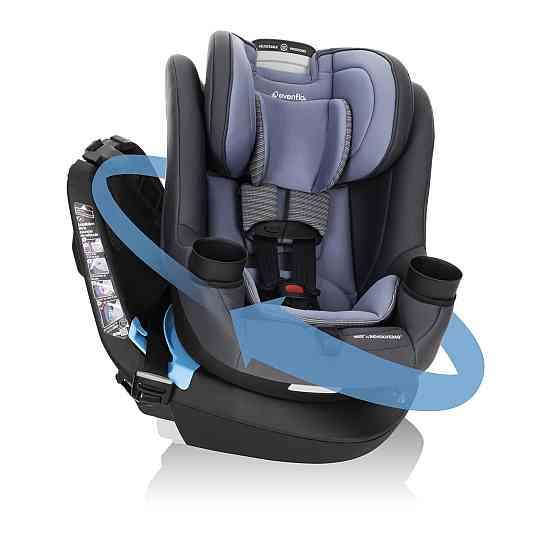
Transport and sleep are two areas where ignoring certification can be especially dangerous. Car seat safety for babies depends on the correct restraint for the child’s age, weight, length, developmental status, and vehicle. Certification labels, expiration dates, manufacturer instructions, and installation guidance all work together. A seat that is counterfeit, expired, recalled, or missing its manual may not perform as expected during rapid deceleration. Even a legitimate seat can become unsafe if the harness is routed incorrectly, if aftermarket padding changes fit, or if the installation angle is inappropriate for a newborn’s airway positioning.
Premature or medically complex infants may need individualized guidance before discharge, particularly if they have hypotonia, airway anomalies, cardiorespiratory instability, or feeding-related desaturation. Parents should consult their pediatrician, neonatal team, or a certified child passenger safety technician rather than trying to modify a restraint independently. Certification provides the baseline; clinical context determines whether additional precautions are needed.
Sleep products require the same seriousness. Common safe sleep mistakes often begin with loving intentions: adding cushions for comfort, using a soft nest because the baby settles there, or letting an infant continue sleeping in a sitting device after a car ride. A certified, firm, flat infant sleep surface is designed to reduce predictable hazards such as suffocation, wedging, and unstable positioning. Products marketed as “breathable,” “natural,” or “soothing” are not automatically safe for unsupervised infant sleep unless they meet the appropriate criteria for that use.
Shortcuts are most tempting when parents are exhausted. If a baby only sleeps in an uncertified product, that is a signal to seek help, not a reason to normalize the risk. A pediatrician, lactation professional, sleep-informed clinician, or public health nurse may help identify reflux concerns, feeding difficulties, circadian confusion, caregiver burnout, or environmental barriers without recommending unsafe sleep arrangements.
Caregivers, childcare settings, and training documentation
Safety certification is not limited to products. It also applies to people and systems. Childcare centers, nannies, babysitters, swim instructors, transport services, and home renovation workers may all influence a baby’s risk environment. Parents are allowed to ask about training in infant CPR, choking response, safe sleep practices for infants, medication handling, sanitation, emergency plans, background checks, and state or local licensing. A confident caregiver should be able to explain what they have been trained to do and when that training was last updated.
OSHA’s training guidance for workplaces reinforces that required safety training must occur before workers participate in hazardous activities and that documentation matters. While OSHA standards are not a parenting manual, the principle translates well: when someone is responsible for another person’s safety, “I know what I’m doing” is weaker than verified training, role-specific procedures, and records. In childcare, undocumented habits can become institutional norms, especially when staff are rushed or under-resourced.
Parents may worry that asking for certificates sounds distrustful. A supportive framing helps: “We are trying to keep everyone aligned on safety. Could you show us your current infant CPR and safe sleep training?” This is not micromanagement; it is risk communication. If a provider becomes defensive, refuses basic documentation, or says regulations are unnecessary, that response is itself useful information.
For in-home workers, certification also matters when babies may be exposed indirectly. Contractors using ladders, paints, solvents, electrical tools, or dust-generating equipment should follow safety rules. Household chemicals and baby safety concerns are not limited to ingestion; infants can be affected by residues, fumes, and contaminated surfaces. If a worker dismisses protective procedures around hazardous materials, parents should remove the baby from the area and seek safer work practices.
Ethical pressure and the normalization of unsafe shortcuts
One of the most difficult situations is being told by an authority figure to ignore a rule: a supervisor says a childcare ratio is “close enough,” a seller says a missing label “doesn’t matter,” or a relative insists that older gear was safe for previous generations. The American Society of Safety Professionals discusses the ethical problem of being asked to disregard OSHA rules, emphasizing that safety obligations cannot simply be waived by convenience or hierarchy. For parents, the same ethical pattern appears in everyday form: pressure can make unsafe choices feel socially easier than speaking up.
It is helpful to separate intent from impact. Most relatives, caregivers, and sellers do not want to harm a baby. They may be relying on outdated norms, cost-saving habits, or anecdotal experience. A supportive response can preserve relationships while holding the safety boundary: “I know you used this before and I appreciate the offer, but we are only using gear with current labels and instructions.”
Normalization is particularly risky because each uneventful use makes the shortcut feel safer. A baby may sleep in an inclined product ten times without incident, or ride in a loosely installed car seat for months, until one episode exposes the design flaw. Injury prevention often feels excessive precisely because success looks like nothing happening. Certifications, checklists, and training records counteract this psychological bias by keeping attention on known mechanisms of harm rather than personal luck.
Families can also build a culture of safety at home. Keep manuals accessible, register products when possible, save model numbers, check recalls, and write down emergency contacts. When multiple caregivers are involved, use consistent rules rather than leaving each person to improvise. Consistency is especially important for sleep, feeding, bathing, transport, and medication storage.
How to respond when certification is missing
When a product or service lacks clear certification, pause before using it with a baby. The first step is to identify the risk category. Is it for sleep, transport, feeding, bathing, containment, medication, chemicals, or emergency care? The closer it is to airway safety, crash protection, ingestion, falls, burns, or toxic exposure, the less room there is for guessing.
Next, ask for documentation. For products, look for manufacturer name, model number, date of manufacture, instructions, warnings, applicable safety marks, and recall status. For caregivers or facilities, ask for licensing, infant CPR training, safe sleep training, emergency procedures, and inspection history where applicable. For workers in the home, ask how hazardous materials, tools, dust, and ventilation will be managed around an infant.
If documentation cannot be found, choose a safer substitute. That may mean using a basic certified crib instead of a decorative sleep device, buying a new budget car seat rather than accepting an untraceable used one, or selecting a licensed childcare provider with current training records. Safety does not require luxury. Often, the safest product is the simplest one used exactly as directed.
Medical consultation is important when certification questions overlap with health concerns. If a baby has apnea history, prematurity, neuromuscular weakness, dysphagia, congenital anomalies, eczema triggered by products, or respiratory sensitivity to fumes, parents should involve the pediatrician or relevant specialist. Clinicians can help clarify what risks are general safety issues and what needs individualized medical planning. They should not be expected to endorse uncertified products without evidence, but they can guide safer alternatives.
Finally, document your own decisions. A small folder or phone note with manuals, receipts, product registrations, caregiver certificates, and emergency plans can reduce stress later. In a crisis, clear information helps caregivers and clinicians act quickly.
Do not ignore these warning signs
- A sleep product lacks a firm, flat infant sleep surface or is marketed for sleep without clear safety documentation.
- A car seat has no visible label, unknown crash history, missing manual, expired date, or counterfeit concerns.
- A caregiver refuses to discuss infant CPR, safe sleep, emergency procedures, or licensing when applicable.
- A seller or supervisor says required safety rules are unnecessary, optional, or “just paperwork.”
- A baby has breathing, color, tone, feeding, or alertness changes after using a product or being in a treated environment.
Tools & Assistance
- Ask a certified child passenger safety technician to check car seat selection and installation.
- Use manufacturer model numbers to check product recalls before using secondhand baby gear.
- Request current infant CPR, choking response, and safe sleep training documentation from caregivers.
- Keep a digital folder with manuals, receipts, product registrations, and emergency contacts.
- Consult your pediatrician when a baby has medical vulnerabilities that may affect safety choices.
FAQ
Does a safety certification guarantee that a baby product is completely safe?
No. Certification means the product or process met defined criteria, but safety still depends on correct selection, correct use, supervision, maintenance, and the baby’s medical context.
Is secondhand baby gear always unsafe?
Not always, but it needs traceable labels, instructions, model numbers, recall checks, and a reliable history. Avoid secondhand car seats with unknown crash history or missing documentation.
What should I do if a relative offers uncertified baby equipment?
Thank them and set a clear boundary. You can say that you are only using items with current labels, instructions, and safety documentation.
Can my pediatrician tell me whether a product is certified?
A pediatrician can discuss health risks and safer alternatives, especially for medically vulnerable infants, but product certification usually needs confirmation through the manufacturer or relevant safety authority.
Are online reviews a substitute for certification?
No. Reviews describe user experience, not standardized testing, recall status, chemical limits, crash performance, or safe sleep suitability.
Sources
- Occupational Safety and Health Administration — Training Requirements in OSHA Standards
- American Society of Safety Professionals — Your Boss Says to Ignore an OSHA Regulation: How to Handle It Ethically
- Vector Solutions — Construction Safety Certifications
Disclaimer
This article is for general educational purposes only and is not medical advice. Consult a pediatrician, certified safety professional, or emergency service for concerns about a baby’s health or immediate safety.











Please log in to leave a comment.