
Intro
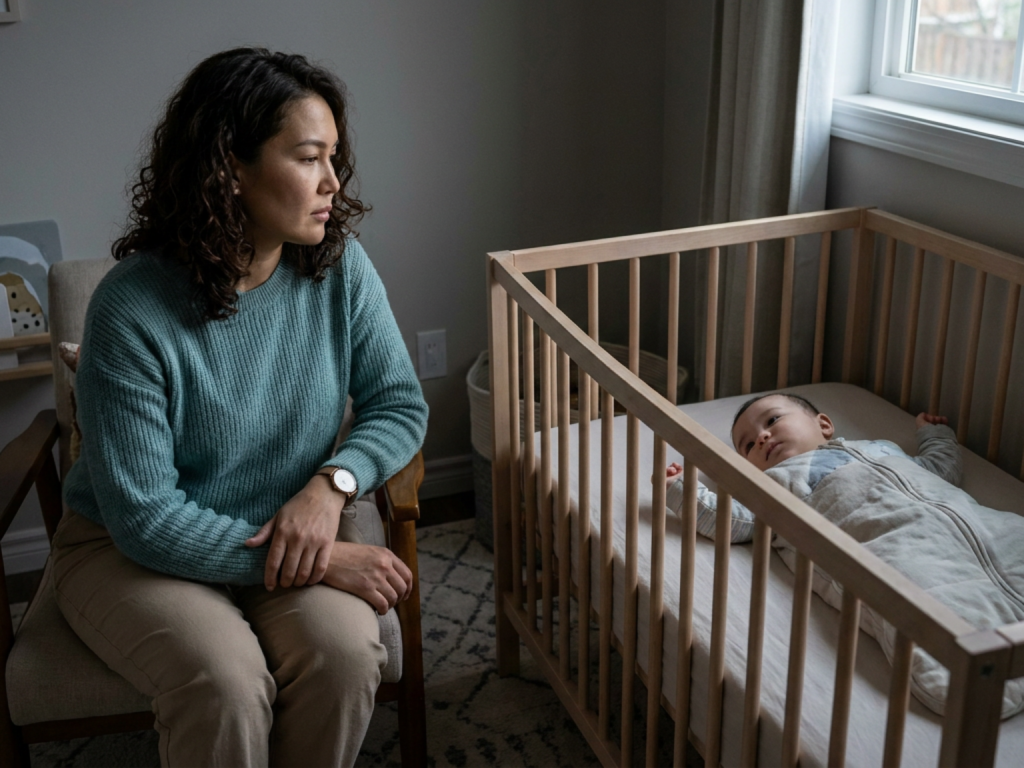
If your 10-month-old was sleeping more predictably and has suddenly started waking often, resisting naps, crying at bedtime, or needing more help to resettle, you are not alone. Many families describe this period as the 10 month sleep regression, although it is not a formal medical diagnosis. It is better understood as a temporary disruption in sleep that often coincides with rapid neurologic, motor, emotional, and social development.
At this age, sleep is still maturing. A baby may be learning to crawl, pull to stand, cruise, babble more intentionally, understand object permanence, and react strongly to separation. These gains are exciting, but they can also make sleep feel fragile. The goal is not to force perfect sleep, but to protect safety, support regulation, and know when a change deserves medical attention.
Highlights
A 10-month sleep regression is usually a temporary pattern of increased night waking, nap refusal, or bedtime resistance during a period of intense development.
Common contributors include separation anxiety, new motor skills, teething discomfort, illness, schedule mismatch, overtiredness, and changes in feeding or environment.
Consistent routines, age-appropriate wake windows, a safe infant sleep space, and calm responses can help without requiring a one-size-fits-all sleep method.
Some sleep changes are not typical regression and should prompt medical advice, especially breathing difficulty, poor feeding, fever, dehydration, or loss of previously acquired skills.
What is the 10 month sleep regression?
The phrase 10 month sleep regression describes a noticeable setback in sleep after a period of relative stability. A baby may wake every few hours, stand in the crib and cry, refuse a second nap, need more contact to fall asleep, or wake very early in the morning. Some babies also have shorter naps, more frequent night feeds, or intense distress when a caregiver leaves the room.
Medically, the term is imprecise. Infant sleep is variable, and not every rough week is a regression. Normal infant sleep includes brief arousals between sleep cycles, and babies differ in how easily they return to sleep. By late infancy, many babies sleep for longer stretches, but night waking in babies can still be developmentally common.
A useful definition is practical: sleep has worsened for several days to weeks, the baby seems otherwise generally well, and the disruption overlaps with new developmental, emotional, or schedule changes. If the change is abrupt and accompanied by fever, respiratory symptoms, vomiting, poor intake, lethargy, or inconsolable crying, it should be treated as a possible health issue rather than simply a sleep regression.
Why sleep can change around 10 months
At 10 months, the brain is working hard. Babies are refining memory, motor planning, language perception, and emotional attachment. Object permanence in infancy, the understanding that people and things continue to exist when out of sight, can make bedtime separations more emotionally charged. A baby who previously settled calmly may now protest because they know you are nearby but not visible.
Motor development is another major contributor. Many 10-month-olds practice crawling, pulling to stand, lowering from standing, cruising, or transitioning between sitting and kneeling. These skills can appear in the crib, sometimes at 2 a.m. A baby may stand but not yet know how to lie back down comfortably, leading to frustration and repeated calls for help.
Developmental milestones and sleep are closely linked because new skills can increase arousal. The nervous system may be more alert, the baby may rehearse movements, and naps may shorten if wake windows are no longer aligned with sleep pressure. At the same time, separation anxiety in 10-month-olds can peak, making independent settling harder even when the baby is physically tired.
Other common triggers include teething discomfort, mild viral infections, travel, starting child care, changes in daytime feeding, dropping from three naps to two, or too much stimulation before bed. Sometimes several factors happen at once, which is why the regression can feel sudden and intense.
How much sleep does a 10-month-old need?
Sleep needs vary, but many babies around 10 months sleep roughly 12 to 16 hours in 24 hours, including nighttime sleep and naps. Some need a little less or more and remain healthy. The pattern is often more informative than the exact number: a baby who is alert, feeding well, growing, and developing may simply have a lower sleep requirement than another baby.
Many babies this age are on a two-nap schedule, usually with one morning nap and one afternoon nap. Wake windows often lengthen compared with earlier infancy, and a baby may resist sleep if put down too early. Conversely, if the last wake period is too long, overtiredness can raise cortisol and sympathetic arousal, making bedtime more difficult and night waking more frequent.
Signs that the schedule may need adjustment include naps consistently under 30 minutes, bedtime battles lasting longer than usual, very early morning waking, or a baby who seems tired but wired. A modest shift, such as moving bedtime earlier after poor naps or lengthening the first wake window slightly, may be enough. Large schedule changes can backfire, so it is usually better to adjust gradually and observe for several days.
Practical ways to respond without escalating stress
There is no single sleep strategy that fits every baby or family. The most helpful approach is usually consistent, responsive, and boring enough to cue sleep. The aim is to reduce confusion: the baby learns what happens at bedtime, while caregivers avoid introducing many new patterns at once.
- Keep a predictable bedtime routine. A simple sequence such as feeding, diaper, sleep sack, book, song, and crib can help the brain anticipate sleep.
- Use age-appropriate wake windows. If your baby is fighting naps or bedtime, consider whether sleep pressure is too low or too high.
- Practice new motor skills during the day. Extra floor time may reduce the urge to rehearse pulling to stand in the crib.
- Respond calmly at night. Brief reassurance, a steady voice, and minimal light can help prevent full wakefulness.
- Support separation gently. Short daytime games of leaving and returning can reinforce that caregivers come back.
If your baby stands in the crib and cannot get down, practice sitting from standing during daytime play. At night, help them down calmly, repeat your bedtime phrase, and give them a chance to resettle. Repeatedly turning on lights, offering stimulating play, or changing the plan every night can unintentionally make the wake-up more interesting.
Feeding deserves nuance. Some 10-month-olds still need a night feed, especially if they were born preterm, have growth concerns, or have a medical condition. Others wake from habit, comfort, or schedule disruption. Rather than abruptly removing feeds, discuss concerns with your pediatric clinician if you are unsure whether your baby’s intake and growth support changing night feeding patterns.
Safe sleep still comes first
During a regression, tired caregivers may be tempted to use whatever works. Safety is still the priority. A safe infant sleep space means a firm, flat sleep surface; no loose blankets, pillows, soft toys, or positioners; and a sleep environment that reduces suffocation and entrapment risks. If your baby is pulling to stand, make sure the crib mattress is at the appropriate lower setting and that cords, mobiles, and nearby objects are out of reach.
If you bring your baby into bed for feeding or comforting, plan ahead for the risk that you might fall asleep. Avoid sofas and armchairs for sleep, as these are particularly hazardous. If exhaustion is severe, ask another adult to take a shift when possible, or place the baby safely in the crib while you step away briefly to regulate yourself.
Sleep regressions can strain caregivers. Caregiver sleep deprivation affects mood, attention, reaction time, and coping capacity. If you feel rage, panic, intrusive thoughts, or fear that you might harm yourself or your baby, put the baby in a safe place and seek immediate support from a trusted person, local emergency services, or a healthcare professional.
When it is not just a sleep regression
Some sleep disruption is a clue that a baby is uncomfortable or unwell. Teething can cause gum tenderness, drooling, and irritability, but high fever, persistent diarrhea, repeated vomiting, breathing difficulty, or marked lethargy should not be attributed to teething or regression without medical advice. Ear infections, reflux symptoms, eczema itching, constipation, urinary tract infection, and respiratory illness can all disturb sleep.
Pay attention to daytime function. A baby who is playful between rough nights is different from a baby who is unusually sleepy, weak, feeding poorly, or difficult to wake. Also take seriously any loss of previously acquired skills, such as no longer sitting, crawling, babbling, using gestures, or making social contact in a way that is clearly different for your child. Developmental regression in babies warrants prompt evaluation.
Babies born prematurely or with medical complexity may have different sleep, feeding, and developmental patterns. Corrected age, growth trajectory, medications, airway issues, neurologic history, and feeding safety can all matter. For these babies, individualized guidance from a pediatrician or relevant specialist is safer than generic sleep advice.
How long does it last, and what helps families cope?
Many families notice improvement within one to three weeks, especially when the trigger is developmental practice or a schedule mismatch. Some babies take longer, particularly if illness, travel, feeding changes, or separation anxiety overlap. Progress may be uneven: two good nights can be followed by another difficult one.
Try to measure improvement broadly rather than night by night. Is bedtime shorter than last week? Are naps stabilizing? Is your baby resettling with less help? Is the household coping better? These markers matter. A sleep log for five to seven days can help you see patterns that are invisible when you are exhausted.
It is also reasonable to simplify life temporarily. Reduce evening stimulation, protect naps when possible, share night duties if you can, and avoid major sleep changes during acute illness. If you want to use a structured sleep-training method, discuss it with your pediatric clinician if your baby has feeding, growth, respiratory, neurologic, or developmental concerns. Responsive caregiving and sleep support can coexist; the key is choosing an approach that is safe and sustainable for your family.
Seek medical advice promptly if
- Your baby has trouble breathing, bluish color, repeated pauses in breathing, or noisy breathing that worries you.
- Sleep disruption occurs with fever, dehydration signs, persistent vomiting, poor feeding, or unusual lethargy.
- Your baby has inconsolable crying, suspected significant pain, or a sudden behavior change that feels abnormal.
- You notice loss of previously acquired skills, reduced responsiveness, or new weakness.
- Caregiver exhaustion feels unsafe, or you fear you may harm yourself or your baby.
Tools & Assistance
- A simple 5- to 7-day sleep log noting naps, wake windows, feeds, bedtime, night waking, and illness symptoms.
- A consistent bedtime routine for babies with the same calming steps each night.
- Daytime floor play to practice crawling, pulling to stand, cruising, and sitting back down safely.
- A pediatric visit or nurse advice line if sleep changes are abrupt, severe, prolonged, or linked with health concerns.
- Support from another trusted adult so caregivers can obtain protected sleep during the most disrupted nights.
FAQ
Is the 10 month sleep regression real?
It is a real experience for many families, but it is not a formal medical diagnosis. It usually refers to temporary sleep disruption linked with development, separation anxiety, schedule changes, illness, or discomfort.
Should I stop night feeds during a 10-month sleep regression?
Not without considering your baby’s growth, feeding pattern, medical history, and clinician guidance. Some babies still need night nutrition, while others wake for comfort or habit.
Can teething cause a sleep regression?
Teething discomfort can worsen sleep, but it should not explain severe symptoms such as high fever, persistent vomiting, dehydration, or marked lethargy. Those signs need medical advice.
How long should I wait before calling a doctor?
Call promptly for red flags such as breathing problems, poor feeding, fever in a concerning context, dehydration, or loss of skills. If sleep disruption persists for several weeks or you are unsure, a pediatric check-in is reasonable.
Will comforting my baby make sleep worse?
Comforting does not spoil a baby. Calm, consistent reassurance can support regulation. Problems are more likely when the nighttime response becomes highly stimulating or changes unpredictably from night to night.
Sources
- MedlinePlus — Infant Sleep: MedlinePlus Medical Encyclopedia
- NHS — Sleep, Babies & Children
- Mayo Clinic — Baby sleep and your baby's schedule: what to know
Disclaimer
This article is for general educational purposes only and does not diagnose sleep, feeding, respiratory, or developmental conditions. Consult a qualified healthcare professional for advice about your baby’s specific symptoms, growth, medications, and medical history.

















Please log in to leave a comment.