

Intro
Choosing how to feed a baby can feel deeply personal, medically important, and emotionally charged all at once. Some families arrive with a clear plan; others decide after birth, after a lactation challenge, after a neonatal complication, or because work, sleep, finances, mental health, medications, or support systems make one option more sustainable than another. A good feeding plan is not only about ideals. It is about a baby growing safely and a caregiver being able to keep going.
For most healthy infants, breast milk, expressed human milk, infant formula, or a combination feeding plan can be used in responsive, nurturing ways. Global guidance supports early initiation of breastfeeding when possible, exclusive breastfeeding for about the first 6 months, and continued breastfeeding alongside complementary foods around 6 months and beyond. At the same time, families need practical, nonjudgmental counseling that considers medical needs, feasibility, affordability, safety, and parental preferences.
Highlights
The best feeding method is one that supports safe growth, adequate hydration, caregiver wellbeing, and a realistic routine for your household.
Breastfeeding, expressed milk, formula feeding, and combination feeding can all be responsive and emotionally connected when caregivers follow infant cues.
Medical factors such as prematurity, poor weight gain, jaundice, oral-motor difficulties, maternal medications, or metabolic conditions should be discussed with qualified clinicians.
Feeding choices are influenced by health professionals, written information, family, friends, culture, and workplace policies, so unbiased support matters.
Start with the baby’s age and nutritional needs
Age is the first decision point. In the first 6 months, babies generally need breast milk or infant formula as their primary nutrition. Newborns have small stomach capacity, immature immune defenses, and rapidly changing energy needs, so the feeding method must reliably provide calories, fluid, and essential micronutrients. If breastfeeding is possible and desired, early support can make a major difference, especially in the first hours and days after birth.
World Health Organization guidance recommends initiating breastfeeding within the first hour after birth when feasible, exclusive breastfeeding for the first 6 months, and continued breastfeeding with appropriate complementary foods around 6 months. The phrase “exclusive breastfeeding” means no other foods or fluids except medically indicated supplements, vitamins, minerals, or medicines. However, real-life decisions may differ when there are medical indications for supplementation, parental choice, or barriers that make exclusive breastfeeding unsafe or unsustainable.
Around 6 months, feeding decisions broaden. Babies typically begin complementary foods while continuing breast milk or infant formula. Early foods should be developmentally appropriate and nutrient-dense, with attention to iron-rich foods for babies because iron stores from pregnancy begin to decline. Milk remains important, but it is no longer the only nutrition source.
Compare the main feeding options without moral ranking
Direct breastfeeding offers immunologic, nutritional, and developmental benefits and can be convenient once established. It also requires a functioning milk supply, effective latch or milk transfer, and a caregiver who is physically and emotionally able to breastfeed. Pain, nipple trauma, low supply concerns, oversupply, mastitis symptoms, infant tongue mobility issues, or previous breast surgery can make professional help important.
Expressed human milk may be chosen when a baby cannot latch well, when a caregiver returns to work, when another caregiver shares feeds, or when milk supply needs monitoring. Pumping can preserve access to human milk, but it adds time, equipment cleaning, storage logistics, and sometimes emotional pressure. It is a valid feeding method, not a lesser version of breastfeeding.
Formula feeding can be a safe and nourishing option when families choose it, when human milk is unavailable, or when supplementation is recommended. Iron-fortified infant formula is designed to meet infant nutritional needs when prepared correctly. Safe formula preparation matters because errors in mixing, water safety, storage, or bottle hygiene can increase risk. Powdered formula is not sterile, which is especially relevant for premature infants, very young newborns, or babies with immune compromise; families in those situations should ask their clinician about the safest form and preparation method.
A combination feeding plan uses more than one method, such as breastfeeding plus formula, direct nursing plus pumped milk, or pumped milk plus formula. Combination feeding can protect parental rest, support return to work, provide measured intake when needed, or reduce stress while maintaining some breastfeeding if desired. It works best when expectations are clear: how often the baby will breastfeed, when bottles are offered, and how milk supply will be supported if maintaining lactation is a goal.
Use medical context to guide the decision
Some feeding choices are straightforward; others need individualized medical input. A pediatrician, family physician, midwife, lactation consultant, dietitian, speech-language pathologist, or neonatal team may be involved depending on the situation. It is appropriate to ask for a feeding plan that is written down, specific, and revisited as the baby changes.
Situations that deserve prompt professional guidance include poor weight gain, dehydration concerns, persistent jaundice, prematurity, congenital heart disease, cleft palate, significant reflux symptoms, suspected food protein allergy, recurrent coughing or choking with feeds, and difficulty coordinating sucking, swallowing, and breathing. Babies with weak suck-swallow-breathe coordination may need pacing, positioning, nipple-flow changes, or evaluation for aspiration risk. Do not attempt thickened feeds, specialized formulas, or major feeding restrictions without clinician guidance.
Caregiver health matters too. Postpartum hemorrhage, retained placental tissue, thyroid disease, polycystic ovary syndrome, breast surgery, severe pain, certain medications, substance use treatment, infection concerns, sleep deprivation, trauma history, or postpartum depression and anxiety can affect feeding choices. A medically appropriate plan should protect both infant nutrition and caregiver health.
Think in terms of acceptable, feasible, affordable, and sustainable
Feeding counseling is most useful when it moves beyond slogans. One practical framework is to ask whether the plan is acceptable, feasible, affordable, and sustainable. Acceptable means it fits the caregiver’s values, culture, body boundaries, and mental health. Feasible means it can be done with the available time, skills, equipment, water access, refrigeration, transportation, and support. Affordable means the ongoing costs of formula, pump parts, bottles, storage supplies, lactation care, or time off work are realistic. Sustainable means the plan can continue beyond a few exhausting days.
Helpful questions include:
- Who will feed the baby during the day and overnight?
- Is there access to lactation support or pediatric follow-up if feeding becomes difficult?
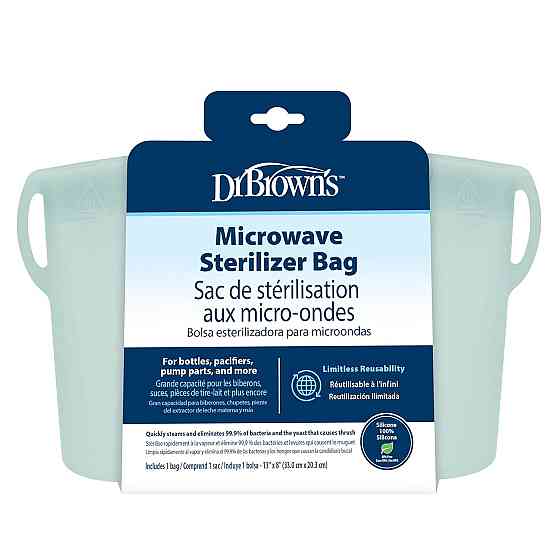
- Can bottles, pump parts, and preparation surfaces be cleaned safely?
- Will work, school, travel, or childcare require expressed milk or formula?
- How is the feeding plan affecting sleep, pain, anxiety, and family functioning?
Families often receive advice from multiple directions. Research on prenatal feeding information found that healthcare providers, written materials, family, and friends all influence infant feeding decisions. That influence can be helpful or confusing. If advice conflicts, ask a qualified professional to explain the reasoning, the level of urgency, and what signs should trigger reassessment.
Make feeding responsive, whichever method you choose
Responsive feeding means noticing hunger cues and fullness cues rather than pressuring a baby to finish a bottle or delaying feeds only to meet a schedule. Early hunger cues can include stirring, rooting, hand-to-mouth movements, lip smacking, and increased alertness. Crying is often a late cue. Fullness cues can include turning away, relaxed hands, slowing down, falling asleep, or pushing the nipple out.
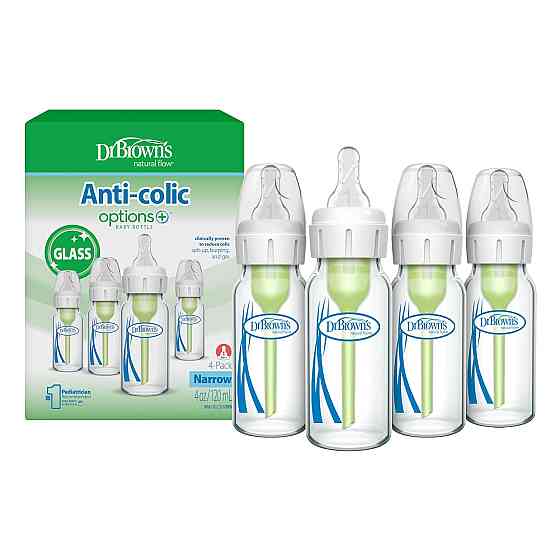
Responsive bottle feeding can be used with expressed milk or formula. It often includes holding the baby upright or semi-upright, using an appropriate nipple flow, pausing during feeds, and allowing the baby to set the rhythm. External pacing during bottle feeding can be especially helpful for babies who gulp, cough, leak milk, or seem overwhelmed by flow. The goal is not to make bottle feeding complicated; it is to make it safer and more baby-led.
Diapers, weight trends, alertness, and feeding behavior provide feedback. Infant feeding and diaper output are often reviewed together because urine and stool patterns can help clinicians assess intake, especially in the first week. Exact expectations vary by age, delivery history, and feeding method, so ask your baby’s clinician what is normal for your child.
Plan for transitions instead of waiting for a crisis
Feeding plans often change. A family may start with exclusive breastfeeding, add expressed milk, supplement temporarily, switch to formula, or later reduce bottles as complementary foods increase. Transitions are common and do not mean the original plan failed. They mean the baby and family are adapting.
If changing methods, it is usually easier to move gradually unless there is a medical reason for a faster change. For example, reducing pumping sessions too abruptly can increase discomfort or risk of plugged ducts, while sudden formula changes may make it harder to know whether symptoms are related to the formula, normal infant adjustment, or an unrelated illness. If a baby has allergies, prematurity, growth concerns, or gastrointestinal symptoms, ask a clinician before changing formulas or eliminating foods from a breastfeeding caregiver’s diet.
Write down the plan in simple terms: what the baby will receive, how often feeds will be offered, what volume range is expected if bottles are used, who to contact with concerns, and when weight or symptoms will be reviewed. This helps reduce the mental load and prevents every feed from feeling like a new decision.
Choose support that is skilled and nonjudgmental
Good support should begin by asking what you want, what you have already tried, what feels hardest, and what outcomes matter most to you. It should not rely on shame. A lactation consultant can assess latch, milk transfer, pumping, nipple pain, and supply concerns. A pediatric clinician can evaluate weight gain, hydration, jaundice, reflux patterns, stool changes, and medical risk. A dietitian may help with complex growth, allergy, or tube-to-oral feeding questions. A mental health professional can help when feeding becomes a source of panic, intrusive thoughts, grief, or trauma.
It is reasonable to seek a second opinion if you feel dismissed, pressured, or given advice that does not fit your medical context. Feeding is both biological and relational. A plan that keeps a baby growing but leaves a caregiver in severe distress may need adjustment. A plan that feels emotionally ideal but does not meet growth or hydration needs also needs adjustment. The healthiest approach is collaborative and flexible.
When to seek urgent feeding help
- Fewer wet diapers than expected, very dark urine, lethargy, or signs of dehydration need prompt medical advice.
- Persistent poor weight gain, worsening jaundice, or a baby who is too sleepy to feed should be assessed by a clinician.
- Coughing, choking, color change, breathing difficulty, or repeated gagging during feeds warrants medical evaluation.
- Do not dilute formula, make homemade infant formula, or use cow’s milk as the main drink for infants under 12 months unless specifically directed by a clinician.
- Seek help quickly for severe breast pain, fever, red painful breast areas, or caregiver mental health symptoms that feel unsafe or unmanageable.
Tools & Assistance
- A written feeding plan from your baby’s pediatric clinician or maternity care team.
- An International Board Certified Lactation Consultant or trained breastfeeding counselor for latch, pumping, and milk transfer concerns.
- A feeding diary that tracks feeding times, approximate volumes when relevant, wet diapers, stools, and symptoms.
- Access to safe formula preparation instructions, clean water guidance, and bottle-cleaning supplies.
- Follow-up weight checks when intake, jaundice, prematurity, or growth is a concern.
FAQ
Is combination feeding confusing for a baby?
Many babies move between breast and bottle successfully, especially when bottle feeds are paced and breastfeeding support is available if maintaining supply is a goal. Some babies need time and guidance to adjust.
How do I know if my baby is getting enough?
Clinicians look at weight trend, hydration, alertness, feeding behavior, and diaper output. If you are worried, do not rely on guesswork; arrange a weight check and feeding assessment.
Can I choose formula from birth?
Yes. Formula feeding can be a safe choice when prepared correctly. Discuss formula type and preparation with your baby’s healthcare professional, especially for premature, newborn, or medically vulnerable infants.
What if breastfeeding is important to me but it is not working?
Ask for timely lactation and medical support. Pain, poor transfer, supply concerns, and infant oral-motor difficulties often need hands-on assessment. Supplementation, if needed, can sometimes be used while protecting breastfeeding goals.
When should complementary foods begin?
Many babies are developmentally ready around 6 months, while continuing breast milk or infant formula. Readiness and food choices should be discussed with your child’s clinician, especially if there are medical concerns.
Sources
- World Health Organization — Infant and young child feeding
- PubMed Central — Sources of Infant Feeding Information Used by Pregnant Women
- Breastfeeding Resources Ontario — Having Meaningful Conversations Regarding Infant Feeding
Disclaimer
This article is for informational purposes only and does not replace medical advice. Consult your baby’s healthcare professional for feeding decisions, growth concerns, medications, allergies, or urgent symptoms.
















Please log in to leave a comment.