
Intro
Being pregnant while dealing with high blood pressure can feel unsettling, especially because the condition may affect both maternal health and fetal growth. The reassuring news is that many people with hypertension have healthy pregnancies when blood pressure is recognized early, monitored closely, and managed by an obstetric or maternal-fetal medicine team.
High blood pressure in pregnancy is not one single diagnosis. It includes chronic hypertension that existed before pregnancy, gestational hypertension that develops after mid-pregnancy, and preeclampsia, a multisystem disorder that can involve the kidneys, liver, brain, blood clotting system, and placenta. Understanding these categories can help you ask informed questions and respond quickly if warning signs appear.
Highlights
Blood pressure of 140/90 mmHg or higher is generally considered hypertension in pregnancy, but management depends on timing, severity, symptoms, and lab findings.
Preeclampsia can develop even in people who previously had normal blood pressure, and it may progress quickly, so symptom awareness matters.
Some blood pressure medicines are commonly used in pregnancy, while others, including ACE inhibitors and angiotensin II receptor blockers, are generally avoided.
Home blood pressure monitoring can be helpful, but results should be interpreted with your healthcare team rather than used to self-adjust treatment.
Severe blood pressure readings, severe headache, visual symptoms, chest pain, shortness of breath, or upper abdominal pain require urgent medical advice.
What counts as high blood pressure in pregnancy?
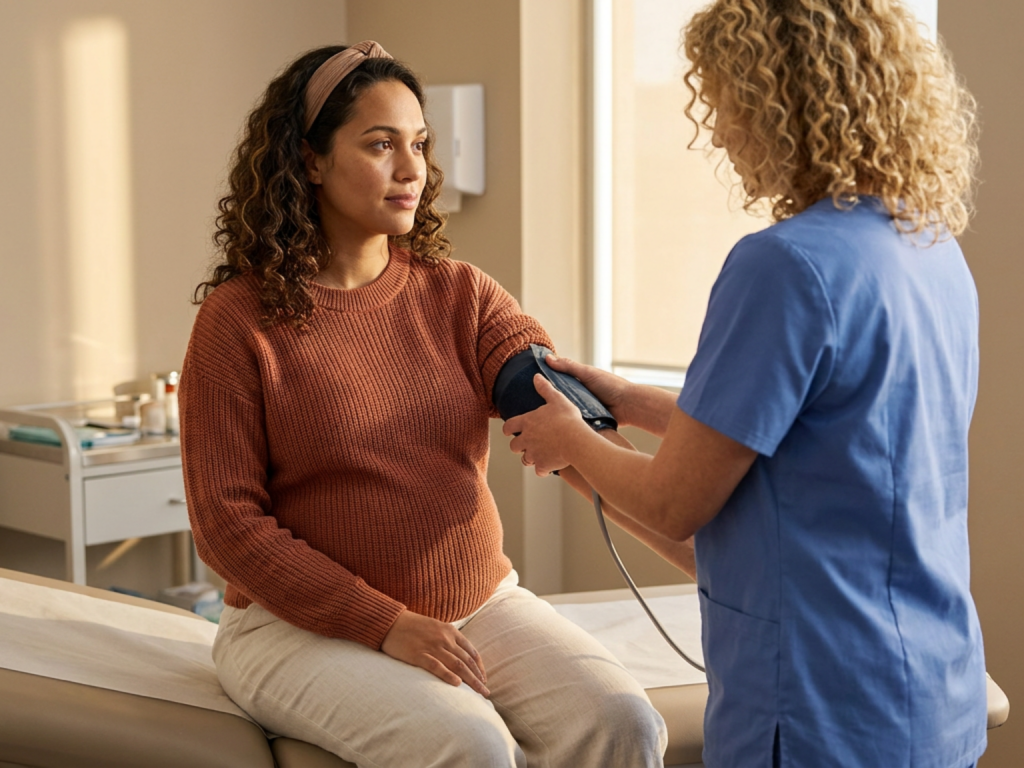
Blood pressure is recorded as systolic pressure over diastolic pressure. In pregnancy, hypertension is commonly defined as a systolic pressure of at least 140 mmHg or a diastolic pressure of at least 90 mmHg, typically confirmed with repeat measurements. A reading is considered severe when systolic pressure reaches 160 mmHg or higher, or diastolic pressure reaches 110 mmHg or higher. Severe-range blood pressure can become an emergency because it increases the risk of stroke and other serious complications.
Accurate measurement matters. The cuff should fit properly, the arm should be supported at heart level, and the person should be seated and rested when possible. Anxiety, pain, recent activity, caffeine, and an incorrectly sized cuff can influence readings. Still, repeated elevated results should never be dismissed, especially in pregnancy.
Types of hypertensive disorders in pregnancy
Clinicians classify high blood pressure in pregnancy partly by when it begins and whether there are signs of organ involvement. The categories overlap clinically, so your care team may update the diagnosis as pregnancy progresses.
- Chronic hypertension: High blood pressure that was present before pregnancy or is detected before 20 weeks of gestation. It may persist after birth.
- Gestational hypertension: New high blood pressure after 20 weeks of pregnancy without the defining organ or laboratory features of preeclampsia. It still requires careful follow-up because it can progress.
- Preeclampsia: New hypertension after 20 weeks with protein in the urine or other signs of organ dysfunction, such as low platelets, impaired liver function, kidney involvement, pulmonary edema, neurological symptoms, or fetal growth concerns.
- Chronic hypertension with superimposed preeclampsia: A person with pre-existing hypertension develops new or worsening features consistent with preeclampsia.
- Eclampsia: Seizures in the setting of preeclampsia that cannot be explained by another cause. This is a medical emergency.
How high blood pressure can affect parent and baby
High blood pressure can strain maternal blood vessels and organs. In severe or poorly controlled cases, risks may include stroke, heart complications, kidney injury, liver injury, placental abruption, seizures, and the need for early delivery. Preeclampsia is particularly important because it is not only a blood pressure problem; it reflects abnormal vascular and placental processes that can affect multiple organs.
For the baby, hypertension may reduce blood flow through the placenta. This can contribute to fetal growth restriction, low amniotic fluid in some cases, preterm birth, and complications related to early delivery. Your team may recommend additional fetal surveillance, such as growth ultrasounds or antenatal testing, depending on the diagnosis and gestational age.
These risks can sound frightening, but risk is not destiny. Many pregnancies are managed safely with structured prenatal care, appropriate medication when needed, and timely decisions about monitoring and delivery.
Monitoring and tests you may encounter
Care usually includes more frequent blood pressure checks and may include home monitoring. If you are asked to measure at home, your clinician can help you choose a validated device, select the right cuff size, and decide when to call about readings. Keep a written or digital log with the date, time, reading, pulse if available, and any symptoms.
Additional evaluation may include urine testing for protein, blood tests for platelet count, kidney function, and liver enzymes, and assessment for symptoms such as headache, visual disturbance, shortness of breath, and right upper abdominal or epigastric pain. Fetal monitoring may include ultrasound evaluation of growth and amniotic fluid, nonstress testing, or biophysical profile depending on the clinical picture.
Because hypertensive disorders can change quickly, a previously reassuring test does not eliminate the need to report new symptoms or worsening readings. If something feels unusual, it is appropriate to contact your maternity unit or clinician.
Medication considerations
Medication decisions in pregnancy require individualized medical care. Commonly used antihypertensive options in pregnancy include labetalol, nifedipine, and methyldopa, though the best choice depends on your medical history, gestational age, other conditions, side effects, and blood pressure pattern. Some people need dose adjustments as pregnancy progresses.
Certain medications used outside pregnancy are generally avoided because of fetal risks. These include angiotensin-converting enzyme inhibitors, angiotensin II receptor blockers, and direct renin inhibitors. If you were taking medication before pregnancy, do not stop or switch it on your own. Sudden discontinuation can be dangerous. Instead, contact your healthcare professional promptly for a pregnancy-safe plan.
Low-dose aspirin may be recommended for some people at increased risk of preeclampsia, often starting after the first trimester according to clinical guidance. It is not appropriate for everyone, so it should be started only after discussion with your clinician.
Lifestyle and self-care that support medical management
Lifestyle measures can support, but not replace, medical care. Keeping prenatal appointments, attending recommended laboratory and ultrasound visits, and following the monitoring plan are among the most important steps.
- Nutrition: Aim for balanced meals with adequate protein, fiber-rich carbohydrates, fruits, vegetables, and healthy fats. Extreme salt restriction is not usually recommended unless specifically advised, but limiting highly processed, high-sodium foods may help overall cardiovascular health.
- Activity: Physical activity may be beneficial for many pregnancies, but restrictions may apply if there are complications. Ask your clinician what level of activity is safe for you.
- Weight and metabolic health: Your team may discuss healthy gestational weight gain, diabetes screening, and cardiovascular risk factors.
- Substances: Avoid tobacco and recreational drugs, and discuss alcohol, supplements, and over-the-counter medicines with your clinician.
- Rest and support: Stress does not directly cause preeclampsia, but practical support, sleep, and emotional care can help you cope with a demanding monitoring plan.
Delivery planning and the postpartum period
Delivery is the definitive treatment for preeclampsia, but timing depends on severity, gestational age, fetal status, and maternal condition. Some people can continue pregnancy with close monitoring, while others need earlier delivery to protect maternal or fetal health. The mode of birth is individualized; high blood pressure alone does not automatically mean cesarean birth.
Blood pressure often needs continued attention after delivery. Preeclampsia can appear for the first time postpartum, and blood pressure may peak several days after birth. Postpartum warning symptoms should be taken seriously, even if the pregnancy seemed stable. Follow-up visits, medication adjustments, and home readings may be recommended.
Having hypertension in pregnancy can also signal a higher long-term risk of chronic hypertension and cardiovascular disease. After recovery from birth, it is worth discussing long-term blood pressure, cholesterol, glucose screening, and heart-healthy prevention with a primary care clinician.
Seek urgent medical advice if
- Blood pressure is 160/110 mmHg or higher, or your care team has given you a lower urgent threshold.
- You have a severe or persistent headache, confusion, fainting, or seizure.
- You notice vision changes such as flashing lights, blurred vision, or loss of vision.
- You develop chest pain, shortness of breath, severe swelling of the face or hands, or sudden worsening symptoms.
- You have severe right upper abdominal or epigastric pain, heavy bleeding, or markedly reduced fetal movement.
Tools & Assistance
- A validated home blood pressure monitor with the correct cuff size
- A written or app-based blood pressure and symptom log
- Your obstetric clinic, maternity triage unit, or maternal-fetal medicine specialist
- Medication review with a pregnancy-aware clinician or pharmacist
- Emergency services for severe readings or concerning neurological, chest, breathing, or abdominal symptoms
FAQ
Can I have a healthy pregnancy with high blood pressure?
Yes, many people do. The key is early prenatal care, appropriate monitoring, medication review, and prompt response to warning signs.
Is gestational hypertension the same as preeclampsia?
No. Gestational hypertension is new high blood pressure after 20 weeks without the defining organ findings of preeclampsia, but it can progress and needs close follow-up.
Should I stop my blood pressure medicine when I become pregnant?
Do not stop or change medication without medical advice. Some medicines are avoided in pregnancy, but abrupt discontinuation can be risky.
Does high blood pressure always mean early delivery?
Not always. Timing depends on blood pressure severity, preeclampsia features, gestational age, lab results, symptoms, and fetal well-being.
Can preeclampsia happen after birth?
Yes. Postpartum preeclampsia can occur, so severe headache, visual changes, chest pain, shortness of breath, or severe abdominal pain after delivery should be reported urgently.
Sources
- PubMed Central — Hypertension in Pregnancy: A Diagnostic and Therapeutic Overview
- Centers for Disease Control and Prevention — High Blood Pressure During Pregnancy
- Mayo Clinic — High blood pressure and pregnancy: Know the facts
Disclaimer
This article is for general information only and does not replace medical advice, diagnosis, or treatment. If you are pregnant and have high blood pressure or concerning symptoms, contact your healthcare professional promptly.















Please log in to leave a comment.