
Intro
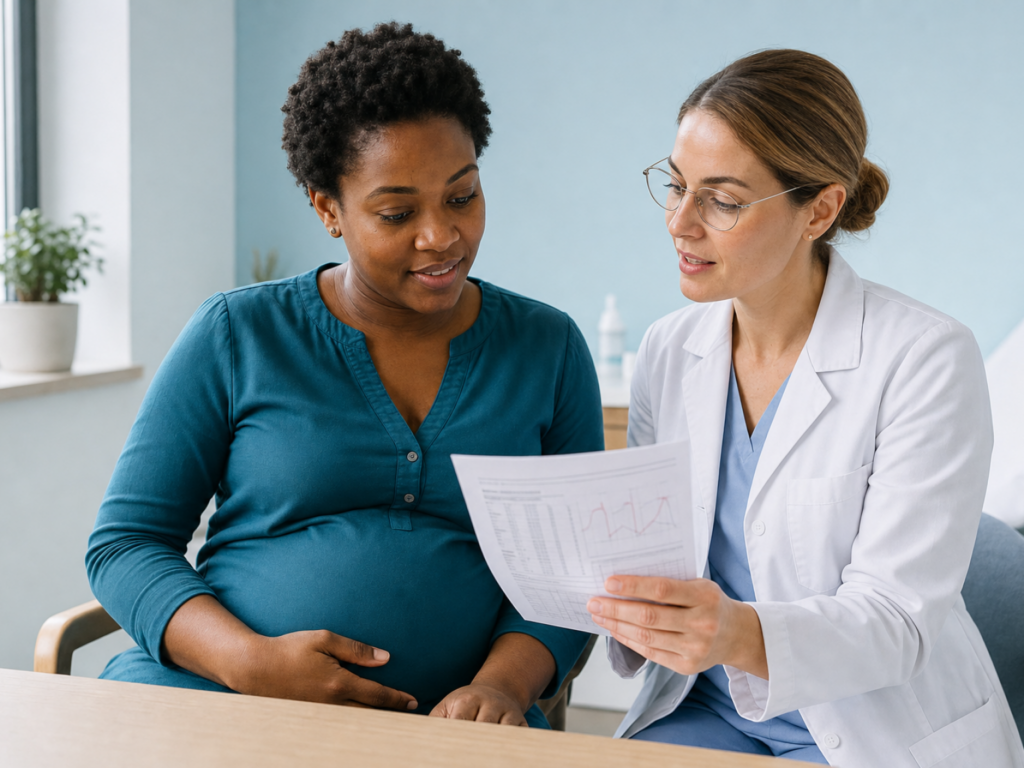
Anemia and iron deficiency are common concerns in pregnancy, and they can be emotionally frustrating as well as physically draining. Many pregnant people expect some fatigue, shortness of breath on exertion, or dizziness, but when iron stores are low, those sensations may become more pronounced and interfere with daily life. The reassuring news is that iron deficiency is often identifiable with routine blood tests and, when confirmed by a healthcare professional, can usually be treated effectively.
Pregnancy places a major demand on iron metabolism. Blood volume expands, the placenta develops, and the fetus draws on maternal iron for growth and for building iron stores that support the first months after birth. This article explains what iron deficiency and iron deficiency anemia mean, how clinicians evaluate them, why they matter, and what treatment discussions may involve.
Highlights
Iron deficiency can exist before hemoglobin becomes low, so ferritin and other iron studies may be clinically useful when anemia is suspected.
Symptoms such as fatigue, dizziness, palpitations, and breathlessness can overlap with normal pregnancy changes, which is why testing and professional interpretation matter.
Treatment may involve dietary strategies, oral iron, or intravenous iron in selected situations, but the best approach depends on gestational age, severity, tolerance, and medical history.
Evidence shows iron supplementation improves hematologic markers and reduces iron deficiency anemia, while some broader maternal and infant outcome benefits remain less certain.
What anemia and iron deficiency mean
Anemia is a reduction in the oxygen-carrying capacity of blood, most often assessed by hemoglobin concentration. In pregnancy, hemoglobin thresholds differ from nonpregnant ranges because plasma volume expands more than red cell mass, producing physiologic hemodilution. This can make interpretation more nuanced: a mildly lower hemoglobin may be expected, but significant anemia deserves careful evaluation.
Iron deficiency refers to depleted iron stores. It may occur with or without anemia. In early deficiency, ferritin, the main marker of iron storage, may fall before hemoglobin changes. If deficiency progresses, the body cannot produce enough hemoglobin for red blood cells, leading to iron deficiency anemia. Red cells may become microcytic and hypochromic, meaning smaller and paler than usual because they contain less hemoglobin.
Not all anemia in pregnancy is caused by iron deficiency. Folate or vitamin B12 deficiency, hemoglobinopathies such as thalassemia or sickle cell disease, chronic inflammation, kidney disease, blood loss, and other conditions can contribute. This is why self-diagnosis is risky: the correct treatment depends on the cause.
Why iron needs rise in pregnancy
Iron requirements increase substantially during pregnancy. Maternal red blood cell mass expands to support oxygen delivery; the placenta and fetus require iron; and iron is also needed to prepare for blood loss at delivery. If pregnancy begins with low iron stores, there may be little reserve to meet these demands.
Several factors can increase the likelihood of iron deficiency in pregnancy, including:
- Heavy menstrual bleeding before pregnancy
- Short interval between pregnancies
- Multiple gestation, such as twins
- Adolescent pregnancy or pregnancy after bariatric surgery
- Limited intake of iron-rich foods or low intake of heme iron sources
- Severe nausea and vomiting that limits nutrition or supplement use
- Inflammatory bowel disease, malabsorption, or other gastrointestinal conditions
- Previous anemia or known low ferritin
Iron balance is also affected by absorption. Heme iron from meat, poultry, and fish is generally absorbed more efficiently than non-heme iron from plant foods. Vitamin C can enhance non-heme iron absorption, while calcium, tea, coffee, and some antacids may reduce absorption if taken at the same time. These nutrition details can help, but they do not replace individualized medical assessment.
Symptoms: when pregnancy fatigue may be more than ordinary tiredness
Iron deficiency and anemia can feel subtle at first. Many symptoms overlap with common pregnancy experiences, including fatigue and extreme tiredness in pregnancy, mild shortness of breath, reduced exercise tolerance, headaches, and dizziness. Some people notice palpitations, difficulty concentrating, restless legs, feeling unusually cold, or craving non-food substances such as ice, clay, or starch, a phenomenon called pica.
Symptoms do not reliably indicate severity. A person with moderate anemia may adapt gradually and notice little, while another with milder laboratory changes may feel very unwell. Conversely, fatigue in pregnancy can have many causes, including sleep disruption, thyroid disease, depression, infection, dehydration, and cardiopulmonary conditions.
Because dizziness and lightheadedness in pregnancy can also reflect blood pressure changes, dehydration, hypoglycemia, arrhythmia, or more urgent problems, persistent or severe symptoms should be discussed with a clinician. New chest pain, fainting, severe breathlessness at rest, or rapid worsening requires urgent care.
How clinicians evaluate iron deficiency anemia
Evaluation usually begins with a complete blood count, which includes hemoglobin, hematocrit, mean corpuscular volume, platelet count, and other indices. A low hemoglobin suggests anemia, while a low mean corpuscular volume can support iron deficiency, although it may also occur in thalassemia trait. Red cell distribution width may be elevated in iron deficiency, but it is not diagnostic on its own.
Ferritin is commonly used to assess iron stores. Low ferritin is strongly suggestive of iron deficiency. However, ferritin is also an acute-phase reactant, meaning it can rise with inflammation, infection, liver disease, or other inflammatory states. In those situations, additional iron studies such as serum iron, transferrin saturation, and total iron-binding capacity may help clarify the picture.
Some clinicians also consider C-reactive protein, reticulocyte count, hemoglobin electrophoresis, B12 and folate levels, thyroid testing, or evaluation for blood loss depending on the clinical context. The exact threshold used for ferritin or hemoglobin may vary among guidelines, laboratories, trimester, and patient factors. It is reasonable to ask your obstetric, midwifery, or hematology team what your results mean in your specific pregnancy.
Why it matters for the pregnant person and baby
Iron deficiency anemia can reduce maternal physiologic reserve. People with anemia may experience greater fatigue, reduced capacity for daily activities, and less tolerance of bleeding at delivery. Severe anemia can increase the likelihood that transfusion or urgent intervention will be considered if significant obstetric bleeding occurs, though decisions depend on the entire clinical situation.
Research links maternal iron deficiency and iron deficiency anemia with adverse pregnancy outcomes such as low birth weight, preterm birth, and intrauterine growth restriction. These associations do not mean every person with low iron will have complications, and causality can be difficult to prove because nutrition, inflammation, socioeconomic factors, and other medical conditions may overlap. Still, identifying and treating clinically significant deficiency is an important part of prenatal care.
Iron also matters for fetal and newborn iron stores. Babies accumulate iron during pregnancy, especially later in gestation. When maternal iron deficiency is significant, neonatal iron stores may be lower, which can be relevant for infant growth and neurodevelopmental resilience. This is one reason clinicians take iron deficiency seriously even before symptoms become dramatic.
Treatment options your healthcare team may discuss
Treatment should be guided by a healthcare professional because the appropriate plan depends on severity, gestational age, tolerance, absorption, other diagnoses, and how quickly hemoglobin needs to improve. Many prenatal vitamins contain iron, but the amount may be preventive rather than therapeutic for established iron deficiency anemia.
Oral iron is often used first when deficiency is mild to moderate and there is time for response. Forms include ferrous sulfate, ferrous gluconate, ferrous fumarate, and other preparations. Side effects are common and can include nausea, constipation, abdominal discomfort, dark stools, and reflux. These effects can be particularly difficult for people already dealing with constipation and digestive slowing in pregnancy or nausea. Clinicians may adjust formulation, timing, dose frequency, or supportive measures, but changes should be discussed rather than improvised if anemia is significant.
Intravenous iron may be considered when oral iron is not tolerated, not absorbed, ineffective, or when anemia is more severe later in pregnancy and a faster response is needed. Modern IV iron preparations are widely used in obstetric care, but they still require appropriate indication, monitoring, and awareness of possible infusion reactions. Blood transfusion is generally reserved for specific urgent or severe situations and is not the routine treatment for uncomplicated iron deficiency.
Dietary changes can support treatment but may not be enough alone once anemia is established. Iron-rich foods include red meat, poultry, fish, lentils, beans, tofu, fortified cereals, pumpkin seeds, spinach, and other leafy greens. Pairing plant sources with vitamin C-rich foods such as citrus, berries, bell peppers, or tomatoes can improve non-heme iron absorption.
Screening, supplementation, and differing guidelines
Approaches to screening and supplementation vary. Many obstetric practices check hemoglobin or hematocrit early in pregnancy and again later, and some also check ferritin in people with risk factors or symptoms. In contrast, the U.S. Preventive Services Task Force has concluded that current evidence is insufficient to recommend for or against routine screening or routine iron supplementation in asymptomatic pregnant people. This does not mean screening or supplementation is ineffective in every case; rather, it reflects uncertainty about population-level benefits and harms for asymptomatic individuals.
Evidence indicates that supplementation can improve hematologic indices and reduce iron deficiency anemia. However, the impact on broader outcomes such as maternal quality of life, cesarean birth, preterm birth, or infant developmental outcomes is less consistently established. In real-world care, clinicians often individualize decisions based on baseline labs, dietary intake, risk factors, prior anemia, symptoms, and patient preferences.
If you are uncertain whether you need extra iron beyond a prenatal vitamin, ask about your hemoglobin, ferritin, and whether additional testing is appropriate. More iron is not always better; unnecessary supplementation may worsen gastrointestinal symptoms and can be unsafe in some iron-loading conditions.
Seek medical advice promptly if you notice
- Fainting, chest pain, severe shortness of breath, or a racing heartbeat that does not settle
- Heavy vaginal bleeding, third-trimester bleeding, or bleeding with pain or contractions
- Extreme weakness, confusion, or inability to carry out basic activities
- Black tarry stools, vomiting blood, or other signs of gastrointestinal bleeding
- Severe or worsening dizziness, especially with dehydration, fever, or abdominal pain
- Symptoms of anemia that persist despite following a clinician-recommended plan
Tools & Assistance
- Bring recent complete blood count and ferritin results to prenatal visits
- Ask your obstetric clinician or midwife whether iron studies are indicated
- Discuss side effects before stopping an iron supplement that was recommended
- Request dietary counseling if nausea, food aversions, or vegetarian eating patterns limit iron intake
- Seek urgent care for severe breathlessness, fainting, chest pain, or significant bleeding
FAQ
Can I have iron deficiency without anemia?
Yes. Ferritin and other iron stores may be low before hemoglobin falls. This is why clinicians may order iron studies when symptoms, risk factors, or blood count patterns suggest deficiency.
Is fatigue always a sign of anemia?
No. Fatigue is common in pregnancy and can have many causes. Persistent, severe, or worsening fatigue should be discussed with a healthcare professional, who can decide whether blood tests or other evaluation are needed.
What if oral iron makes me constipated or nauseated?
Tell your clinician. They may consider timing changes, a different formulation, altered dosing frequency, constipation management, or intravenous iron in selected cases. Do not stop prescribed treatment without medical advice if anemia is significant.
Is intravenous iron safe in pregnancy?
IV iron is commonly used when clinically indicated, particularly when oral iron is not tolerated or is ineffective. It should be given under medical supervision with consideration of gestational age, severity, and allergy or infusion-reaction risk.
Can diet alone correct iron deficiency anemia?
Diet can support iron status, but established iron deficiency anemia often requires supplementation or other treatment. The right approach depends on laboratory results, symptoms, gestational age, and the underlying cause.
Sources
- American Society of Hematology — Identifying and treating iron deficiency anemia in pregnancy
- U.S. Preventive Services Task Force — Iron Deficiency and Iron Deficiency Anemia During Pregnancy: Screening and Supplementation
- National Institutes of Health / PubMed Central — Iron Deficiency in Pregnancy
Disclaimer
This article is for informational purposes only and does not diagnose, treat, or replace individualized medical care. Always consult your obstetric clinician, midwife, hematologist, or other qualified healthcare professional about symptoms, test results, and treatment decisions.

















Please log in to leave a comment.