
Intro
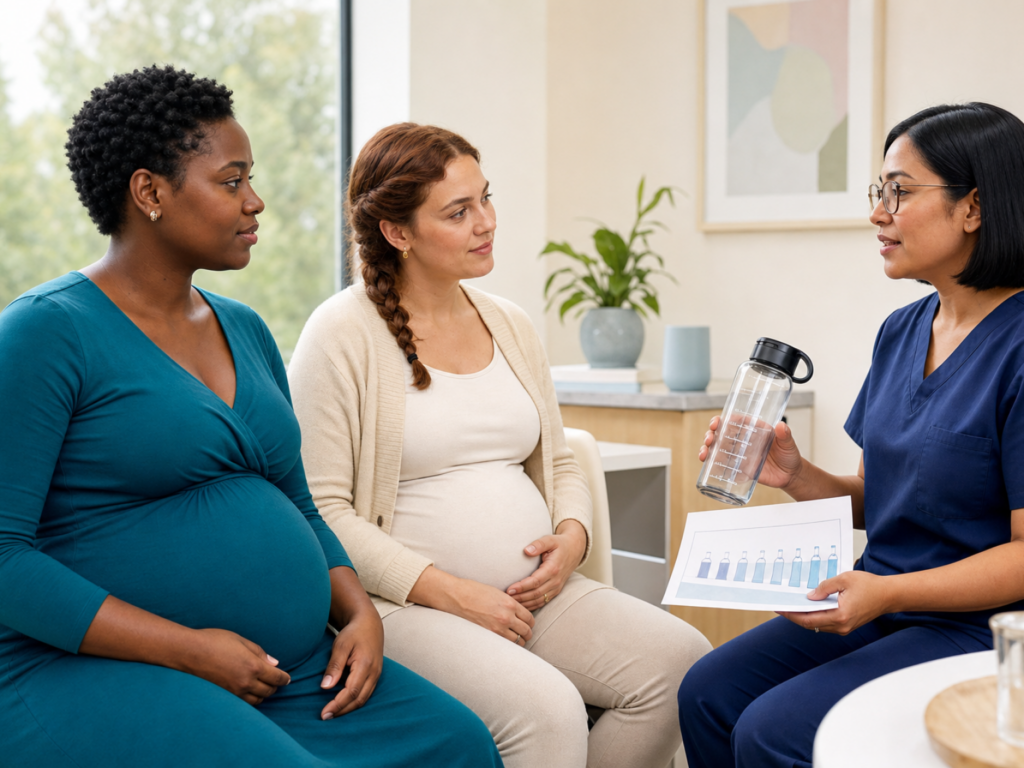
Pregnancy changes fluid physiology in meaningful ways. Blood volume expands, kidney filtration increases, the uterus and placenta require steady perfusion, and amniotic fluid turnover depends in part on maternal hydration. For many people, meeting fluid needs is straightforward; for others, nausea, vomiting, reflux, frequent urination, work demands, heat, or illness can make adequate intake feel surprisingly difficult.
Dehydration in pregnancy is not a personal failure. It is a physiological stress state that can develop quickly when fluid losses exceed intake. Understanding typical water targets, early warning signs, and when to seek care can help you respond promptly while staying within the guidance of your obstetric, midwifery, or primary care team.
Highlights
Pregnancy generally increases total water needs because maternal blood volume, renal filtration, placental circulation, and amniotic fluid dynamics all require adequate fluid balance.
A common evidence-based target is about 3.0 liters of total water per day in pregnancy, including water from beverages and foods; individual needs vary with climate, activity, illness, and medical conditions.
Dark urine, dizziness, dry mouth, fatigue, headache, reduced urination, and inability to keep fluids down can be warning signs of dehydration.
Persistent vomiting, fever, diarrhea, heat exposure, or contractions with possible dehydration should prompt medical advice rather than home management alone.
Why water matters more in pregnancy
Water is central to maternal and fetal physiology. During pregnancy, plasma volume expands substantially, helping maintain uteroplacental blood flow and supporting the increased cardiac output needed to deliver oxygen and nutrients. The kidneys also increase glomerular filtration, which changes urine production and electrolyte handling. These adaptations make adequate fluid intake more than a comfort issue; it is part of the background support for normal pregnancy physiology.
Hydration also contributes to amniotic fluid balance. Amniotic fluid is not simply static water around the fetus; it is continuously produced, swallowed, urinated, and exchanged. Maternal hydration alone does not determine amniotic fluid volume in every situation, and low amniotic fluid can have many causes. Still, adequate intake supports the maternal fluid environment that contributes to healthy fluid dynamics.
Fluid balance can also affect everyday symptoms. Even mild dehydration may worsen constipation, headaches, fatigue, dizziness, and heat intolerance. Some pregnant people notice more Braxton Hicks-type uterine tightening when they are underhydrated, although contractions or pelvic pressure should always be discussed with a clinician if persistent, painful, regular, or concerning.
How much water is usually recommended?
The National Academies’ Dietary Reference Intakes list an adequate intake for total water in pregnancy of approximately 3.0 liters per day. “Total water” includes drinking water, other beverages, and water naturally present in foods such as fruit, vegetables, soups, yogurt, and cooked grains. ACOG’s patient guidance commonly translates this into a practical goal of about 8 to 12 cups of water per day, recognizing that needs are individual.
This target is not a rigid prescription. A person who is physically active, working outdoors, living in a hot or humid climate, or experiencing vomiting, fever, or diarrhea may need more. Someone with certain cardiac, renal, endocrine, or hypertensive disorders may need individualized fluid guidance. If you have been told to restrict fluids, monitor electrolytes, or follow a specialized diet, your pregnancy care team’s recommendations should override general advice.
Urine color can be a helpful but imperfect cue. Pale yellow urine often suggests reasonable hydration, while consistently dark yellow or amber urine may indicate inadequate intake. However, prenatal vitamins, B vitamins, medications, and some foods can change urine color, and frequent urination is common in pregnancy even when hydration is adequate.
Why dehydration can develop quickly
Dehydration occurs when fluid losses exceed intake. Pregnancy can raise vulnerability because baseline fluid needs are higher and several pregnancy-related experiences reduce intake or increase losses.
- Nausea and vomiting: Early pregnancy nausea may reduce drinking, and repeated vomiting can cause fluid and electrolyte loss. Severe or persistent vomiting may suggest hyperemesis gravidarum and needs medical assessment.
- Heat and sweating: Hot weather, exercise, fever, and poorly ventilated work environments can increase water and sodium losses.
- Diarrhea or gastrointestinal illness: Fluid loss through the bowel can become clinically significant, especially if accompanied by vomiting or fever.
- Frequent urination: Increased urination is common because of hormonal effects, increased kidney filtration, and uterine pressure on the bladder. Some people unintentionally drink less to avoid bathroom trips, which can backfire.
- Food aversions and reflux: If water tastes unpleasant or triggers nausea or heartburn, total intake may drop without the person realizing it.
The goal is not to force large volumes at once. In fact, rapid overconsumption can be uncomfortable and, in rare circumstances, unsafe if it disrupts sodium balance. Most people do better with steady, distributed intake throughout the day.
Signs that you may not be getting enough fluids
Early dehydration can be subtle. Common warning signs described in clinical patient guidance include thirst, dry mouth, dry lips, headache, fatigue, dizziness or lightheadedness, dark urine, and urinating less often than usual. Some people also feel palpitations, muscle cramps, irritability, or difficulty concentrating.
In pregnancy, dizziness deserves particular attention because it can overlap with low blood pressure, anemia, low blood sugar, overheating, or other conditions. If you feel faint, sit or lie down on your side, avoid driving, and contact a healthcare professional if symptoms persist, recur, or are accompanied by chest pain, shortness of breath, vaginal bleeding, severe abdominal pain, or neurological symptoms.
Dehydration may also aggravate constipation and hemorrhoid discomfort. Conversely, swelling in the feet and ankles does not necessarily mean you are overhydrated; edema is common in pregnancy and is often related to venous pressure, hormones, and sodium-water regulation. Sudden swelling of the face or hands, severe headache, visual symptoms, or right upper abdominal pain needs urgent medical advice because these can be warning signs of hypertensive disorders of pregnancy.
Potential risks of significant dehydration
Mild, brief dehydration is common and often correctable, but significant or ongoing dehydration can be risky. Reduced circulating volume may contribute to dizziness, fainting, tachycardia, reduced urine output, electrolyte imbalance, and worsening nausea. When dehydration is related to vomiting or diarrhea, potassium, sodium, chloride, and acid-base balance can also be affected.
Clinically important dehydration may require evaluation, urine testing, blood tests, antiemetic treatment, or intravenous fluids. This is especially relevant when a pregnant person cannot keep fluids down, has signs of ketones from inadequate intake, has weight loss, or has severe nausea and vomiting. Hyperemesis gravidarum is more than typical morning sickness; it can lead to dehydration, electrolyte abnormalities, and nutritional compromise if untreated.
Dehydration has also been associated in clinical discussions with uterine irritability and contractions. Not every contraction pattern is caused by dehydration, and drinking water should not be used as a substitute for assessment if contractions are regular, painful, accompanied by fluid leakage or bleeding, or occur before term. When in doubt, call your maternity unit, obstetric clinician, or local urgent care pathway.
Practical strategies for meeting fluid needs
Hydration is easier when it is built into the day rather than treated as a large task at night. Many pregnant people find that small, frequent amounts are better tolerated than large glasses.
- Start early: Keep water by the bed and take a few sips before getting up, especially if mornings are difficult.
- Use divided goals: Aim for a certain amount by mid-morning, lunch, afternoon, and evening rather than trying to catch up all at once.
- Vary temperature and flavor: Ice water, warm water with lemon, diluted juice, herbal infusions considered safe by your clinician, or sparkling water may be easier to tolerate.
- Eat water-rich foods: Melon, oranges, berries, cucumbers, tomatoes, soups, smoothies, and yogurt can contribute to total water intake.
- Pair fluids with routines: Drink after urinating, with prenatal vitamins if tolerated, after short walks, and with snacks.
- Plan for bathroom access: If frequent urination makes you restrict fluids, try front-loading more intake earlier in the day while keeping moderate evening sips.
If plain water worsens nausea, ask your clinician about oral rehydration solutions or electrolyte drinks, especially after vomiting or diarrhea. Some commercial drinks contain high sugar, caffeine, or herbal ingredients, so labels matter. Caffeinated drinks can contribute to total fluid intake, but pregnancy caffeine limits still apply, and caffeine may worsen palpitations, reflux, or sleep disruption for some people.
Special situations: vomiting, heat, exercise, and medical conditions
Some circumstances require a lower threshold for professional advice. Vomiting that prevents adequate drinking, vomiting with weight loss, signs of dehydration, or inability to keep fluids down for an extended period should be discussed promptly. Severe nausea and vomiting can escalate quickly, and early treatment may prevent complications.
Heat exposure is another high-risk context. Pregnancy can make thermoregulation more demanding, and dehydration can compound overheating. During hot weather or exercise, consider shade, cooling breaks, breathable clothing, and extra fluids. If you feel faint, confused, very weak, or stop sweating despite heat exposure, seek urgent care.
People with kidney disease, heart disease, diabetes, adrenal disorders, eating disorders, prior bariatric surgery, or hypertensive disorders of pregnancy may need individualized hydration and electrolyte guidance. The same is true if you are taking medications that affect fluid balance, blood pressure, or kidney function. General hydration targets are useful starting points, not a replacement for tailored medical care.
Seek medical advice urgently if
- You cannot keep fluids down, especially with repeated vomiting or weight loss.
- You have very dark urine, minimal urination, fainting, confusion, or persistent dizziness.
- You develop contractions, pelvic pressure, fluid leakage, or vaginal bleeding.
- You have fever, severe diarrhea, severe abdominal pain, or signs of heat illness.
- You have sudden facial or hand swelling, severe headache, visual changes, or right upper abdominal pain.
Tools & Assistance
- Use a refillable bottle with volume markings to track intake across the day.
- Set phone reminders for small, regular fluid breaks rather than large late-day intake.
- Keep oral rehydration solution or clinician-approved electrolyte options available for vomiting or diarrhea.
- Contact your obstetric clinic, midwife, maternity triage, or urgent care service when warning signs appear.
- Discuss individualized fluid advice if you have kidney, heart, endocrine, hypertensive, or gastrointestinal conditions.
FAQ
Does tea, milk, soup, or fruit count toward hydration?
Yes. Total water includes plain water, other beverages, and water contained in foods. Plain water is still a practical mainstay, but soups, milk, yogurt, fruits, and vegetables can contribute.
Is dark urine always dehydration?
Not always. Dark urine can reflect low fluid intake, but vitamins, medications, foods, and timing can affect color. Persistent dark urine with reduced urination, dizziness, or illness should be discussed with a clinician.
Can drinking more water reduce swelling?
Typical pregnancy edema is not simply caused by drinking too much water. Adequate hydration may support overall fluid balance, but sudden or severe swelling, especially with headache or visual symptoms, needs urgent medical advice.
What if water makes my nausea worse?
Try small sips, ice chips, colder or warmer fluids, diluted juice, or water-rich foods. If you cannot maintain intake or are vomiting repeatedly, contact your pregnancy care team for individualized treatment options.
Can I drink too much water in pregnancy?
Excessive water intake in a short time can rarely disturb electrolyte balance. Most people should aim for steady intake throughout the day and follow individualized advice if they have medical conditions affecting fluid or sodium balance.
Sources
- American College of Obstetricians and Gynecologists (ACOG) — Hydration in Pregnancy
- Cleveland Clinic — Dehydration During Pregnancy
- National Academies Press — Dietary Reference Intakes for Water, Potassium, Sodium, Chloride, and Sulfate
Disclaimer
This article is for informational purposes only and is not a substitute for medical advice, diagnosis, or treatment. Consult your obstetrician, midwife, or healthcare professional for guidance specific to your pregnancy.
















Please log in to leave a comment.