
Intro
Herbal teas can feel like a gentle, nurturing choice in pregnancy, especially when nausea, indigestion, sleep disruption, or caffeine reduction make usual drinks less appealing. Many people reach for ginger, peppermint, chamomile, raspberry leaf, or “pregnancy blends” because they sound natural and soothing. But “natural” does not automatically mean low-risk, standardized, or well studied in pregnancy.
The central challenge is uncertainty: many herbs contain pharmacologically active compounds, yet pregnancy-specific safety data are limited. Some herbs may affect uterine tone, blood pressure, glucose metabolism, coagulation, hormone pathways, or fetal exposure. This article explains the main risk categories, which herbal teas are commonly approached with caution, and how to discuss tea choices with your midwife, obstetrician, pharmacist, or other qualified clinician.
Highlights
Most herbal teas have limited pregnancy-specific safety evidence, so conservative use is generally advised.
Some herbs are specifically concerning because of possible uterine stimulation, hormonal effects, blood pressure changes, or toxicity.
Ginger and peppermint teas are commonly used in pregnancy in modest amounts, but individual medical history still matters.
Caffeinated black, green, white, and oolong teas are not herbal teas; their main pregnancy issue is total caffeine intake.
Multi-ingredient “pregnancy” or “detox” blends can be harder to assess because dose, plant part, and quality control vary.
Why herbal tea safety is different in pregnancy
Pregnancy changes pharmacokinetics and physiology in ways that can alter exposure to plant compounds. Gastric emptying, plasma volume, renal clearance, hepatic enzyme activity, and protein binding may change. At the same time, the fetus and placenta may be exposed to compounds that were never systematically tested in pregnant people. For many herbal teas, there are no robust dose-response studies, no standardized formulation, and little information about placental transfer.
Herbal teas also vary by plant species, plant part, harvest conditions, preparation, steeping time, and concentration. A weak cup of a single-ingredient peppermint tea is not equivalent to a concentrated tincture, capsule, or medicinal-strength infusion. Even within teas, a “sleep blend” or “detox blend” may contain several botanicals with overlapping sedative, diuretic, laxative, hormonal, or uterotonic effects.
This is why clinicians often use a cautious framework: if an herb has limited pregnancy safety evidence, uncertain composition, or plausible pharmacologic activity, it is reasonable to avoid it unless a knowledgeable healthcare professional has reviewed the specific product and your medical context.
True teas, caffeine, and herbal infusions
It helps to separate true teas from herbal teas. Black, green, white, and oolong teas come from Camellia sinensis and contain caffeine, though the amount varies. In pregnancy, these teas are generally discussed in relation to total daily caffeine exposure from coffee, tea, chocolate, energy drinks, and some medicines. Many pregnancy guidelines advise keeping caffeine intake within a moderate limit; your own clinician can help individualize this if you have fetal growth concerns, hypertension, arrhythmia, severe reflux, or other conditions.
Herbal teas, also called tisanes or infusions, are made from leaves, roots, flowers, bark, seeds, or fruit of other plants. They may be caffeine-free, but caffeine-free does not mean pharmacologically inactive. A licorice root tea, for example, raises different concerns from a decaffeinated black tea. Similarly, a ginger infusion used for nausea is not the same risk category as a tea containing pennyroyal or blue cohosh.
If you are reducing coffee, it is reasonable to think about both caffeine and herbal exposure. For a deeper discussion of total caffeine intake, see the related topic on coffee and caffeine limits during pregnancy.
Herbs commonly considered lower concern in modest amounts
A few herbal teas are commonly used by pregnant people and are often considered lower concern when used occasionally and in modest amounts. This does not make them universally safe, and they may still be inappropriate for some people depending on medications, bleeding risk, reflux, gallbladder disease, diabetes, blood pressure, allergy history, or obstetric complications.
- Ginger: Ginger tea is commonly used for pregnancy nausea. It has a history of use, but very high intake or concentrated products should be discussed with a clinician, especially if you take anticoagulants, have a bleeding disorder, or are near a procedure.
- Peppermint: Peppermint tea is often used for bloating or nausea. It may worsen gastroesophageal reflux in some people because it can relax the lower esophageal sphincter.
- Rooibos: Often caffeine-free and not a classic medicinal herb, rooibos is sometimes used as an alternative to black tea. Still, product quality and additives matter.
- Lemon or fruit infusions: Simple fruit-based infusions may be lower concern, but check for added herbs, licorice root, laxatives, or “cleansing” ingredients.
Even with these options, moderation is the safest default. Some national pregnancy health resources advise limiting herbal tea intake rather than drinking large quantities daily. If you rely on any tea for symptom control, that is a good reason to mention the symptom and the product to your care team.
Herbs to avoid or approach with particular caution
Some botanicals are frequently flagged in pregnancy because of concerns about uterine stimulation, toxicity, blood pressure effects, endocrine effects, or insufficient safety data. The degree of risk depends on dose and form, but teas can still be relevant if consumed repeatedly, brewed strongly, or used as part of a concentrated blend.
- Pennyroyal: Traditionally associated with abortifacient use and known toxicity; it should be avoided in pregnancy.
- Black cohosh and blue cohosh: These are often cited for potential uterine or labor-related effects and should not be self-used in pregnancy.
- Dong quai: Often discussed for possible uterine and anticoagulant effects; it is generally avoided unless specifically advised by a qualified clinician.
- Licorice root: Licorice can affect mineralocorticoid pathways, potassium, blood pressure, and fluid balance. It is not the same as licorice-flavored candy made without real licorice root, but tea labels should be checked carefully.
- Senna, cascara, and other stimulant laxative herbs: These may cause cramping, diarrhea, dehydration, or electrolyte disturbances and should not be used casually for constipation in pregnancy.
- Chamomile: Chamomile is popular for sleep and anxiety, but some pregnancy resources advise caution because of limited evidence and possible uterine stimulation concerns. It may also trigger reactions in people allergic to ragweed or related plants.
This list is not exhaustive. Avoid teas marketed for weight loss, detoxification, menstrual regulation, fertility manipulation, “uterine cleansing,” or labor induction unless your maternity care clinician has specifically reviewed them.
Raspberry leaf tea and late pregnancy questions
Raspberry leaf tea deserves special mention because it is commonly marketed for “toning the uterus” or preparing for labor. The phrase sounds reassuring, but it also points to the reason for caution: a product that may affect uterine contractility is not just a beverage in the usual sense.
Evidence for raspberry leaf tea is limited, and recommendations vary. Some clinicians may be comfortable with use late in pregnancy for selected low-risk patients; others advise avoiding it because benefits are uncertain and dosing is not standardized. It should not be used earlier in pregnancy, in high-risk pregnancy, in people with prior preterm birth, placenta previa, planned cesarean for medical reasons, bleeding, multiple gestation, abnormal fetal growth, or any condition where uterine stimulation could be unsafe unless specifically cleared by the obstetric team.
If you are considering raspberry leaf tea, ask before starting rather than after symptoms appear. Bring the exact brand and ingredient list, because many products combine raspberry leaf with other herbs.
Quality, contamination, and labeling problems
Herbal products are not always regulated with the same rigor as medications. Quality concerns may include misidentified plants, variable concentrations, undeclared ingredients, pesticide residues, heavy metals, microbial contamination, and inconsistent serving sizes. Pregnancy raises the stakes because fetal development can be sensitive to exposures that might be less consequential outside pregnancy.
Choose products from reputable manufacturers, avoid loose herbs of uncertain origin, and be cautious with imported products that lack clear labeling in a language you can verify. Avoid products with medicinal claims such as “guaranteed to induce labor,” “flush toxins,” “balance hormones,” or “treat infection.” These claims are red flags, not reassurances.
Food safety also matters. Brew teas with clean equipment and safe water, store products dry, and discard moldy or stale herbs. If you are navigating broader nutrition risk decisions, related information on foods to avoid and high-risk foods during pregnancy and listeria risk foods during pregnancy may be helpful.
How to make a safer decision about herbal tea
A practical approach is to treat herbal teas like low-dose botanical exposures rather than harmless flavored water. You do not need to feel anxious about every sip, but it is reasonable to be systematic.
- Read the full ingredient list. Avoid multi-herb blends if you cannot identify each component.
- Check the purpose. Teas for nausea or taste preference are different from teas marketed for detox, laxative effects, hormone balance, or labor induction.
- Limit frequency and strength. Occasional, weak-to-moderate cups are generally less concerning than multiple strong infusions daily.
- Review medical conditions and medications. Hypertension, kidney disease, liver disease, anticoagulant use, diabetes medication, seizure medication, and pregnancy complications can change the risk profile.
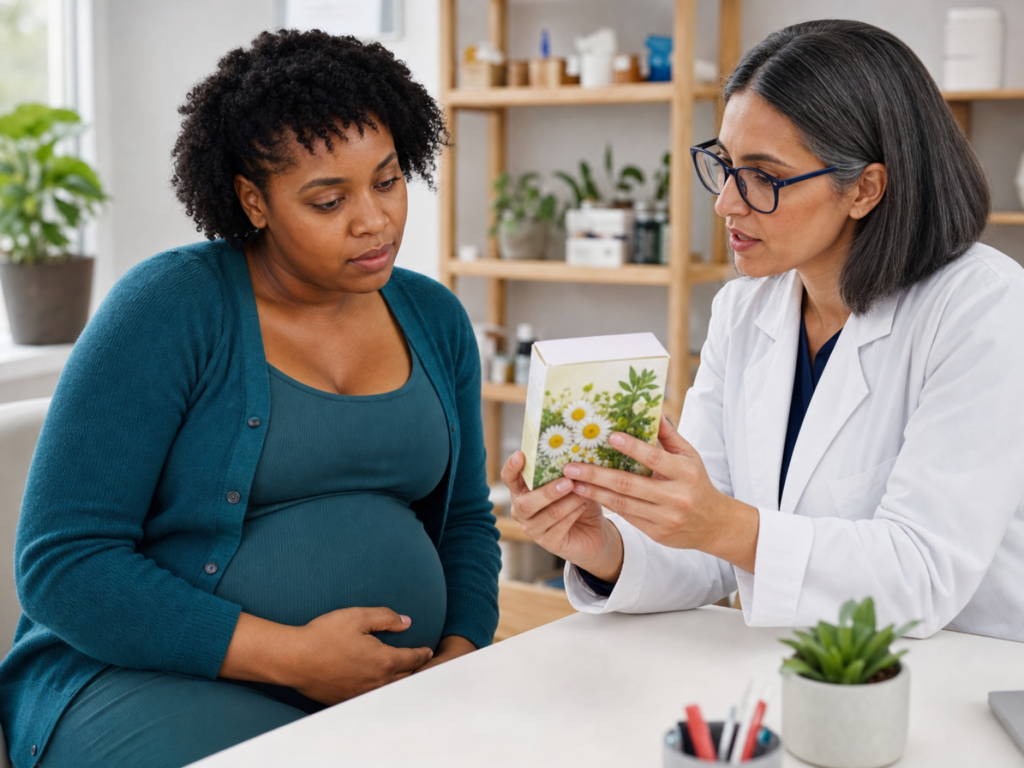
- Ask early. Bring the package or a photo of the label to a prenatal visit, pharmacist consultation, or midwife appointment.
Also consider whether the tea is being used to treat a symptom that deserves assessment. Persistent vomiting, severe headaches, right upper quadrant pain, swelling with high blood pressure, reduced fetal movement, bleeding, fever, or regular contractions should not be managed with tea. Seek medical guidance promptly.
When to stop a tea and seek advice
Stop the product and contact a healthcare professional if you notice contractions, cramping, vaginal bleeding, fluid leakage, dizziness, palpitations, fainting, severe diarrhea, rash, facial swelling, wheezing, or worsening vomiting after drinking an herbal tea. If symptoms are severe, urgent care or emergency assessment is appropriate.
For people with migraine or frequent headaches, be careful not to substitute unreviewed herbal products for evidence-based care, especially if headaches are severe, new, associated with visual symptoms, or occur with elevated blood pressure. The pregnancy-related discussion of headaches and migraines during pregnancy may help you identify when escalation is needed. For broader red flags, see warning signs in pregnancy symptoms.
Finally, let your care team know about all herbal teas, supplements, and over-the-counter products you use. This is not about judgment; it is about avoiding interactions and recognizing patterns if symptoms develop.
Seek medical advice promptly if
- You have contractions, cramping, bleeding, or fluid leakage after using an herbal tea.
- A tea contains pennyroyal, blue cohosh, black cohosh, dong quai, licorice root, or unknown “detox” ingredients.
- You are using herbal tea to manage persistent vomiting, severe headache, hypertension symptoms, or possible preterm labor.
- You have a high-risk pregnancy, prior preterm birth, placenta problems, multiple gestation, or fetal growth concerns.
- You take anticoagulants, blood pressure medicines, diabetes medicines, seizure medicines, or sedatives and want to use herbal products.
Tools & Assistance
- Bring the tea package or a clear photo of the ingredient label to your prenatal appointment.
- Ask a pharmacist to screen herbal tea ingredients for medication interactions.
- Use a simple caffeine log if you drink black, green, white, or oolong tea as well as coffee.
- Choose single-ingredient, clearly labeled products from reputable manufacturers when your clinician agrees they are appropriate.
- Call your maternity unit, midwife, obstetrician, or local urgent care service if concerning symptoms occur.
FAQ
Is one cup of herbal tea likely to harm my pregnancy?
A single accidental cup is unlikely to be a problem in many cases, but the ingredient matters. Stop drinking it until you verify the contents, and contact your healthcare professional if it contained a high-risk herb or you develop symptoms.
Are ginger and peppermint tea safe in pregnancy?
They are commonly used in modest amounts and are often considered lower concern, but they are not automatically appropriate for everyone. Ask your clinician if you have reflux, bleeding risk, medication interactions, or pregnancy complications.
Can I drink chamomile tea for sleep while pregnant?
Chamomile is widely used, but pregnancy safety evidence is limited and some resources caution about possible uterine stimulation. Discuss regular use with your prenatal care team, especially if you have allergy risk or obstetric complications.
Are pregnancy tea blends safer than regular herbal teas?
Not necessarily. “Pregnancy” on a label is a marketing term, not proof of safety. Multi-ingredient blends should be reviewed ingredient by ingredient.
What should I drink instead if I am avoiding caffeine?
Water, milk or fortified alternatives, and simple fruit-infused water are common options. Some caffeine-free teas may be acceptable, but choose clearly labeled products and ask your clinician about regular use.
Sources
- Healthline — Is Tea Safe During Pregnancy?
- The Bump — Herbal Tea Pregnancy: Best Teas & Which to Avoid
- Pregnancy, Birth and Baby — Herbal teas during pregnancy and breastfeeding
Disclaimer
This article is for general information only and does not replace medical advice. Always consult your obstetrician, midwife, pharmacist, or qualified healthcare professional about herbal products in pregnancy.














Please log in to leave a comment.