
Intro
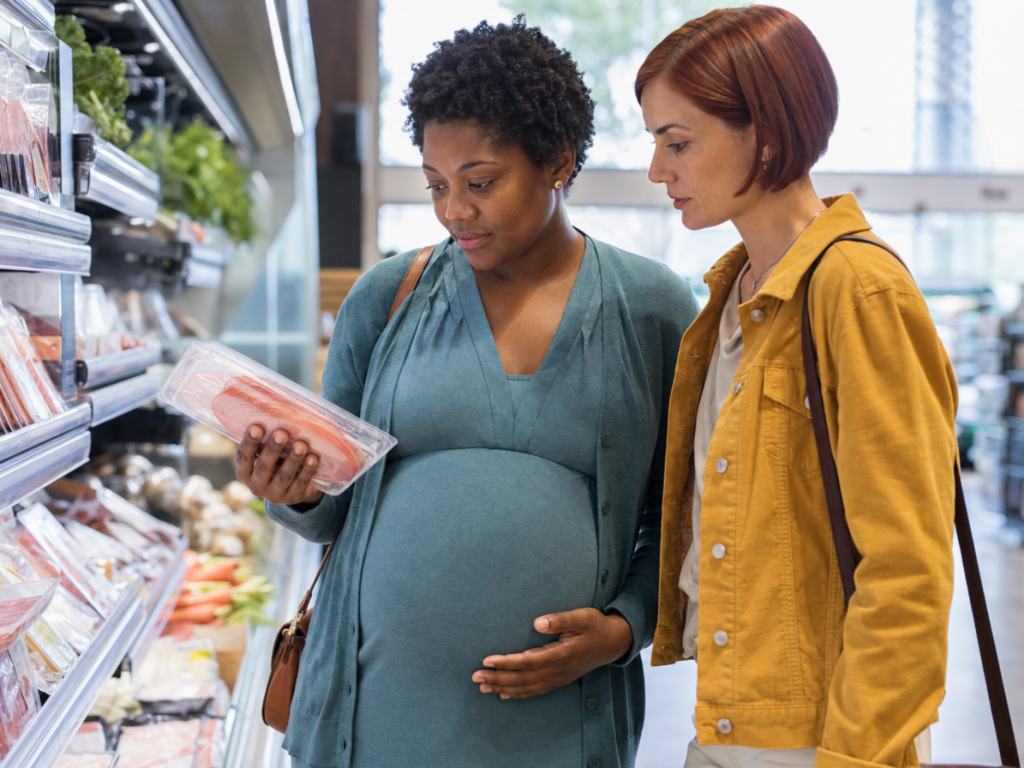
Pregnancy can make ordinary lunch choices feel surprisingly high-stakes, especially when foods you may have eaten for years, such as turkey slices, ham, salami, pâté, or hot dogs, suddenly appear on “avoid” lists. The concern is not that every deli meat is inherently dangerous. The main issue is that some ready-to-eat meats can carry foodborne pathogens, particularly Listeria monocytogenes, and pregnancy changes the risk-benefit calculation because infection can be more serious for the fetus or newborn than for the pregnant person.
The good news is that risk can be reduced substantially with practical steps: choosing safer alternatives, reheating certain meats until steaming hot, storing foods properly, and contacting a healthcare professional promptly if concerning symptoms or exposure occurs. This article explains the evidence-based rationale behind pregnancy advice on deli meats and processed meats, while acknowledging that food choices are personal, cultural, financial, and sometimes driven by nausea or cravings.
Highlights
Cold ready-to-eat deli meats and hot dogs are higher-risk foods in pregnancy unless reheated until steaming hot.
Listeriosis may cause only mild flu-like illness in the pregnant person but can lead to miscarriage, stillbirth, preterm birth, or severe neonatal infection.
Processed meats also tend to be high in sodium and may contain preservatives, so they are best treated as occasional foods rather than staple protein sources.
If you accidentally ate cold deli meat, do not panic; monitor for symptoms and ask your clinician what to do if you feel unwell or had a known outbreak exposure.
Why deli meats are treated differently in pregnancy
Deli meats are often ready-to-eat foods. That convenience is part of the problem: they may be eaten without a final cooking step that would kill bacteria. Listeria monocytogenes can contaminate foods during processing, slicing, packaging, or handling, and it has a notable ability to survive and grow at refrigerator temperatures. This makes it different from many bacteria that are slowed more effectively by cold storage.
Pregnancy is associated with altered immune function, and pregnant people are at increased risk of listeriosis compared with the general population. According to the CDC, listeriosis during pregnancy can result in miscarriage, stillbirth, premature delivery, or life-threatening infection in the newborn. The pregnant person may have no symptoms or only a mild illness, which is why prevention matters even when a food looks, smells, and tastes normal.
Deli meats are not the only concern. Similar caution applies to certain unpasteurized dairy products, refrigerated pâtés, refrigerated smoked seafood, and other high-risk ready-to-eat foods. If you are building a broader pregnancy food-safety plan, guidance on food safety rules and listeria risk foods during pregnancy can help put deli meat advice into context.
Which meats are higher risk?
The term “deli meat” covers many products, and the risk is not identical across all of them. The greatest concern is usually with cold, ready-to-eat meats that have already been cooked or cured and then sliced, packaged, or displayed in a deli case. Examples include turkey, chicken, ham, roast beef, bologna, mortadella, pastrami, and similar sandwich meats eaten cold.
Hot dogs and frankfurters are also commonly included in pregnancy food-safety advice because they are often pre-cooked but can become contaminated before packaging or during handling. They should be reheated until steaming hot before eating. Cold cured meats, such as salami, chorizo, prosciutto, pepperoni, and some fermented or air-dried meats, may carry listeria risk and, depending on production and storage, may also raise concerns about other pathogens. NHS guidance advises caution with some cold cured meats and notes that cooking thoroughly reduces risk.
Meats that are cooked fresh and served hot, such as a thoroughly cooked chicken breast, freshly cooked beef, or hot roasted turkey served immediately, are generally different from cold deli slices. However, all meat should be cooked and handled safely. For a wider discussion of meat doneness, cross-contamination, and undercooked meat risks, see can you eat meat and undercooked meat risks during pregnancy.
Listeria: why the consequences can be serious
Listeriosis is uncommon, but pregnancy is one of the classic higher-risk states. The clinical challenge is that maternal symptoms can be nonspecific: fever, chills, muscle aches, headache, gastrointestinal upset, fatigue, or a flu-like illness. Some people may have minimal symptoms. In the fetus or newborn, however, infection can be much more severe because Listeria can cross the placenta.
Potential pregnancy complications described by public health and clinical sources include miscarriage, stillbirth, preterm labor or delivery, low birth weight, neonatal sepsis, meningitis, and other serious newborn infections. This is why clinicians and public health agencies advise avoiding higher-risk foods rather than waiting for signs of spoilage or illness.
It is also important to keep perspective. Most exposures do not lead to infection, and many people who ate cold deli meat once or twice before learning the guidance will not develop listeriosis. The purpose of the guidance is to reduce avoidable risk over time, not to create guilt or panic.
How to eat deli meats more safely if you choose to have them
If you decide to eat deli meat or hot dogs during pregnancy, the key protective step is heat. The CDC and Mayo Clinic advise reheating deli meats and hot dogs until steaming hot before eating. This means the meat should be visibly hot throughout, not just warmed slightly. If using a microwave, rotate or stir as appropriate and allow standing time so heat distributes evenly.
- Reheat immediately before eating: Heat cold cuts, pre-cooked sausages, and hot dogs until steaming hot, then eat them while hot.
- Avoid “warm but not hot” shortcuts: Light toasting may not heat all meat surfaces adequately, especially in thick sandwiches.
- Separate foods: Keep deli meat juices away from salads, fruit, bread, and other ready-to-eat foods.
- Clean contact surfaces: Wash hands, cutting boards, knives, plates, and counters after handling processed meats.
- Respect storage times: Refrigerate promptly and avoid eating products past use-by dates or after prolonged room-temperature exposure.
At restaurants or delis, it can be harder to know whether meat has been heated thoroughly or whether slicers and surfaces are well controlled. If you are unsure, consider choosing a hot freshly cooked option, a vegetarian sandwich made with low-risk ingredients, or a protein you can see being cooked to order.
Processed meat nutrition: sodium, nitrates, and everyday balance
The infection risk is the main pregnancy-specific reason for caution with deli meats, but nutrition also matters. Many processed meats are high in sodium, saturated fat, and preservatives. “Processed meat” generally refers to meat preserved by smoking, curing, salting, fermentation, or addition of chemical preservatives. Examples include bacon, ham, salami, sausages, hot dogs, pepperoni, and many deli slices.
Pregnancy does not require eliminating every processed food, and rigid rules can be especially difficult for people dealing with nausea, food aversions, limited budgets, or restricted access to fresh foods. Still, using processed meats as an occasional convenience rather than a daily foundation may help support overall cardiometabolic health. For many pregnant people, protein needs can be met with safer options such as freshly cooked poultry, fish that is low in mercury, eggs cooked safely, beans, lentils, tofu, yogurt made from pasteurized milk, nuts, seeds, and well-cooked lean meats.
If you have hypertension, kidney disease, gestational diabetes, a history of preeclampsia, or are on a medically advised diet, discuss processed meat intake with your obstetric clinician, midwife, or registered dietitian. They can help tailor advice without making your diet unnecessarily restrictive.
What to do if you ate cold deli meat
First, take a breath. A single exposure does not mean you will become ill. Many people accidentally eat cold deli meat before they know the recommendation, especially early in pregnancy. The next step depends on whether you have symptoms, whether the product was linked to a known outbreak or recall, and your clinician’s guidance.
If you feel well, most clinicians do not recommend emergency evaluation solely because of one low-detail exposure, but you should follow your local healthcare advice. If you develop fever, chills, muscle aches, severe headache, stiff neck, confusion, diarrhea, vomiting, abdominal pain, decreased fetal movement, contractions, or any symptoms that concern you, contact your maternity care team promptly. Mention the possible food exposure and the timing.
Do not attempt to self-diagnose listeriosis or take leftover antibiotics. Testing and treatment decisions depend on symptoms, gestational age, exposure history, local outbreak information, and clinical assessment. Your healthcare professional can advise whether evaluation is needed.
Safer sandwich and snack ideas
You do not have to give up satisfying lunches. The goal is to replace higher-risk cold meats with options that are either cooked fresh, reheated thoroughly, or not prone to the same listeria risk profile.
- Hot sandwich options: Grilled chicken, hot roasted turkey, meatballs heated thoroughly, or a toasted sandwich where the meat is steaming hot throughout.
- Egg-based options: Hard-cooked eggs or egg salad made with properly cooked eggs and refrigerated promptly.
- Plant proteins: Hummus from a reputable source, bean spreads, lentil patties, tofu, tempeh cooked hot, or nut butters.
- Dairy options: Pasteurized cheese, cottage cheese, or yogurt-based fillings, while following separate advice for soft cheese safety.
- Leftovers: Freshly cooked meat stored safely and reheated until hot can be a practical alternative to deli slices.
If a cold sandwich is one of the few foods you can tolerate, talk with your clinician or a prenatal dietitian. They may help you find a safer version that still meets your needs, such as heating the meat first and allowing the sandwich components to remain appealing.
When to seek medical advice promptly
- Fever or flu-like illness after eating a high-risk ready-to-eat food
- Severe headache, stiff neck, confusion, or marked weakness
- Persistent vomiting, diarrhea, dehydration, or abdominal pain
- Known exposure to a recalled deli meat, hot dog, or processed meat product
- Decreased fetal movement, contractions, bleeding, or any urgent pregnancy concern
Tools & Assistance
- Ask your obstetric clinician or midwife about your personal listeria risk and local outbreak advice
- Use a food thermometer and reheat ready-to-eat meats until steaming hot
- Check official food recall alerts for deli meats, hot dogs, and ready-to-eat meat products
- Consult a registered dietitian if nausea, aversions, budget, or medical conditions limit protein choices
- Keep a simple refrigerator and leftover log to reduce storage-time uncertainty
FAQ
Can I eat deli turkey or ham while pregnant?
It is safest to avoid eating deli turkey or ham cold. If you choose to eat it, reheat it until steaming hot immediately before eating.
Are hot dogs safe in pregnancy?
Hot dogs are considered higher risk if eaten cold or only lightly warmed. Reheat them until steaming hot, handle juices carefully, and eat them promptly.
I ate a cold sandwich before I knew the advice. Should I panic?
No. Most single exposures do not lead to illness. Monitor for symptoms and contact your healthcare professional if you feel unwell or learn the product was recalled.
Is salami or prosciutto safer because it is cured?
Not necessarily. Some cold cured meats can still carry listeria or other pathogen risks. Cooking thoroughly reduces risk; ask your clinician about local guidance and specific products.
Does freezing deli meat kill listeria?
Freezing can stop bacterial growth but does not reliably kill listeria. Heating until steaming hot is the key risk-reduction step for deli meats and hot dogs.
Sources
- Centers for Disease Control and Prevention (CDC) — Listeria (Listeriosis) and Pregnancy
- Mayo Clinic — Listeriosis in pregnancy: What are the risks?
- National Health Service (NHS) — Foods to Avoid During Pregnancy
Disclaimer
This article is for informational purposes only and does not replace individualized medical advice. If you are pregnant and have symptoms, a recalled-food exposure, or specific dietary concerns, contact your healthcare professional.
















Please log in to leave a comment.