
Intro
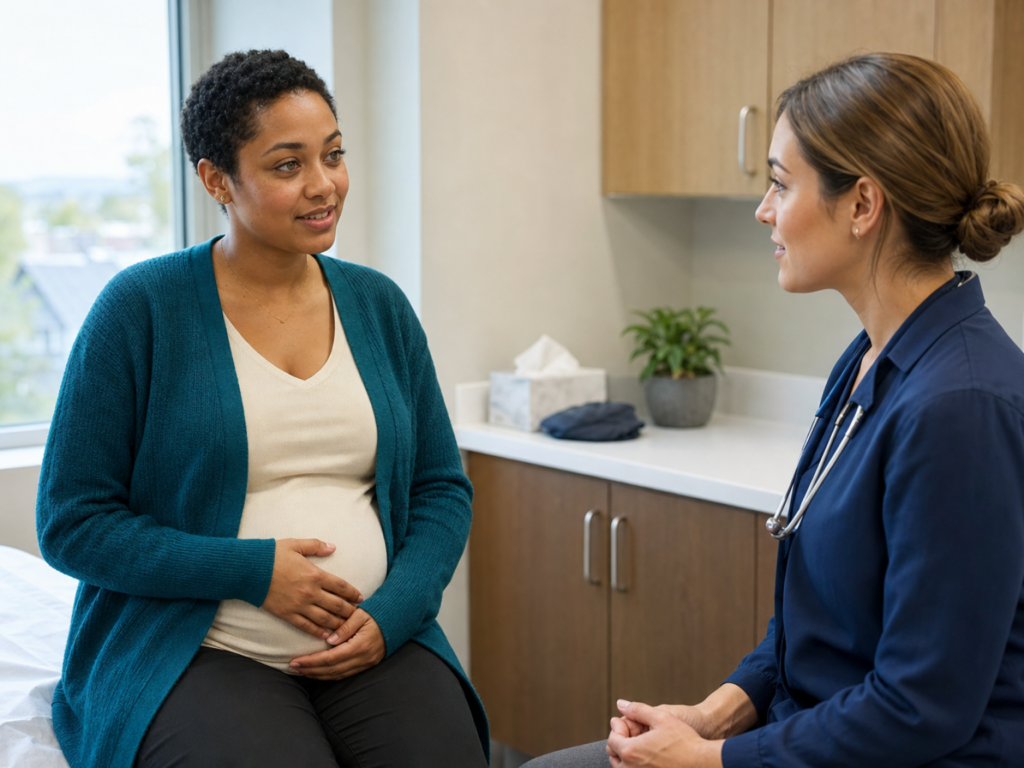
Feeling mild cramps in early pregnancy can be unsettling, especially when every sensation seems to carry meaning. Many pregnant people describe light pulling, twinges, pressure, or period-like aches in the lower abdomen or pelvis during the first trimester. In many cases, mild and infrequent cramping is part of normal early pregnancy physiology, particularly when it improves with rest, hydration, or a change in position.
At the same time, cramping is a symptom that deserves context. The same broad word can describe harmless uterine stretching, gastrointestinal discomfort, implantation-related sensations, or conditions that require urgent evaluation. The goal is not to self-diagnose, but to understand what is commonly expected, what patterns are more concerning, and when to contact a clinician.
Highlights
Mild, intermittent cramping in early pregnancy can be normal, especially if it is not severe and is not accompanied by heavy bleeding or other concerning symptoms.
Common benign contributors include uterine growth, increased pelvic blood flow, hormonal changes, gas, constipation, sexual activity, exercise, and sometimes implantation-related sensations.
Cramping that is severe, one-sided, worsening, regular, or associated with bleeding, dizziness, fever, shoulder pain, watery discharge, or significant weakness should be evaluated promptly.
Hydration, rest, and symptom tracking can help clarify mild symptoms, but they should not replace medical advice when something feels unusual or alarming.
Why mild cramping can happen early in pregnancy
Early pregnancy involves rapid anatomic, vascular, and hormonal adaptation. Even before the uterus is visibly enlarged, the endometrium is changing, blood flow to the uterus and pelvis increases, and smooth muscle tone is influenced by rising progesterone. These shifts can produce sensations described as mild cramping, pulling, stretching, heaviness, or pelvic pressure.
One common explanation is normal uterine growth. The uterus is a muscular organ, and as it begins adapting to pregnancy, the surrounding tissues and ligaments may generate intermittent discomfort. Increased blood flow to the pelvic organs can also make the area feel fuller or more sensitive. Hormonal changes, especially progesterone-mediated relaxation of smooth muscle, may affect both the uterus and gastrointestinal tract.
Cramping can also overlap with implantation timing. Some people report light cramping or spotting around the time the embryo implants in the uterine lining, although not everyone feels this and it is not a reliable way to confirm pregnancy. If you are comparing early pregnancy sensations with premenstrual symptoms, it may help to read more about how implantation feels and how it differs from a period.
What “normal” mild cramping often feels like
Reassuring cramping is usually mild, brief, and intermittent. It may feel similar to light menstrual cramps, a dull ache, gentle pulling, or a sensation of pressure low in the abdomen. It often comes and goes rather than building steadily. Many people notice it more when they are tired, dehydrated, constipated, after physical activity, or after sex.
Patterns that are more consistent with benign early pregnancy discomfort include:
- Cramping that is mild rather than severe
- Symptoms that improve with rest, hydration, passing gas, a bowel movement, or changing position
- No heavy bleeding, fever, fainting, or significant dizziness
- No sharp, persistent, or strongly one-sided pelvic pain
- No pain that interferes with normal daily activity
However, “normal” is not the same as “ignore it.” If cramping feels different from what you expected, if it persists, or if you have risk factors such as a prior ectopic pregnancy, recurrent pregnancy loss, pelvic infection, fertility treatment, or significant pelvic surgery, it is reasonable to contact your obstetric clinician for individualized guidance.
Common non-dangerous causes: uterus, hormones, digestion, sex, and activity
Not all pelvic discomfort in early pregnancy comes directly from the uterus. The gastrointestinal tract is a frequent contributor. Progesterone slows intestinal motility, which can lead to bloating, gas, and constipation. Gas pain can feel crampy and may shift location. Constipation can cause lower abdominal pressure or aching that improves after a bowel movement.
Sex and orgasm may also cause temporary uterine cramping. Orgasm can trigger uterine contractions, and increased pelvic blood flow can heighten sensitivity. Mild cramping afterward is often short-lived, but heavy bleeding, severe pain, or persistent symptoms should be discussed with a clinician.
Exercise or physical exertion can bring attention to the lower abdomen and pelvic floor. Light cramping after activity may reflect uterine sensitivity, ligament strain, dehydration, or muscle fatigue. If discomfort reliably occurs with exertion, becomes more intense, or is associated with bleeding or fluid leakage, medical advice is appropriate before continuing the same intensity.
Because early pregnancy symptoms can overlap, it may be useful to understand broader body changes in early pregnancy and hormonal changes in early pregnancy. These physiologic shifts can make ordinary sensations feel more prominent, but they should still be interpreted in the context of severity, timing, and associated symptoms.
When cramping may signal a problem
Some cramping patterns deserve prompt evaluation because they can be associated with complications such as miscarriage, ectopic pregnancy, infection, ovarian problems, or other abdominal and pelvic conditions. The presence of pain alone does not diagnose any of these conditions, but certain combinations of symptoms raise the level of concern.
Cramping with heavy bleeding, passage of tissue, or worsening pelvic pain should be assessed. Light spotting can occur in early pregnancy and does not always mean a serious problem, but bleeding plus pain warrants a lower threshold for contacting a healthcare professional.
One-sided, sharp, or severe pelvic pain is particularly important to report, especially if it occurs with dizziness, fainting, shoulder tip pain, rectal pressure, or weakness. These symptoms can be concerning for internal bleeding or ectopic pregnancy, which is a pregnancy located outside the uterine cavity and can be life-threatening if untreated.
Fever, chills, foul-smelling discharge, burning with urination, or significant back pain may suggest infection or a urinary tract issue. Watery fluid leakage, regular cramping, or worsening rhythmic pain should also be evaluated. If you are unsure whether a symptom is urgent, it is safer to call your maternity unit, obstetric office, or local emergency service for triage.
How to monitor mild cramping without spiraling into anxiety
It is understandable to scan your body closely in early pregnancy. A structured approach can help you gather useful information without repeatedly interpreting every twinge as a crisis. When cramps occur, note the time, location, intensity, duration, and what you were doing beforehand. Also record associated symptoms such as bleeding, discharge, nausea, fever, dizziness, urinary symptoms, constipation, or shoulder pain.
You might describe intensity using a 0 to 10 scale and location using clear terms: central lower abdomen, right lower pelvis, left lower pelvis, low back, or diffuse abdominal cramping. Clinicians often find these details more useful than general phrases such as “bad cramps.”
For mild cramping without warning signs, practical measures often include resting, drinking fluids, changing position, eating a small snack if you have not eaten, and addressing constipation with clinician-approved strategies. Avoid starting medications, herbal products, or high-dose supplements for cramping unless your healthcare professional has advised them. Some over-the-counter pain relievers are not recommended at certain stages of pregnancy, so medication questions should be individualized.
What your clinician may ask or evaluate
If you contact a healthcare professional about cramping, they may ask when your last menstrual period began, whether you have had a positive pregnancy test, the gestational age estimate, the character and location of pain, and whether there is bleeding or discharge. They may also ask about prior pregnancies, miscarriage history, ectopic pregnancy risk factors, fertility treatment, pelvic inflammatory disease, intrauterine device use around conception, or abdominal surgery.
Depending on your situation, evaluation might include vital signs, a pelvic examination, urine testing, blood tests such as quantitative hCG, or ultrasound. hCG is the hormone measured by pregnancy tests, and trends over time can be clinically useful in selected situations. If you want background information before discussing results with your clinician, you may find it helpful to review hCG levels and how they rise in early pregnancy.
Ultrasound findings depend strongly on gestational age. Very early in pregnancy, it may be too soon to see a gestational sac or heartbeat, even in a normally developing pregnancy. This is why clinicians sometimes repeat blood tests or imaging after an interval rather than drawing conclusions from one early measurement.
Emotional reassurance: mild cramps do not automatically mean miscarriage
One of the most distressing aspects of early pregnancy cramping is the fear that it means pregnancy loss. While cramping can occur with miscarriage, mild cramps are also common in pregnancies that continue normally. Symptom intensity, bleeding pattern, gestational age, ultrasound findings, and clinical context all matter.
Try not to judge the health of a pregnancy from one sensation in isolation. Early pregnancy is physiologically active, and the uterus, cervix, pelvic blood vessels, bowel, bladder, ligaments, and pelvic floor can all contribute to discomfort. A compassionate approach is to take the symptom seriously without assuming the worst.
If you have had previous pregnancy loss, infertility, or a traumatic medical experience, even mild cramping may feel frightening. That emotional response is valid. In that setting, asking your clinician what symptoms should trigger a call, what level of cramping is expected, and whether any follow-up is planned can reduce uncertainty.
Seek urgent medical advice if cramping is accompanied by
- Severe, worsening, or persistent abdominal or pelvic pain
- Heavy bleeding, passing tissue, or bleeding with significant pain
- Sharp one-sided pain, shoulder pain, fainting, dizziness, or marked weakness
- Fever, chills, foul-smelling discharge, or severe pain with urination
- Watery fluid leakage, regular rhythmic cramping, or pain that interferes with daily activities
Tools & Assistance
- Call your obstetrician, midwife, or early pregnancy assessment clinic for individualized triage.
- Use a symptom log noting pain location, intensity, duration, bleeding, discharge, fever, dizziness, and triggers.
- Seek emergency care if pain is severe, one-sided, associated with fainting, or accompanied by heavy bleeding.
- Ask your clinician before using pain medicines, laxatives, herbal remedies, or supplements in pregnancy.
- Keep pregnancy test dates, last menstrual period, fertility treatment details, and prior pregnancy history available when calling.
FAQ
Is mild cramping at 4 to 6 weeks pregnant normal?
Mild, intermittent cramping can be normal at this stage because of implantation-related changes, uterine adaptation, hormonal effects, and digestive changes. Contact a clinician if pain is severe, one-sided, worsening, or occurs with bleeding, dizziness, fever, or other concerning symptoms.
Can early pregnancy cramps feel like period cramps?
Yes. Many people describe early pregnancy cramps as similar to light menstrual cramps. The key distinctions are severity, persistence, pattern, and associated symptoms such as bleeding or faintness.
Does cramping without bleeding mean everything is fine?
Cramping without bleeding is often less concerning than cramping with heavy bleeding, but it does not guarantee that no problem exists. Severe, sharp, one-sided, persistent, or worsening pain should still be medically assessed.
Can constipation cause cramping in early pregnancy?
Yes. Progesterone can slow bowel motility, making gas and constipation common causes of crampy abdominal discomfort. Ask your clinician about pregnancy-safe approaches if constipation is persistent or painful.
Should I go to the emergency department for mild cramps?
Mild cramps that improve with rest and are not accompanied by warning signs may not require emergency care, but you should follow your clinician’s guidance. Go urgently if pain is severe, one-sided, associated with fainting or dizziness, or accompanied by heavy bleeding.
Sources
- Atlantic Health — Are Cramps Normal in Early Pregnancy?
- Chapel Hill OBGYN — Are First-Trimester Cramps Normal & When Should You Worry?
- Association of Women’s Health, Obstetric and Neonatal Nurses — Cramping During Pregnancy: Should I Be Worried?
Disclaimer
This article is for general medical information and does not replace care from a qualified healthcare professional. Seek urgent medical advice for severe pain, heavy bleeding, fainting, fever, or any symptom that worries you.














Please log in to leave a comment.