
Intro
Early pregnancy can feel both intensely physical and strangely uncertain. Some people notice breast tenderness, nausea, fatigue, or a missed period within days to weeks of conception, while others feel almost no different at first. This wide variation is normal: the body’s response depends on hormonal patterns, baseline health, medications, stress, sleep, and whether the pregnancy was expected.
Most early body changes are driven by coordinated endocrine and vascular adaptations, especially rising human chorionic gonadotropin, progesterone, and estrogen. These changes help support implantation, maintain the uterine lining, modify the immune environment, and prepare the breasts and cardiovascular system for the months ahead. Still, symptoms alone cannot confirm pregnancy or rule out complications, so testing and timely professional care matter.
Highlights
A missed period is often the first noticeable sign, but it is not the only early body change and can have causes other than pregnancy.
Breast tenderness, fatigue, nausea, urinary frequency, bloating, and mood shifts are common in the first trimester, though their timing and intensity vary widely.
Light spotting can occur early, but heavy bleeding, severe pain, fainting, or shoulder-tip pain should be assessed urgently.
Home pregnancy tests detect hCG in urine and are most reliable when used after a missed period and according to the test instructions.
Supportive self-care can ease many early discomforts, but new, severe, persistent, or worrying symptoms deserve medical advice.
The biology behind early body changes
Early pregnancy begins before many people have any visible sign of it. After fertilization and implantation, the developing pregnancy produces human chorionic gonadotropin, or hCG, which helps maintain ovarian progesterone production. Progesterone supports the endometrium and relaxes smooth muscle, while estrogen contributes to breast, uterine, and vascular adaptation. Together, these hormones influence almost every system: reproductive organs, breasts, gastrointestinal tract, kidneys, blood vessels, brain, and skin.
These changes are physiologically purposeful, but they can feel disruptive. Progesterone-related smooth muscle relaxation can slow gastrointestinal transit, contributing to bloating, constipation, and reflux. Increased renal blood flow and hormonal effects can make urination more frequent. Expanding blood volume and blood-vessel relaxation may contribute to lightheadedness, especially when standing quickly or going long periods without food or fluids.
Importantly, symptom intensity does not reliably measure pregnancy health. Some viable pregnancies cause marked nausea and breast tenderness; others cause few symptoms. Conversely, strong symptoms do not exclude complications. A pregnancy test and medical evaluation are the appropriate way to clarify uncertainty.
Missed period, spotting, and uterine sensations
A missed period is one of the most common reasons people suspect pregnancy. For someone with regular menstrual cycles, bleeding that does not arrive when expected can be an early clue. However, cycle timing can also be altered by stress, weight change, intense exercise, illness, polycystic ovary syndrome, thyroid conditions, perimenopause, breastfeeding, or medications. This is why pregnancy testing is more informative than symptom interpretation alone.
Some people experience light spotting or mild cramping early in pregnancy. Light bleeding can occur around the time the fertilized egg implants in the uterine lining, although not everyone experiences this and not all spotting is implantation-related. Mild uterine twinges or a pulling sensation may also be noticed as the uterus and supporting tissues begin to respond to pregnancy hormones.
Bleeding patterns matter. Light spotting that resolves may be less concerning, but heavy bleeding, passing clots, severe one-sided pelvic pain, dizziness, fainting, or shoulder pain requires urgent assessment because these can be associated with miscarriage, ectopic pregnancy, or other acute conditions. If you are Rh-negative or unsure of your blood type and have bleeding, contact a healthcare professional promptly for individualized guidance.
Breast and nipple changes
Breast tenderness is often among the earliest noticeable body changes. The breasts may feel sore, swollen, heavy, tingling, or unusually sensitive to touch. The areolae may darken gradually, and small glands on the areola can become more prominent. These changes are related to estrogen, progesterone, and increasing blood flow as breast tissue begins preparing for lactation long before birth.
For some people, the discomfort resembles premenstrual breast tenderness; for others, it is more intense or lasts longer. A supportive bra, soft fabrics, and avoiding pressure on the chest may help. Breast discomfort often fluctuates and may ease later in the first trimester, although this varies.
Seek medical advice for a new focal breast lump, skin dimpling, persistent redness, fever, nipple discharge that is bloody or unilateral, or pain that is localized and worsening. Pregnancy commonly changes the breasts, but new concerning breast findings should not be dismissed as simply hormonal.
Fatigue, sleepiness, and dizziness
Profound tiredness can appear early, sometimes before a missed period. Progesterone has sedating effects, and the body is also adapting metabolically and cardiovascularly. Even people who usually have high energy may find they need more rest, naps, or a slower schedule.
Lightheadedness can occur because early pregnancy is associated with blood-vessel relaxation and changes in blood pressure and blood volume. Low blood sugar, dehydration, overheating, and standing for long periods can make dizziness worse. Practical steps include rising slowly, eating regular meals or snacks, drinking fluids, and avoiding prolonged standing when possible.
Dizziness is not always benign. Fainting, chest pain, shortness of breath, palpitations, severe weakness, neurologic symptoms, or dizziness with heavy bleeding or severe abdominal pain should be assessed urgently. People with anemia, diabetes, heart disease, seizure disorders, or a history of syncope should ask a clinician how to manage early pregnancy symptoms safely.
Nausea, vomiting, appetite shifts, and smell sensitivity
Nausea and vomiting are classic early pregnancy experiences and may begin within the first several weeks. The phrase “morning sickness” is misleading because symptoms can occur at any time of day or persist throughout the day. hCG, estrogen, gastric motility changes, and heightened smell sensitivity are thought to contribute.
Appetite may change quickly. Some people develop food aversions, metallic taste, increased salivation, cravings, or strong reactions to odors such as coffee, perfume, cooking oil, or toothpaste. Small, frequent meals; bland foods; fluids between meals; ginger-containing foods or drinks; and avoiding known triggers may help some people. However, supplements or medicines, even over-the-counter products, should be discussed with a healthcare professional, particularly if vomiting is frequent.
Call a clinician promptly if you cannot keep fluids down, have signs of dehydration such as very dark urine or minimal urination, lose weight, vomit blood, feel faint, or cannot function day to day. Severe nausea and vomiting can require medical treatment and should not be endured in silence.
Urinary, digestive, and abdominal changes
Frequent urination can start early, partly because kidney blood flow increases and the body begins handling more fluid. Some people notice they need to urinate at night or that urgency appears earlier than expected. Frequency alone can be typical, but burning, fever, pelvic pain, back pain, blood in the urine, or foul-smelling urine may suggest urinary tract infection and should be evaluated. Untreated urinary infections in pregnancy can become more serious.
Digestive changes are also common. Progesterone relaxes smooth muscle, which can slow bowel transit and lead to constipation, gas, bloating, and a sense of abdominal fullness. Reflux or indigestion may also appear. Hydration, fiber-rich foods, movement as tolerated, and regular meals can support bowel function. Ask a healthcare professional before using laxatives, antacids, or herbal products.
The abdomen usually does not visibly enlarge from the uterus in the very earliest weeks, but bloating can make clothing feel tighter. This can be emotionally complicated, especially for people who are not ready to disclose a pregnancy or who have a history of body image distress. Comfortable clothing and self-compassion are reasonable forms of care.
Skin, circulation, temperature, and discharge
Early pregnancy can bring subtle changes in circulation and skin. Some people feel warmer than usual, notice mild facial flushing, or experience headaches related to hormonal shifts, hydration status, sleep disruption, or caffeine changes. Nasal stuffiness or mild nosebleeds can occur later and sometimes begin early because mucous membranes become more vascular.
Vaginal discharge often increases. A thin, milky, mild-smelling discharge can be a normal response to estrogen and increased blood flow. However, itching, burning, pain, a strong odor, green or yellow discharge, or bleeding should prompt medical advice, as infections and other conditions may need evaluation.
Swelling is more typical later in pregnancy, but some people notice early fluid retention or rings feeling tighter. Sudden swelling of the face or hands, severe headache, vision changes, or upper abdominal pain is more concerning, especially later in pregnancy, and should be assessed urgently. When in doubt, it is safer to call a maternity unit, obstetric clinician, midwife, or urgent care service.
Emotional and cognitive changes
Early pregnancy is not only physical. Hormonal fluctuations, uncertainty, sleep disruption, prior pregnancy experiences, fertility history, relationship dynamics, and practical concerns can all affect mood. Some people feel joy and protectiveness; others feel anxiety, ambivalence, irritability, tearfulness, or emotional numbness. These reactions can coexist and do not make someone a bad parent or a “bad” pregnant person.
Mild mood variability is common, but persistent sadness, panic, intrusive thoughts, inability to sleep, inability to eat, feeling unsafe, or thoughts of self-harm require prompt professional support. Perinatal mental health care is healthcare. If you already take medication for depression, anxiety, bipolar disorder, epilepsy, hypertension, diabetes, autoimmune disease, or any chronic condition, do not stop abruptly without medical advice; instead, contact your prescriber as soon as pregnancy is suspected.
Testing, prenatal care, and supporting your body
Home urine pregnancy tests detect hCG. They are generally most reliable when used after a missed period, with first-morning urine often offering a more concentrated sample. A negative result very early does not always exclude pregnancy; repeating the test after a few days or contacting a clinician may be appropriate if the period remains absent.
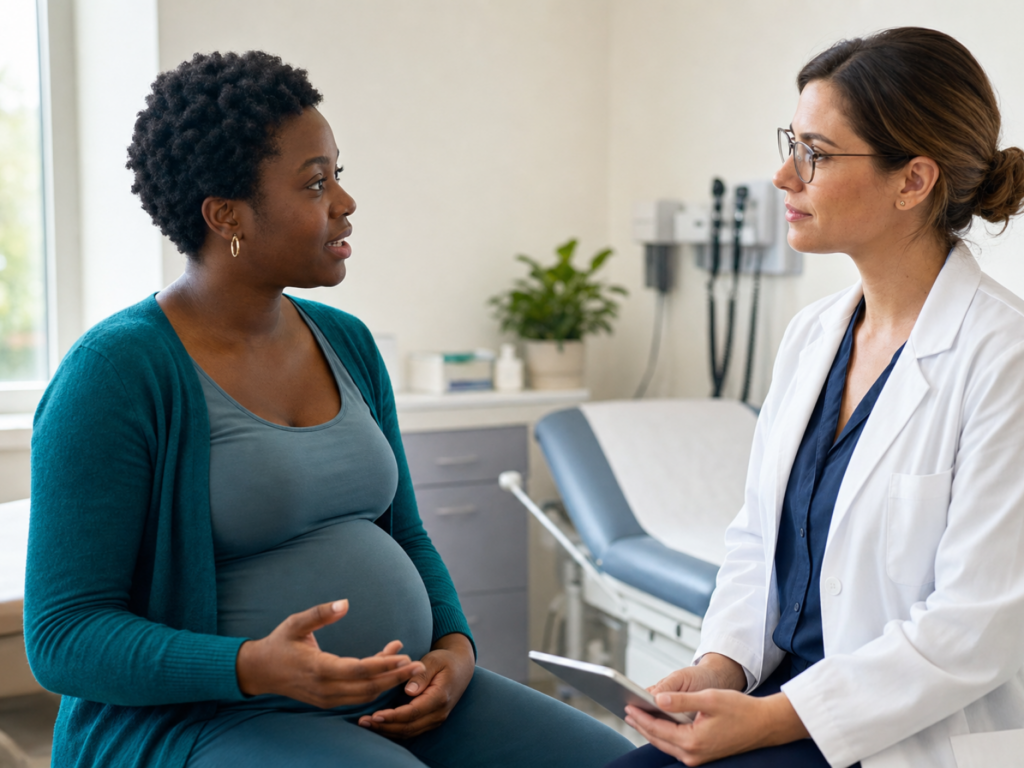
If pregnancy is confirmed or strongly suspected, arranging prenatal care helps establish dating, review medications and supplements, discuss medical history, and screen for risks. A clinician can advise on folic acid or prenatal vitamins, vaccination status, chronic disease management, safe exercise, nutrition, occupational exposures, and warning signs specific to your situation.
General supportive measures include prioritizing sleep, eating regular nourishing meals, staying hydrated, avoiding alcohol and smoking, limiting substances as advised by a clinician, and asking before starting new medicines or supplements. Early pregnancy can be demanding even when everything is progressing normally. Needing rest, reassurance, or practical help is not a personal failure; it is a reasonable response to major physiologic adaptation.
Seek urgent medical advice for these warning signs
- Heavy vaginal bleeding, passing clots, or bleeding with severe cramping.
- Severe or one-sided pelvic pain, shoulder-tip pain, fainting, or marked dizziness.
- Persistent vomiting, inability to keep fluids down, very dark urine, or signs of dehydration.
- Fever, painful urination, back pain, or suspected urinary tract infection.
- Chest pain, shortness of breath, severe headache, vision changes, or neurologic symptoms.
- Thoughts of self-harm, feeling unsafe, or severe anxiety or depression.
Tools & Assistance
- Home urine pregnancy test used according to package instructions
- Appointment with an obstetrician, midwife, family physician, or early pregnancy clinic
- Medication and supplement review with a pharmacist or prescribing clinician
- Symptom diary noting bleeding, pain, vomiting, urination, temperature, and test dates
- Urgent care, emergency department, or maternity triage for red-flag symptoms
FAQ
Can I be pregnant and have no early symptoms?
Yes. Some people have few or no early symptoms, especially in the first weeks. A pregnancy test and clinical follow-up are more reliable than symptoms alone.
When do early pregnancy body changes usually start?
Some changes can begin around the time of a missed period or shortly before it, while nausea and fatigue often become more noticeable during the first trimester. Timing varies widely.
Is light spotting always dangerous?
Not always; light spotting can occur early. However, heavy bleeding, severe pain, dizziness, fainting, or one-sided pelvic pain should be assessed urgently.
Why am I urinating more often so early?
Hormonal and kidney blood-flow changes can increase urine production early in pregnancy. Burning, fever, back pain, or blood in urine should be checked for possible infection.
Do strong symptoms mean the pregnancy is healthier?
Not necessarily. Symptom strength varies and does not reliably indicate pregnancy viability. Medical testing and prenatal assessment provide better information.
Sources
- Johns Hopkins Medicine — 10 Early Signs of Pregnancy
- Office on Women's Health, U.S. Department of Health and Human Services — Body changes and discomforts
- NHS — Pregnancy symptoms and early signs of pregnancy
Disclaimer
This article is for general educational information and does not replace individualized medical advice, diagnosis, or treatment. Contact a qualified healthcare professional for personal guidance, especially with pain, bleeding, severe vomiting, fainting, or other concerning symptoms.

















Please log in to leave a comment.