
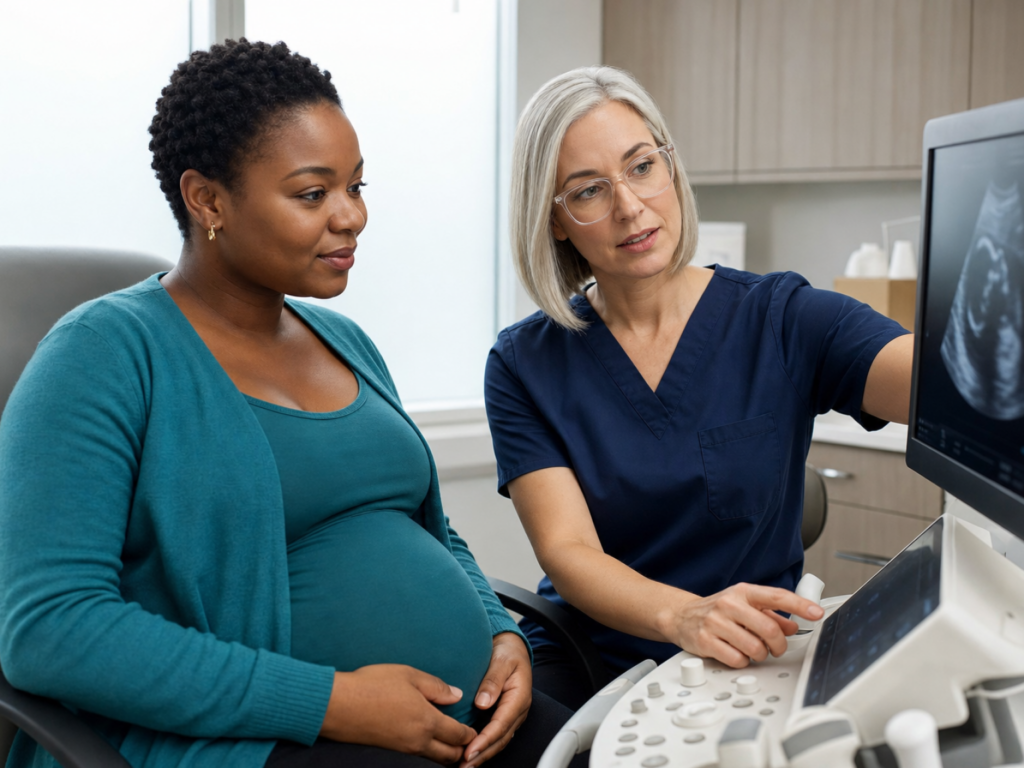
Intro
Bleeding in pregnancy is frightening, even when the amount is small. Many people immediately fear miscarriage or a serious obstetric complication, yet bleeding can also arise from benign cervical irritation, implantation, infection, or procedures such as a pelvic exam. The key point is that bleeding is a symptom, not a diagnosis, and its meaning depends strongly on gestational age, amount of bleeding, pain, ultrasound findings, vital signs, and risk factors.
This article reviews common causes of bleeding in the early first trimester and the second trimester, with an emphasis on practical medical caution. If you are pregnant and bleeding, contact your obstetrician, midwife, early pregnancy unit, or emergency service for individualized guidance, especially if bleeding is heavy, painful, recurrent, or accompanied by dizziness or shoulder pain.
Highlights
Light spotting in early pregnancy can occur for non-dangerous reasons, including implantation or cervical irritation, but it should still be discussed with a healthcare professional.
First-trimester bleeding can be related to pregnancy loss, ectopic pregnancy, infection, subchorionic hematoma, or gestational trophoblastic disease, among other causes.
Second-trimester bleeding raises concern for cervical change, placenta previa, placental abruption, preterm labor, infection, or cervical lesions such as polyps.
The amount of bleeding alone does not fully determine severity; pain, cramping, faintness, gestational age, and ultrasound findings are also important.
Urgent assessment is needed for heavy bleeding, severe abdominal or pelvic pain, syncope, shoulder-tip pain, fever, or signs of shock.
Why timing matters when bleeding occurs
Bleeding in pregnancy is usually approached by gestational age because the differential diagnosis changes as pregnancy progresses. In very early pregnancy, bleeding may be related to implantation, hormonal transition, cervical sensitivity, early pregnancy loss, or an ectopic pregnancy. In the later first trimester and second trimester, clinicians also consider placental location, cervical length or dilation, infection, and preterm labor physiology.
Healthcare professionals will typically ask about the first day of the last menstrual period, estimated gestational age, prior ultrasound results, blood type and Rh status, pain pattern, amount and color of bleeding, clots or tissue passage, recent intercourse or pelvic examination, fertility treatment, previous ectopic pregnancy, prior uterine surgery, and symptoms such as fever, dizziness, or shoulder pain. These details help determine whether assessment can occur in an outpatient setting or whether urgent evaluation is needed.
Color can provide clues but is not definitive. Brown discharge may reflect older blood, while bright red bleeding may be more recent. However, neither color reliably proves that the pregnancy is safe or unsafe. Similarly, spotting can occur in serious conditions, and heavy bleeding can occasionally occur from cervical sources. This is why medical triage is important.
Benign or less dangerous causes in early pregnancy
Some early bleeding is not caused by pregnancy failure. One commonly discussed cause is implantation bleeding, which may occur when the embryo embeds in the endometrium. It is usually light, brief, and not associated with progressive pain. However, because timing overlaps with an expected period, it can be difficult to distinguish from other causes without pregnancy testing and follow-up.
The cervix also becomes more vascular during pregnancy. This increased blood flow means that minor irritation can cause spotting after vaginal intercourse, a Pap test, pelvic examination, or transvaginal ultrasound. Cervical ectropion, in which glandular cells are visible on the outer cervix, may also bleed easily. These causes are often not dangerous to the pregnancy, but a clinician may still want to exclude infection, cervical lesions, or obstetric complications.
Common non-obstetric or cervical contributors include:
- Cervicitis, including sexually transmitted infections or bacterial imbalance.
- Cervical polyps, which are usually benign growths but may bleed on contact.
- Vaginal irritation, trauma, or inflammation.
- Urinary or gastrointestinal bleeding mistaken for vaginal bleeding.
If bleeding seems light and follows intercourse or an examination, it is still reasonable to call the pregnancy care team, especially if the bleeding persists, becomes red or heavy, or is accompanied by cramping.
Early pregnancy loss and threatened miscarriage
Miscarriage, also called early pregnancy loss, is a common cause of first-trimester bleeding. Bleeding may range from spotting to heavy bleeding with clots, and it may be accompanied by pelvic cramping, low back pain, or passage of tissue. Some pregnancies with early bleeding continue normally; this situation is sometimes called threatened miscarriage when the cervix remains closed and the pregnancy is still viable on assessment.
Early pregnancy loss can occur for many reasons, most commonly chromosomal abnormalities in the embryo. Other contributors may include uterine structural factors, endocrine conditions, certain infections, antiphospholipid syndrome, and maternal medical conditions, though many individual losses have no identifiable preventable cause. Importantly, routine daily activities, mild exercise, or emotional stress are not usually the cause of a miscarriage.
Evaluation may include serial human chorionic gonadotropin testing, pelvic ultrasound, clinical examination, and review of symptoms. Medical professionals may also discuss Rh testing and Rh immunoglobulin for Rh-negative patients depending on local protocols and gestational age. Because bleeding can be emotionally distressing regardless of outcome, compassionate follow-up matters as much as diagnostic clarity.
Ectopic pregnancy: a critical early cause not to miss
An ectopic pregnancy occurs when a pregnancy implants outside the uterine cavity, most commonly in a fallopian tube. It can cause bleeding, pelvic or abdominal pain, and sometimes shoulder-tip pain, dizziness, fainting, or signs of internal bleeding if rupture occurs. Ectopic pregnancy is potentially life-threatening and requires urgent medical assessment.
Risk factors include a previous ectopic pregnancy, prior tubal surgery, pelvic inflammatory disease, some fertility treatments, and pregnancy with an intrauterine device in place, although ectopic pregnancy can occur without recognized risk factors. Bleeding from ectopic pregnancy may be light or intermittent, which can make it deceptively reassuring. Pain may begin on one side but can become generalized.
Clinicians typically use quantitative hCG trends and transvaginal ultrasound to help determine whether a pregnancy is intrauterine, ectopic, or not yet visible. No one should try to self-diagnose an ectopic pregnancy based on symptoms alone. If bleeding is accompanied by significant one-sided pain, faintness, shoulder pain, or weakness, emergency evaluation is appropriate.
Subchorionic hematoma and bleeding around the gestational sac
A subchorionic hematoma, sometimes called a subchorionic hemorrhage, is a collection of blood between the chorion and the uterine wall. It is a relatively common ultrasound finding in people evaluated for first-trimester bleeding. The clinical significance varies depending on the size of the hematoma, gestational age, symptoms, and whether the pregnancy has normal growth and cardiac activity when expected.
Some subchorionic hematomas resolve without intervention, while others are associated with ongoing bleeding or a higher risk of pregnancy complications. Management is individualized and may involve observation, repeat ultrasound, and instructions about when to seek urgent care. People are sometimes advised to modify activity, but recommendations differ because evidence and clinical context vary.
Because the term can sound alarming, it helps to ask the clinician to explain the location, size, and follow-up plan. The ultrasound report alone may not provide enough context to understand the actual risk for a specific pregnancy.
Less common early causes: molar pregnancy and systemic factors
Gestational trophoblastic disease, including molar pregnancy, is an uncommon but important cause of early pregnancy bleeding. It occurs when placental tissue develops abnormally. Symptoms can include vaginal bleeding, unusually high hCG levels, severe nausea and vomiting, uterine size greater than expected, or characteristic ultrasound findings. Diagnosis and follow-up require specialist care because persistent trophoblastic disease can occur in some cases.
Systemic and medication-related factors may also influence bleeding. Anticoagulant therapy, inherited or acquired bleeding disorders, thrombocytopenia, liver disease, and some medical conditions can increase bleeding tendency. These do not necessarily explain all pregnancy bleeding, but they can affect severity and management. Anyone using blood thinners or known to have a bleeding disorder should contact their care team promptly if vaginal bleeding occurs.
Second-trimester bleeding: why it is taken seriously
Bleeding in the second trimester, generally weeks 13 to 27, is less likely to be dismissed as normal spotting and often requires timely evaluation. Some causes remain cervical or infectious, but clinicians become increasingly concerned about placental problems, cervical insufficiency, and preterm labor. The second trimester is also when painless cervical dilation may become clinically relevant.
Cervical insufficiency, sometimes called cervical incompetence, refers to painless cervical shortening or dilation that can lead to pregnancy loss or very preterm birth. It may present with pelvic pressure, increased discharge, spotting, or rupture of membranes, but it can also be detected on ultrasound before symptoms become obvious. A history of prior second-trimester loss, cervical surgery, or certain uterine factors may increase suspicion.
Second-trimester bleeding is also evaluated in relation to contractions, cramping, backache, pelvic pressure, fluid leakage, fetal movement when gestationally appropriate, and maternal vital signs. Even if bleeding stops, the underlying cause may still need assessment.
Placenta previa and low-lying placenta
Placenta previa occurs when the placenta covers all or part of the cervical opening. A low-lying placenta is close to, but not necessarily covering, the cervix. These conditions are often identified on ultrasound. Earlier in pregnancy, a low-lying placenta may move away from the cervix as the uterus grows, but persistent previa later in pregnancy can cause significant bleeding.
Bleeding from placenta previa is classically painless and bright red, although symptoms can vary. Because digital cervical examination may worsen bleeding if previa is present, clinicians usually rely on ultrasound to determine placental location before certain examinations. People with known placenta previa are commonly given specific instructions about when to seek care and may be advised to avoid activities that could provoke bleeding, depending on the situation.
Any second-trimester bleeding with a known low-lying placenta or placenta previa should be reported promptly. Heavy bleeding, recurrent bleeding, or symptoms of anemia or shock require urgent care.
Placental abruption and preterm labor
Placental abruption is premature separation of the placenta from the uterine wall. It can cause vaginal bleeding, abdominal or back pain, uterine tenderness, contractions, and sometimes decreased fetal movement later in pregnancy. In some cases, bleeding may be concealed behind the placenta, so the visible amount of blood may underestimate severity. Abruption is an obstetric emergency when significant.
Risk factors may include hypertension, prior abruption, abdominal trauma, smoking, cocaine use, certain thrombophilias, and premature rupture of membranes, though abruption can occur without obvious risk factors. Evaluation depends on gestational age and severity and may include maternal vital signs, fetal assessment when appropriate, ultrasound, laboratory testing, and hospital observation.
Preterm labor can also present with bleeding or bloody mucus, often with regular contractions, pelvic pressure, menstrual-like cramps, low backache, or change in vaginal discharge. In the second trimester, prompt evaluation may allow clinicians to assess cervical change, infection, membrane status, and fetal well-being.
What to do if bleeding happens
If you notice bleeding, try to stay as calm as possible and contact your maternity care provider, early pregnancy assessment unit, or emergency service. Use a pad rather than a tampon or menstrual cup so the amount can be estimated. Avoid intercourse until you have received individualized advice. If you pass tissue, some clinicians may ask you to bring it in a clean container, but do not delay urgent care to collect anything.
Helpful information to share includes:
- Gestational age and whether the pregnancy location has been confirmed by ultrasound.
- Bleeding amount, color, duration, and whether pads are being soaked.
- Presence of clots, tissue, fluid leakage, cramps, contractions, fever, dizziness, or shoulder pain.
- Recent intercourse, pelvic exam, ultrasound, trauma, or procedures.
- Blood type if known, especially whether you are Rh negative.
- Relevant history such as prior miscarriage, ectopic pregnancy, placenta previa, cervical procedure, or preterm birth.
Medical assessment may include pelvic or speculum examination, ultrasound, blood tests, urine testing, infection screening, and fetal assessment depending on gestational age. The right next step depends on the clinical picture; online information cannot safely replace real-time triage.
Seek urgent medical care now if
- Bleeding is heavy, you are soaking pads, or you pass large clots.
- You have severe abdominal, pelvic, shoulder-tip, or one-sided pain.
- You feel faint, dizzy, weak, short of breath, or have a racing heartbeat.
- Bleeding occurs with fever, chills, foul-smelling discharge, or severe tenderness.
- You have contractions, pelvic pressure, fluid leakage, or known placenta previa.
- You are unsure whether the pregnancy is inside the uterus and you have bleeding or pain.
Tools & Assistance
- Call your obstetrician, midwife, early pregnancy unit, or labor and delivery triage line.
- Use a sanitary pad to estimate bleeding amount and note timing, color, clots, and pain.
- Go to an emergency department for heavy bleeding, fainting, severe pain, or suspected ectopic pregnancy.
- Bring your medication list, blood type information if known, and prior ultrasound reports.
- Ask your clinician whether Rh testing or Rh immunoglobulin is relevant for you.
FAQ
Can light spotting in early pregnancy be normal?
Yes, light spotting can occur from implantation or cervical irritation, including after intercourse or a pelvic exam. However, because spotting can also occur with miscarriage or ectopic pregnancy, it is safest to inform a healthcare professional.
Does bleeding always mean miscarriage?
No. Many pregnancies with early bleeding continue normally, and bleeding can come from the cervix, infection, or other sources. A clinician may use ultrasound, examination, and blood tests to clarify what is happening.
Why is second-trimester bleeding more concerning?
Second-trimester bleeding can involve placental problems, cervical insufficiency, infection, or preterm labor. Some causes are urgent even if the bleeding is not heavy, so prompt medical advice is recommended.
Should I avoid sex after bleeding?
Avoiding intercourse until you have spoken with your healthcare provider is a cautious approach. Recommendations depend on the cause of bleeding, placental location, cervical findings, and your overall pregnancy history.
What tests might be done for bleeding in pregnancy?
Depending on gestational age and symptoms, evaluation may include ultrasound, hCG levels, complete blood count, blood type and Rh testing, speculum examination, infection testing, urine testing, and fetal assessment.
Sources
- American College of Obstetricians and Gynecologists — Bleeding During Pregnancy
- Cleveland Clinic — Bleeding & Spotting During Pregnancy
- PubMed — Overview of common obstetric bleeding disorders
Disclaimer
This article is for informational purposes only and does not diagnose, treat, or replace professional medical care. If you are pregnant and bleeding, contact a qualified healthcare professional or emergency service for individualized advice.















Please log in to leave a comment.