
Intro
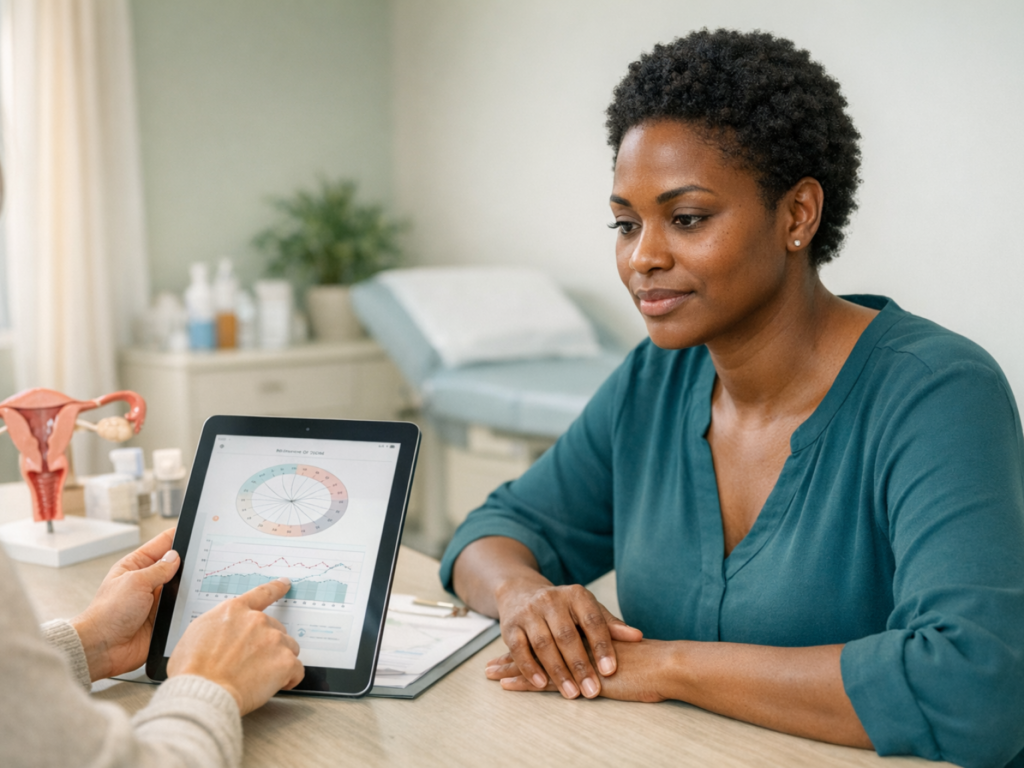
Female fertility is the capacity to ovulate, have an egg meet sperm, support fertilization and early embryo development, and establish a pregnancy in the uterus. Although it is often described as a single trait, fertility is better understood as a coordinated set of biological events influenced by age, hormones, anatomy, general health, sperm factors, timing, and chance.
Learning the basics can make the experience of trying to conceive feel less mysterious and less isolating. Still, fertility is personal: regular cycles do not guarantee pregnancy, irregular cycles do not always mean infertility, and one month without conception is not a failure. If you have concerns, a clinician can help interpret your individual context rather than relying on averages alone.
Highlights
Conception depends on ovulation, a viable egg, sperm quality, fallopian tube function, uterine receptivity, and well-timed intercourse or insemination.
The fertile window is short because sperm can survive for several days in fertile cervical mucus, while the egg is usually fertilizable for only about 12–24 hours after ovulation.
Age is one of the strongest influences on egg quantity and egg chromosomal quality, but it is not the only factor affecting fertility.
Lifestyle, medical conditions, medications, environmental exposures, and partner sperm health can all contribute to the overall probability of pregnancy.
Fertility statistics describe groups, not guarantees for an individual person or couple.
What fertility means biologically
Female fertility is not one organ or one hormone working alone. It reflects communication among the hypothalamus and pituitary gland in the brain, the ovaries, cervix, fallopian tubes, endometrium, immune signaling, metabolic health, and sperm from a partner or donor. A disruption at any point may reduce the probability of pregnancy, but many disruptions are treatable or manageable with medical guidance.
At a basic level, pregnancy requires several steps: development of a mature follicle in the ovary, ovulation of an egg, sperm reaching the fallopian tube, fertilization, transport of the embryo toward the uterus, and implantation into a receptive endometrium. Even when all of these appear normal, human reproduction is probabilistic rather than perfectly efficient.
This is why pregnancy probability is often discussed per cycle. In healthy younger couples having intercourse in the fertile window, the chance of pregnancy in any single cycle is meaningful but not close to 100%. The absence of pregnancy in one or a few cycles is common and does not automatically mean something is wrong.
The menstrual cycle: hormones, follicles, and ovulation
The menstrual cycle is usually counted from the first day of menstrual bleeding to the day before the next period. Cycle length varies among individuals and can also vary from month to month. A typical clinical teaching range is about 21–35 days in adults, but interpretation depends on age, symptoms, contraceptive history, and medical context.
In the early follicular phase, follicle-stimulating hormone, or FSH, supports the growth of ovarian follicles. Each follicle contains an immature egg. As a dominant follicle develops, it produces estradiol, which helps thicken the endometrium and contributes to changes in cervical mucus. High sustained estradiol triggers a surge of luteinizing hormone, or LH, which leads to ovulation.
Ovulation is the release of an egg from the ovary, usually occurring about 24–36 hours after the LH surge begins. After ovulation, the ruptured follicle becomes the corpus luteum, which produces progesterone. Progesterone stabilizes and matures the endometrium, raises basal body temperature slightly, and supports the early luteal phase. If pregnancy does not occur, progesterone and estradiol fall, and menstruation begins.
The luteal phase is often around 12–14 days, though variation exists. Very short luteal phases, prolonged cycles, unpredictable bleeding, or absent periods may warrant medical discussion, especially when trying to conceive.
The fertile window and why timing matters
The fertile window refers to the days in a menstrual cycle when intercourse or insemination can lead to pregnancy. It includes the several days before ovulation and the day of ovulation itself. This window exists because sperm may survive up to about five days in favorable cervical mucus, whereas the egg typically remains fertilizable for only about 12–24 hours after release.
The highest probability of conception generally occurs when sperm are already present in the reproductive tract before ovulation. For many people, this means intercourse every 1–2 days during the days leading up to ovulation is sufficient. Trying to pinpoint a single perfect moment can add stress and may not be necessary.
Signs that ovulation may be approaching can include slippery, clear, stretchy cervical mucus; a positive urine LH test; and, retrospectively, a sustained rise in basal body temperature. Fertility tracking can be helpful, but no home method confirms ovulation with absolute certainty in every cycle. Ultrasound monitoring and hormone testing can provide more precise information when clinically indicated.
It is also important to remember that app predictions based only on calendar averages can be inaccurate, particularly for people with irregular cycles, postpartum cycles, perimenopause, polycystic ovary syndrome, thyroid disorders, or recent hormonal contraceptive use.
Egg quantity, egg quality, and age
People with ovaries are born with a finite number of oocytes. This pool declines throughout life. Ovarian reserve refers broadly to the remaining quantity of eggs and is often estimated using markers such as anti-Müllerian hormone, antral follicle count on ultrasound, and sometimes FSH and estradiol. These tests can be useful, but they do not perfectly predict whether someone can conceive naturally in a specific month.
Egg quality is a different concept. It primarily refers to the egg’s capacity to mature, fertilize, divide normally, and contribute the correct chromosome number to an embryo. Age is strongly associated with declining egg quality because chromosomal segregation errors become more common over time. This contributes to lower pregnancy rates, higher miscarriage rates, and higher rates of chromosomal abnormalities with advancing reproductive age.
Fertility decline is gradual for many people in the early 30s and becomes more pronounced in the mid-to-late 30s and 40s, though individual variation is substantial. Age-related fertility information can feel emotionally loaded, especially for people who did not choose the timing of their life circumstances. Clinically, the goal is not to create fear; it is to support informed decisions, timely evaluation, and appropriate options.
Ovarian reserve tests, age, cycle pattern, reproductive history, and partner sperm health are best interpreted together by a qualified clinician. A normal result does not guarantee pregnancy, and an abnormal result does not automatically mean pregnancy is impossible.
Female health factors that can affect fertility
Many medical conditions can influence ovulation, tubal function, implantation, or the ability to carry a pregnancy. Some are obvious because they cause pain or irregular bleeding; others are silent until a person has difficulty conceiving.
- Ovulatory disorders: Polycystic ovary syndrome, hypothalamic amenorrhea, thyroid disease, hyperprolactinemia, premature ovarian insufficiency, and significant weight or exercise changes can interfere with regular ovulation.
- Tubal and pelvic factors: Prior pelvic inflammatory disease, chlamydia or gonorrhea, endometriosis, pelvic surgery, appendicitis complications, or ectopic pregnancy can damage or block fallopian tubes.
- Uterine and endometrial factors: Fibroids that distort the uterine cavity, endometrial polyps, intrauterine adhesions, congenital uterine differences, and chronic endometritis may affect implantation or pregnancy maintenance.
- Endometriosis: Endometriosis can affect fertility through inflammation, adhesions, ovarian endometriomas, altered pelvic anatomy, and possible effects on egg and embryo environment.
- Chronic medical conditions: Diabetes, autoimmune disease, kidney disease, inflammatory bowel disease, celiac disease, and severe anemia can influence reproductive health, especially if not well controlled.
Medications and past treatments can also matter. Chemotherapy, pelvic radiation, some immunosuppressants, and certain endocrine medications may affect ovarian function or pregnancy safety. Never stop prescribed medication solely because you are trying to conceive; instead, ask a clinician about preconception planning and safer alternatives if needed.
Partner and sperm factors are part of the picture
Fertility is often framed as a female issue, but conception requires functional sperm unless donor sperm is used. Male or sperm-related factors contribute to a substantial proportion of infertility evaluations, either alone or in combination with female factors.
Semen parameters include sperm concentration, motility, morphology, volume, and sometimes DNA fragmentation or other specialized measures. These can be affected by varicocele, hormonal disorders, genetic conditions, heat exposure, infections, medications, anabolic steroid use, tobacco, cannabis, alcohol, obesity, and systemic illness.
A semen analysis is relatively noninvasive and can provide important information early in an evaluation. When pregnancy is not occurring as expected, testing only the person who plans to carry the pregnancy may delay useful answers.
Lifestyle, environment, and overall health
Lifestyle does not override age or anatomy, and people should not be blamed for fertility challenges. Still, general health can influence reproductive hormones, egg and sperm environment, ovulation regularity, pregnancy risks, and treatment outcomes.
- Nutrition and body weight: Both undernutrition and significant excess adiposity can affect ovulation and metabolic health. A balanced dietary pattern with adequate folate, iron, iodine, vitamin D when needed, and omega-3 sources may support preconception health.
- Smoking and vaping: Tobacco exposure is associated with reduced fertility, earlier menopause, pregnancy complications, and sperm effects. Quitting support can be medically valuable.
- Alcohol and substances: Heavy alcohol use and some recreational drugs can impair fertility and early pregnancy health. If pregnancy is possible, discuss safe limits with a clinician.
- Sleep and stress: Stress alone is rarely the sole explanation for infertility, but chronic sleep deprivation and severe stress can affect sexual frequency, endocrine function, and coping capacity.
- Environmental exposures: Certain pesticides, solvents, endocrine-disrupting chemicals, heavy metals, and workplace exposures may affect reproductive health. Risk varies by dose, duration, and context.
Practical steps may include taking a prenatal vitamin with folic acid before conception, updating vaccines, reviewing medications, treating sexually transmitted infections, optimizing chronic conditions, and seeking help for smoking cessation or substance use when relevant.
When to seek a fertility evaluation
Many clinicians recommend evaluation after 12 months of regular unprotected intercourse if the person trying to conceive is under 35, and after 6 months if age 35 or older. For age 40 or older, earlier consultation is often appropriate. These timelines are general guidance, not rigid rules.
It is reasonable to seek care sooner if there are irregular or absent periods, known endometriosis, prior pelvic inflammatory disease, recurrent miscarriage, known uterine or tubal disease, history of chemotherapy or pelvic radiation, suspected premature ovarian insufficiency, or a partner with known sperm concerns. Severe pelvic pain, very heavy bleeding, or signs of infection should be assessed promptly.
A fertility evaluation may include cycle history, ovulation assessment, ovarian reserve testing, pelvic ultrasound, tubal patency testing, uterine cavity assessment, thyroid and prolactin testing when indicated, and semen analysis. The right sequence depends on age, history, duration of trying, and personal goals.
Fertility care can be emotionally intense. If you feel grief, anxiety, envy, or frustration, those reactions are valid. Support from a reproductive endocrinologist, obstetrician-gynecologist, primary care clinician, mental health professional, or fertility counselor can help you make decisions with both medical clarity and emotional support.
Seek medical advice promptly if
- You have no periods, very irregular cycles, or sudden cycle changes while trying to conceive.
- You have severe pelvic pain, fever, foul discharge, or possible pelvic infection.
- You have a history of ectopic pregnancy, pelvic inflammatory disease, endometriosis, or tubal surgery.
- You are 35 or older and have not conceived after 6 months of trying, or 40 or older and planning pregnancy.
- You have had two or more pregnancy losses or known medical conditions that may affect pregnancy safety.
Tools & Assistance
- Preconception visit with an obstetrician-gynecologist, reproductive endocrinologist, or primary care clinician
- Ovulation predictor kits or monitored cycle tracking when appropriate
- Semen analysis for the male partner or sperm source
- Medication and supplement review before conception
- Mental health or fertility counseling support during prolonged trying
FAQ
Does having regular periods mean I am definitely ovulating?
Regular cycles often suggest ovulation, but they do not prove it in every case. If pregnancy is not occurring or symptoms are unusual, a clinician may use progesterone testing, ultrasound, or other assessment.
How often should we have intercourse when trying to conceive?
For many couples, every 1–2 days during the fertile window is enough. Timing sperm exposure in the days before ovulation is usually more useful than waiting for the exact day of ovulation.
Can fertility tracking apps accurately predict ovulation?
Apps can estimate fertile days, but calendar-only predictions may be wrong, especially with irregular cycles. Cervical mucus observations, LH tests, and clinical monitoring can improve accuracy.
Is infertility usually caused by the female partner?
No. Fertility is a couple-level or sperm-and-egg-level issue. Sperm factors, female factors, combined factors, and unexplained infertility are all common categories.
Do ovarian reserve tests tell me whether I can get pregnant naturally?
They provide useful information about egg quantity and possible response to fertility treatment, but they do not perfectly predict natural conception in a specific cycle. Age and clinical history remain essential.
Sources
- American College of Obstetricians and Gynecologists — Female Age-Related Fertility Decline
- American Society for Reproductive Medicine — Optimizing Natural Fertility: A Committee Opinion
- World Health Organization — Infertility
- American College of Obstetricians and Gynecologists — Evaluating Infertility
Disclaimer
This article is for general educational purposes only and is not a diagnosis or treatment plan. Consult a qualified healthcare professional for personalized fertility, medication, and pregnancy advice.














Please log in to leave a comment.