
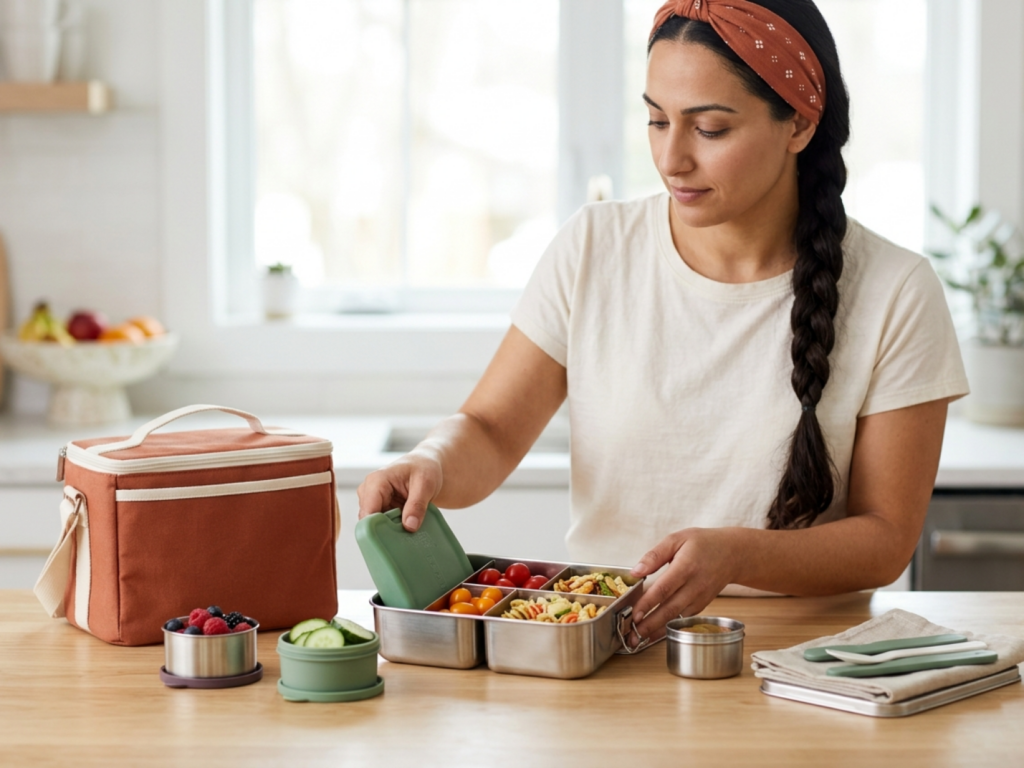
Intro
Choosing a school lunch box is a small decision that gets tested every day: in a crowded backpack, on a cafeteria table, during rushed cleaning, and sometimes after being dropped on the floor. A durable container can reduce leaks, food waste, replacement costs, and daily stress for both children and caregivers.
For medically literate families, durability is not only about hinges and seals. It also intersects with food-contact safety, microbial hygiene, allergy management, temperature control, fine motor independence, and sensory comfort. The best choice is usually the safest container your child can open, close, carry, and clean reliably within the realities of your school day.
Highlights
Durable lunch containers should survive daily handling while remaining easy for a child to open, close, and clean.
Material choice matters: stainless steel, glass, silicone, and selected plastics each have strengths and limitations for school use.
Leak resistance, thermal performance, and dishwasher-safe design often matter more than brand claims or decorative features.
Children with allergies, feeding differences, sensory sensitivities, or motor delays may need more individualized container choices.
Start with the child, not the product
A lunch box works only if it fits the child’s real school day. Before comparing materials, consider your child’s age, hand strength, attention span, cafeteria time, bus or walking commute, and school storage conditions. A preschooler may need a simple latch and visual food compartments, while an older child may prioritize compact size, discreet design, or enough capacity for sports practice after school.
Durability also includes behavioral durability: can the container tolerate being opened repeatedly, dropped, overfilled, or stuffed into a backpack beside books? If the answer is no, even a premium item may fail quickly. For younger children, practice at home with water or dry snacks. Watch whether they can open the lid without spilling, reseal it correctly, and recognize when a gasket is not seated. This is especially helpful for children with fine motor delay, developmental coordination disorder, hypermobility, or fatigue related to chronic illness.
Sensory comfort matters, too. Some children dislike metal-on-metal sounds, silicone odors, tight latches, or mixed foods touching. These preferences are not trivial if they reduce intake during the school day. For a child with avoidant/restrictive food intake patterns, autism-related sensory differences, or anxiety around eating, a predictable container may support adequate nutrition. Families who are already using sensory sensitivities in school supplies as part of school planning may find it useful to treat lunch gear as part of the same accommodation conversation.
The most durable setup is usually the one your child can use consistently. A sturdy container that comes home unopened is not a success. Aim for a balance of mechanical strength, safe materials, food appeal, and child-centered school product choices.
Compare materials with durability and food-contact safety in mind
Stainless steel is often one of the strongest school-lunch materials. It resists cracking, generally does not retain odors, and can last for years if hinges and latches are well made. It is a strong choice for sandwiches, cut fruit, crackers, and many dry or moist foods. Its limitations are that it is not microwave-safe, may dent, and may not be fully leakproof unless paired with a silicone gasket. Some children also find metal containers noisy or heavy.
Glass is chemically stable and resists staining, but it is usually less practical for younger children because it can break and may be heavier. Some schools restrict glass for safety reasons. If allowed, glass with a protective sleeve can work for older students who are careful and need microwave reheating, but it is not usually the first-line school option for early elementary children.
Plastic containers vary widely. Some are lightweight, inexpensive, and easy to open, but lower-quality plastics can crack, warp, stain, or retain odors. If choosing plastic, look for clear labeling about food-contact use, dishwasher safety, and temperature limits. Avoid using worn, scratched, cloudy, or heat-damaged plastic for repeated food storage, because damaged surfaces are harder to clean and may degrade further. Families often prefer plastics labeled free of bisphenol A, while also recognizing that "BPA-free" does not automatically mean every alternative chemistry is ideal.
Silicone is flexible, useful for lids, seals, snack cups, and dividers. High-quality food-grade silicone can be durable, but thin or poorly fitted silicone lids may stretch, absorb odors, or pop off in a backpack. Removable silicone gaskets are helpful only if caregivers can clean and reinstall them correctly.
Coated products and disposable packaging may look convenient, but they are not always the most durable or reassuring for repeated food contact. Practical environmental-health guidance commonly favors reusable stainless steel, glass where appropriate, and carefully selected long-lasting containers over single-use wrappers or questionable coatings.
Prioritize leak resistance, hinges, seals, and real-world construction
Most lunch-box failures happen at the stress points: lid corners, hinges, clips, seams, gaskets, and removable dividers. When possible, inspect these parts before buying. A latch should close firmly without requiring excessive force. A hinge should not wobble. A gasket should sit evenly in its channel and be removable enough for cleaning without falling out every time the lid is opened.
Leak resistance is not the same as being spill-proof under all conditions. Many bento boxes are designed for damp foods such as fruit, cheese, or pasta, but not for thin liquids like soup, yogurt drinks, or salad dressing. If a manufacturer distinguishes between leak-resistant and leakproof, take that wording seriously. Test at home with water before sending sauces or yogurt to school. Place the container in different orientations for 10 to 15 minutes, then check the backpack-like outer bag.
Bento-style boxes can be durable and practical because they reduce the number of small containers that get lost. They also help with portion visibility and food separation. However, their dividers must seal well if you pack wet foods next to dry foods. A bento with many tiny crevices may be harder to clean than a simpler box.
Insulated jars and lunch bags require a different durability check. Look for a wide mouth, a cap your child can open, a smooth interior, and a seal that tolerates repeated washing. Vacuum-insulated containers can dent; a dent does not always ruin function, but damage near the lid or rim can impair sealing.
A weekly school supply organization system can prevent small problems from becoming failures. During a quick clean-out, check for missing gaskets, mold in seams, cracked corners, and latch fatigue. Replace damaged components when possible rather than replacing the entire set.
Keep hygiene and food safety simple but rigorous
Food containers can look clean while harboring residue in gaskets, corners, straw parts, or textured surfaces. From a microbiology standpoint, durability is partly about cleanability. Smooth surfaces, fewer seams, dishwasher-safe parts, and removable gaskets reduce the risk of persistent food residue and biofilm formation. Biofilm is a structured community of microorganisms that can adhere to surfaces and become harder to remove if cleaning is inconsistent.
For routine care, wash containers with hot soapy water or use the dishwasher if the manufacturer confirms dishwasher safety. Fully dry before storing with the lid on; trapped moisture encourages odor and microbial growth. If a container smells sour, has visible mold, or contains a gasket that cannot be cleaned adequately, it should not be used until properly cleaned, and sometimes replacement is the safer choice.
Temperature control is also part of food safety. Perishable foods such as meat, poultry, fish, eggs, dairy, cooked grains, and cut fruit should be kept cold with an insulated lunch bag and ice pack when refrigeration is not available. Hot foods require a preheated insulated jar and safe handling; the food should be heated thoroughly before packing, but caregivers should follow school rules and age-appropriate burn precautions.
For children with immune compromise, complex medical needs, or a history of significant gastrointestinal illness, ask the child’s clinician or dietitian for more specific food-storage guidance. General lunch-packing advice may not be conservative enough for every medical situation.
Plan for allergies, cross-contact, and school health policies
For children with food allergy, celiac disease, eosinophilic esophagitis, or medically necessary dietary restrictions, the container is part of risk reduction. It cannot replace an allergy action plan or school medication rules, but it can reduce confusion and cross-contact. Dedicated containers for allergen-safe foods may be useful, especially if multiple children share a kitchen. Color-coding can help, but labels should comply with school privacy preferences and the child’s developmental readiness.
Cross-contact can occur when residue from an allergen remains on a surface, sponge, cutting board, or gasket. Containers with complex seals and deep crevices may be harder to clean thoroughly. Stainless steel and glass usually resist staining and odor better than many plastics, but any material can become unsafe if food residue remains.
If a child has a history of anaphylaxis, families should coordinate with the school nurse or administrator about storage, lunchroom procedures, epinephrine access, and field-trip meals. A written allergy action plan is more important than any single container choice. For celiac disease, discuss whether the child needs separate preparation surfaces at home and how school meals, classroom snacks, and shared utensils will be managed.
Do not rely on packaging claims alone, such as "non-toxic" or "eco-friendly," to manage medical risk. These phrases are not a substitute for ingredient review, allergen protocols, or clinician guidance when dietary exposure could cause harm.
Match container style to foods and school routines
A durable lunch system usually includes a primary lunch box, one or two small containers, a water bottle, and an insulated bag if perishables are packed. Keeping the system simple reduces lost pieces and morning decision fatigue.
For sandwiches, wraps, dry snacks, and fruit, stainless steel or a sturdy bento-style box works well. For yogurt, applesauce, dips, and dressings, use a truly leakproof small container with a gasketed lid. For hot soups, stews, or pasta, choose a vacuum-insulated jar with a wide opening. For salads or grain bowls, a larger container with a separate dressing cup helps prevent sogginess.
Think about the cafeteria environment. Some children have only 15 to 20 minutes to sit, open, eat, socialize, and clean up. A complicated stack of containers may look appealing at home but reduce actual intake at school. Younger children often do better with one open-and-eat container plus a drink. Older children may manage modular containers if they value food variety.
Backpack fit also matters. A container that must be carried sideways is more likely to leak. Check whether the lunch box fits upright in the backpack or lunch bag. This overlaps with backpack fit for children because oversized lunch systems add bulk and weight. If the container makes the backpack hard to close or shifts weight away from the child’s back, reconsider the size.
Balance sustainability, cost, and replacement reality
The most sustainable lunch container is not always the most expensive one; it is the one that is safe, used often, cleaned well, and not replaced every few months. Stainless steel may cost more initially but can be economical over time if it prevents repeated purchases of cracked plastic boxes or disposable bags.
A practical approach is to buy fewer, better pieces. One durable main box, two leakproof small cups, and a reliable insulated bag may outperform a large set with many lids that disappear. If cost is a barrier, prioritize the item that solves the biggest problem first, such as leaks, temperature control, or a child’s inability to open the lid.
Secondhand containers can be reasonable if they are intact, clean, and free of persistent odors, cracks, rust, or damaged seals. Avoid used containers with unknown coatings that are peeling or scratched. Replace parts when manufacturers sell gaskets, lids, or clips separately. This reduces waste and can extend the useful life of the product.
Sustainable school supplies should still be clinically sensible. For example, a reusable cloth wrap may reduce waste but may not be adequate for wet foods or allergen control unless laundering is reliable. A glass container may be environmentally appealing but inappropriate if the school prohibits breakable items. Durability includes the whole context: child, food, school policy, health needs, cleaning capacity, and budget.
A practical buying checklist for families
Before buying, ask whether the container is easy for your child to open, closes securely, fits the lunch bag, and matches the foods you actually pack. Confirm whether it is dishwasher-safe, freezer-safe, or microwave-safe if those features matter. Check whether replacement parts are available and whether the manufacturer gives clear cleaning instructions.
At home, run three tests. First, the independence test: have your child open, eat from, and close the container without coaching. Second, the leak test: put water or a similar liquid in the relevant compartment and rotate the container. Third, the cleaning test: wash and dry it, then inspect gaskets, corners, and lid channels for trapped moisture or residue.
For children with disabilities or medical needs, involve the people who understand the daily routine. An occupational therapist may help identify latch styles that support fine motor endurance. A dietitian can suggest container sizes that fit nutrition goals without pressuring the child. A school nurse can clarify medication, allergy, refrigeration, or heating rules.
Finally, expect some trial and error. Children grow, preferences change, and a lunch setup that works in September may need adjustment by winter. A supportive, nonjudgmental approach helps children build independence while keeping safety and durability at the center.
Safety cautions
- Do not send glass containers unless the school permits them and your child can handle them safely.
- Replace containers with cracks, damaged seals, persistent mold, rust, or peeling coatings.
- Do not assume a bento box is leakproof for liquids unless it has been tested for that use.
- For serious food allergy, celiac disease, immune compromise, or complex feeding needs, coordinate lunch plans with healthcare professionals and the school.
- Follow safe temperature-control practices for perishable foods; an insulated bag without an ice pack may not be enough.
Tools & Assistance
- Create a home leak-test station with water, a towel, and the lunch bag your child actually uses.
- Keep a weekly checklist for gaskets, latches, odors, cracks, and missing pieces.
- Ask the school nurse about refrigeration, reheating, allergy procedures, and field-trip meal rules.
- Consult an occupational therapist if your child struggles to open containers or tires during lunch.
- Use a simple rotation of two complete lunch systems to allow full drying between uses.
FAQ
Is stainless steel always the best lunch-box material for children?
Not always. Stainless steel is durable and odor-resistant, but it is not microwave-safe and may be heavier or noisier. The best choice depends on your child’s needs, school rules, and food types.
How can I tell whether a lunch box is truly leakproof?
Test it at home with water before using it for yogurt, soup, dressing, or sauces. Rotate it and leave it on its side in a lunch bag for several minutes, then check for moisture.
Are plastic containers unsafe for school lunches?
Not necessarily. Choose food-contact containers with clear care instructions, avoid heating plastics unless labeled safe for that use, and replace items that are scratched, warped, cloudy, cracked, or odor-retaining.
What should I choose for a child with food allergies?
Use easy-to-clean containers, consider dedicated allergen-safe items, and coordinate with the school. For any child at risk of anaphylaxis, a written allergy action plan and medication access are essential.
How many lunch containers does a family really need?
Many families do well with two durable main containers, a few small leakproof cups, and one or two insulated bags. Fewer reliable pieces are often easier to manage than large sets with many lids.
Sources
- The New York Times Wirecutter — The 9 Best Kids Lunch Boxes of 2026 | Reviews by Wirecutter
- Center for Environmental Health — Non-Toxic School Lunch Packing Essentials
- Defend Our Health — Back to School: Packing lunches
Disclaimer
This article is for general educational purposes only and does not replace medical, nutritional, or allergy care. Consult your child’s healthcare professional for individualized guidance, especially for allergies, immune compromise, feeding disorders, or chronic medical conditions.














Please log in to leave a comment.