
Intro
A C-section, or caesarean section, is a surgical birth in which a baby is delivered through incisions in the abdomen and uterus. For some families it is arranged in advance; for others it becomes necessary during labor when circumstances change. Both can be safe, life-preserving choices when performed for the right clinical reasons.
Understanding the differences between planned and emergency C-section can reduce fear and support more confident conversations with an obstetrician, midwife, anesthetist, or maternal-fetal medicine specialist. The aim is not to label one birth as better than another, but to clarify timing, indications, preparation, anesthesia, risks, recovery, and emotional impact.
Highlights
A planned C-section is scheduled before labor, usually because a known maternal, fetal, or placental factor makes vaginal birth less safe or less appropriate.
An emergency C-section is performed when unexpected complications mean that continuing labor or vaginal birth may be unsafe for the pregnant person, the baby, or both.
Not every unplanned C-section is an immediate crisis; some are urgent but allow time for discussion, while true emergencies require very rapid action.
Emergency caesarean birth generally carries higher complication risk than planned caesarean birth, partly because it occurs after labor complications or fetal compromise have developed.
Preparation, communication, and a flexible birth plan can help families feel more supported even if the birth route changes unexpectedly.
What the terms mean
A planned C-section, sometimes called an elective caesarean, is arranged before labor begins. In everyday language, “elective” can sound optional or non-medical, but in obstetrics it often means scheduled rather than sudden. The reason may be strongly medical, such as placenta previa, certain fetal presentations, multiple pregnancy complications, or previous uterine surgery. The defining feature is that the team has identified the issue in advance and can choose a date, plan staffing, and prepare the patient.
An emergency C-section is different because the need arises unexpectedly, often during labor. The NHS describes emergency caesarean birth as one performed when complications develop and is no longer considered safe. Examples include concerning fetal heart rate patterns, heavy bleeding, cord prolapse, or labor that has stopped progressing in a way that creates risk.
There is also an important middle category: an unplanned C-section. This may occur after labor has begun, but it is not always a seconds-to-minutes emergency. For example, stalled labor after many hours, failure of induction, or a baby not descending despite adequate contractions may lead to a decision for surgery with time for explanation, regional anesthesia, and questions. In contrast, a true emergency C-section may require action within minutes.
Why a planned C-section may be recommended
A planned C-section before labor is usually considered when the anticipated risks of vaginal birth outweigh the risks of surgery. Common reasons include placenta previa, where the placenta covers or is very near the cervix; some cases of breech or transverse lie; selected twin or higher-order multiple pregnancies; previous classical uterine incision; or medical conditions in which avoiding labor may be safer. Sometimes a planned cesarean is recommended after a prior cesarean when a trial of labor is not advised, although many people with a previous low-transverse incision may be candidates for vaginal birth after cesarean depending on their individual history.
Planning allows time for shared decision-making for delivery route. The clinician can review the reason for surgery, alternatives if any, expected benefits, surgical risks, anesthesia options, blood-loss precautions, newborn care, and recovery needs. If the pregnancy is otherwise stable, planned caesarean is often scheduled around 39 weeks to reduce the chance of neonatal breathing problems associated with earlier birth, although timing may be earlier when medical conditions require it.
Planned surgery can also support practical preparation. The patient may receive preoperative instructions about fasting, medications, skin preparation, venous thromboembolism risk assessment, and arrival time. The birth partner can usually be briefed. Preferences such as immediate skin-to-skin contact, delayed cord clamping when appropriate, music, photos, or family-centered cesarean practices may be discussed in advance.
Why an emergency C-section may become necessary
An emergency C-section is recommended when continuing labor or attempting vaginal birth is judged to pose unacceptable risk. The speed of response depends on the severity of the situation. A nonreassuring fetal heart rate pattern may suggest that the baby is not tolerating labor well. Cord prolapse, where the umbilical cord slips below the presenting part and can be compressed, is a time-critical emergency. Placental abruption, in which the placenta separates from the uterine wall before birth, may cause bleeding and fetal compromise and can also require rapid delivery.
Other emergency or urgent reasons include uterine rupture, severe maternal deterioration, obstructed labor, or sudden worsening of pre-eclampsia. Some C-sections occur after a long labor because the cervix stops dilating, the baby does not descend, or attempts at assisted vaginal birth are not suitable or unsuccessful. These cases may feel urgent and emotionally intense, even if the team has enough time to explain the situation and use regional anesthesia.
Health systems often classify emergency caesareans by urgency. In the most time-critical category, the aim is immediate delivery because there is a direct threat to maternal or fetal life. In less urgent categories, the baby still needs to be born by cesarean, but the team can take more time for preparation. Families may hear staff speaking quickly, see additional personnel enter the room, or be moved rapidly to theatre. This urgency can be frightening, but it reflects a coordinated safety response rather than a loss of control.
Differences in preparation, anesthesia, and the operating room
Preparation is one of the clearest differences. With a planned C-section, preoperative checks are usually completed before surgery: consent, blood tests, anesthetic review, intravenous access, fetal assessment, and discussion of postoperative pain control. The atmosphere may feel calm and structured. The patient may walk into theatre, meet the team, and have time for final questions.
Emergency surgery compresses that preparation. The team still aims to obtain informed consent whenever possible, but explanations may be shorter because time matters. IV access, blood tests, bladder catheter placement, antibiotics, antacid medication, and fetal monitoring may happen rapidly or simultaneously. If the patient already has an epidural in labor, it may be topped up for surgery. If there is no working epidural and the situation allows, spinal anesthesia may be used. lets the patient remain awake while the lower body is numb.
General anesthesia is less common but may be needed if there is extreme urgency, inadequate regional block, significant bleeding, or a contraindication to spinal or epidural anesthesia. Under general anesthesia, the patient is asleep and the birth partner may not be allowed in the operating room, depending on local policy. This can be emotionally difficult, so postoperative explanation and debriefing are especially important.
The surgical steps are broadly similar in planned and emergency caesarean birth: abdominal incision, uterine incision, delivery of the baby and placenta, closure, and recovery monitoring. However, emergency surgery may occur after labor, ruptured membranes, infection risk, fetal distress, or maternal exhaustion, all of which can influence complexity and recovery.
Risks and recovery: how the context changes outcomes
All cesarean deliveries are major abdominal operations. Potential risks include bleeding, infection, injury to nearby organs, reactions to anesthesia, blood clots, postoperative pain, and implications for future pregnancies. Most people recover well, but recovery usually requires several weeks of wound healing, gradual return to activity, and attention to pain control, mobility, bowel function, breastfeeding or chestfeeding support, and emotional wellbeing.
Emergency caesarean birth generally carries higher risks than planned caesarean birth. Scientific reviews have reported higher rates of infection and some serious obstetric complications in emergency caesareans compared with planned ones. This does not mean the emergency surgery was the wrong decision; rather, it often reflects the underlying problem that made delivery urgent, such as prolonged labor, ruptured membranes, bleeding, fetal compromise, or maternal illness.
Planned surgery may reduce some uncertainties because it occurs before labor-related complications develop. There is usually more time for antibiotic timing, thrombosis risk planning, availability of senior staff if needed, and neonatal team preparation. However, planned caesarean also has its own considerations. Babies born by pre-labor cesarean may have a higher chance of transient breathing difficulties than babies born after labor, especially if birth occurs before 39 weeks without a compelling medical indication.
Future pregnancy counseling is important after any cesarean. A uterine scar can affect later decisions about trial of labor after cesarean, repeat cesarean timing, placental implantation, and rare risks such as placenta accreta spectrum or uterine rupture. The individual risk depends on incision type, number of previous cesareans, placental location, surgical history, and other factors. Personalized counseling with an obstetric clinician is essential.
Emotional experience, consent, and communication
The emotional difference between planned and emergency C-section can be profound. A planned operation may bring disappointment for someone who hoped for vaginal birth, but it also allows mental preparation. An emergency C-section may involve fear, urgency, loss of privacy, separation from a partner, or feeling that events moved faster than understanding. These reactions are valid. A safe birth can still be a difficult birth.
Good communication helps. In planned care, patients can ask why the cesarean is recommended, whether any alternatives exist, what would happen if labor starts first, and what recovery support will be available. In an emergency, the care team should explain the concern, the recommended action, the degree of urgency, and what to expect next as clearly as circumstances allow. Even a brief statement such as “your baby’s heart rate is concerning and we recommend cesarean now” can help orient the patient.
After an unplanned or emergency birth, many people benefit from a debrief. This may involve reviewing the labor timeline, fetal monitoring findings, medications, anesthesia, surgical details, blood loss, newborn condition, and future pregnancy implications. Debriefing is not about blaming anyone; it is about making sense of what happened. If intrusive memories, panic, guilt, numbness, sleep disruption, or persistent sadness occur, professional mental health support is appropriate.
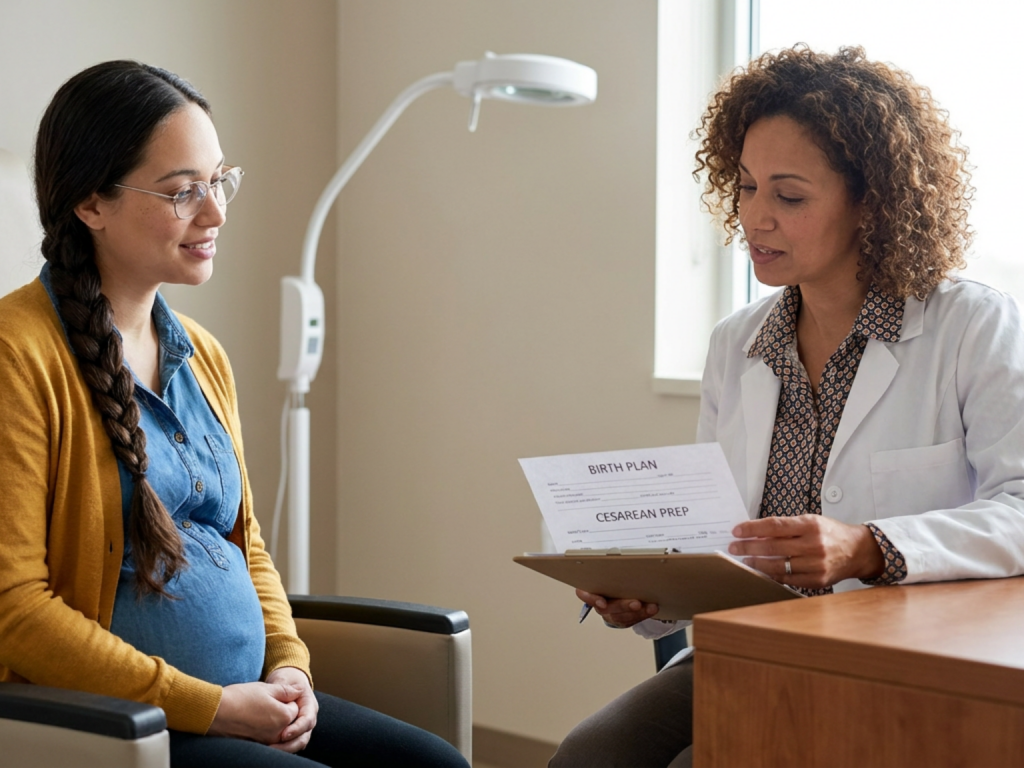
Birth plans can still be useful, but they work best when flexible. Consider including preferences for cesarean delivery as well as vaginal birth: who should be present, whether you want narration during surgery, skin-to-skin if safe, feeding preferences, photos, and how information should be shared if rapid decisions are needed.
Questions to discuss before birth
Even if a is planned, asking about cesarean scenarios can make the possibility less overwhelming. This is not pessimistic; it is preparation. A medically literate conversation might include:
- What are my personal risk factors for needing a ?
- If a planned cesarean is recommended, what is the exact indication and what alternatives exist?
- How does this hospital distinguish unplanned, urgent, and emergency caesarean birth?
- What anesthesia options are most likely in my situation?
- Can my partner or support person be present if surgery is needed?
- What family-centered practices are available if the baby and I are stable?
- How will pain control, wound care, mobility, and blood-clot prevention be managed after birth?
- What does this cesarean mean for future pregnancies?
If a planned cesarean is already scheduled, ask what to do if contractions, ruptured membranes, bleeding, reduced fetal movements, fever, or severe pain occur before the date. If labor is planned, ask when the team would recommend moving from labor support to cesarean delivery. Knowing the decision points can make unexpected changes feel less sudden.
Ultimately, both planned and emergency C-section are tools in modern obstetric care. The safest choice depends on the clinical picture at that moment. Compassionate care means combining evidence, surgical skill, patient values, and clear communication, especially when plans change quickly.
When to seek urgent medical help
- Call your maternity unit or emergency services immediately for heavy vaginal bleeding, severe abdominal pain, or fainting.
- Seek urgent advice for reduced or absent fetal movements, especially if movement pattern changes suddenly.
- During labor, urgent concerns include cord visible at the vagina, sudden severe pain, or a persistent abnormal fetal heart rate communicated by staff.
- After a C-section, get medical help for fever, worsening wound redness, foul discharge, chest pain, shortness of breath, or one-sided leg swelling.
- Do not delay care because a birth plan or cesarean date is already arranged; symptoms can change the safest timing.
Tools & Assistance
- Prepare a flexible birth preferences document that includes cesarean scenarios.
- Ask your obstetric team to explain local categories of urgent and emergency C-section.
- Arrange practical recovery support at home for lifting, meals, transport, and newborn care.
- Request a postnatal birth debrief if the cesarean was unplanned or emotionally distressing.
- Contact your maternity triage unit promptly for bleeding, reduced fetal movements, fever, or severe pain.
FAQ
Is an emergency C-section always more dangerous than a planned one?
Not always for an individual, but emergency caesareans generally have higher complication rates because they often happen after labor complications, fetal compromise, infection risk, or bleeding has developed.
Can I be awake during an emergency C-section?
Often yes, especially if there is time to use or extend regional anesthesia such as an epidural or spinal. General anesthesia may be needed when the situation is extremely urgent or regional anesthesia is not suitable.
Does a planned C-section mean I cannot have vaginal birth in the future?
Not necessarily. Future options depend on the uterine incision, reason for the cesarean, number of previous cesareans, placental location, and overall pregnancy risk. Discuss this with an obstetric clinician.
What is the difference between unplanned and emergency C-section?
An unplanned C-section is not scheduled before labor, but it may not be immediately life-threatening. An emergency C-section requires faster action because continuing labor may pose imminent risk to the baby, mother, or both.
Can I include C-section preferences in my birth plan?
Yes. You can include preferences for communication, support person presence, skin-to-skin contact, feeding, photos, and postoperative pain control, while recognizing that safety may require changes.
Sources
- NHS — Caesarean section
- HealthPartners — Planning for an unplanned or emergency C-section
- NCBI Bookshelf — The benefits and risks of planned caesarean birth
Disclaimer
This article is for general medical education only and does not replace care from a qualified clinician. Always consult your maternity care team for advice about your pregnancy, labor, delivery, or recovery.


















Please log in to leave a comment.