
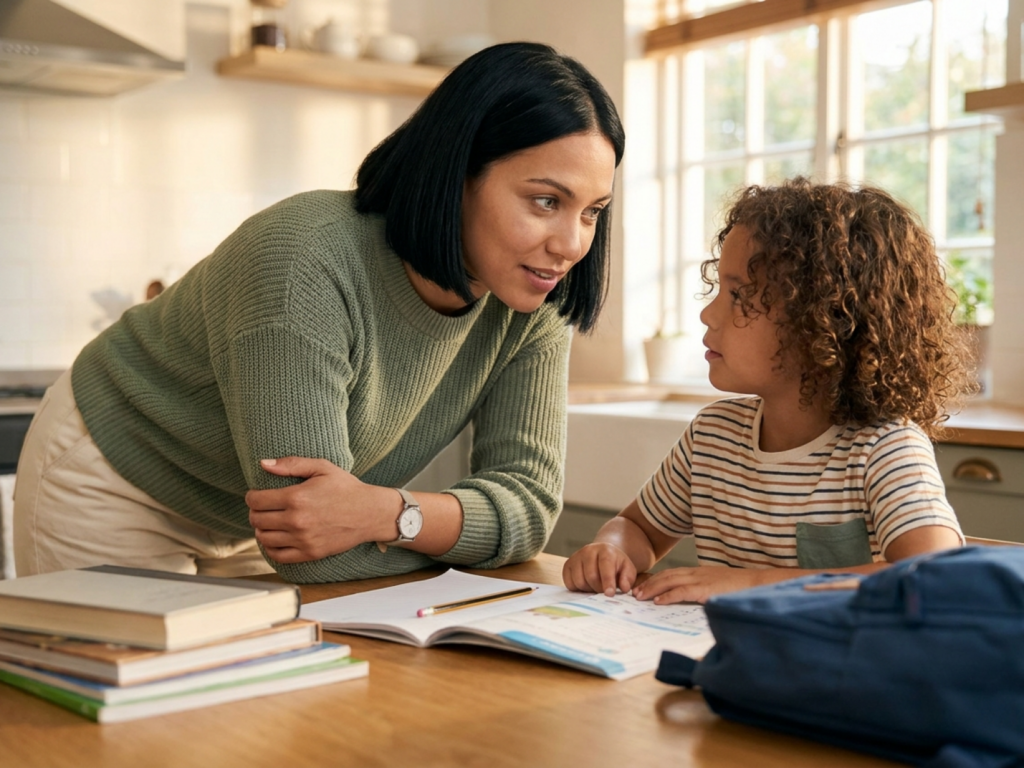
Intro
Cliques can be a confusing part of childhood. One week a child seems happily connected, and the next they may feel left out, pressured, or worried about who is “in” and who is “out.” For many families, the challenge is not simply the existence of a clique, but the way it can shape belonging, self-esteem, and behavior.
Parents cannot control every peer dynamic, but they can make a meaningful difference. Warm, responsive parenting and strong self-regulation skills are linked with better peer acceptance, and supportive relationships can buffer some of the emotional harm that comes with victimization or rejection. With the right guidance, children can learn to choose friendships that feel safe, respectful, and true to who they are.
Highlights
Cliques are common in childhood, but exclusion, gossip, and loyalty tests can make them emotionally painful.
A child’s closest relationships at home strongly shape how they handle peer pressure and social stress.
Parents can help by listening, validating feelings, and avoiding quick judgment about a child’s friends.
Broad friendships and structured activities reduce overdependence on one group and support healthier choices.
If bullying, anxiety, or withdrawal persist, it is appropriate to seek help from a pediatric or mental health professional.
Why cliques can feel so intense in childhood
Clique behavior often reflects normal developmental needs: children want belonging, identity, and status. In elementary and middle school years, social groups may become more organized, with unspoken rules about appearance, interests, or who is allowed into the group. For a child, this can feel all-consuming because peer approval may seem tied to safety and self-worth.
Not every small friend group is a problem. Many children naturally prefer a core circle of friends. Concern grows when the group becomes rigid, exclusive, or controlling. Children may be asked to copy the group, reject other classmates, keep secrets, or stay silent when someone is being hurt. That pressure can increase distress, especially for children who are sensitive, anxious, or eager to please.
Research suggests that warm parent-child relationships and strong self-regulation support peer acceptance. In practical terms, a child who can manage frustration, wait, listen, and recover from upset may find it easier to navigate complex social groups without becoming overwhelmed by them.
Signs a clique may be affecting your child’s well-being
Children do not always say directly that a social group is hurting them. Instead, parents may notice indirect signs. A child might suddenly worry a lot about clothes, messages, invitations, or who sits with whom at lunch. They may become unusually secretive, tearful after school, irritable, or reluctant to go to activities they once liked.
Watch for patterns rather than one-off bad days. Some children become quieter, stop talking about friends, or seem to be performing a version of themselves in order to stay included. Others become more controlling, aggressive, or dismissive of classmates because the group rewards that behavior. Both responses can be signs that the social environment feels unsafe or unstable.
Physical complaints can also show up, including headaches, stomachaches, sleep disruption, or trouble concentrating. These symptoms are not specific to cliques, but they can reflect stress. If there is persistent school avoidance, depressed mood, or social withdrawal, it is wise to involve a pediatrician or mental health professional for a fuller assessment.
How parents can respond without increasing shame
The first step is usually connection, not correction. If a child says a friend was mean, a parent may feel angry or protective. That reaction is understandable, but a child is more likely to keep talking when they feel heard rather than interrogated. Calm questions such as “What happened next?” or “How did that make you feel?” help the child make sense of the situation.
It can also help to separate the child from the clique. Instead of labeling friends as “bad,” focus on specific behaviors: exclusion, teasing, pressure, or inconsistency. Children often need help naming social patterns before they can decide what to do about them. Practicing co-regulation and emotional regulation at home means the adult stays steady enough to help the child settle, think clearly, and plan a response.
Parents can also model values. Say that healthy friendships are based on respect, not fear; on kindness, not status; and on honesty, not loyalty tests. When children hear these values repeatedly, they are more likely to notice when a group is asking them to abandon their own judgment.
Build a wider social world, not just one social identity
One of the best protections against unhealthy clique dynamics is a broader social network. A child who has several sources of connection is less likely to feel trapped by one group’s approval. This does not mean every child needs many close friends. It means they benefit from varied, low-pressure opportunities to belong.
Parents can support healthy childhood friendships by encouraging activities that match a child’s temperament and interests. Sports, art classes, music, scouting, volunteer projects, faith communities, and interest-based clubs can all create structured peer experiences where children meet others around shared goals rather than social ranking. Mixed-age settings can also be helpful because younger children learn from older peers and older children practice leadership.
When families widen the child’s social world, they also reduce the emotional power of any one clique. A child may still prefer one group at school, but they are less likely to see that group as the only path to belonging. Over time, that broader perspective supports resilience, flexibility, and healthier decision-making.
Teach concrete skills for exclusion, pressure, and bystander moments
Children often need scripts, not lectures. You can practice short responses for common situations: declining a mean comment, leaving a conversation that turns cruel, or inviting a different classmate to play. These peer pressure refusal skills work best when they are simple, repeatable, and matched to the child’s age and personality.
For example, a child can say, “I’m not doing that,” “I want to be kind,” or “I’m going to sit with someone else.” Role-play at home can make these phrases feel more natural. It also gives children a chance to practice eye contact, posture, and tone without the heat of the moment. For children who freeze easily, having a plan can be especially reassuring.
Teach children that standing up for themselves and others does not require dramatic confrontation. Sometimes the safest step is leaving, documenting what happened, and telling a trusted adult. If a group pressures them to exclude, lie, or bully, that is not a sign of loyalty; it is a sign the group is asking for harmful behavior. Helping a child notice that difference can be a powerful part of positive peer influence for children.
When to seek extra support
Most children can work through ordinary social conflict with steady family support, but some situations need more help. Reach out if your child is being bullied repeatedly, seems frightened of school, loses interest in everything, or shows ongoing sadness, anxiety, or irritability. If there are signs of self-harm, talk of not wanting to live, or a sudden major change in behavior, seek urgent professional help.
It can also be helpful to involve the school early. Teachers, counselors, and administrators may see patterns that are not visible at home, such as lunchroom exclusion, hallway teasing, or online conflict that spills into the classroom. A pediatrician or child mental health clinician can help assess whether stress is affecting sleep, mood, concentration, or physical health.
Supportive parenting does not mean solving every social problem for a child. It means staying close enough to notice when a pattern is becoming unsafe and helping the child build the confidence to choose healthier relationships. That combination of warmth, structure, and practical coaching can make a difficult stage of childhood much more manageable.
When to act sooner
- Do not ignore repeated exclusion, threats, humiliation, or online harassment.
- Take school refusal, panic, or persistent stomachaches and headaches seriously.
- Seek urgent help if your child talks about self-harm or not wanting to live.
- If a child becomes isolated or depressed, professional support may be needed even if grades stay high.
Tools & Assistance
- Pediatrician visit for stress-related symptoms and referral guidance
- School counselor meeting to review peer dynamics and safety concerns
- Child psychologist or therapist for coping skills and emotional support
- Parent-child role-play practice for refusal and assertive communication
- Teacher or coach check-in to build supportive adult awareness
FAQ
Are cliques always harmful?
No. Small friend groups are normal. Concern arises when the group becomes exclusionary, controlling, or cruel.
What should I say if my child wants to stay in a clique that treats others badly?
Stay calm, name the behavior, and focus on values such as kindness, honesty, and respect rather than attacking the friends themselves.
How can I help my child if they feel left out?
Listen, validate the pain, encourage varied friendships and activities, and help them practice simple responses for exclusion or pressure.
When should I involve a professional?
If bullying, anxiety, depression, school refusal, or physical stress symptoms persist, contact a pediatrician or mental health professional.
Sources
- PubMed — Does self-regulation mediate the relation between parent-child relationships and peer acceptance during early childhood?
- PubMed — Mechanisms Through Which Supportive Relationships with Parents and Peers Mitigate Victimization, Depression and Internalizing Problems in Children Bullied by Peers
- Nemours KidsHealth — Helping Kids Cope With Cliques
Disclaimer
This article is for educational purposes only and does not replace medical or mental health advice. If you are worried about bullying, anxiety, depression, or safety, contact your child’s pediatrician or a qualified professional.















Please log in to leave a comment.