
Intro
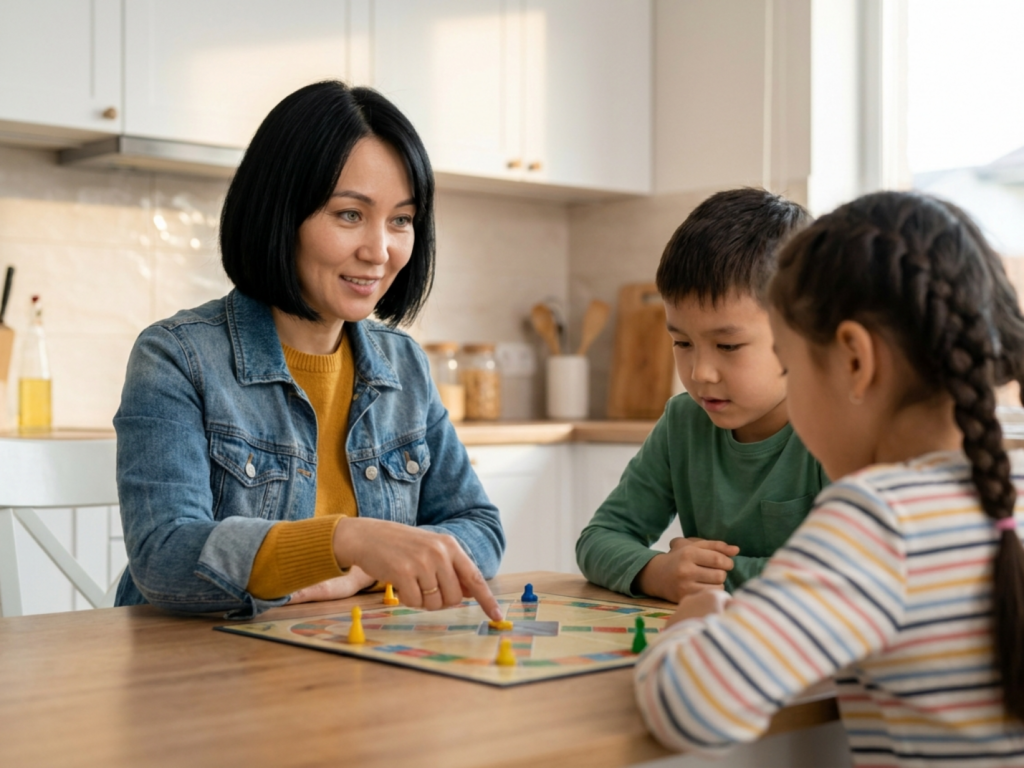
Sibling relationships can be one of the most influential social environments in childhood. They often include affection, rivalry, imitation, conflict, and repair, sometimes all in the same day. For many children, brothers and sisters are their first long-term peers and a major setting for learning negotiation, empathy, self-control, and resilience.
Conflict is not automatically a sign that something is wrong. Research shows that sibling warmth can support adjustment, while persistent hostility, coercion, or aggression can increase stress for both children and the family. This article focuses on practical, developmentally informed ways to reduce conflict, strengthen safety, and help siblings build a relationship that is more cooperative over time.
Highlights
Sibling conflict is common, but its pattern matters more than the occasional argument. Repeated aggression, fear, or coercive cycles deserve closer attention.
Parents can play a powerful mediating role by coaching emotions, setting limits, and helping children practice repair rather than taking sides.
Warmth, fairness, and predictable routines reduce opportunities for rivalry and help children feel less threatened by one another.
Direct teaching of social skills, such as turn-taking and problem-solving, can improve sibling interactions, although the evidence base is still limited.
If conflict is severe, frequent, or linked to developmental, behavioral, or mental health concerns, professional support can be helpful.
Why sibling relationships matter
Siblings are more than playmates or rivals. They are a developmental context in which children repeatedly rehearse social behavior, observe one another’s coping style, and learn how family power works. Studies of childhood and adolescence suggest that sibling relationships can shape adjustment, behavior, academic functioning, and later relationship skills. A warm sibling bond may provide companionship and emotional support, while a hostile bond can amplify stress at home.
What makes sibling relationships especially influential is their durability. Unlike many peer relationships, siblings often share space, caregivers, routines, and history. That means conflict can become highly repetitive, but it also means there are many opportunities for repair and learning. Children may not need perfect harmony; they need a relationship that is safe enough for disagreement and structured enough for recovery after a fight.
From a family-systems perspective, sibling behavior does not occur in isolation. Parent responses, stress levels, schedule pressure, and the child’s own temperament all contribute. A child who is tired, hungry, or overwhelmed may have a lower threshold for provocation. Understanding the context helps families respond with more precision and less blame.
When ordinary rivalry becomes a concern
Some sibling arguing is expected. What matters is the pattern and intensity. A brief disagreement over a toy is different from repeated intimidation, humiliation, property destruction, or physical aggression. In research on sibling conflict and aggression, coercive cycles are especially concerning: one child escalates, the other retaliates, and the interaction teaches both children that aggression works. Over time, this can reinforce maladaptive behavior rather than resolving the underlying problem.
Parents should pay attention when one child appears consistently fearful, avoids shared spaces, or loses sleep or appetite around sibling interactions. Concern also increases when conflict becomes very one-sided, when older children regularly overpower younger ones, or when one child seems unable to recover after events. Children with neurodevelopmental differences, anxiety, trauma exposure, language delays, or impulse-control difficulties may need extra support, although these factors do not explain every conflict and should not be assumed without professional evaluation.
It is also important to notice family stress. Overloaded schedules, inconsistent supervision, and chronic conflict between adults can lower the household’s capacity to regulate sibling interaction. In those situations, the goal is not to find a single culprit; it is to reduce the conditions that keep the cycle going.
What parents can do during conflict
Parent mediation is one of the most consistently useful responses described in the intervention literature. The aim is not to referee every disagreement or to declare a winner. Instead, the adult helps slow the interaction, names the problem, and sets a limit on unsafe behavior. Calm, brief language works better than long lectures during an escalation. Children often need help shifting from emotional arousal to problem-solving.
A useful sequence is: separate if needed, stop the unsafe behavior, label the feeling or goal, and guide each child to describe what happened. Then ask what each child needs to move forward. This is where emotion coaching can be powerful. For example, a parent might say, “You both want the game, and you are frustrated. Hitting is not okay. Let’s find a turn plan.” The point is to validate emotion without validating aggression.
After the conflict has cooled, brief repair conversations are often more effective than insisting on instant apologies. Some children need help choosing a concrete repair action, such as returning an item, rebuilding a game, or using a new phrase next time. If an argument is too intense, it is reasonable to pause and revisit it later rather than forcing an immediate resolution.
Build routines that lower rivalry
Many sibling conflicts are triggered by predictable stressors: transitions, fatigue, hunger, unstructured time, and competition for adult attention. Families often do better when they reduce ambiguity. A can help children see when activities, pickups, and quiet time are happening, and predictable transition routines can make the hours after school or before bed less volatile. When children know what comes next, there is less room for repeated negotiation and less pressure to compete for scarce attention.
Fairness also matters, but fairness does not always mean sameness. Children are more likely to accept limits when they understand the reason for them. For example, one child may need a different bedtime or more supervision because of age or temperament. Explaining these differences in advance can reduce resentment. Equally important is protected one-on-one time with each child. When children reliably receive individual attention, they may be less likely to seek it through conflict.
House rules should be simple, visible, and enforceable. Siblings do better when adults consistently respond to aggression, respect possessions, and keep the environment structured enough that children are not constantly negotiating scarcity. These routines do not eliminate conflict, but they often reduce the frequency and intensity of it.
Teach the skills children need to cooperate
Some siblings need direct teaching, not just consequences. Review and intervention studies suggest that parent mediation techniques and direct social-skills programs can improve sibling interactions, although the evidence base is still limited. In practice, that means children may benefit from explicit coaching in turn-taking, asking for help, waiting, compromise, and problem-solving. These are not always intuitive skills, especially for younger children or for children whose executive function is still developing.
Teaching works best when it is brief, concrete, and practiced when everyone is calm. Parents can model scripts such as, “Can I have a turn when you are done?” or “I do not like that. Please stop.” Role-play can be especially helpful for younger children because it allows repetition without the emotional load of a real fight. Older children may respond better to negotiation tools, such as timers, turn lists, or shared rules about borrowing items.
It is also helpful to teach repair skills. Repair means recognizing harm and doing something to restore the relationship, whether that is replacing an item, checking in after a hurtful comment, or agreeing on a different approach next time. Children who can repair after conflict usually fare better than children who never conflict at all but do not know how to recover.
When to seek professional support
Families should consider professional support when sibling aggression is frequent, severe, or emotionally damaging, or when adults cannot safely interrupt the pattern on their own. A pediatrician, child psychologist, family therapist, or other qualified clinician can help assess whether broader issues are contributing, such as anxiety, ADHD, autism-related social difficulty, sleep problems, trauma exposure, or family stress. This is an assessment question, not a label to assign at home.
Professional input is also useful if conflict is affecting sleep, school attendance, eating, or the child’s sense of safety at home. When one sibling is persistently dominant or another is persistently withdrawn, the family may need a more structured plan than general parenting advice can provide. If there is injury, threats, property destruction, or fear of being alone with a sibling, seek help promptly.
Finally, it is worth remembering that sibling relationships can improve over time, even after long periods of friction. Small, consistent changes in adult response often matter more than dramatic interventions. The goal is not a perfect bond. It is a relationship that is respectful enough, safe enough, and supported enough for both children to grow.
Warning signs that need attention
- A sibling fight includes injury, threats, choking, or use of objects as weapons.
- One child is clearly afraid of another or avoids shared spaces most of the time.
- Conflict is so frequent that it disrupts sleep, school, meals, or family functioning.
- A child repeatedly destroys property, isolates, or shows marked distress after interactions.
- Parents cannot interrupt escalation without feeling unsafe or overwhelmed.
Tools & Assistance
- A shared family calendar to reduce surprise transitions and competing demands.
- A simple house rule chart for aggression, borrowing, and repair.
- A turn-taking timer or visual cue for games and shared devices.
- A brief family meeting once a week to review recurring conflict patterns.
- Support from a pediatrician, child psychologist, or family therapist when conflict is persistent or severe.
FAQ
Is sibling fighting normal?
Some conflict is normal in childhood. Concern rises when the pattern is frequent, intense, one-sided, or unsafe.
Should parents always let siblings work it out alone?
No. Children often need adult mediation, especially when emotions are high or aggression is present.
What is the most helpful thing to say during a fight?
Use short, calm language that stops unsafe behavior, names the problem, and redirects both children toward a solution.
Can sibling relationships improve if they have been difficult for years?
Yes. With consistent routines, clearer limits, and skill-building, many sibling relationships become more stable over time.
Sources
- PubMed — The State of Interventions for Sibling Conflict and Aggression
- PubMed Central — Sibling Relationships and Influences in Childhood and Adolescence
- PubMed Central — Harnessing the Power of Sibling Relationships as a Tool for Enhancing Child and Adolescent Development
Disclaimer
This article is for general educational purposes only and does not replace personalized medical, psychological, or developmental advice. If sibling conflict is severe, unsafe, or persistent, consult a qualified healthcare professional.

















Please log in to leave a comment.