
Intro
At 30 weeks of pregnancy, you are well into the third trimester, and your baby is entering a period of rapid refinement rather than simple growth alone. The brain is becoming more structurally complex, bones are strengthening through mineral deposition, and the baby is increasingly influenced by the shape of the uterus, the placenta, and available space when choosing a position.
This week can feel physically and emotionally intense. You may notice stronger movements, more pressure, changes in sleep, and a growing awareness that birth is approaching. While most changes at week 30 are expected, it is always appropriate to contact your maternity care team if symptoms feel unusual, movements decrease, or you simply need reassurance.
Highlights
Around week 30, the fetal cerebral cortex is developing a more folded architecture, with gyri and sulci increasing the surface area available for future neural processing.
Bone strength is increasing as calcium and phosphorus are transferred from the maternal circulation, especially during the third trimester.
Many babies are still changing position at 30 weeks; head-down, breech, transverse, and oblique positions can still shift before birth.
Fetal movement patterns often feel more powerful but may become less tumbling and more stretching, rolling, or pushing as space becomes tighter.
Regular prenatal care remains important because growth, fetal wellbeing, placental function, and maternal blood pressure are all actively monitored in late pregnancy.
Your baby at 30 weeks: a transition into late third-trimester refinement
At 30 , pregnancy is approximately three quarters complete, although the final weeks remain biologically important. The fetus is continuing to gain weight, accumulate fat, mature the lungs, refine neurological function, and strengthen the skeleton. These processes do not happen independently; brain maturation, muscle tone, swallowing, breathing , -wake cycling, and positioning are all interconnected.
Movements may feel more organized now. Instead of small fluttering sensations, you may notice firm kicks, rolls, stretches, or rhythmic episodes that may be hiccups. The baby still has room to reposition, but the uterus is becoming more crowded. This means can feel stronger or more localized, particularly under the ribs, along the sides of the abdomen, or low in the pelvis depending on lie and presentation.
For the pregnant person, week 30 may bring fatigue, shortness of breath with exertion, pelvic heaviness, back discomfort, reflux, Braxton Hicks contractions, and disruption. These symptoms are common, but they not be dismissed if they are severe, sudden, persistent, or associated with warning signs such as bleeding, fluid leakage, severe headache, visual symptoms, or reduced .
Brain structure: folds, networks, and rapid cortical development
One of the most remarkable developments around this stage is the increasing structural complexity of the . During the , the cerebral cortex undergoes rapid maturation. The cortex is the outer layer of the cerebrum and is involved in higher-level functions such as sensory processing, movement planning, learning, memory, and later cognition. At this stage, the cortex is not simply enlarging; it is becoming more intricately organized.
The characteristic folds of the , called gyri, and grooves, called sulci, continue to become more prominent. This folding increases cortical surface area, allowing more cortical tissue to fit within the skull. Research on and preterm cortical development shows that late gestation is a distinct period of structural maturation, with ongoing changes in cortical folding, regional development, and the organization of tissue. These changes prepare the brain for the sensory, motor, and autonomic demands of life after birth.
The cerebellum is also growing rapidly in the . Although often associated with balance and coordination, the cerebellum contributes broadly to motor control and may have roles in learning and cognitive processing. As neural circuits mature, behavior becomes more patterned: sleep-wake cycles become clearer, responses to sound and touch become more coordinated, and movements may look less random on ultrasound.
It is important to keep expectations realistic. A 30-week fetus has a highly active developing nervous system, but the brain remains immature compared with a term newborn, and even term birth is only a milestone in a much longer period of brain development. After birth, sensory experience, nutrition, sleep, caregiving, and health all continue to shape neurological growth.
Sensory development and the early foundations of learning
By 30 weeks, the fetus is increasingly responsive to the intrauterine environment. Sound transmission through maternal tissues and amniotic fluid means that the baby is exposed to the maternal heartbeat, blood flow, digestion, breathing patterns, and voice. The auditory system is still maturing, but repeated sound exposure is part of the sensory landscape of late pregnancy.
Sources describing month 8 of fetal note that brain folding becomes increasingly apparent during weeks 29 to 32 and that later in gestation the fetal brain can show differentiated responses to familiar sounds, including the mother’s voice. This does not mean a baby is learning in the same way an infant or child learns, but it does suggest that sensory processing is becoming more sophisticated.
Other sensory systems are also active. The fetus may respond to touch, pressure, changes in maternal position, and light-dark variation, although light perception through the uterus is limited. Swallowing of amniotic fluid continues, contributing to gastrointestinal practice and fluid regulation. Breathing may occur as the fetus practices diaphragmatic and chest wall motion, even though oxygen is still supplied through the .
For parents, this stage can make bonding feel more tangible. Talking, singing, resting with hands on the abdomen, or noticing patterns can be meaningful. However, fetal responsiveness varies. A quieter period after activity, meals, or at certain times of day can be normal, while a noticeable reduction in the baby’s usual pattern should be discussed promptly with a healthcare professional.
Bone strength: mineralization, calcium transfer, and skeletal maturation
At 30 s, the skeleton is continuing to strengthen. Earlier in pregnancy, the skeleton begins as cartilage and gradually ossifies, meaning bone tissue forms and mineralizes. In the , mineral deposition increases substantially, and phosphorus transferred across the to support bone hardness and growth.
This process is one reason maternal nutrition and prenatal care matter in late pregnancy. Calcium needs remain important, but supplementation decisions should be individualized. Many pregnant can meet needs through diet, while others may need guidance if they avoid dairy, have malabsorption conditions, follow restrictive diets, or have other concerns. Vitamin D status can also influence metabolism, but testing and supplementation should be discussed with a clinician or midwife rather than self-prescribed in high doses.
Fetal bones are strengthening, but they are not rigid in the adult sense. The skull bones remain separated by sutures and fontanelles, which allow brain growth and later help the head mold during vaginal birth. The long bones continue to lengthen, and the ribs, spine, pelvis, hands, and feet are all becoming more mature. Ultrasound measurements such as femur length may be used as part of growth assessment, but isolated measurements must be interpreted in context by trained professionals.
From the maternal perspective, the baby’s stronger skeleton and improving muscle tone can make s feel sharper. A foot under the ribs, a firm back along one side of the abdomen, or pressure low in the pelvis may be related to positioning. Pain that is severe, persistent, or associated with contractions, bleeding, fever, or reduced should not be assumed to be normal discomfort.
Positioning at week 30: head-down, breech, transverse, and still changing
Fetal positioning becomes a frequent concern in the , but at 30 weeks it is usually too early to assume the final birth position. Many babies are still rotating and may move between head-down, breech, oblique, and transverse positions. The uterus still allows meaningful , although space is decreasing week by week.
The most common and generally preferred position for birth is cephalic , meaning the baby is head-down. Within that, the exact orientation of the head and spine also matters later in labor. Breech means the buttocks or feet are positioned toward the cervix. Transverse lie means the baby is lying sideways, and oblique lie is diagonal. These positions can be identified by ultrasound or sometimes suspected through abdominal palpation, but self-assessment is unreliable.
Several factors may influence fetal position, including l location, uterine shape, fibroids, amniotic fluid volume, whether this is a first or subsequent pregnancy, fetal size, and maternal posture or pelvic anatomy. Importantly, position at 30 weeks is not a diagnosis of how birth must happen. If a baby remains breech later in pregnancy, clinicians may discuss monitoring, external cephalic version, birth planning, or other individualized options depending on medical circumstances.
You may notice clues: pressure under the ribs may be feet or head, low pelvic tapping may be hands, and a broad firm area may be the baby’s back. Still, these sensations can be misleading. If you are concerned about position, ask at your prenatal appointment. Your care team can explain what they feel on examination and whether ultrasound confirmation is appropriate.
Maternal body changes and practical comfort strategies
As the uterus enlarges, it places more mechanical load on the pelvis, diaphragm, abdominal wall, and lower back. Hormonal effects on ligaments and smooth muscle can contribute to pelvic girdle pain, constipation, reflux, leg cramps, and varicose veins. Sleep may become fragmented because of discomfort, urination, fetal movement, or anxiety about the approaching birth.
General comfort measures may include changing positions slowly, using pillows between the knees and under the abdomen when side-lying, eating smaller meals for reflux, staying hydrated, and taking short rest breaks. Gentle movement, prenatal stretching, or pelvic floor physiotherapy may help some people, but exercise should be adapted to individual medical history and pregnancy risk factors.
Because fetal bone mineralization is active, nutrition remains relevant. A balanced diet with adequate protein, calcium-containing foods, iron-rich foods, omega-3 sources where appropriate, fruits, vegetables, and whole grains can support both maternal reserves and fetal growth. If nausea, reflux, food aversions, gestational diabetes, anemia, hypertension, or other conditions complicate eating, a clinician or registered dietitian can help tailor advice.
Emotional changes also deserve attention. The can bring excitement, impatience, fear, vulnerability, or resurfacing memories from previous pregnancies or losses. Support is part of healthcare. If anxiety, low mood, intrusive thoughts, panic symptoms, or inability to sleep are affecting daily function, reach out to your maternity care team. Perinatal mental health concerns are common and treatable.
Prenatal care at 30 weeks: monitoring growth, wellbeing, and risk factors
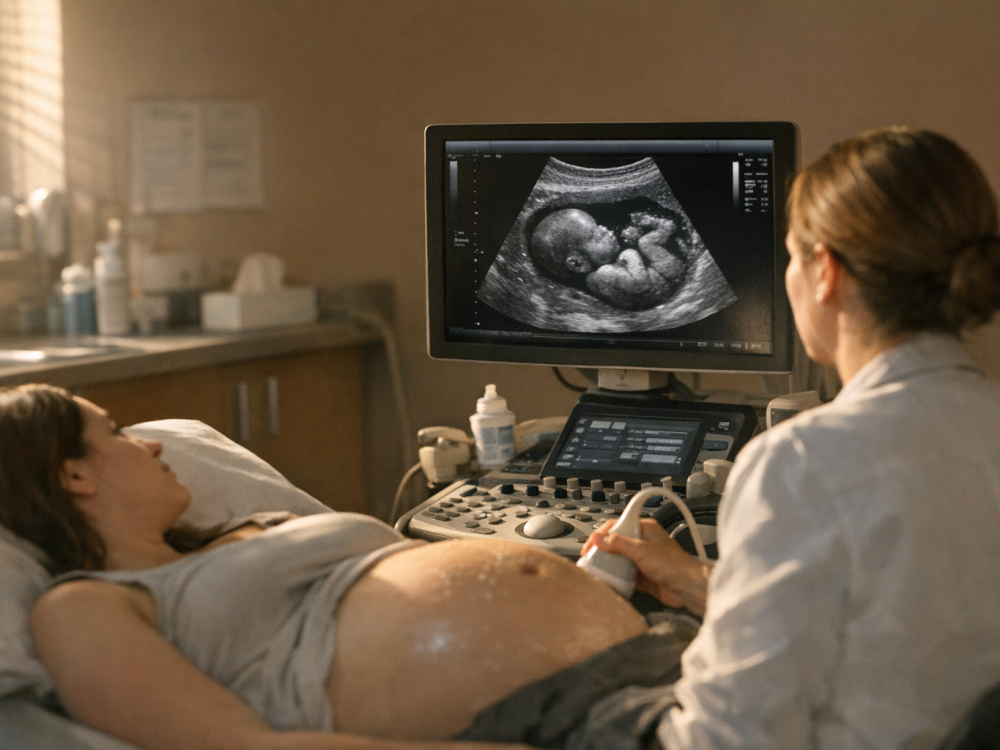
By week 30, prenatal visits often become more frequent, depending on local guidelines and individual risk. Typical assessments may include blood pressure, urine testing when indicated, fundal height measurement, fetal heart rate assessment, review of fetal movements, and discussion of symptoms. Some pregnancies require additional ultrasound surveillance, cervical assessment, laboratory monitoring, or specialist care.
Fetal movement awareness is especially important. Many clinicians recommend learning your baby’s usual pattern rather than relying on a universal number that applies to everyone. If movements are significantly reduced, absent, or markedly different from normal, contact your maternity unit or healthcare professional promptly. Do not wait until the next routine appointment if you are worried.
This is also a good time to discuss birth preferences, signs of preterm labor, vaccination recommendations, feeding plans, postpartum support, and when to call the hospital or clinic. If you have a high-risk pregnancy, such as one complicated by hypertension, diabetes, fetal growth restriction, previa, multiple pregnancy, prior preterm birth, or autoimmune disease, your care schedule and warning thresholds may differ.
Medical information online can help you prepare thoughtful questions, but it cannot replace individualized assessment. Week 30 is a dynamic stage: the baby’s brain structure, skeleton, and position are all evolving, and maternal health can change quickly. Collaborative care with your obstetrician, midwife, family physician, or maternal-fetal medicine specialist is the safest approach.
Call your healthcare professional promptly if you notice
- Reduced, absent, or clearly unusual fetal movements compared with your baby’s normal pattern.
- Vaginal bleeding, fluid leakage, or regular painful contractions before term.
- Severe headache, visual changes, right upper abdominal pain, sudden swelling, or very high blood pressure readings if you monitor at home.
- Fever, severe abdominal pain, chest pain, fainting, or shortness of breath at rest.
- Persistent vomiting, signs of dehydration, or symptoms that feel sudden, severe, or worrying.
Tools & Assistance
- Your obstetrician, midwife, or maternity triage unit for symptom assessment
- Prenatal appointment checklist for questions about fetal position, growth, and movements
- Registered dietitian or clinician guidance for calcium, vitamin D, iron, or gestational diabetes concerns
- Pelvic floor physical therapist for pelvic girdle pain, posture, and safe movement strategies
- Local perinatal mental health services for anxiety, depression, or birth-related distress
FAQ
Is my baby’s position final at 30 weeks?
Usually no. Many babies continue to turn after 30 weeks. Your care team will monitor position later in the third trimester and discuss options if breech or transverse position persists.
Why is brain folding important at this stage?
Gyri and sulci increase the surface area of the cerebral cortex, supporting the expanding architecture needed for sensory processing, movement, and later cognitive development.
Do I need extra calcium at 30 weeks?
Calcium is important for fetal bone mineralization, but needs vary. Discuss diet and supplements with your healthcare professional, especially if you have dietary restrictions or medical conditions.
Are sharper kicks normal now?
They can be. Stronger bones, increasing muscle tone, and reduced uterine space may make movements feel more forceful. A reduction in movement, however, should be checked promptly.
Can I tell the baby’s position by feeling my abdomen?
You may notice clues, but self-assessment is often inaccurate. A clinician can assess by palpation and may use ultrasound if confirmation is needed.
Sources
- National Center for Biotechnology Information (NCBI/PubMed Central) — Structural Development of Human Fetal and Preterm Brain Cortical Development
- Charlotte Lozier Institute — Month 8 - Fetal Development
- Flo Health — Fetal Brain Development Stages: When Does a Fetus Develop a Brain
Disclaimer
This article is for informational purposes only and does not replace individualized medical advice, diagnosis, or treatment. Always consult your obstetrician, midwife, or qualified healthcare professional about pregnancy symptoms or concerns.


















Please log in to leave a comment.