
Intro
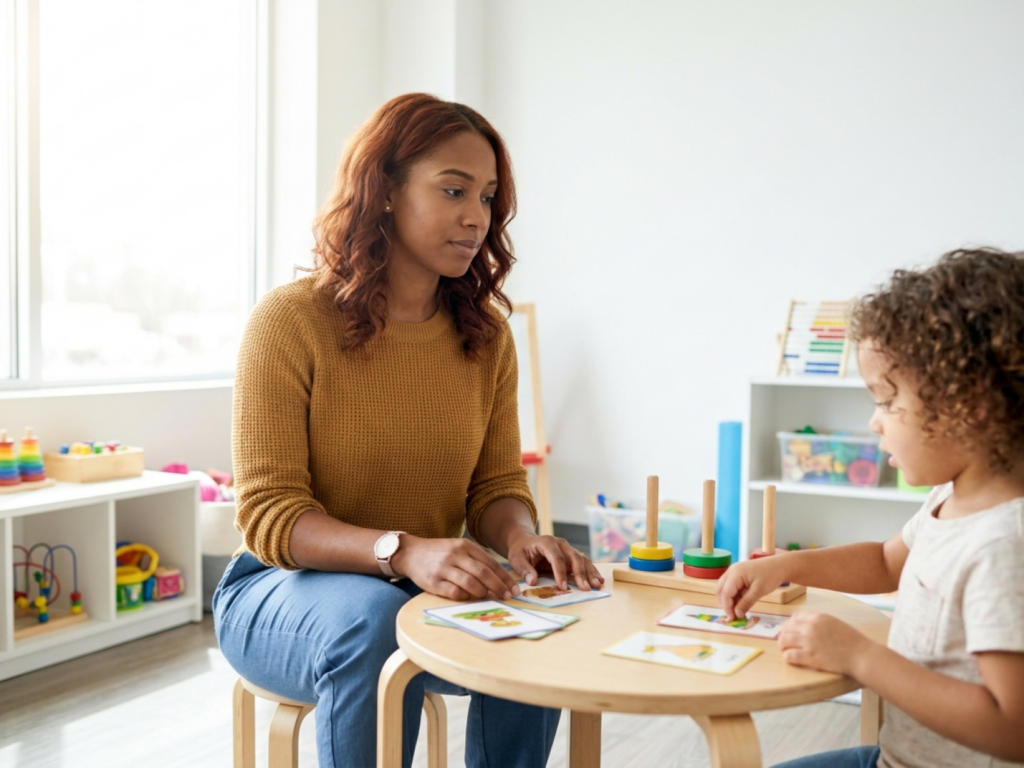
Many families worry when a child speaks later than expected, talks very little, or seems hard to understand. That concern is valid, and it can be stressful. Communication, however, is broader than spoken words alone. It includes understanding language, using gestures, making eye contact, taking turns, reading social cues, and using speech in everyday interaction.
This article explains how communication skills develop in childhood, why they matter for learning and self-regulation, how adults can support them, and when it is wise to ask a pediatrician or speech-language professional for advice.
Highlights
Communication starts before the first words, through gaze, gesture, sound, and shared attention.
Early vocabulary and communication growth can influence later learning and self-regulation.
Children usually develop language in stages, but the pace can vary from child to child.
Adults can strengthen language most effectively by using responsive, plain, developmentally matched communication.
Persistent concern about hearing, understanding, speech, or social interaction deserves professional review.
What communication skills include in childhood
In clinical terms, communication includes receptive language, expressive language, speech production, and pragmatics. Receptive language is what a child understands. Expressive language is what a child can say, sign, or otherwise convey. Pragmatics refers to the social use of language: taking turns, staying on topic, adjusting tone, and using language appropriately with different people.
For young children, communication begins long before full sentences. A baby who looks toward a caregiver’s face, calms to a familiar voice, or reaches to be picked up is already participating in communication. Later, babbling, pointing, waving, bringing an object to show an adult, and using simple words all build the foundation for more complex speech and language. These early behaviors matter because social communication in children is not only about vocabulary size. It is also about shared attention, intent, and the ability to connect with another person.
By the preschool years, communication becomes more interactive. Children begin to ask questions, tell short stories, negotiate during play, and describe feelings or needs. As school begins, they must also understand classroom language, follow multi-step directions, and explain their ideas to peers and adults. This is why communication is best viewed as a broad developmental skill rather than a single milestone.
Typical milestones from birth to age 2
Language development moves quickly in the first two years, and small changes can be meaningful. Mayo Clinic describes a typical sequence that starts with early vocal sounds and grows into words, simple phrases, and understanding of everyday directions. Around 2 months, many babies begin to coo. By about 6 months, babbling often appears, with repeated syllables such as ba-ba or da-da. Near the end of the first year, many children use gestures intentionally, respond to familiar names, and may say a first word.
During the second year, understanding usually grows alongside speech. Many toddlers can follow simple commands, point to named objects, and use more words to request, label, or protest. By around age 2, some children begin combining two words, such as more milk or go باہر. The exact timing varies, but the overall pattern should be forward-moving.
It helps to remember that communication is not a race. A child may be quiet but attentive, or talkative but hard to understand, and either pattern can still fall within a normal range. What matters most is steady progress in understanding, expression, and interaction. If progress seems to stop, or if skills appear to regress, a professional review is appropriate.
Why communication matters for learning and self-regulation
Communication skills influence far more than speech clarity. A PubMed study found that preschoolers’ growth in vocabulary and communication skills predicted later academic achievement and self-regulatory outcomes. In practical terms, children who can understand language, label ideas, and express themselves are better equipped to participate in learning, manage classroom routines, and cope with frustration.
Vocabulary supports comprehension, and comprehension supports behavior. A child who understands what is expected can shift attention more easily, follow directions, and complete tasks with less distress. A child who can name a feeling, ask for help, or explain a problem is more likely to use language instead of physical or disruptive behavior. This is one reason peer interaction and school readiness are closely tied to early language growth.
Communication also supports executive function. Executive function is the set of mental skills used to plan, inhibit impulses, hold information in mind, and switch between tasks. When children can verbalize goals and understand instructions, they often show better self-regulation. That does not mean communication alone determines school success, but it is a powerful contributor. Strong communication skills can ease transitions, support friendships, and make learning feel safer and more predictable.
How adults can strengthen communication at home and school
Children learn communication best in responsive relationships. Research on communication strategies for children’s well-being emphasizes adapting language to the child’s developmental stage, using plain language, maintaining eye contact, and building rapport. In everyday life, that means speaking clearly, pausing for a response, and giving the child enough time to process what was said.
Several habits are especially useful:
- Use short, concrete sentences, especially when giving new instructions.
- Follow the child’s attention and comment on what they are already noticing.
- Expand what the child says instead of correcting every mistake. If a child says doggy run, an adult might reply yes, the dog is running fast.
- Offer choices to encourage expressive language, such as red cup or blue cup?
- Name feelings and actions in daily routines, which helps children build emotional vocabulary.
- Read aloud together and pause for conversation; shared reading for communication skills can be especially effective because it naturally combines words, pictures, and turn-taking.
Play is equally important. Pretend play, songs, board games, and turn-taking activities create play-based social communication practice in a low-pressure setting. These moments help children practice listening, waiting, asking, repairing misunderstandings, and noticing another person’s perspective. For older children, clear expectations and structured routines can reduce language load and make communication feel more manageable.
When to ask for professional evaluation
Because communication develops across several domains, concerns should be taken seriously even when they seem mild. It is reasonable to speak with a pediatrician or family doctor if a child is not responding to sounds or their name, is not using gestures by the expected age, has very limited words, cannot follow simple directions, or loses skills that were previously present. A hearing problem can look like a language problem, so hearing assessment is often part of the workup when communication concerns arise.
For toddlers and preschoolers, red flags may include very little babbling, minimal back-and-forth interaction, poor understanding of simple language, or frustration that seems tied to an inability to express needs. For school-age children, difficulty telling a story, understanding classroom language, joining conversations, or resolving misunderstandings may point to receptive, expressive, or pragmatic language needs. None of these signs proves a diagnosis on its own, but they do justify evaluation.
A speech-language pathologist can assess speech sound production, receptive and expressive language, pragmatic skills, and, when relevant, how the child uses language in everyday contexts. Teachers can also provide useful observations about peer interaction and participation. Early support does not mean something is seriously wrong; often it simply means a child gets the right help at the right time.
Warning signs to discuss promptly
- Loss of previously acquired words, gestures, or social interest at any age should be reviewed promptly.
- Not responding to sound or name may suggest a hearing problem and should not be ignored.
- Very limited babbling, pointing, or turn-taking in infancy deserves medical attention.
- Persistent inability to follow simple directions or communicate basic needs warrants assessment.
- Severe frustration, isolation, or major difficulty with peer interaction should be discussed with a clinician.
Tools & Assistance
- Pediatrician or family doctor visit for developmental review
- Speech-language pathologist assessment
- Audiology or hearing evaluation
- Teacher or nursery staff observations about everyday communication
- Shared reading, picture books, and routine conversation at home
FAQ
What are the first communication skills a baby shows?
Early communication often begins with eye contact, calming to a familiar voice, cooing, babbling, and gestures such as reaching or pointing.
Do communication milestones need to happen at the exact same age for every child?
No. Children develop at different rates, but progress should generally move forward. A delay or loss of skills should be discussed with a clinician.
How can I help my child speak more?
Use simple, responsive conversation, read together, describe daily routines, and give the child time to answer. These small interactions are often very effective.
Could a hearing problem look like a language delay?
Yes. Hearing difficulties can affect speech and understanding, so a hearing assessment is often important when communication concerns appear.
When should a school-age child be evaluated?
If a child struggles to understand lessons, tell stories, join conversations, or interact with peers, ask the pediatrician or school team about evaluation.
Sources
- PubMed — What you say, and how you say it: Preschoolers' growth in vocabulary and communication skills predicts later academic and self-regulatory outcomes
- Mayo Clinic — Language development: Speech milestones for babies
- PubMed Central — Communication Strategies for Empowering and Protecting Children's Health and Well-being
Disclaimer
This article is for educational purposes only and does not replace individualized medical advice, diagnosis, or treatment. If you are concerned about a child's communication, please consult a pediatrician or speech-language professional.

















Please log in to leave a comment.