
Intro
Childhood injuries can be frightening, and no parent or caregiver can supervise every second or eliminate every risk. The goal is not perfection; it is building layers of protection that match a child’s age, abilities, temperament, and environment.
Injury prevention is a core part of pediatric health. Road traffic injuries, drowning, burns, falls, poisoning, choking, suffocation, and sports injuries are often predictable patterns rather than random events. With thoughtful planning, many serious injuries can be prevented or made less severe.
Highlights
Most childhood injuries are preventable when supervision, safer environments, education, and protective devices work together.
Prevention must change with development: an infant’s main risks differ from a toddler’s, school-age child’s, or adolescent’s.
High-risk situations include water, vehicles, kitchens, bathrooms, stairs, medications, chemicals, firearms, and sports settings.
Families should seek professional guidance after significant falls, head injuries, burns, suspected poisoning, near-drowning, or any concerning symptoms.
Why injury prevention matters
Injuries are a major cause of morbidity and mortality in children worldwide, yet many follow recognizable patterns. A toddler pulls a hot drink from a countertop, a preschooler slips into a pool unnoticed, an older child rides a bicycle without a helmet, or an adolescent takes risks in traffic. These events feel sudden, but the hazards often exist long before the injury occurs.
Effective prevention uses multiple layers. These include environmental modification, close supervision, developmentally appropriate teaching, safety devices, legislation, and rapid access to emergency care. Relying on one layer alone is fragile. For example, telling a toddler not to touch medicine is far less reliable than storing medicines in a locked container, using child-resistant packaging, and supervising closely.
A supportive approach is essential. Caregivers may feel guilt after an injury, but blame rarely improves safety. A better question is: what barrier failed, and what can be changed before it happens again? This mindset allows families and clinicians to create practical, individualized prevention plans.
Match safety to age and development
Children’s injury risks change rapidly because motor skills, curiosity, judgment, and independence do not mature at the same pace. Prevention works best when it anticipates the next developmental milestone rather than reacting after a near miss.
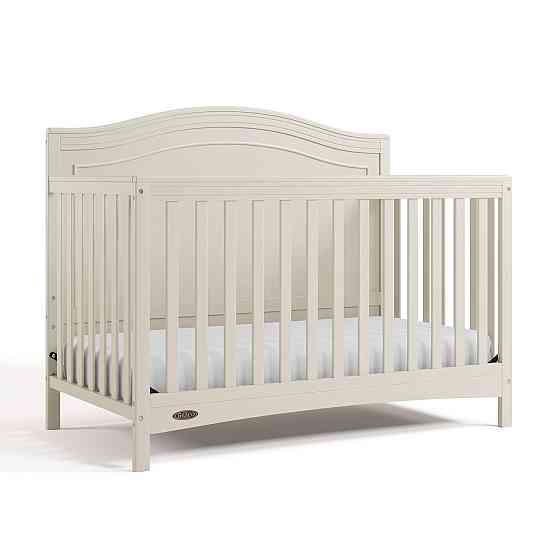
Infants are vulnerable to suffocation, falls from furniture, burns from hot liquids, and injuries related to unsafe sleep or feeding. A safe sleep environment for infants includes placing the baby on the back for sleep on a firm, flat surface without loose bedding, pillows, or soft objects. Infants should never be left unattended on beds, sofas, changing tables, or other elevated surfaces.
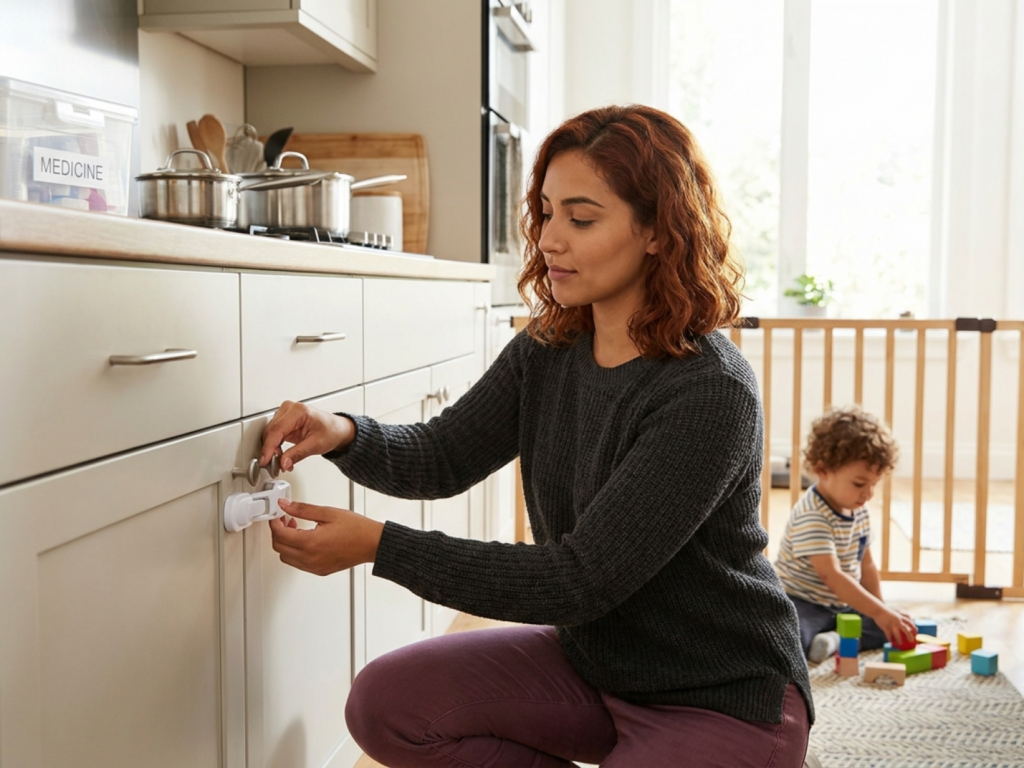
Toddlers have mobility without mature hazard awareness. They climb, open cabinets, explore with their mouths, and move quickly toward water, stairs, roads, and hot surfaces. Stair gates, window guards where appropriate, locked storage, anchored furniture, and constant touch supervision near water are especially important.
Preschool and school-age children can learn rules, but they still misjudge speed, distance, depth, and consequences. They need repeated practice with pedestrian routines, bicycle safety, playground behavior, and emergency responses. Adolescents require a different strategy: honest discussion about risk-taking, seat belts, helmets, alcohol or substance exposure, distracted driving, sports safety, and peer influence.
Make the home safer without making it fearful
Home safety for children begins with seeing the environment from the child’s perspective. Kneel at a toddler’s eye level and look for cords, small objects, unstable furniture, reachable handles, open water, and accessible chemicals. A room-by-room safety checklist can help families prioritize rather than feel overwhelmed.
Key home safety measures include:
- Install working smoke alarms and carbon monoxide alarms, and test them regularly.
- Keep hot drinks, kettles, pans, irons, and appliance cords away from edges.
- Use rear burners when possible and turn pan handles inward.
- Anchor dressers, televisions, bookshelves, and heavy furniture to prevent tip-over injuries.
- Use stair gates safety for toddlers at the top and bottom of stairs, ensuring they are correctly installed.
- Store firearms unloaded, locked, and separate from locked ammunition; if safe storage cannot be assured, remove firearms from the home.
Burn prevention deserves special attention. Young children have thinner skin and can sustain deeper burns at lower temperatures and shorter exposures than adults. Lowering water heater temperature, checking bath water before the child enters, and keeping children out of the cooking zone can reduce scald risk.
Choking prevention in young children includes avoiding high-risk foods such as whole grapes, hard candies, popcorn, large chunks of meat, and whole nuts in children who are not developmentally ready. Toys should match the child’s age, and small batteries or magnets should be kept completely inaccessible because ingestion can cause severe internal injury.
Prevent drowning and water-related injuries
Drowning can occur silently and quickly, including in bathtubs, buckets, toilets, ponds, pools, and natural water. For infants and toddlers, drowning prevention in bathrooms means emptying tubs and buckets immediately after use, closing toilet lids, using bathroom door controls when appropriate, and never leaving a child alone in the bath, even briefly.
Supervision around water must be active. The responsible adult should avoid phone use, alcohol, distracting conversations, and stepping away to fetch supplies. For toddlers and weak swimmers, the safest standard is touch supervision: the adult remains within arm’s reach.
Pool safety should use physical barriers. Four-sided fencing with a self-closing, self-latching gate is more protective than fencing that uses the house as one side. Pool covers and alarms may add protection but should not replace fencing and supervision. Children should learn water competency skills when developmentally ready, but swimming lessons do not make a child drown-proof.
Life jackets should be used for boating and open-water activities, and they must fit correctly. Inflatable toys, arm bands, and floating loungers are not safety devices. After any submersion event, persistent coughing, breathing difficulty, unusual sleepiness, vomiting, or behavioral change warrants urgent medical evaluation.
Reduce road, pedestrian, and transport injuries
Road traffic injuries remain a major threat to children. Prevention starts before the trip begins. Children should ride in age- and size-appropriate car seats, booster seats, or seat belts according to local law and current pediatric safety guidance. Correct installation matters; families who are unsure should seek help from trained child passenger safety technicians or qualified local services.
Infants and young children typically need rear-facing restraints until they exceed the manufacturer’s height or weight limit. Older children should use booster seats until the adult seat belt fits correctly across the shoulder and low across the hips, not the neck or abdomen. All children should ride in the back seat when recommended by safety guidance.
Pedestrian and bicycle safety require repetition. Children may know a rule but fail to apply it when excited, late, or distracted. Practice stopping at curbs, looking left-right-left, making eye contact with drivers when possible, and crossing at designated locations. Bicycle helmets reduce head injury risk when properly fitted; the helmet should sit level, low on the forehead, with snug straps.
For adolescents, prevention includes conversations about seat belt use, speeding, impaired driving, drowsy driving, and phone distraction. Families can use written driving agreements and consistent consequences. Modeling matters: children notice whether adults text while driving, cross unsafely, or skip helmets.
Prevent falls, playground injuries, and sports harm
Falls are common in childhood, and most are minor, but some cause fractures, head injuries, or internal injury. Prevention depends on both the setting and the child’s developmental stage. Window guards, secured screens, stair gates, non-slip surfaces, safe playground design, and supervision all reduce risk.
Playgrounds should have impact-absorbing surfaces such as engineered wood fiber, rubber, sand, or pea gravel at adequate depth, rather than concrete or asphalt. Equipment should be appropriate for the child’s age. Younger children need closer supervision because they may climb beyond their ability or move unpredictably near swings and slides.
Sports are valuable for physical and psychosocial health, but safety should be structured. Properly fitted protective gear, conditioning, adequate rest, hydration, and rules against dangerous play reduce injury risk. Coaches and caregivers should watch for overuse injuries in young athletes, especially when a child specializes early, trains year-round, or has pain that persists after activity.
Head injury requires caution. A child with suspected concussion in children should be removed from play and assessed by a qualified healthcare professional. Warning signs such as worsening headache, repeated vomiting, confusion, seizure, weakness, unequal pupils, or difficulty waking require urgent care. Return to play should be gradual and guided by medical advice, not by pressure from a game or tournament.
Prevent poisoning, medication errors, and toxic exposures
Poisoning prevention in children requires assuming that child-resistant caps are not childproof. Medications, cannabis products, nicotine, alcohol, cleaning agents, pesticides, button batteries, cosmetics, and essential oils can all cause serious harm. Store them high, locked, and out of sight after every use, not just after the end of the day.
Medication errors can happen even in careful families, especially during illness, sleep deprivation, or shared caregiving. Use the dosing device that comes with the medicine, avoid kitchen spoons, and keep a written log when more than one adult gives doses. Do not give adult medication to a child unless a healthcare professional has specifically advised it.
If poisoning is suspected, caregivers should contact poison control or emergency medical services promptly, depending on local systems and the child’s condition. Do not induce vomiting or give home remedies unless instructed by a qualified professional. Bring the container, label, or photo of the substance to medical care when possible.
Prevention also includes safe storage outside the home. Grandparents’ bags, visitors’ coats, hotel rooms, garages, and holiday gatherings often contain unsecured medicines or chemicals. A brief safety scan when arriving in a new environment can prevent a serious event.
Build a family and community safety plan
Injury prevention is most successful when it becomes a routine family system rather than a one-time childproofing project. A practical home safety plan for children includes emergency numbers, poison control contact information, fire escape routes, meeting places, supervision rules for water, and clear expectations for transportation and sports.
Caregivers should review safety after developmental changes, moves, new pets, new medications, visiting relatives, seasonal activities, or a new sport. Clinicians can help identify risks during well-child visits and offer tailored counseling for families with medical complexity, neurodevelopmental differences, mobility limitations, or behavioral impulsivity.
Schools, childcare centers, sports organizations, housing authorities, and local governments also play a role. Evidence-based interventions may include safer road design, smoke alarm distribution, parent education, home safety equipment, pool fencing legislation, and injury surveillance. These approaches work best when they are accessible, culturally acceptable, and affordable.
Parents and caregivers deserve encouragement: every safety improvement matters. A locked medication box, a correctly installed car seat, a helmet worn consistently, a pool gate that latches, or a smoke alarm with fresh batteries can be the barrier that prevents a tragedy.
Seek urgent help when needed
- Call emergency services for severe breathing difficulty, unresponsiveness, seizure, major bleeding, or suspected serious trauma.
- Seek urgent care after a significant head injury with worsening symptoms, repeated vomiting, confusion, or difficulty waking.
- Contact poison control or emergency services immediately for suspected ingestion of medicines, chemicals, batteries, magnets, or toxic substances.
- Any near-drowning, persistent cough after submersion, or breathing concern after water exposure needs prompt medical assessment.
- For burns involving the face, hands, genitals, large areas, electrical injury, chemicals, or an infant, seek urgent medical care.
Tools & Assistance
- Schedule age-specific safety counseling during well-child visits.
- Use certified car seat inspection services where available.
- Keep poison control and emergency numbers visible and saved in phones.
- Create and practice family fire drills and water supervision rules.
- Ask coaches about concussion protocols, protective gear, and return-to-play policies.
FAQ
Can injuries really be prevented, or are they just accidents?
Many childhood injuries are predictable and preventable. Prevention reduces risk by changing environments, improving supervision, using protective equipment, and teaching skills appropriate to the child’s age.
What is the most important safety step for toddlers?
No single step is enough, but locked storage of hazards, stair and water safety, anchored furniture, and close supervision are especially important because toddlers are mobile and impulsive.
Are swimming lessons enough to prevent drowning?
No. Swimming lessons can improve water skills when a child is ready, but they do not replace active supervision, barriers such as pool fencing, and life jackets for boating or open water.
When should a child be checked after a fall?
Seek medical advice for significant falls, loss of consciousness, worsening headache, repeated vomiting, abnormal behavior, weakness, severe pain, inability to bear weight, or any caregiver concern.
How often should families update childproofing?
Review safety whenever the child reaches a new milestone, such as rolling, crawling, climbing, opening doors, biking, swimming, cooking, or driving.
Sources
- World Health Organization — World report on child injury prevention
- PubMed — Pediatric injury prevention
- PubMed — Interventions to reduce accidents in childhood: a systematic review
Disclaimer
This article is for general medical information only and does not replace professional evaluation or emergency care. Consult a qualified healthcare professional for concerns about a child’s injury, symptoms, or safety needs.















Please log in to leave a comment.