
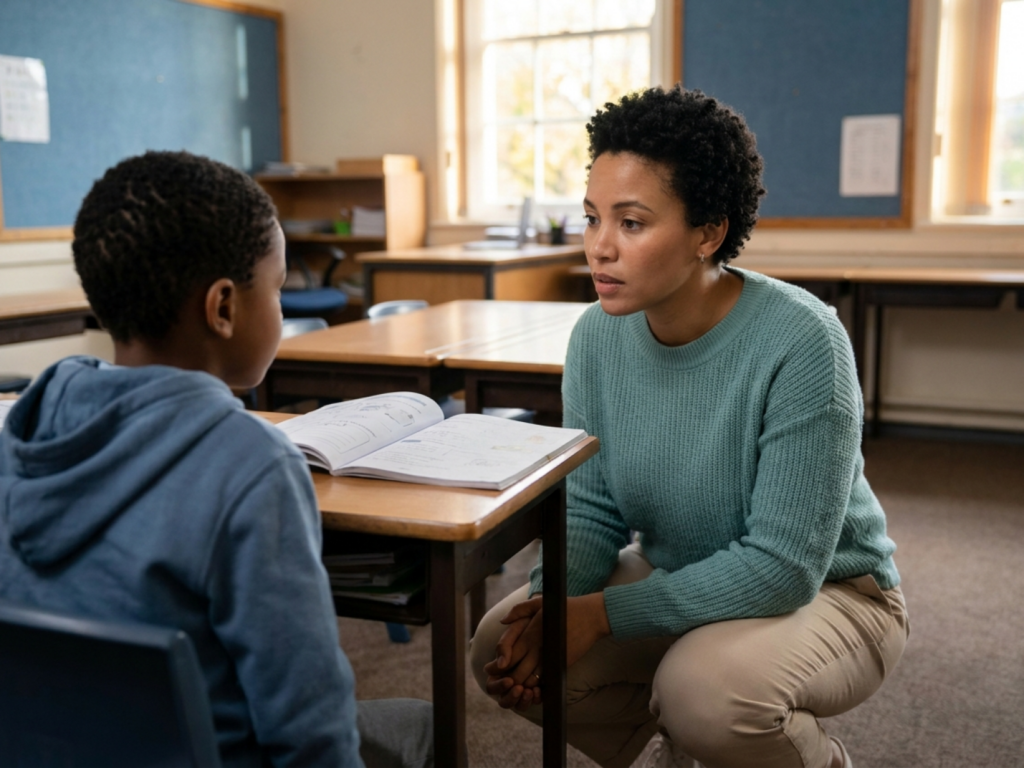
Intro
Stress is a normal response to demands, uncertainty, or perceived threat. In children, it can arise from everyday developmental challenges as well as from circumstances that overwhelm their sense of safety, control, or belonging. Because children are still developing language, emotional regulation, and problem-solving skills, they may communicate stress through behavior or physical complaints rather than directly saying that they feel overwhelmed.
Understanding the sources of stress in children can help caregivers, educators, and clinicians respond early and compassionately. Stress is influenced not only by what happens, but also by how a child interprets an event, the support available to them, and whether the stressor is brief, repeated, or chronic.
Highlights
School demands, peer relationships, family disruption, and health concerns are common sources of stress in children.
Children may experience stress through headaches, abdominal pain, sleep disturbance, irritability, withdrawal, or changes in school functioning.
Poverty, discrimination, unsafe environments, abuse, neglect, and fear of violence can create persistent stress and reduce access to protective support.
A child's perception of an event matters: an experience that seems manageable to an adult may feel threatening or uncontrollable to a child.
Persistent, severe, or unexplained changes warrant discussion with a qualified healthcare or mental health professional.
Understanding stress in childhood
Stress develops when a child perceives that demands exceed available coping resources. The stress response involves coordinated changes in the autonomic nervous system, endocrine signaling, attention, and behavior. In the short term, this response can be adaptive: it helps a child prepare for an examination, respond to conflict, or seek help in an unfamiliar situation. Once the demand passes and the child feels safe, the body can return toward baseline.
Stress becomes more concerning when it is intense, prolonged, unpredictable, or combined with limited support. Chronic activation may interfere with sleep, concentration, emotional regulation, appetite, and physical comfort. It is important not to assume that every stressful experience causes lasting harm. Children can be remarkably adaptable when they have stable relationships, predictable routines, opportunities to express feelings, and practical help with problems.
Children also differ in temperament, neurodevelopment, prior experiences, physical health, and coping style. Two children exposed to the same event may experience very different levels of distress. For this reason, assessment should focus on the child’s behavior, words, context, and functioning rather than on the event alone.
School and performance pressures
School is a frequent source of stress because it combines academic demands, social evaluation, routines, rules, and expectations for increasing independence. Homework volume, examinations, grades, competitive activities, attendance problems, learning difficulties, and conflicts with teachers or classmates may all contribute. Children may fear making mistakes, disappointing caregivers, being called on in class, or being judged by peers. Research on children’s perspectives identifies fear of negative evaluation as a commonly reported stressor.
Academic stress may be amplified when expectations are unclear, workloads exceed a child’s developmental capacity, or support for attention, language, executive functioning, or learning needs is inadequate. A child may appear oppositional or unmotivated when the underlying problem is cognitive overload, performance anxiety, fatigue, or shame. Repeated failure experiences can gradually affect confidence and willingness to participate.
School-related stress can also result from bullying, cyberbullying, social exclusion, friendship conflict, or concerns about safety. Warning patterns may include morning abdominal pain, headaches before school, tearfulness, school refusal, declining performance, or avoidance of homework. These signs do not establish a diagnosis, but they justify a calm conversation with the child and coordination with school staff and healthcare professionals.
Family change, conflict, and loss
Children depend on caregivers for safety, structure, and emotional regulation, so changes in family life can be highly stressful. Common examples include parental separation or divorce, remarriage, moving home, changing schools, financial strain, the arrival of a new sibling, caregiver illness, military deployment, incarceration, or the death of someone important. Even positive changes may require adjustment when they alter routines or relationships.
Frequent arguments, hostility between adults, inconsistent caregiving, or uncertainty about where a child will live can create ongoing vigilance. Children may blame themselves for conflict, worry about losing a caregiver’s affection, or feel responsible for protecting family members. Research also describes parental conflict or loss and conflict with adults as experiences children commonly identify as stressful.
A caregiver’s emotional state can influence a child’s stress response, although children should not be made responsible for adult wellbeing. Clear, age-appropriate explanations, reassurance that the child is not at fault, and dependable routines can reduce uncertainty. When family conflict involves threats, coercive control, domestic violence, or unsafe caregiving, the priority is safety and connection with appropriate safeguarding, healthcare, or social services.
Peer relationships, identity, and social evaluation
Belonging to a peer group becomes increasingly important during childhood and adolescence. Rejection, loneliness, friendship instability, teasing, bullying, online harassment, and pressure to conform can produce substantial distress. Children may worry about appearance, athletic ability, academic performance, popularity, social status, or whether they fit expectations associated with gender, culture, disability, religion, or other aspects of identity.
Digital communication can extend social stress beyond school hours. Social media may expose children to constant comparison, public criticism, exclusion from online interactions, disturbing content, or fear of missing out. The speed and permanence of online communication can make ordinary disagreements feel especially difficult to escape. The effect varies by child, platform, developmental stage, and pattern of use, so broad assumptions are unhelpful.
Adults can support children by taking reports seriously, asking open questions, documenting repeated harassment when necessary, and involving the school or platform through established procedures. Responses should avoid blaming the child for being targeted. A child who becomes withdrawn, fearful, persistently preoccupied with social judgment, or reluctant to attend school may need professional assessment for anxiety, depression, trauma-related symptoms, or another contributing concern.
Poverty, discrimination, and unsafe environments
Stress in children is shaped by social determinants of health. Poverty can involve food insecurity, unstable housing, overcrowding, transportation barriers, limited access to healthcare, caregiver job insecurity, and repeated exposure to adult financial stress. These pressures can affect both the child directly and the family’s ability to provide consistent routines and activities that promote recovery.
Systemic racism, discrimination, stigma, and exclusion may create repeated experiences of threat or reduced belonging. Children may encounter unfair treatment at school, in healthcare settings, online, or in their neighborhoods. Such experiences can be stressful even when adults do not immediately observe a behavioral change. Children may also carry stress related to immigration concerns, language barriers, community violence, or fear that a caregiver may be harmed.
Unsafe home or neighborhood conditions, exposure to violence, abuse, neglect, and exploitation are serious stressors that require an emphasis on protection. A child may not disclose these experiences directly, particularly when they fear retaliation or believe adults will not believe them. Professionals should follow local safeguarding requirements when there is concern about abuse or imminent danger. Practical support, including stable housing, food assistance, school resources, and trauma-informed care, can be as important as individual coping advice.
Illness, pain, and changes in the body
Physical illness can be stressful because symptoms, medical procedures, restricted activities, and uncertainty may affect a child’s independence and daily life. Hospitalization, repeated appointments, chronic pain, disability, medication changes, or concern about a parent’s health can increase worry. Children may also become distressed when they do not understand what is happening or when adults communicate in ways that are frightening or inconsistent.
Developmental transitions can generate stress as well. Puberty, changes in body image, altered sleep patterns, and increasing social expectations may challenge a child’s sense of control. Some children worry about being different from peers or about how others will respond to a visible medical condition, neurodevelopmental difference, or change in physical ability.
Stress can present through somatic complaints such as abdominal pain, nausea, headaches, muscle tension, fatigue, or sleep disruption. These symptoms should not automatically be attributed to stress. New, severe, recurrent, or functionally impairing physical symptoms require appropriate medical evaluation, particularly when accompanied by fever, weight change, neurological symptoms, injury, breathing difficulty, or other concerning features. A compassionate medical explanation and participation in care decisions can reduce uncertainty while preserving clinical safety.
Trauma, chronic adversity, and perceived lack of control
Some stressors are acute, such as an accident, frightening event, sudden bereavement, or emergency. Others are cumulative, including ongoing family conflict, neglect, abuse, discrimination, housing instability, community violence, or repeated school exclusion. The distinction between a single event and chronic adversity matters because repeated stress may leave little opportunity for recovery.
Perceived stress is central. A child may experience an event as highly threatening when it is unpredictable, unavoidable, difficult to understand, or associated with a lack of trusted support. This helps explain why adults should listen to the child’s account rather than judging the seriousness of an experience solely from an adult perspective. Social media, fear of violence, socioeconomic disadvantage, abuse, and neglect have all been discussed in research on children’s perceived stress.
Potential effects include hypervigilance, emotional numbing, irritability, nightmares, concentration difficulties, regression, avoidance, aggressive behavior, or marked changes in relationships. These responses can have many explanations and do not by themselves confirm trauma-related illness. A trauma-informed professional can assess safety, developmental context, physical health, and mental health without forcing a child to provide details before they are ready. Immediate danger, suspected abuse, or statements about self-harm require urgent professional or emergency support according to local services.
Recognizing patterns and seeking support
Caregivers can look for changes from the child’s usual pattern rather than relying on a single sign. Relevant changes may involve sleep, appetite, toileting, mood, play, concentration, school attendance, relationships, or physical complaints. Younger children may become clingy, irritable, tearful, or regress in previously mastered skills. Older children may withdraw, become unusually perfectionistic, take risks, or use substances. Some children show few outward signs despite substantial internal distress.
Helpful first steps include listening without immediate correction, naming the possible feeling, asking what feels hardest, and identifying whether the child feels safe. Adults can reduce avoidable uncertainty by maintaining routines and explaining changes honestly in developmentally appropriate language. Teachers, school counselors, pediatric clinicians, psychologists, and social workers may help identify stressors and coordinate support.
Professional evaluation is appropriate when distress persists, interferes with daily functioning, follows a frightening event, or causes significant impairment at home, school, or socially. Seek urgent assistance when a child may be in immediate danger, has been abused, cannot be safely supervised, or expresses suicidal thoughts or intent to harm someone else. The goal is not to label the child, but to understand the context, address modifiable stressors, and provide suitable care.
When to seek urgent help
- A child reports abuse, neglect, threats, or feeling unsafe at home, school, or in the community.
- There is immediate danger, serious injury, domestic violence, or inability to provide safe supervision.
- The child talks about suicide, self-harm, harming another person, or not wanting to live.
- Severe physical symptoms, confusion, breathing difficulty, or sudden neurological changes occur.
- Persistent distress causes major impairment in sleep, eating, school attendance, relationships, or daily functioning.
Tools & Assistance
- Use a brief daily check-in that asks about body sensations, feelings, difficult events, and needed support.
- Track changes in sleep, appetite, physical complaints, attendance, mood, and behavior to share with a clinician.
- Contact the child's pediatrician, primary care clinician, school counselor, or qualified mental health professional.
- Ask the school about anti-bullying procedures, learning supports, attendance planning, and safeguarding pathways.
- Connect with local housing, food, financial, domestic violence, child protection, or crisis services when social stressors affect safety.
FAQ
What are the most common sources of stress in children?
Common sources include school pressure, bullying, peer conflict, family separation or conflict, moving, illness, financial hardship, unsafe environments, and fear of negative evaluation. The child's age, temperament, developmental needs, and available support influence the impact.
Can stress cause physical symptoms in children?
Yes. Stress may contribute to headaches, abdominal discomfort, nausea, muscle tension, fatigue, or sleep disturbance. These symptoms should not automatically be assumed to be stress-related, especially when they are new, severe, recurrent, or accompanied by other medical warning signs.
How can I tell whether school is causing stress?
Look for patterns linked to school, such as morning complaints, school refusal, homework shutdowns, falling grades, withdrawal, or fear of particular people or settings. Speak calmly with the child and coordinate with school staff and a healthcare professional.
Does every stressful experience harm a child?
No. Short-term, manageable stress can support learning and adaptation. Risk increases when stress is severe, chronic, unpredictable, or occurs without stable relationships and practical support.
When should a child be assessed by a professional?
Arrange an assessment when distress persists, interferes with functioning, follows trauma, or includes significant physical or behavioral changes. Seek urgent help for immediate danger, suspected abuse, or suicidal or homicidal thoughts.
Sources
- MedlinePlus — Stress in childhood: MedlinePlus Medical Encyclopedia
- PubMed Central — Child's perceived stress: A concept analysis
- PubMed — Children's perspective of stress and coping: an integrative review
Disclaimer
This article is for general educational purposes and does not diagnose, treat, or replace advice from a qualified healthcare professional. Seek prompt medical or emergency assistance for safety concerns, severe symptoms, or thoughts of self-harm.


















Please log in to leave a comment.