
Intro
Preparing for a baby can feel like an exercise in uncertainty. Advertisements and checklists often make it seem as though a newborn needs a large collection of specialized equipment, yet many early needs are basic: safe sleep, feeding support, diapering supplies, appropriate clothing, warmth, and reliable transportation. A thoughtful list can protect your budget and reduce decision fatigue while keeping attention on the practices that matter most.
The distinction between must-have and optional depends partly on your feeding plans, home, climate, recovery, transportation, and access to support. Use this guide as a practical framework rather than a rigid prescription. Your midwife, obstetric clinician, pediatrician, health visitor, or other qualified healthcare professional can help adapt choices to your baby's gestational age, medical needs, and developmental stage.
Highlights
A safe sleep space, diapers, clothing, feeding supplies, and an appropriate car seat usually form the practical core of newborn preparation.
Many popular products improve convenience but do not replace evidence-based care, supervision, or responsive attention.
Avoid products that increase risks related to suffocation, entrapment, falls, overheating, or impaired airway positioning.
Buy for the first few weeks first; many later-stage items can be borrowed, purchased secondhand when safe, or acquired after your baby's needs become clearer.
Start with needs, not a shopping list
The most useful starting point is to separate a baby’s physiological needs from products marketed as solutions. Newborns need protection from environmental hazards, adequate nutrition, temperature regulation, hygiene, opportunities for sleep, and close observation by responsive caregivers. The World Health Organization’s essential newborn care framework emphasizes practical care such as thermal protection, feeding support, infection prevention, and recognition of danger signs. These priorities cannot be reduced to a particular brand or gadget.
A must-have item is therefore one that enables a necessary care task or substantially reduces a foreseeable safety risk. An optional item may still be worthwhile if it improves accessibility, sleep for caregivers, or daily functioning, but it is not universally required. For example, a changing table may be convenient, while a safe place to change a diaper is essential. A dedicated nursery may be desirable, while a separate infant sleep surface is the safety priority.
Consider making three categories: needed before birth, useful if a specific circumstance arises, and enjoyable but nonessential. This approach is especially helpful when space or finances are limited. It also prevents premature purchases of equipment that may be unsuitable for a premature infant, a baby with reflux-like symptoms, mobility limitations, or a family using a different feeding method than originally anticipated.
Core items for safe sleep and everyday care
Before birth, arrange a firm, flat, appropriately sized sleep surface designed for infants, with a well-fitting firm mattress and fitted sheet. Keep the sleep space free of pillows, loose blankets, cot bumpers, stuffed toys, and other soft or unsecured objects. A wearable blanket or appropriately fitted sleep sack can be useful in some settings, but it should be selected for the baby’s size and room temperature rather than used as a substitute for safe sleep guidance. Ask a healthcare professional about positioning or equipment if your baby has a medical condition.
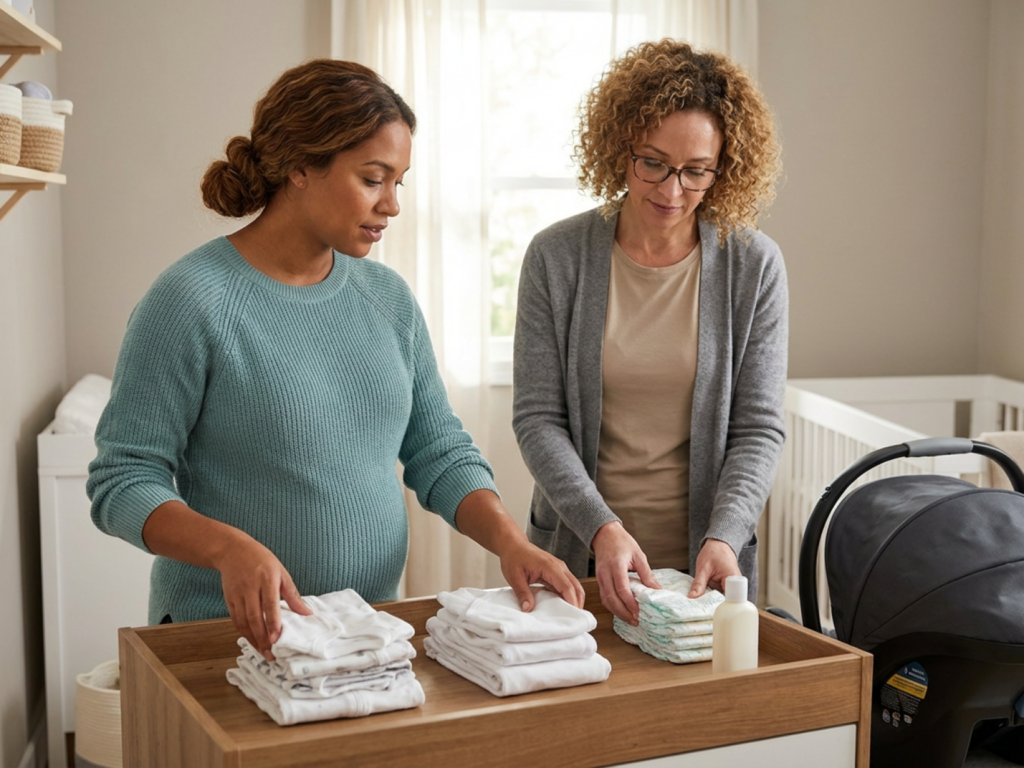
For diapering, plan enough newborn or size-one diapers for the first several days, while avoiding excessive stock because babies grow quickly and fit varies. You may use disposable diapers or a cloth system, depending on washing facilities, cost, environmental priorities, and personal preference. Include cotton wool or suitable wipes, a barrier product if advised or needed, and a method for hand hygiene. A changing mat is optional; a stable, washable surface and constant hands-on supervision are essential. Never leave a baby unattended on a raised surface, even briefly.
Clothing should support thermal comfort without causing overheating. A small supply of sleepsuits, bodysuits, socks or booties where appropriate, and weather-suitable outer layers is usually sufficient. Choose garments that open easily for diaper changes and avoid loose cords, small detachable parts, and restrictive neck openings. Babies may need several changes each day, but buying a large wardrobe before knowing their size, growth rate, and laundry routine often creates waste.
Feeding supplies: plan for flexibility
Feeding equipment depends on whether your baby receives breast milk, formula, expressed milk, or a combination. Breastfeeding does not require a large collection of products. Supportive clothing and a comfortable place to sit may be helpful, but the key needs are skilled support, adequate hydration and nutrition for the lactating parent, and observation of feeding effectiveness. A lactation consultant, midwife, health visitor, or pediatric clinician can help assess latch, milk transfer, pain, and infant weight concerns.
If you plan to express milk, a breast pump can be useful but does not necessarily need to be purchased before birth. Manual pumps may meet occasional needs, whereas an electric pump may be helpful for regular expression or separation. Storage containers, labeling supplies, and a way to clean pump components can become practical additions. The appropriate equipment and storage practices may differ for a healthy term infant and a baby receiving neonatal care, so follow local clinical guidance.
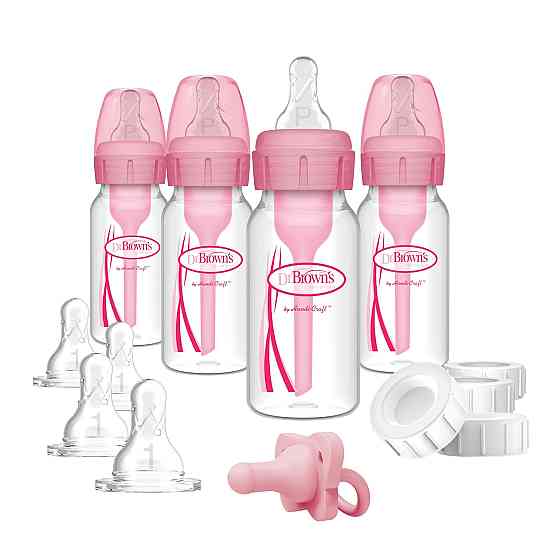
For formula feeding, bottles, teats, a method for cleaning and sterilizing feeding equipment, and an adequate supply of the chosen formula are core supplies. Bottle warmers, formula dispensers, and specialized mixing machines are optional conveniences. Formula should be prepared exactly according to product instructions and local public-health guidance; altering concentration or adding ingredients can be dangerous. Do not use feeding products intended to prop a bottle or leave a baby to feed without supervision. A healthcare professional can provide individualized advice if your baby has poor weight gain, swallowing difficulty, or another feeding concern.
Transport and mobility equipment
A properly fitted rear-facing infant car seat is a must-have if your baby will travel by car. Select a seat approved for your jurisdiction, check its height and weight limits, and arrange car-seat installation checks when available. Follow both the car-seat and vehicle manuals. A used seat may be unsafe if its history is unknown, it has been involved in a collision, it is expired according to the manufacturer, or it is missing parts or instructions. Do not add aftermarket inserts or padding unless specifically approved for that seat.
A stroller is useful for families who walk regularly, use public transport, or need a practical way to carry supplies. It is not automatically suitable for a newborn: check whether the model permits newborn use, provides appropriate positioning, and includes a secure harness. A flat or near-flat recline or a compatible bassinet may be required, depending on the design and the baby’s age. A stroller organizer, rain cover, cup holder, and travel system may be convenient but are optional.
Baby carriers and slings can be valuable for hands-free contact and mobility, but fit and positioning are critical. The baby’s face should remain visible, the airway unobstructed, and the body supported according to the manufacturer’s instructions. Seek instruction from a trained professional if you are uncertain, particularly with a premature or medically vulnerable infant. Never use a carrier for activities that impair balance or expose the baby to unsafe heat, smoke, or impact.
Common optional purchases
Many products are designed to save time or provide entertainment rather than meet a fundamental need. A dedicated changing station, wipe warmer, diaper pail, nursery monitor, sound machine, rocking chair, baby bath, bottle warmer, and decorative nursery accessories all fall into this category for many families. Some can be genuinely useful, especially for caregivers with pain, limited mobility, a large home, or disrupted sleep, but usefulness is personal and should be weighed against cost, cleaning requirements, noise, and safety.
Newborns do not require a large toy collection. During the early weeks, ordinary interaction, skin-to-skin contact when appropriate, talking, singing, and supervised floor time provide rich stimulation. Mobiles, swings, bouncers, activity gyms, and vibrating seats may entertain or settle some babies, but they should be used only as directed and never treated as routine sleep spaces. Stop using equipment when a baby reaches the relevant developmental limit, attempts to climb, or no longer fits safely.
Specialized clothing, shoes, newborn photography outfits, wipe dispensers, smart monitors, and multiple types of swaddles can wait. Products that claim to monitor oxygen, breathing, or sleep may create false reassurance or anxiety and should not replace safe sleep practices or medical assessment. Discuss any medically marketed monitor with your baby’s clinician before relying on it, particularly if it is being considered because of a health concern.
Safety, secondhand items, and buying less
Safety should guide every purchase, especially items involving sleep, transport, restraint, water, heat, or elevation. Check current recalls through the manufacturer or relevant government agency, read the instructions, and confirm that the product is appropriate for your baby’s age, size, and developmental abilities. Be cautious with products that encourage inclined sleep, contain loose padding, have accessible cords, or are difficult to clean. Guidance about using unsafe baby products can be valuable when online marketing conflicts with established safety advice.
Secondhand baby products can reduce financial and environmental pressure, but inspect them carefully. Clothing, washable textiles, and some simple equipment may be reasonable if they are clean, intact, and free from hazards. For cribs, mattresses, car seats, carriers, and products with moving or locking parts, the history, age, recall status, and completeness of the item matter. Avoid anything with damage, missing instructions, unknown modifications, or uncertain crash or contamination history. A low price does not compensate for an unknown safety record.
Before purchasing, ask whether the product solves a real daily problem, whether it can be cleaned, whether it has clear weight and age limits, and what happens when your baby grows. Borrowing, renting, or waiting can be sensible for short-lived items. Keep the initial setup small and functional, then reassess after the first weeks. Your baby’s actual feeding, sleep, mobility, and soothing patterns will give you better information than a generic checklist.
Safety reminders
- Use a firm, flat, uncluttered infant sleep surface and never use sofas, adult beds, or inclined products as routine sleep spaces.
- Do not leave a baby unattended on a changing table, bed, sofa, bath surface, or other elevated or unstable area.
- Use a rear-facing car seat according to the manufacturer's instructions and obtain professional installation guidance when available.
- Keep cords, small parts, plastic packaging, hot liquids, smoke, and overheating hazards away from the baby.
- Stop using any item that is recalled, damaged, altered, outgrown, or missing essential instructions or components.
Tools & Assistance
- Create a three-column list labelled needed before birth, buy later if needed, and optional convenience.
- Check product recalls, age and weight limits, cleaning instructions, and manufacturer guidance before purchasing.
- Arrange a car-seat installation check and ask a healthcare professional about feeding or positioning concerns.
- Borrow or rent short-lived equipment and keep receipts so unsuitable items can be returned.
FAQ
Does a newborn need a nursery?
No. A separate nursery is optional. The essential requirement is a safe, appropriately equipped infant sleep surface in a suitable location, along with accessible supplies for feeding and diapering.
Is a baby monitor essential?
Usually not. A monitor may be convenient depending on your home and routine, but it does not replace direct supervision or safe sleep practices. Medical monitoring needs should be discussed with a clinician rather than assumed from consumer-device claims.
How many clothes should I buy?
Begin with a small rotation of easy-to-change garments, several complete outfits, and weather-appropriate layers. The exact number depends on laundry access, spit-up or stool frequency, climate, and how quickly your baby grows.
Can I buy a used car seat?
Only when you can verify its history, expiry information, recall status, condition, and completeness. Do not use one that has been in an unknown collision or has missing, damaged, or altered components.
Are swings and bouncers safe for sleep?
They should not be used as routine sleep spaces. If a baby falls asleep in such equipment, follow current safety guidance and move the baby to an appropriate firm, flat sleep surface as soon as practical.
Sources
- NHS — What to buy for your newborn baby
- MedlinePlus — Baby supplies you need
- World Health Organization — Essential newborn care
Disclaimer
This article is for general educational purposes and does not replace individualized medical or safety advice. Consult a qualified healthcare professional for concerns about feeding, sleep, positioning, prematurity, or your baby's health.













Please log in to leave a comment.