
Intro
Plastic bags, packaging films, product wrappers, and other thin flexible materials can create a serious suffocation hazard for babies and young children. Infants have limited ability to move away from an obstructed airway, remove material from the face, or reliably signal for help. A hazard that appears harmless during unpacking or tidying can therefore become an emergency within moments.
Prevention depends on removing plastic materials from the child’s environment, supervising developmental transitions, and responding promptly if a baby may have experienced impaired breathing. This article explains the mechanisms of harm, common household situations, practical prevention measures, and when urgent medical assessment is needed.
Highlights
Thin plastic can seal over the nose and mouth, while enclosed spaces can rapidly become oxygen-depleted and carbon-dioxide-rich.
Babies and young children are particularly vulnerable because of limited mobility, developing motor control, and a tendency to explore objects orally.
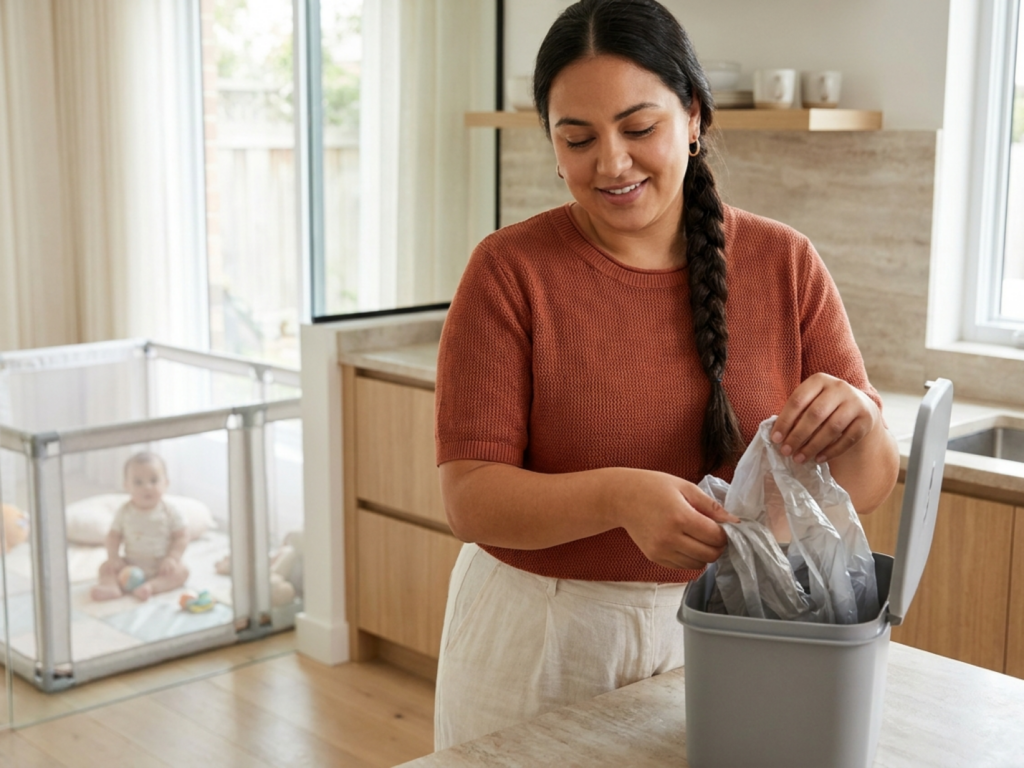
Plastic packaging should be removed immediately after opening and stored in a closed, inaccessible waste container.
A child who has had breathing difficulty, altered responsiveness, persistent coughing, or a color change needs urgent medical attention, even if the child appears to recover.
How Plastic Materials Cause Suffocation
Suffocation is a form of asphyxia in which inadequate oxygen reaches the body, often because normal breathing is obstructed or the surrounding air cannot support effective gas exchange. A thin plastic bag, wrapper, or sheet can adhere to the face and cover the nose and mouth. Because plastic is flexible and relatively impermeable, it may prevent fresh air from reaching the airway and may allow exhaled air to accumulate close to the face.
In a confined plastic space, the concentration of oxygen falls while carbon dioxide rises. Carbon dioxide accumulation can stimulate an initial sense of breathlessness, but an infant may be unable to remove the material or reposition the head. The combination of airway coverage, restricted movement, and altered surrounding air can lead to hypoxemia, meaning inadequate blood oxygen, and hypercapnia, meaning excessive carbon dioxide in the blood.
Plastic does not need to be large or tightly secured to be hazardous. A loose bag, packaging sleeve, dry-cleaning cover, shipping film, or food wrapper can shift during normal infant movement. The danger is greatest when the material is near the child’s face or when it is placed in a sleep space, play area, stroller, car seat, or other location where movement is limited.
Why Babies Are Especially Vulnerable
Infants and younger toddlers have anatomical and developmental characteristics that increase their vulnerability. Their airways are small, their neck and trunk strength are still developing, and their ability to coordinate purposeful movement is limited. A baby may roll into a plastic item without having the strength, judgment, or motor planning required to roll away. A child who can crawl or walk may still lack the impulse control to recognize an enclosed plastic space as dangerous.
Babies also investigate their environment through touching, grasping, mouthing, and pulling. A packaging film that is being handled by an adult may be dropped within reach, and a discarded bag may become attractive because it moves, crinkles, or contains a familiar scent. The risk is not limited to children who are fully mobile: a newborn can become exposed when material is placed on or near a bassinet, changing area, or adult bed.
Prevention should therefore anticipate the child’s next developmental ability rather than rely on current immobility. A baby who cannot yet roll may soon roll, reach, or pull. Caregivers should reassess plastic storage and disposal practices regularly, particularly after a move, a new delivery, a holiday, or the arrival of new baby equipment.
Common Household Sources of Risk
Plastic bags and packaging enter the home through groceries, online deliveries, clothing, toys, bedding, household goods, and medical supplies. Examples include carrier bags, resealable food bags, produce bags, freezer bags, packaging pouches, thin product sleeves, bubble-wrap film, plastic wrap, garment bags, and the clear bags used to package diapers or clothing. The presence of a handle, drawstring, zipper, or perforated section does not make a bag safe for infant access.
Risk can arise during unpacking as well as after disposal. A caregiver may place a delivery bag on the floor while settling a baby, leave a wrapper on a sofa during a feeding, or store empty bags in an open laundry basket. Children may also find bags in recycling containers, beneath furniture, inside cupboards, or in a vehicle. A bag that seems empty can still cover the face, and a package designed to protect a product may be particularly thin and difficult to notice in low light.
Plastic packaging should be treated as an immediate waste item once it is no longer needed. Keep it away from sleep surfaces, changing surfaces, floor play areas, and any place where a child can reach, crawl, or pull. Related non-food choking hazards at home also deserve attention because packaging may contain small detachable pieces that create a separate airway obstruction risk.
Safer Storage, Unpacking, and Disposal
A practical household rule is to open, gather, and dispose of packaging before returning attention to the baby. When possible, unpack deliveries on a high, stable surface while the child is in a safe location. Do not use plastic bags as makeshift bibs, mattress covers, mattress protectors, toy containers, or comfort objects. Do not place any loose plastic film in a cot, crib, bassinet, playpen, stroller, or car seat.
Use a waste container with a secure closure, and empty it frequently. A container that is technically closed but easy for a crawling child to open does not provide reliable protection. Store reusable shopping bags, garment covers, and food-storage bags in a high cupboard or locked area. Keep plastic away from pets and older children who may pass it to a baby.
During travel, check hotel rooms, relatives’ homes, changing facilities, and rental accommodation for bags and packaging before allowing floor play. Ask every caregiver, including babysitters and family members, to follow the same standard. Written household routines can help when several adults share care: plastic packaging is removed immediately, never used in a child’s sleep environment, and never left beside a stroller or changing mat.
Sleep Spaces and Other Restricted Environments
The sleep environment requires particular vigilance because a sleeping infant cannot recognize or respond to a developing breathing obstruction. Keep the sleep surface firm, flat, and free of loose bags, packaging, plastic film, shopping sacks, and nonessential objects. Plastic covers or liners that are not specifically designed and approved for the relevant infant product can create entrapment or airway risks. Follow the manufacturer’s instructions for any protective cover, and discontinue use if it becomes loose, damaged, or displaced.
Plastic hazards can also be amplified in restricted environments. In a stroller, carrier, car seat, or playpen, the child may have less ability to reposition and the caregiver may have a less direct view of the face. Never drape a plastic cover over a stroller or carrier as an improvised weather barrier. Use only products intended for that equipment and follow ventilation and supervision instructions.
These precautions complement broader sleep-related suffocation prevention. A safe sleep arrangement cannot compensate for plastic material left within reach, and close supervision does not make a hazardous object acceptable in a baby’s sleep space. For equipment purchases, check safe sleep product documentation, current instructions, and applicable safety notices.
Recognizing a Possible Breathing Emergency
Possible signs of impaired breathing include sudden silence, ineffective crying, gasping, weak or absent breathing, persistent coughing, unusual limpness, reduced responsiveness, or a change in skin or lip color. A child may appear frightened, drowsy, pale, bluish, or unusually quiet. These signs are not specific to plastic exposure, but they should always be treated seriously.
If plastic is covering the face, remove it immediately without delaying to search for an explanation. Call the local emergency number when the child is not breathing normally, is unresponsive, has marked color change, or does not quickly return to normal. Follow dispatcher instructions and use age-appropriate infant or child resuscitation skills if trained. Do not shake the child, place anything in the mouth, or spend time trying to identify the exact type of plastic before obtaining help.
Even when breathing appears to improve, seek prompt medical advice after a significant exposure, period of unresponsiveness, or episode involving abnormal breathing. A clinician can determine whether observation or further assessment is needed. Caregivers may find it useful to complete accredited infant CPR training and keep emergency numbers readily available.
Prevention in the Wider Child-Safety Plan
Plastic bags are one part of a broader injury-prevention strategy. A systematic room-by-room review should include sleep surfaces, floors, sofas, changing stations, vehicles, storage areas, and rubbish containers. Get down to the child’s level and look for transparent or crinkly material that may be difficult to see from an adult standing position. Recheck the environment whenever the child develops a new skill such as rolling, crawling, standing, or opening drawers.
Prevention also benefits from separating hazards by mechanism. Plastic can cause suffocation or airway obstruction, while other discarded packaging may contain small components that contribute to choking. Reviewing Common household choking hazards and broader choking prevention practices can help caregivers address both risks without assuming that an object is safe merely because it is soft or lightweight.
Caregivers should communicate clearly with everyone who handles the child. Explain that empty bags and packaging are not toys, and that a quick tidy-up is required after shopping or delivery items are opened. If a child has a medical condition, developmental difference, or mobility limitation that affects airway protection or movement, discuss individualized safety planning with a pediatric clinician or qualified child-safety professional.
Urgent Safety Warnings
- Never place a plastic bag, wrapper, or loose plastic film near a baby’s face or in a sleep space.
- Remove plastic immediately if it covers the mouth or nose, then assess breathing and responsiveness.
- Call emergency services for abnormal breathing, unresponsiveness, marked color change, or persistent symptoms.
- Do not assume that a child is safe because the plastic is transparent, perforated, empty, or lightweight.
- After a significant exposure or breathing event, obtain medical advice even if the child appears to recover.
Tools & Assistance
- A secure, child-resistant waste container
- Room-by-room hazard checks at each developmental stage
- Accredited infant and child CPR training
- Local emergency services and poison or health advice lines where applicable
- A written caregiver safety routine for unpacking and disposing of packaging
FAQ
Are perforated plastic bags safe around babies?
No. Perforations do not reliably prevent a bag from covering the nose and mouth or restricting movement. Keep all loose plastic bags and films inaccessible.
What should I do if my baby briefly had plastic over the face?
Remove it immediately and assess breathing and responsiveness. Seek emergency help for any abnormal breathing, color change, reduced responsiveness, or persistent symptoms, and obtain medical advice after a significant event even if recovery seems complete.
Can plastic packaging be kept in a baby’s room if it is on a high shelf?
High storage is safer than floor-level storage, but a locked or inaccessible area is preferable. Packaging should be discarded promptly because babies develop reaching and climbing abilities quickly.
Is a stroller rain cover made from plastic safe?
Use only a cover designed for that specific stroller and follow its ventilation, fitting, and supervision instructions. Never improvise with a shopping bag, dry-cleaning cover, or loose plastic sheet.
Should a child be checked by a clinician after a breathing scare?
Yes, contact a healthcare professional after a meaningful exposure, abnormal breathing, unresponsiveness, or color change. Urgent evaluation is required when symptoms are ongoing or severe.
Sources
- PubMed Central — Investigating Confined Space Asphyxias: Plastic Bag ...
- PubMed / National Library of Medicine — One Hundred and One Cases of Plastic Bag Suffocation in the Milan Area Between 1993 and 2013-Correlations, Circumstances, Pathological and Forensic Evidences and Literature Review
- PubMed Central — Effectiveness of measures to prevent unintentional deaths of infants and children from suffocation and strangulation
Disclaimer
This article provides general educational information and does not diagnose, treat, or replace advice from a qualified healthcare professional. For a breathing emergency, call local emergency services immediately.














Please log in to leave a comment.