
Intro
Baby proofing is less about creating a perfect home and more about reducing the chance that ordinary household features become dangerous as your child gains new skills. Rolling, crawling, pulling to stand, and climbing can appear quickly, often before parents feel ready.
A practical checklist helps you prioritize the risks with the greatest potential for injury: falls, drowning, burns, poisoning, choking, strangulation, suffocation, and furniture tip-overs. Review your home before your baby becomes mobile, then repeat the review from floor level as development changes.
Highlights
Start before mobility begins, then reassess after every developmental change such as rolling, crawling, pulling up, or climbing.
Focus first on hazards that can cause severe injury quickly, including stairs, water, unsecured furniture, medicines, toxic products, heat sources, and sleep spaces.
Safety devices support close supervision; they do not replace it, and they must be installed and used according to manufacturer instructions.
Include every place where your baby spends time, including relatives' homes, childcare settings, travel locations, and outdoor spaces.
Begin with a developmental safety scan
Baby proofing works best when it anticipates what your child may do next, rather than responding after a near miss. A newborn may seem stationary, but rolling can begin unexpectedly. A crawling infant can locate a coin beneath furniture, and a child who pulls to stand can reach table edges, dangling cords, and unstable drawers. Repeat a slow home scan before these transitions and whenever your routines change.
Get down to floor level and move through each room as your baby would. Look under furniture, behind doors, beneath sinks, around pet areas, and along walls. Notice small items, accessible cords, sharp corners, unstable objects, open outlets, and anything that can be pulled down. Keep in mind that an object safe from an adult viewpoint may be reachable when an infant is standing on tiptoe or climbing.
- Pick up small objects promptly, particularly batteries, coins, magnets, jewelry, medication, and broken toy parts.
- Secure loose rugs or remove them if they slide, especially near stairs and hard flooring.
- Keep floors clear of bags, chargers, tools, and hot drinks placed within reach.
- Check that smoke alarms and carbon monoxide alarms are installed, functional, and tested according to their instructions.
- Give all caregivers the same rules, including older children and visiting family members.
A useful approach is to divide tasks into urgent, near-term, and maintenance items. Correct immediate fall, poisoning, drowning, and sleep hazards first. Then make a calendar reminder to inspect gates, anchors, latches, and batteries regularly. Hardware can loosen, and a once-inaccessible hazard may become reachable in a matter of weeks.
Prevent falls and furniture tip-overs
Falls are a frequent source of injury in infancy and early childhood. Never leave a baby alone on a bed, sofa, changing surface, counter, or other elevated area, even briefly. A hand on the baby is safer than relying on a raised edge, and needed supplies should be within arm’s reach before a diaper change begins.
Install safety gates at the top and bottom of stairways before your baby is mobile. At the top of stairs, use hardware-mounted safety gates that are specifically designed for that location; pressure-mounted models can become dislodged and are generally more appropriate for doorways or the bottom of stairs. Keep gates closed consistently, and do not use accordion-style gates with large diamond-shaped openings that can pose entrapment hazards.
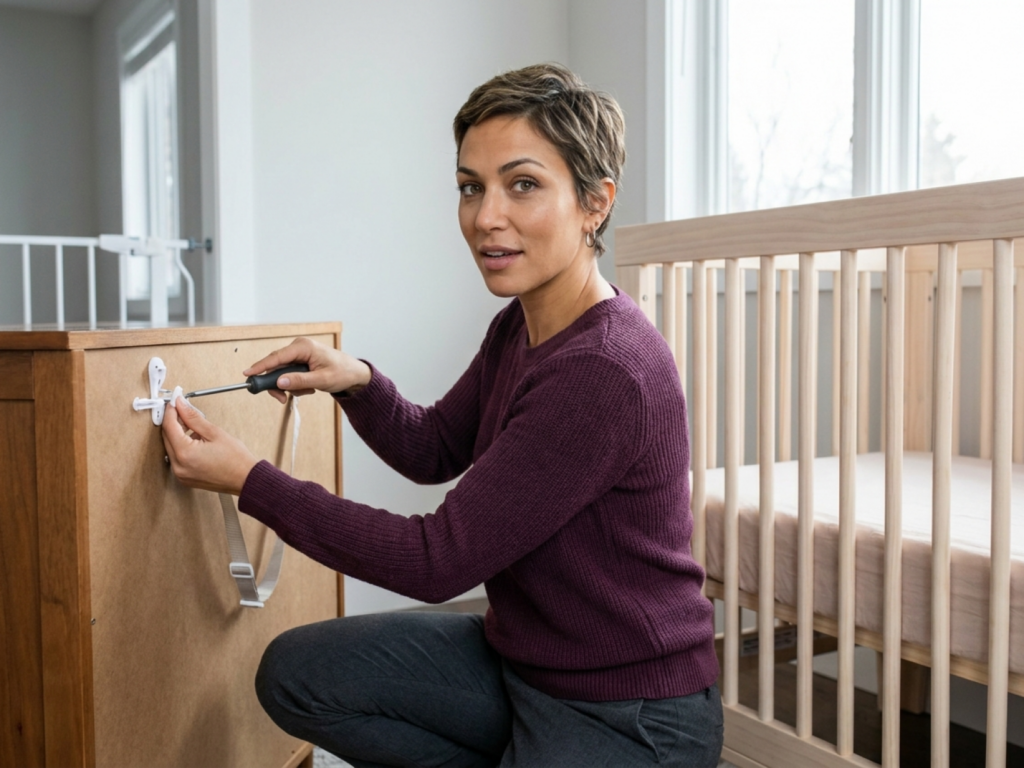
Anchor dressers, bookcases, televisions, and other heavy furniture to wall studs or another secure structural point using an appropriate anti-tip device. A child can climb an open drawer or pull on a television stand with enough force to cause a dangerous tip-over. Place televisions on low, stable furniture and avoid leaving remotes, toys, or other tempting objects on top.
- Move chairs, stools, and climbable furniture away from windows, counters, and railings.
- Use window guards or window stops where appropriate, and keep windows closed and locked when they are not being actively supervised.
- Do not rely on insect screens to prevent a fall; screens are not safety barriers.
- Keep blind and curtain cords fully out of reach by using cord safety devices or cordless coverings.
- Lock balconies and keep patio furniture away from railings.
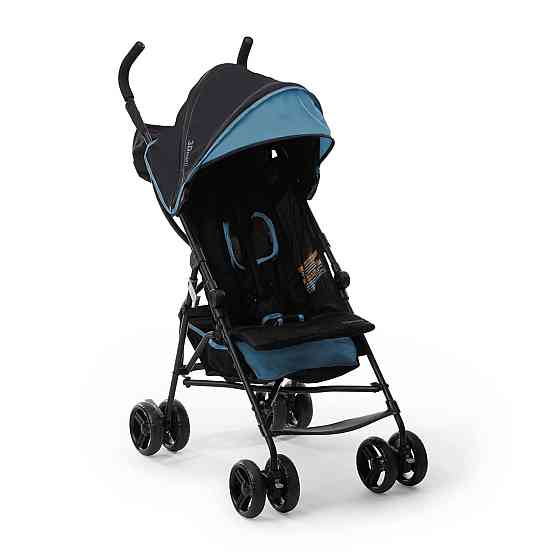
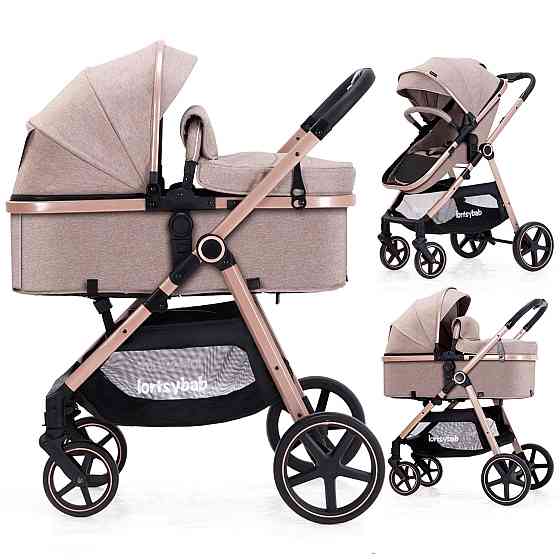
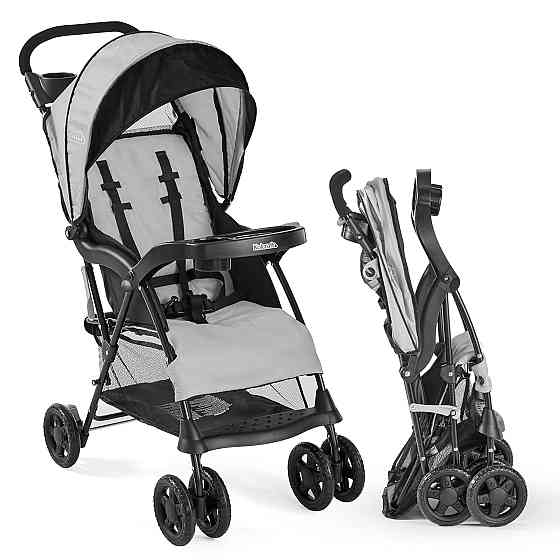
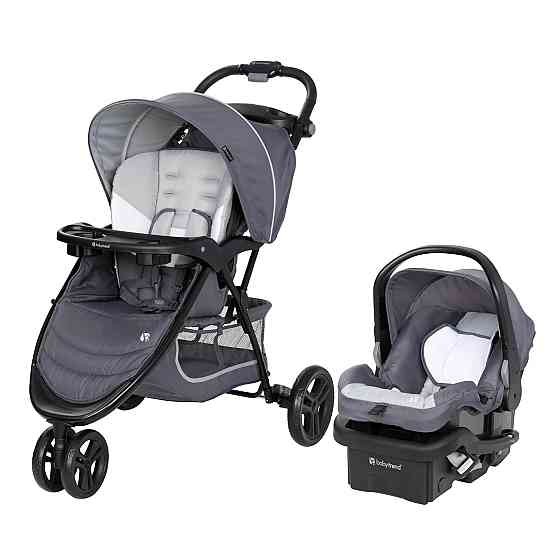
Assess baby equipment too. Follow the weight limits and instructions for high chairs, swings, bouncers, and play yards. Use restraints when supplied, and place equipment on the floor rather than elevated surfaces. For outings, consider stroller folding pinch points and confirm that the brake is engaged whenever the stroller is parked.
Secure medicines, chemicals, and small hazards
Poisoning prevention depends on storage habits, not on a child’s ability to recognize danger. Medicines, vitamins, nicotine products, cannabis products, alcohol, cleaning supplies, laundry packets, dishwasher detergent, cosmetics, and automotive products should remain in their original containers, tightly closed, and locked up high and out of sight. Child-resistant packaging reduces risk but is not childproof.
Do not transfer hazardous products into food or drink containers. A baby or toddler may mistake a colorful liquid or a container with a familiar shape for something safe to consume. After use, return products to locked storage immediately rather than leaving them on a counter, sink edge, or bedside table. Check purses, backpacks, coat pockets, and guest bags because these commonly contain medicines, gum, hand sanitizer, or loose batteries.
Button batteries and high-powered magnets require particular vigilance. A swallowed button battery can cause severe internal injury, and more than one magnet can attract through bowel tissue, creating an emergency. Keep these items inaccessible and inspect toys, remotes, key fobs, scales, and musical cards for battery compartments that do not close securely.
- Use cabinet latches where hazardous products are stored, but maintain locked high storage as the primary barrier.
- Discard expired or unneeded medicines through a recommended disposal route rather than leaving them accessible.
- Keep plastic bags, dry-cleaning bags, and deflated balloons away from babies because they can obstruct breathing.
- Choose age-appropriate toys and routinely check for loose parts, peeling coverings, or cracked plastic.
- Keep pet food, litter, and animal medications out of reach.
Post your local poison control contact information where caregivers can find it. If ingestion, a battery exposure, or magnet ingestion is suspected, seek urgent expert guidance immediately rather than waiting for symptoms. Bring the product container or item details when possible.
Make kitchens, bathrooms, and water safer
Kitchens and bathrooms combine heat, water, sharp tools, electrical devices, and chemicals, so they deserve deliberate routines. In the kitchen, use rear burners when possible and turn pot handles inward, away from the stove edge. Keep hot food, coffee, tea, and appliance cords beyond reach. A child can pull a cord, tablecloth, or placemat and bring a hot or heavy object down within seconds.
Store knives, scissors, graters, and other sharp implements in locked drawers or high cabinets. Fit stove knob covers if they are compatible with your range, and keep oven doors closed. Establish a child-free zone around cooking surfaces when practical. Do not carry your baby while handling hot cookware, draining boiling water, or using a knife; placing the baby in a safe location first reduces the risk of a sudden spill or startle response.
Water safety requires uninterrupted adult attention. Babies can drown silently and rapidly in very shallow water. During a bath, keep one hand on or within immediate reach of your baby, gather supplies beforehand, and take the baby with you if you must leave. Bath seats are not substitutes for supervision. Empty tubs, buckets, and water containers immediately after use, and keep bathroom doors closed or latched.
- Set the household water heater to a safer temperature according to local guidance, commonly no higher than 120 degrees F or 49 degrees C, to reduce scald risk.
- Test bathwater before placing your baby in it, and account for sudden temperature changes from a faucet.
- Use toilet locks if your baby can access the bathroom.
- Keep electrical appliances unplugged and stored away from sinks and tubs.
- Use outlet covers or tamper-resistant receptacles and replace damaged cords promptly.
Consider pools, hot tubs, ponds, fountains, and large pet-water containers part of your water safety plan. Use layers of protection such as barriers, self-closing latches, and close adult supervision. For water emergencies, ask a healthcare professional about age-appropriate CPR education for caregivers.
Create a safer sleep and nursery routine
Sleep safety and room safety overlap, but both need attention. Use a crib, bassinet, or play yard that meets current safety standards and follow its assembly instructions. The sleep surface should be firm and flat, with a snugly fitting crib mattress and fitted sheet designed for that product. Avoid loose blankets, pillows, positioners, stuffed toys, and other soft items in the infant sleep space because they may contribute to airway obstruction or sleep-related suffocation.
Place infants on their backs for every sleep unless a clinician who knows your child has provided individualized medical advice. Room-sharing without bed-sharing can make nighttime care more practical while preserving a separate infant sleep surface. Do not use sofas, recliners, adult beds, or improvised sleep spaces for routine infant sleep. If feeding leaves you drowsy, plan ahead for a safer return to the baby’s own sleep space.
Position the crib away from windows, heaters, lamps, shelves, and cords. A window cord strangulation hazard can exist even when a cord appears slightly out of reach; as babies pull up, their reach changes. Remove crib mobiles once your baby can push up on hands and knees or as directed by the manufacturer. Lower the mattress as your child begins to sit and pull to stand, following the crib instructions.
- Check the crib regularly for missing, loose, or damaged hardware.
- Do not use drop-side cribs, recalled products, or sleep equipment with missing parts.
- Keep diaper cream, medicines, wipes, and small supplies closed and out of reach at changing areas.
- Secure nursery furniture to the wall, particularly dressers used during clothing changes.
- Keep cords from monitors and chargers well away from the crib and outside the baby’s reach.
For babies with prematurity, respiratory disease, reflux concerns, or other medical complexities, ask the pediatric clinician for individualized sleep and positioning guidance. Consumer products marketed as sleep aids should not replace evidence-based sleep practices or clinical advice.
Build supervision and emergency readiness into daily life
Even a carefully prepared home cannot eliminate every risk. Active supervision means being close enough to intervene, particularly around water, food, stairs, pets, doors, playground equipment, and elevated surfaces. It is different from simply being in the same room while distracted by cooking, a phone call, or another task. When you need to step away, use a safe contained space that is appropriate for your baby’s age and development.
Choking prevention deserves daily attention. Keep foods matched to developmental feeding skills and prepare them in shapes and textures that reduce choking risk. Avoid offering hard round foods, chunks of raw vegetables, whole grapes, nuts, popcorn, hard candy, and other high-risk items unless prepared in an age-appropriate way. Children should sit upright while eating, and meals should be supervised. Check play spaces for small parts before each use, especially after older siblings have been present.
Prepare for emergencies without letting preparation become a source of anxiety. Keep emergency numbers accessible, know your home’s address, and make sure caregivers can describe what happened. Consider training in infant CPR and choking first aid through a recognized course. This education does not make home hazards acceptable, but it can improve readiness while emergency services are being contacted.
- Review baby proofing after travel, renovations, new furniture, holidays, and visits from guests.
- Inspect safety gates, cabinet latches, window devices, and furniture anchors for loosening or damage.
- Teach siblings not to leave toys with small parts, food, batteries, or medicines where the baby can reach them.
- Keep exterior doors secured and use door alarms or locks placed beyond a young child’s reach when needed.
- Discuss household safety with your pediatric clinician if your baby has developmental, mobility, vision, swallowing, or neuromuscular differences that change risk.
Trust a near miss as useful information. If your baby reaches something you thought was inaccessible, treat it as a prompt to redesign the environment. The goal is a home where exploration is expected and adults have arranged the space to make serious injury less likely.
Act promptly for high-risk exposures
- Seek emergency help immediately for suspected button battery ingestion, multiple magnet ingestion, severe burns, drowning, breathing difficulty, or a serious fall.
- Do not induce vomiting after a suspected poisoning unless poison control or a clinician specifically instructs you to do so.
- A bath seat, safety gate, child-resistant cap, or cabinet latch never replaces direct adult supervision.
- Do not depend on window screens to prevent falls or on soft bedding to make infant sleep safer.
- Check recalled baby equipment and stop using any product that is damaged, unstable, or missing required parts.
Tools & Assistance
- Schedule a floor-level home safety scan before crawling begins
- Install hardware-mounted safety gates at the top of stairs
- Anchor televisions, dressers, and bookcases to the wall
- Post local poison control and emergency contacts for every caregiver
- Enroll caregivers in an infant CPR and choking first-aid course
FAQ
When should parents start baby proofing?
Begin before your baby becomes mobile, ideally during late pregnancy or the early newborn period. Reassess often because rolling, crawling, pulling up, and climbing create new access to hazards.
Are outlet covers enough to prevent electrical injuries?
Outlet covers can reduce access to unused outlets, but tamper-resistant receptacles, intact cords, safe appliance storage, and supervision provide broader protection.
What is the most important baby proofing task?
There is no single task, but urgent priorities include safe sleep, stair and window fall prevention, furniture anchoring, locked storage for medicines and chemicals, and constant water supervision.
Should cabinet latches be used for cleaning products?
They can add a layer of protection, but dangerous products should also be stored locked, high, and out of sight in their original containers.
Sources
- U.S. Consumer Product Safety Commission — Childproofing Your Home - Several Safety Devices to Help Protect Children
- MedlinePlus — Home safety - children: MedlinePlus Medical Encyclopedia
- Children's Hospital Colorado — A Room-by-Room Baby-Proofing Checklist for Parents
Disclaimer
This article provides general educational information and is not a substitute for individualized medical or safety advice. Consult your child's healthcare professional for concerns specific to your child, home, or medical needs.














Please log in to leave a comment.