

Intro
A newborn checkup is an early opportunity to assess how your baby is adapting after birth, review screening results, and establish an ongoing relationship with the pediatric healthcare team. The visit may feel information-heavy, particularly when you are recovering from delivery and learning your baby's feeding and sleep patterns, but clinicians expect questions and uncertainty.
The exact timing and content vary according to your baby's gestational age, birth history, discharge plan, and local healthcare system. Your clinician may recommend an earlier or more frequent assessment if your baby was premature, had difficulty feeding, lost more weight than expected, developed jaundice, or required specialized care.
Highlights
The clinician commonly measures weight, length, and head circumference and compares them with birth measurements and growth standards.
The physical examination may include the baby's general appearance, skin, head, mouth, heart, lungs, abdomen, hips, reflexes, and neurologic responses.
Newborn screening can include heel-prick blood testing, hearing screening, and pulse oximetry for certain critical congenital heart defects.
Feeding, urine and stool output, sleepiness, jaundice, cord care, safe sleep, and caregiver concerns are central parts of the discussion.
A screening result that needs follow-up does not by itself establish a diagnosis; the pediatric team will explain the next step.
When the first newborn checkup takes place
The first outpatient visit is often scheduled shortly after discharge, commonly within the first few days of life. The timing is individualized. A baby discharged early, a baby with feeding concerns, or a baby who has not yet had a complete screening sequence may need assessment sooner. Babies with prematurity, low birth weight, complex medical conditions, or a prolonged hospital stay may follow a more specialized schedule.
At the beginning of the appointment, the clinician usually reviews the pregnancy, labor, delivery, and newborn hospital course. Bring or make available the hospital discharge paperwork, including birth measurements, immunizations already given, laboratory results, screening documentation, medications or supplements recommended by the hospital, and the planned follow-up schedule. The team may ask about complications, maternal and infant blood groups, delivery injuries, and family history of inherited or childhood disorders.
The clinician also confirms whether screening was completed, whether any result requires follow-up, and when the next routine visit should occur. Early visits are not only examinations; they are a transition from hospital-based newborn care to longitudinal pediatric care.
Measurements and the general physical examination
Weight is usually measured without clothing or with minimal clothing, and length and head circumference may also be recorded. Some weight loss after birth is physiologic, especially while feeding is being established, but the pattern over time matters. The clinician interprets measurements in relation to birth weight, gestational age, feeding history, hydration, and the baby’s overall examination rather than relying on one number in isolation.
The examination begins with general observation. The clinician may assess alertness, tone, color, breathing effort, spontaneous movement, cry, and interaction during handling. Skin is examined for jaundice, pallor, cyanosis, bruising, rashes, birthmarks, and signs of infection. The head may be checked for molding, scalp swelling, fontanelle appearance, and sutures. The eyes, ears, nose, and mouth are examined for structural findings, oral restrictions that could affect feeding, and evidence of irritation or infection.
Using a stethoscope, the clinician listens to the heart and lungs and may assess pulses and capillary refill. The abdomen is examined for distension, tenderness, masses, and the condition of the umbilical stump. Genitalia and the anus may be assessed for normal anatomy and function. Hip examinations are important because some newborns have findings associated with developmental dysplasia of the hip. The clinician may also evaluate primitive reflexes, muscle tone, symmetry, and movement of the limbs.
A newborn examination is brief but comprehensive. Some findings are normal variations or temporary effects of birth, while others warrant observation or testing. The clinician should explain what was found and whether any reassessment is needed.
Feeding, hydration, and elimination review
Feeding is a major focus because intake affects hydration, glucose stability, stool transition, jaundice risk, and early growth. The clinician may ask whether the baby breastfeeds, receives expressed milk, uses formula, or has a combination of feeding methods. Relevant details include how often feeds occur, whether the baby wakes to feed, duration or volume, swallowing, coughing or choking, spit-up or vomiting, and whether feeding is painful or difficult for the caregiver.
A newborn feeding and diaper log can help show trends. The team may review the number of wet diapers, stool frequency and color, and whether output is increasing as expected after the first days. A diaper count is not a substitute for examination, but it gives useful context about intake and hydration. Signs such as markedly reduced urine, dry mouth, unusual lethargy, or inability to feed should be discussed promptly rather than waiting for a routine appointment.
The clinician may observe a feed or recommend a lactation consultant, feeding specialist, or other service. Recommendations depend on the examination and the baby’s clinical situation. Caregivers should ask for clear instructions about feeding frequency, preparation of formula when applicable, pumping, vitamin supplementation, and when to contact the practice. Do not change feeding plans or give water, herbal products, or medicines without professional guidance.
The visit is also a chance to discuss normal spit-up versus concerning vomiting, safe burping, and how to respond when a newborn is too sleepy to feed effectively. A baby who is difficult to awaken, repeatedly unable to feed, or showing breathing difficulty during feeds needs prompt medical assessment.
Jaundice and other early newborn concerns
Jaundice, caused by elevated bilirubin, is common during the newborn period. The clinician looks at skin and eye color, considers the baby’s age in hours or days, reviews feeding and stooling, and may use a transcutaneous or blood test. A newborn bilirubin measurement may be recommended when visual assessment is insufficient or when the baby’s history and examination indicate a need for more precise assessment.
When bilirubin is elevated, the appropriate response depends on the level, the baby’s age, gestational age, risk factors, and clinical condition. The pediatric team may arrange repeat testing, feeding support, or treatment and should explain the follow-up plan. Caregivers should seek medical advice urgently for rapidly worsening yellowing, yellowing in the first day of life, marked sleepiness, poor feeding, abnormal muscle tone, a high-pitched cry, or other concerning behavior.
Other common topics include temperature measurement, nasal congestion, skin peeling, rashes, umbilical cord changes, stool transition, crying, and sleep. The clinician may ask about breathing, color changes, fever, vomiting, and exposure to illness. The umbilical stump is inspected, and caregivers receive guidance about keeping it clean and dry and recognizing redness, drainage, or a foul odor that may need evaluation.
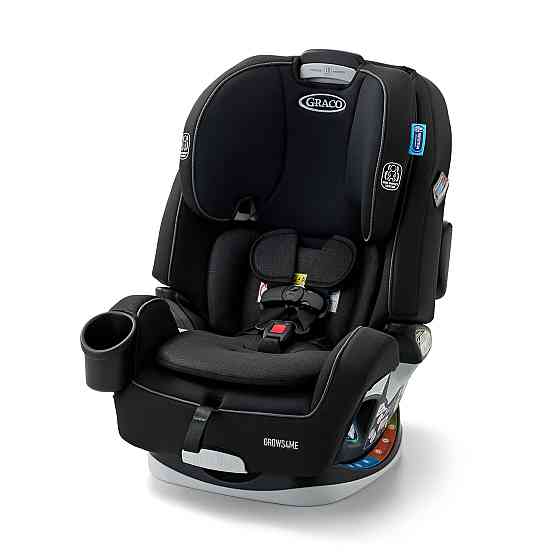
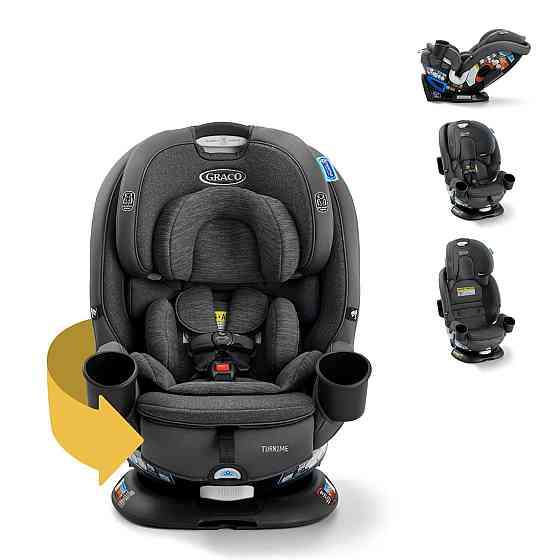
Safe sleep counseling generally includes placing the baby on the back for every sleep, using a firm, flat sleep surface, keeping loose bedding and soft objects out of the sleep area, and avoiding smoke exposure. The clinician may also discuss car-seat use, hand hygiene, fever response, and how to access after-hours advice.
Newborn screening tests and results
Newborn screening is designed to identify selected conditions before symptoms become apparent. Testing varies by jurisdiction and hospital, but commonly includes a heel-prick blood sample, hearing screening, and pulse oximetry. The blood sample is used to screen for certain inherited metabolic, endocrine, hematologic, and other disorders. Hearing screening assesses whether additional evaluation may be needed. Pulse oximetry measures oxygen saturation and can help identify some critical congenital heart defects.
These are screening tests, not complete diagnostic evaluations. A result reported as abnormal, positive, incomplete, or requiring repeat testing may reflect a technical issue, early timing, illness, or a true condition. It does not automatically mean that the baby has a disorder. However, follow-up should be completed promptly because some conditions benefit from early confirmation and treatment.
Ask the practice whether all newborn screening results have been received, which tests were completed, and whether any repeat sample or diagnostic appointment is scheduled. Confirm who will contact you and what to do if you do not receive a result. If hearing screening was not passed, the next step is typically a formal audiologic assessment rather than an assumption about hearing ability. The pediatric team can coordinate referrals and explain the time frame.
Screening programs differ, so information from another country or state may not match your local program. The clinician can clarify which tests apply to your baby and how results are documented in the medical record.
Development, prevention, and the follow-up plan
Although a newborn is not expected to demonstrate later developmental milestones, the clinician observes neurologic tone, symmetry, reflexes, movement, and the ability to respond to handling and sound. The appointment may also include discussion of vision and hearing observations, social interaction, and family concerns. Prematurity is taken into account when interpreting examination findings and planning surveillance.
Preventive care may include reviewing immunizations given at birth, vitamin supplementation, oral health foundations, infection prevention, and protection from tobacco or vaping exposure. Depending on local recommendations and family circumstances, the clinician may discuss respiratory illness prevention, visitors, travel, and household vaccination. The practice may ask about caregiver recovery, mood, sleep, support, and safety. Postpartum emotional distress is common and treatable, and mentioning it allows the team to connect the family with appropriate support.
Before leaving, request a written or clearly stated plan. It should identify the next appointment, any repeat measurements or tests, feeding instructions, and specific reasons to call. The schedule for subsequent well-child visits is individualized but becomes more predictable as routine care continues. Keep a list of questions between visits, including concerns about feeding, stool, sleep, breathing, skin color, movement, or behavior. Caregiver observations are clinically useful, especially when a change is new or persistent.
Call the pediatric practice or an urgent medical service for guidance when your baby has a temperature concern, breathing difficulty, blue or gray color, repeated vomiting, inability to feed, substantially reduced urine, unusual difficulty waking, or a rapidly worsening condition. Emergency services are appropriate for severe breathing problems, unresponsiveness, or a serious acute deterioration. The newborn’s healthcare professional can help determine the right level of care.
When to seek prompt medical advice
- A newborn has difficulty breathing, pauses in breathing, or blue, gray, or unusually pale color.
- The baby is difficult to wake, cannot feed effectively, or repeatedly vomits.
- Wet diapers decrease substantially or there are other signs of possible dehydration.
- Jaundice appears during the first day, worsens quickly, or occurs with marked sleepiness or poor feeding.
- The umbilical area becomes increasingly red, swollen, foul-smelling, or produces drainage.
- A newborn has a measured or suspected fever; contact a healthcare professional promptly for age-specific instructions.
Tools & Assistance
- Newborn feeding and diaper log
- Hospital discharge paperwork and screening documents
- Written list of the top three to five questions
- Pediatric practice telephone number and after-hours triage service
- Thermometer suitable for newborn use
FAQ
How long does a newborn checkup take?
Many visits take approximately 20 to 40 minutes, but the duration varies with feeding concerns, screening follow-up, the physical examination, and the number of questions. A more complex visit may take longer.
Should I wake my baby to feed before the appointment?
Follow the feeding plan provided by your healthcare team. Bringing feeding supplies and asking whether the clinician can observe a feed may be useful, especially when feeding is difficult.
What if my baby did not pass a newborn screening test?
A screening result that requires follow-up is not the same as a diagnosis. Contact the pediatric team, confirm the recommended repeat screen or diagnostic test, and complete follow-up within the stated time frame.
Will my baby receive vaccines at the newborn checkup?
Vaccines given at the newborn visit depend on local recommendations, the hospital record, and your baby's circumstances. The clinician will review what has already been given and explain the upcoming immunization schedule.
What should I ask during the appointment?
Ask about feeding and supplementation, diaper output, jaundice, safe sleep, cord care, screening results, warning signs, medications or vitamins, and the timing of the next visit. Written instructions can help when you are tired.
Sources
- MedlinePlus — Baby Health Checkup
- MedlinePlus — Newborn Screening
- MedlinePlus Medical Encyclopedia — Well-child visits
Disclaimer
This article is for general educational purposes and does not replace advice, examination, diagnosis, or treatment from a qualified healthcare professional. Seek prompt medical care for urgent or worsening concerns about a newborn.















Please log in to leave a comment.