
Intro
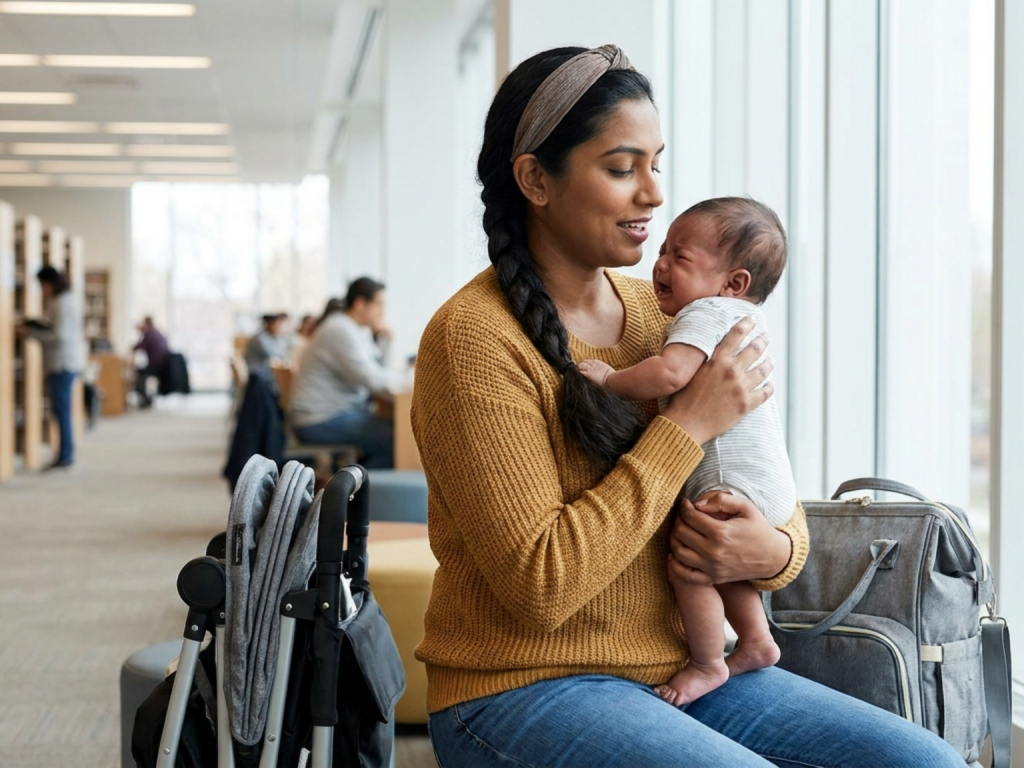
A crying baby in a shop, restaurant, clinic, or on public transport can make even a confident caregiver feel exposed and overwhelmed. Crying is communication, not misbehavior, and it does not mean you are failing. Babies may cry because they are hungry, tired, uncomfortable, overstimulated, too warm or cold, or simply seeking closeness.
The most useful approach is a calm, structured check followed by simple soothing measures and a safe change of environment. You do not need to stop the crying immediately. Your priorities are to assess basic needs, reduce stimulation, protect your baby’s airway and body position, and look after your own emotional state.
Highlights
Start with basic needs: feeding, diapering, temperature, comfort, and sleep.
Reduce sensory input by moving to a quieter, dimmer, less crowded place.
Use one or two familiar calming techniques at a time rather than changing strategies rapidly.
Never shake, hit, or jerk a baby; place the baby safely down and seek support if you feel unable to cope.
Begin with a calm, practical assessment
Before trying multiple soothing techniques, pause and take one slow breath. Your baby may respond to your voice, touch, and body tension, while a hurried sequence of interventions can add stimulation. Move to a safe location if possible: a quiet corner, a nursing room, an accessible restroom changing area, the side of a park, or a parked vehicle that is not in direct heat. If you are driving, pull over safely rather than attempting to manage the baby while the vehicle is moving.
Use a brief checklist. Could the baby be hungry, need a diaper change, be too hot or cold, have clothing or a fastener pressing on the skin, or be fatigued? Check for obvious discomfort without repeatedly undressing or handling the infant. Look at the face and skin for unusual color, and observe breathing. If the baby has recently fed, consider whether burping, an awkward position, or reflux-like discomfort may be contributing, but do not assume a medical cause based on crying alone.
A quick assessment is not a diagnosis. If the crying is sudden, unusually intense, recurrent, or accompanied by other concerning signs, stop focusing solely on public soothing and seek medical advice.
Reduce stimulation and create a predictable reset
Public places contain bright lights, voices, music, movement, smells, and frequent handling. Some infants become dysregulated when sensory input exceeds their ability to process it. Signs can include turning the head away, stiffening, frantic limb movements, yawning, hiccupping, facial grimacing, or escalating crying. These signs do not prove overstimulation, but they support trying a lower-input environment.
Move away from crowds and loudspeakers. Dim the visual field by positioning the baby against your chest, while keeping the nose and mouth clear. Ask well-meaning people not to touch, talk loudly, or pass the baby around. If a stroller is being used, follow the manufacturer’s instructions and never cover it with a blanket or other fabric in a way that restricts ventilation or increases heat. A carrier can provide closeness, but the baby’s airway must remain visible, the chin should not be pressed onto the chest, and the infant should be positioned according to the carrier instructions.
When overstimulation during public outings is a recurring problem, plan shorter trips, build in quiet breaks, and choose less crowded times. Leaving an event is a reasonable caregiving decision, not a social failure.
Use familiar soothing techniques one at a time
Once basic needs and the environment have been addressed, try a familiar method for several minutes rather than switching constantly. Hold the baby close in a secure upright or supported position and speak softly, hum, or sing. Gentle rhythmic movement, such as slow walking or carefully rocking while seated, may help some infants. Other babies settle with stillness and firm, reassuring contact rather than movement. Responses vary considerably, so follow your baby’s cues.
Soft, continuous background sound may mask sudden environmental noise. Use a quiet voice, gentle shushing, or low ambient sound; avoid placing loud devices close to the baby’s ears. A stroller walk may help if the baby is correctly positioned and supervised, but it should not replace safe sleep guidance. Never use vigorous bouncing, tossing, shaking, or movements that cause the head to snap.
Feeding may be appropriate if hunger is likely and you can feed safely and comfortably. Follow your usual feeding plan for baby outings, including clean supplies and appropriate preparation. Do not prop a bottle or feed while the baby is poorly positioned. If breastfeeding, seek a private space if that helps you and your baby relax, but remember that feeding in public is also a normal option where legally permitted.
Protect sleep, positioning, and physical comfort
An overtired baby can be difficult to calm, particularly late in an outing. Watch for early sleep cues and begin a quiet transition before crying becomes intense. A baby may fall asleep during holding, feeding, or movement, but ongoing sleep requires a suitable safe sleep space. Place the infant on the back on a firm, flat, clear surface designed for infant sleep, following local safe-sleep recommendations. Do not allow a sleeping baby to remain unattended in a seated device or carrier for longer than necessary, and do not improvise a sleep surface with pillows, cushions, loose blankets, or adult bedding.
Check temperature by feeling the baby’s chest or back rather than relying only on hands and feet, which may normally feel cooler. Avoid overheating, especially in a covered stroller, crowded indoor location, or parked vehicle. Never leave a baby alone in a vehicle, even briefly.
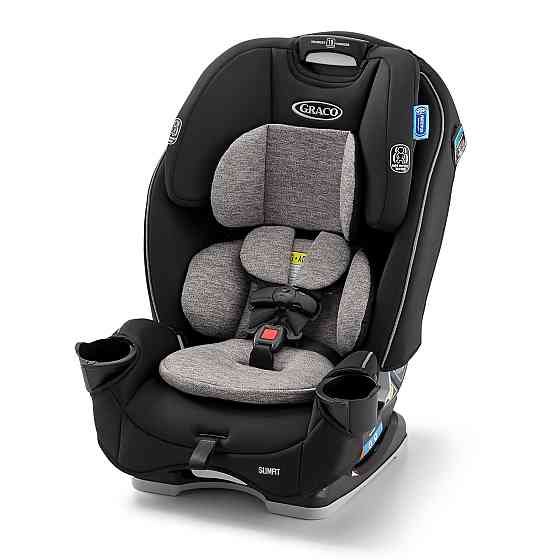
Inspect the fit of clothing, diapers, carriers, and harnesses. Remove irritating tags or bulky layers when appropriate, but maintain correct restraint use. If the baby is in a car seat, do not loosen the harness while the vehicle is moving or add unapproved padding. Stop in a safe place before making adjustments.
Manage your own stress and the social pressure
Infant crying activates a strong physiological stress response. A caregiver may experience rapid breathing, muscle tension, shame, anger, or the urge to try increasingly forceful measures. Recognize these sensations as a signal to pause. If another trusted adult is present, ask them to take over briefly while you drink water, step aside, or organize the next decision. A simple statement such as “My baby is safe; I am taking a quiet break” can help you resist pressure from bystanders.
If you are alone, place the baby in a safe location appropriate for the setting and take a brief moment to regulate yourself. For example, secure the stroller according to its instructions or use a safe, supervised infant sleep surface if one is available. Do not hand the baby to an unknown person merely because they offer help. You can ask venue staff, a healthcare worker, transit personnel, or a trusted contact for practical assistance.
Never shake, hit, slap, or jerk a baby. If you fear you might lose control, put the baby safely down, move a short distance away while remaining nearby, and call someone you trust or emergency services if immediate danger exists. Caregiver stress during infant crying deserves support, not blame.
Know when crying needs medical attention
Most episodes of public crying improve with basic care and reduced stimulation, but persistent or atypical crying should not be dismissed as fussiness. Seek urgent medical assessment if the baby has difficulty breathing, blue or gray discoloration, marked pallor, a seizure, is unusually floppy or difficult to wake, or has a rapidly worsening appearance. Emergency evaluation is also appropriate after a significant fall, impact, or possible poisoning.
Contact a healthcare professional promptly for fever in a young infant according to local guidance, repeated vomiting, bloody stool, refusal of feeds, substantially fewer wet diapers, a swollen abdomen, a new concerning rash, or crying associated with clear pain. Age matters: fever and feeding changes can be more urgent in newborns and young infants than in older babies.
Keep track of when the crying occurs, feeding and diaper patterns, sleep, exposures, and what helps. This information can support a clinician’s assessment. Do not give medication, herbal products, or supplements to calm the baby unless a qualified healthcare professional has advised that specific treatment and dose. If crying is frequent or exhausting even without emergency signs, arrange a routine pediatric review.
Safety warnings
- Never shake, hit, jerk, or toss a baby, even for a moment.
- Do not cover a stroller or carrier in a way that can trap heat or obstruct airflow.
- Keep the baby’s nose and mouth visible and the chin off the chest in a carrier.
- Never leave a baby alone in a parked vehicle or on an elevated surface.
- Seek urgent help for breathing difficulty, abnormal color, reduced responsiveness, injury, or other sudden concerning changes.
Tools & Assistance
- A small outing bag with diapers, wipes, feeding supplies, a spare layer, and a familiar comfort item
- A quiet corner, family room, clinic room, or staffed customer-service area
- A trusted support person who can take over briefly
- A pediatrician, family doctor, midwife, health visitor, or local nurse advice service
- Emergency services for immediate danger or severe symptoms
FAQ
Should I try to stop the crying immediately?
No. First make sure the baby is safe, check basic needs, and reduce stimulation. Calm, consistent care is more important than achieving silence quickly.
Is it safe to rock my baby in public?
Gentle, controlled rocking or walking may soothe some babies. Avoid vigorous movement, sudden head motion, or any action that could compromise the airway.
What if people stare or criticize me?
Their reactions do not determine the quality of your caregiving. Move somewhere quieter, ask for practical help from staff or a trusted adult, and prioritize the baby’s safety over social expectations.
When should I call a doctor about crying?
Contact a healthcare professional for persistent, unusual, or worsening crying, especially with fever, poor feeding, vomiting, fewer wet diapers, a swollen abdomen, rash, lethargy, or apparent pain. Seek emergency care for breathing problems, abnormal color, unresponsiveness, seizures, or serious injury.
Can a pacifier or comfort item help?
A familiar pacifier may soothe some infants if used safely and appropriately. Avoid loose objects, cords, clips, or soft items in the baby’s sleep space, and follow age-appropriate safe-sleep guidance.
Sources
- MedlinePlus — Crying in infancy: MedlinePlus Medical Encyclopedia
- NHS — Soothing a crying baby
- Mayo Clinic — Crying baby: What to do when your newborn cries
Disclaimer
This article provides general educational information and is not a diagnosis or a substitute for individualized medical advice. Contact a qualified healthcare professional or emergency service when your baby appears unwell or you are concerned.













Please log in to leave a comment.