

Intro
When a baby is unsettled, it can be difficult to know what they need, especially when the usual feed, diaper change, and cuddle have not helped. Crying is a normal form of infant communication, and responding calmly can support both your baby's regulation and your own confidence.
Soothing is usually a process of observation, gentle trial, and safety awareness rather than finding one universal solution. The techniques below can be combined and adapted to your baby's age, temperament, feeding pattern, and state of alertness.
Highlights
Begin by checking for basic needs and signs of illness before using calming strategies. A soothing technique should never delay medical assessment when a baby seems unwell.
Low stimulation, predictable sensory input, and close caregiver contact can help an infant move from escalating distress toward calm.
Methods that are safe while a baby is awake may not be safe for sleep. Always place a baby on their back on a firm, separate sleep surface for sleep.
Persistent crying can be exhausting. Taking a brief, safe pause while the baby is in a secure sleep space is an appropriate caregiver safety strategy.
Start with a calm, structured check
Before adding more stimulation, pause and consider the most likely immediate needs. Babies commonly become fussy because they are hungry, have a wet or soiled diaper, are too warm or cool, need a burp, are tired, or have become overstimulated. A quiet check reduces the chance of cycling through many techniques while missing a simple cause.
Look at the context as well as the cry. Was there a recent feed? Has the baby been awake longer than usual? Do they settle briefly when held upright? For a young infant, feeding-related discomfort may be linked to swallowed air, so a calm pause and gentle burping during natural feeding pauses can be useful. Avoid forceful patting or repeatedly changing positions if the baby becomes more distressed.
Your own nervous system matters too. Slow your breathing, lower your voice, and use unhurried movements. Infants do not need a perfect response; they benefit from a caregiver who is observant and steadily available. If you feel overwhelmed, place the baby safely on their back in an empty crib or bassinet and step away for a few minutes to reset.
Use closeness and steady touch
Physical contact is often one of the most effective ways to help a baby regulate. Hold the baby close against your chest, supporting their head and neck, and speak softly or hum. Skin-to-skin contact, with the baby in only a diaper against a caregiver’s bare chest and covered appropriately for warmth, may be especially calming in the newborn period. It offers familiar warmth, scent, heartbeat, and breathing rhythms.
Some babies prefer stillness over motion. Try sitting in a quiet room and holding them securely with one hand supporting the head and neck. Others respond to a gentle hand placed on the chest or abdomen while they lie awake in a safe space. Watch their cues: relaxed hands, slower breathing, and reduced crying suggest the input is helping; arching, turning away, or increasing fussiness may mean they need less stimulation.
For awake soothing, a side-lying or tummy-down hold across a caregiver’s forearm can sometimes feel comforting, provided the adult remains fully awake and maintains secure support. These positions are not sleep positions. If the baby falls asleep, transfer them onto their back to a firm, flat, separate infant sleep surface.
Offer rhythmic motion without overstimulation
Gentle, repetitive movement can be regulating because it resembles the motion babies experienced before birth. Rock slowly while seated, walk at an even pace, or use a supported upright hold while swaying. Keep the movement small and smooth. Vigorous bouncing, shaking, tossing, or rapid changes of direction are unsafe and can cause serious injury.
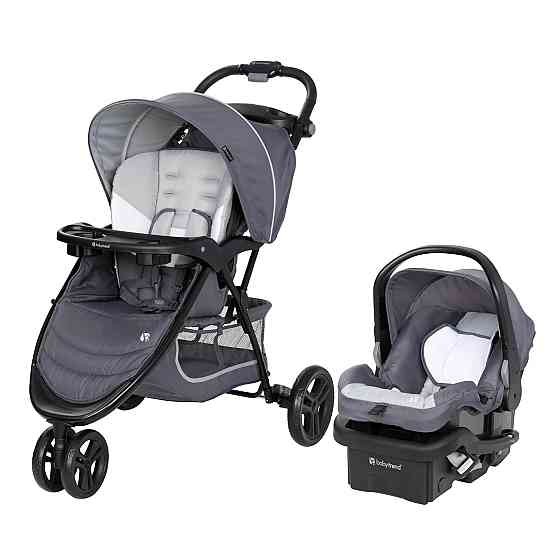
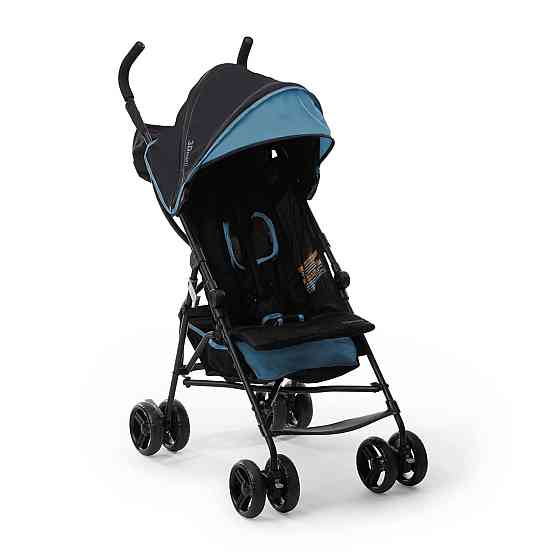
Motion works best when it is paired with a calm environment. Dim lights, reduce conversation, and avoid passing the baby among several people. A stroller walk can help some babies settle, but it should be supervised and should not replace transfer to a safe sleep surface when the baby falls asleep. Similarly, car-seat sleep needs attention: a baby should be moved to an appropriate flat sleep surface once the journey has ended, rather than left to sleep in the seat.
Try one movement pattern for several minutes before changing tactics. Frequent switching can add sensory load to an already overwhelmed infant. A simple sequence, such as hold close, walk slowly, then sit and rock, may be easier for both caregiver and baby to tolerate than a constant search for a new solution.
Reduce sensory input with sound and routine
Many infants settle more readily when the environment becomes predictable. Lower the lights, reduce screen and household noise, and use a quiet, repetitive voice. Soft singing, humming, or a consistent low-level background sound may mask sudden noises and provide a steady auditory cue. Keep the volume modest and place sound devices away from the baby’s sleep area to protect hearing.
A short pre-sleep routine can also make transitions less abrupt. It might include a diaper change, a feed if the baby shows hunger cues, a burp, a few minutes of quiet holding, and a familiar song. The value is not in doing every step perfectly but in repeating a low-stimulation pattern that helps the baby anticipate rest.
Observe wakefulness cues rather than waiting only for intense crying. Looking away, yawning, rubbing the face, fussing, or becoming less coordinated can indicate fatigue. Responding earlier may prevent overtiredness, which can make settling more difficult. As babies mature, brief opportunities to settle with a caregiver nearby can support emerging self-soothing skills, but prolonged distress should not be ignored.
Use swaddling and sleep practices safely
A light swaddle can soothe some young babies by limiting the startle reflex and creating a contained feeling. It should be snug around the chest but allow the hips and legs to bend and move freely. Do not use weighted swaddles, weighted sleep products, or blankets that can restrict movement. Stop swaddling as soon as the baby shows signs of attempting to roll, because a swaddled baby who rolls onto their stomach may be at increased risk during sleep.
Swaddling is only one tool, not a requirement. Some babies dislike it or become warmer and more upset. Check for overheating, especially if the room is warm, and choose light layers. A non-weighted wearable blanket can be an alternative once swaddling is no longer appropriate.
Every sleep begins the same way: place the baby on their back on a firm, flat surface designed for infant sleep. Keep the sleep area free of pillows, loose blankets, toys, nests, and positioners. Avoid allowing a baby to sleep on an adult’s chest, sofa, recliner, or bed, even if they initially settled there. These settings can create hazards when a tired caregiver falls asleep.
Consider sucking, feeding, and a warm bath
Non-nutritive sucking, such as sucking on a clean pacifier, can be calming for many babies. Offer it gently; do not force it back in repeatedly if the baby turns away. Keep pacifiers clean, inspect them for wear, and avoid attaching them to cords, necklaces, or loose clips that may create a strangulation risk. Feeding directly or by bottle may be appropriate when the baby displays hunger cues, but repeated feeding is not always the answer to every episode of crying.
During feeds, maintaining a paced, calm rhythm may reduce gulping and distress for some babies. Hold the baby safely, allow pauses, and consider whether they need a burp. Seek clinical advice for ongoing feeding difficulty, poor intake, recurrent choking or coughing during feeds, or forceful vomiting in young infants.
A warm bath can be a soothing part of an evening routine for some families. Prepare everything in reach beforehand, use comfortably warm water rather than hot water, and keep one hand on the baby at all times. A bath is optional: if it makes the baby more alert or upset, replace it with a quiet washcloth clean-up and calming hold.
Know when crying needs medical attention
Most periods of fussiness are not dangerous, but caregivers are right to take a change in crying seriously. Contact a healthcare professional promptly if crying is persistent, unusual for your baby, or accompanied by feeding concerns, reduced wet diapers, fever, rash, breathing changes, or a noticeable decline in alertness. In babies younger than 3 months, fever requires timely medical guidance.
Seek urgent assessment for difficulty breathing, blue or gray color, a seizure, marked limpness, repeated forceful vomiting, blood in vomit or stool, signs of injury, or a baby who is difficult to wake. Trust the pattern you know: a high-pitched, weak, or inconsolable cry that is distinctly different from usual deserves professional input.
Long crying spells can strain even attentive caregivers. Ask a partner, relative, or trusted person to take over briefly when possible. If you are alone and feel close to losing control, put the baby in a safe sleep space and call someone for support. Never shake a baby. Protecting the caregiver’s capacity is part of protecting the baby.
Safety reminders
- Never shake, toss, or jolt a baby, even during prolonged crying.
- For sleep, place babies on their backs on a firm, flat, separate infant sleep surface.
- Stop swaddling when a baby shows signs of trying to roll; do not use weighted swaddles or weighted sleep products.
- Do not leave a baby unattended in a bath, car seat, swing, stroller, or inclined product.
- Seek urgent medical help for breathing difficulty, blue or gray color, seizure, limpness, or a baby who is hard to wake.
Tools & Assistance
- Contact your pediatrician, family doctor, or child health nurse for persistent crying or feeding concerns.
- Prepare a quiet soothing area with a safe crib or bassinet nearby.
- Ask a trusted adult to provide a caregiver break during a difficult crying period.
- Use local urgent-care or emergency services for severe warning signs.
FAQ
How long should I try one soothing technique?
Try a gentle technique consistently for several minutes while watching the baby's response. If distress escalates, reduce stimulation and reassess basic needs.
Is it okay to pick up a baby every time they cry?
Responsive holding is appropriate, especially for young infants. Over time, you can also offer brief, calm chances to settle while staying nearby and responding to ongoing distress.
Can white noise be used for soothing?
A steady, low-volume background sound may help some babies. Keep the device away from the baby and avoid loud or prolonged exposure.
What if my baby only settles while being held?
This is common, particularly in early infancy. Once asleep, transfer the baby to their back on a firm, flat sleep surface; discuss ongoing sleep difficulties with a pediatric clinician.
Sources
- HealthyChildren.org (American Academy of Pediatrics) — Self-Soothing: Help Your Baby Learn This Life Skill
- HealthyChildren.org (American Academy of Pediatrics) — How to Calm a Fussy Baby: Tips for Parents & Caregivers
- Health Service Executive (HSE) — Soothing and calming your baby
Disclaimer
This article is for general educational purposes and is not a substitute for individualized medical advice. Consult a qualified healthcare professional about concerns regarding your baby's crying, feeding, sleep, or health.
















Please log in to leave a comment.