

Intro
A baby who has breastfed reliably may suddenly pull away, cry at the breast, arch, or refuse to latch. This abrupt change can be distressing, but it is often a temporary nursing strike rather than a deliberate decision to stop breastfeeding. Understanding possible triggers and protecting feeding, hydration, milk production, and comfort can help families respond calmly while they seek appropriate support.
A nursing strike can occur at any age, including in an older infant who has previously fed well. It is different from gradual self-weaning, which usually develops over time and involves a broader, more consistent reduction in breastfeeding. Sudden refusal deserves attention because it may reflect pain, illness, altered feeding circumstances, or difficulty coordinating feeding.
Highlights
Sudden breast refusal is commonly temporary and does not necessarily mean that a baby is ready to wean.
Pain, nasal congestion, oral discomfort, illness, distraction, routine disruption, and changes in taste or smell can contribute to a nursing strike.
Expressing milk can help protect milk production and provide a way to feed the baby while the underlying problem is assessed.
A baby who is medically unwell, dehydrated, breathing poorly, unusually sleepy, or persistently unable to feed needs prompt professional evaluation.
What a Nursing Strike Means
A nursing strike is a sudden, noticeable refusal to breastfeed by a baby who previously nursed. The baby may latch briefly and then pull off, become upset when positioned for feeding, accept one breast but not the other, or refuse several feeds in succession. Some babies continue to seek cuddling, sucking, or other forms of comfort even while rejecting the breast.
The duration varies. Many strikes resolve within a short period, although the course depends on the trigger and whether the baby is experiencing pain or illness. A nursing strike is not the same as self-weaning. Weaning generally occurs gradually, with feeding frequency declining over time and the baby showing sustained interest in other foods or forms of feeding. Sudden refusal is more appropriately treated as a change that warrants observation and support.
The behavior is not evidence that the baby is rejecting the breastfeeding parent emotionally. Babies respond to bodily sensations, milk flow, sensory cues, developmental distractions, and changes in their environment. A calm, responsive approach can reduce pressure while preserving the possibility of returning to the breast.
Common Causes of Sudden Breast Refusal
Several factors can produce a nursing strike, and more than one may be present. Pain is an important possibility. Teething, oral ulcers, thrush, a sore throat, ear pain, or an injury in the mouth may make sucking or a particular feeding position uncomfortable. Nasal congestion can also interfere with the ability to breathe while latched. A baby who seems hungry but repeatedly stops, cries, or cannot coordinate sucking and breathing should be assessed by a healthcare professional.
Intercurrent illness may cause fatigue, reduced appetite, fever, vomiting, or a temporary decline in feeding. Babies with reflux-like discomfort or other gastrointestinal symptoms may associate a feeding position with discomfort, although caregivers should avoid assuming a specific diagnosis without clinical assessment. Changes in routine, travel, separation from a parent, an altered sleep pattern, or a stressful household event can also disrupt feeding behavior.
Some strikes follow sensory changes. A new soap, deodorant, lotion, medication, or detergent may alter the familiar scent around the breast. Changes in milk taste can occur with hormonal shifts, menstruation, pregnancy, some medicines, or breast inflammation. A strong or unusually slow milk ejection reflex may frustrate a baby who has become accustomed to a different flow. Developmental distraction, increased interest in the surroundings, and emerging mobility are additional possibilities, particularly in older infants.
First Steps When the Baby Refuses
Begin by checking the baby’s general condition rather than repeatedly offering the breast in a way that increases distress. Observe alertness, breathing, temperature if illness is suspected, urine output, stool pattern, and willingness to take expressed milk or other age-appropriate feeds. Note when the refusal began, whether it affects both breasts, and whether there are signs of pain such as ear pulling, mouth sensitivity, coughing, gagging, or crying during swallowing.
Offer the breast when the baby is calm, drowsy, newly awake, or showing early feeding cues. Skin-to-skin contact in a quiet, dim environment may help because it supports regulation without making feeding the immediate demand. Try a familiar position, then consider a different position if congestion, ear discomfort, or another positional issue may be relevant. Gentle movement, rocking, or offering the breast after a small amount of expressed milk can sometimes help a very upset baby settle.
Avoid forcefully pushing the nipple into the baby’s mouth, restraining the head, or repeatedly attempting to latch during intense crying. These actions can heighten aversion and make the breast feel associated with pressure. Keep attempts brief and stop when the baby becomes increasingly distressed. Reoffer later rather than interpreting one unsuccessful attempt as a permanent change.
Do not rely on hunger as a strategy to make a baby latch. The immediate priorities are hydration, adequate energy intake, comfort, and evaluation of possible illness. A clinician or lactation consultant can help distinguish a behavioral disruption from a feeding problem that requires targeted care.
Protecting Milk Production and Infant Intake
When a baby is not removing milk, the breastfeeding parent may need to express milk at approximately the times the baby would normally feed. Hand expression or a breast pump can reduce uncomfortable fullness and provide stimulation to help maintain milk production. Pumping frequency and equipment settings should be individualized; pain, nipple injury, or a history of oversupply are reasons to seek lactation guidance rather than increasing stimulation without advice.
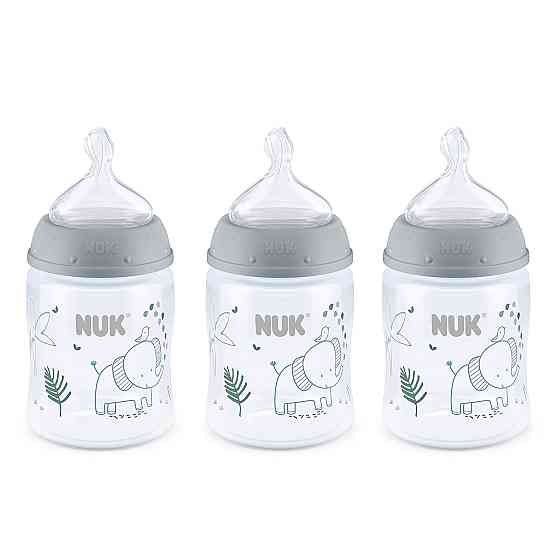
Expressed milk can be offered using the feeding method the baby normally uses or one recommended by a healthcare professional. The goal is reliable intake without creating additional distress. Caregivers should monitor wet diapers, feeding opportunities, behavior, and other age-appropriate indicators of hydration. Diaper expectations vary with age and clinical circumstances, so a pediatric clinician should interpret concerning output, especially in a young infant.
The breastfeeding parent should watch for breast engorgement, localized tenderness, redness, warmth, or systemic symptoms such as fever and feeling acutely unwell. These findings may require prompt medical assessment. Avoid aggressive breast massage or excessive pumping in response to fullness unless advised, because tissue trauma and inflammation can worsen discomfort.
If the baby has a medical condition, was born prematurely, has weight-gain concerns, or is receiving supplemental feeds, feeding plans should be coordinated with the baby’s clinician. A temporary nursing strike does not automatically require permanent weaning, but maintaining intake and milk removal may require an individualized plan.
Returning to Breastfeeding Without Pressure
Reintroduction is usually most successful when the breast is offered as a calm option rather than a test the baby must pass. Spend time skin-to-skin, hold the baby in a relaxed position, and allow the baby to explore the breast without immediately attempting a latch. Some babies resume nursing during a nap, at night, or in a quiet room with fewer visual and auditory distractions.
Addressing a likely trigger may improve the situation. If congestion is present, a clinician can advise on age-appropriate supportive care. If teething or oral pain is suspected, professional assessment can help determine whether discomfort is affecting feeding. If milk flow seems to be the issue, a lactation consultant can assess positioning, latch, breast compression, and the timing of milk ejection. The aim is not to manipulate the baby into feeding but to make breastfeeding physically easier and more predictable.
Parents may need emotional support as well as technical advice. Sudden refusal can feel personal, particularly when breastfeeding has been an important source of connection. The baby’s response is usually a communication about comfort or capacity, not a judgment of the parent. Accepting help with meals, pumping logistics, and monitoring can reduce exhaustion while the strike resolves.
Breastfeeding during teething may become unpredictable, and a baby may temporarily refuse because of gum discomfort. A separate assessment may be useful when biting, nipple trauma, or a painful latch is involved. Persistent refusal, recurrent strikes, or significant parental pain warrants a lactation consultant or healthcare professional review.
When to Seek Medical and Feeding Support
Contact the baby’s pediatric clinician promptly if the baby is refusing multiple feeds, has substantially fewer wet diapers, has a dry mouth, cries without tears when tears would normally be expected, is unusually sleepy or difficult to rouse, or cannot keep feeds down. Urgent care is appropriate for breathing difficulty, blue or gray coloration, severe lethargy, signs of significant dehydration, or a baby who appears seriously ill.
Medical advice is also important when refusal occurs with fever, persistent vomiting or diarrhea, suspected ear pain, mouth lesions, worsening jaundice, or concern about weight gain. Very young infants can become unwell quickly, and feeding refusal should be interpreted in the context of age, birth history, weight, and baseline intake.
Seek lactation support when the baby repeatedly struggles to latch, coughs or chokes at the breast, feeds for unusually long periods without seeming satisfied, or when pumping is painful or milk production is falling. A lactation consultant may observe a feed, evaluate oral-motor coordination and positioning, and help design a temporary expressed-milk plan. The baby’s clinician remains the appropriate professional for diagnosing or treating illness.
Keep a concise record of feeding attempts, expressed-milk volumes, wet diapers, symptoms, and any recent changes in medicines, products, routine, or health. This information can make professional assessment more efficient and helps identify whether the situation is improving.
Seek Prompt Medical Advice
- The baby is difficult to wake, unusually limp, or appears seriously unwell.
- Breathing is labored, feeding causes repeated choking, or the baby cannot coordinate breathing and swallowing.
- Wet diapers are markedly reduced, or there are other signs of dehydration.
- Fever, persistent vomiting, diarrhea, mouth lesions, or suspected ear pain accompanies the refusal.
- The baby cannot maintain adequate intake or has known weight-gain or medical concerns.
Tools & Assistance
- Feeding and diaper-output log
- Pediatric clinician or family doctor
- International Board Certified Lactation Consultant
- Local breastfeeding support service
- Breast pump or hand-expression supplies
FAQ
Does a nursing strike mean my baby is self-weaning?
Usually not. A nursing strike is sudden, whereas self-weaning is generally gradual. Look for pain, illness, routine disruption, sensory changes, or feeding difficulty, and seek advice if refusal persists.
How long can sudden breast refusal last?
It varies. Many strikes are temporary and resolve over a short period, but the duration depends on the cause. Maintain intake and milk removal, and contact a healthcare professional if feeding is inadequate or the baby seems unwell.
Should I keep offering the breast?
Offer gently when the baby is calm, drowsy, or showing feeding cues. Avoid forcing the latch or continuing when distress escalates. Skin-to-skin contact and a quiet environment may support a later attempt.
What should I do if my baby will not nurse at all?
Prioritize hydration and nutrition using expressed milk or another clinician-approved feeding method, while expressing milk to support production. Contact the baby’s clinician, particularly if there are fewer wet diapers, illness signs, or persistent refusal.
Can teething cause a temporary nursing strike?
Yes. Gum or oral discomfort can make sucking unpleasant, although other causes should not be overlooked. A clinician can assess pain, oral findings, and feeding safety.
Sources
- Mayo Clinic — Breastfeeding strike: Why do babies refuse to nurse?
- La Leche League GB — Nursing strikes
- Children’s Health Cambridgeshire and Peterborough NHS Foundation Trust — Sudden breast refusal and nursing strikes
Disclaimer
This article is for general educational purposes and does not diagnose or treat any condition. Contact a qualified healthcare professional for advice about your baby’s feeding, hydration, symptoms, or medical needs.















Please log in to leave a comment.