
Intro
Packing for birth is less about creating a perfect suitcase and more about reducing avoidable stress during a major transition. Whether you expect a vaginal birth, cesarean birth, induction, planned home birth, or an unplanned transfer, a focused bag can help you access documents, comfort items, clothing, medications, and newborn essentials without searching through unnecessary belongings.
Hospital policies, local regulations, clinical circumstances, and the length of admission vary. Ask your maternity unit, midwife, obstetric clinician, or birth center for its current list before packing. Keep the plan flexible: some items may remain unused, and healthcare professionals may provide equipment or supplies that you do not need to bring.
Highlights
Prioritize identification, maternity records, medications, communication devices, and practical clothing over large quantities of baby products.
Pack for labor, postpartum recovery, newborn care, and the possibility of an extended or operative admission.
Use small labeled pouches or bags so your support person can find essential items quickly.
Leave valuables, unnecessary electrical equipment, strong fragrances, and restricted or unsafe items at home.
Confirm medication, feeding, monitoring, visitor, and storage policies directly with your maternity facility.
Start with the facility’s requirements and your birth preferences
Before buying or packing anything, contact the hospital, birth center, or community midwifery service. Ask whether the facility supplies gowns, sanitary products, diapers, breast pumps, infant formula, feeding equipment, toiletries, towels, and basic newborn clothing. Also ask about electrical outlets, food storage, visitor limits, photography, aromatherapy, water immersion, and whether personal pillows or heating devices are permitted.
A written birth plan is useful as a communication tool, but it should describe preferences rather than function as a rigid script. Include relevant information about mobility, analgesia, monitoring, assisted vaginal birth, cesarean birth, skin-to-skin contact, cord management, feeding, and newborn medications or procedures. Keep it concise, and discuss it with your clinical team in advance. A separate home birth preparation checklist may be appropriate if you are planning an attended home birth; it should include emergency contacts and a clearly discussed transfer plan.
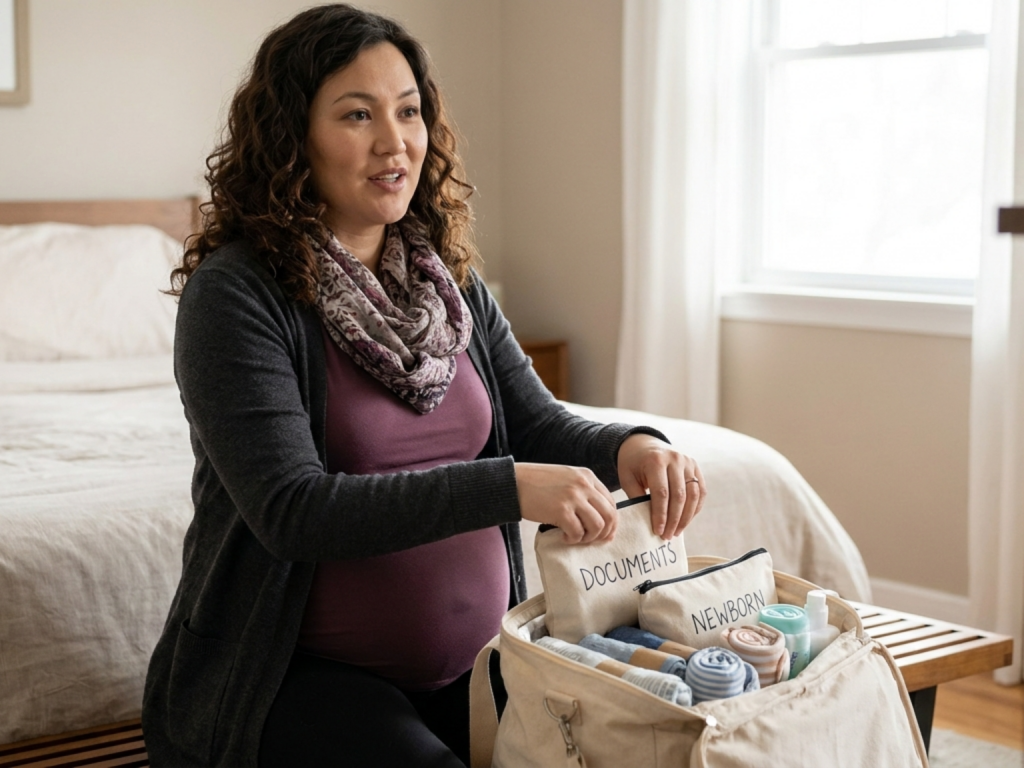
Pack by function rather than by person alone. One small bag can hold admission materials, another can hold labor and comfort items, and a third can hold postpartum and newborn supplies. Labeling bags or using transparent pouches reduces cognitive load when you are tired, in pain, or receiving clinical care.
Documents, medication information, and communication essentials
Place administrative and clinical information in an easily accessible folder or waterproof pouch. Useful items may include photo identification, insurance or payment information where applicable, hospital registration details, pregnancy or maternity records, relevant test results, referral letters, and contact information for your obstetric clinician, midwife, pediatric or newborn service, and chosen support person. If your facility uses electronic records, retain paper or offline copies of critical information in case access is delayed.
Bring a current medication and allergy list. Include prescribed medicines, over-the-counter products, supplements, dose and timing information, significant allergies or adverse drug reactions, and relevant medical conditions. Bring medications in their original labeled containers unless your healthcare team or facility gives different instructions. Do not stop, restart, or change a medicine because of labor or breastfeeding concerns without professional advice. The admitting team will determine which medicines are appropriate during hospitalization.
Pack a fully charged mobile phone, charging cable, and, if useful, a compact power bank approved for the setting. Add emergency contact numbers on paper, since a phone may be inaccessible, misplaced, or out of battery. A small notebook can help record questions, feeding observations, or instructions, although the clinical record remains the authoritative source for medical decisions.
What to pack for labor and physical comfort
Choose loose, washable clothing that allows examination, intravenous access, fetal monitoring, epidural placement, and movement if clinically appropriate. A front-opening nightdress, oversized shirt, robe, or nursing-friendly top may be practical. Pack several pairs of high-waisted underwear or disposable underwear, non-slip socks or slippers, and a light layer because room temperature can vary. Darker colors may be preferable if you expect blood or other body fluids.
Comfort items can support coping but should not obstruct assessment or create a safety concern. Consider lip balm, unscented moisturizer, hair ties, glasses and a case, a water bottle if permitted, and a small fan or handheld misting bottle if your facility allows it. Some people appreciate music, headphones, a familiar pillowcase, a small item with a comforting scent, or printed breathing and relaxation reminders. Avoid strong fragrances because they may worsen nausea, trigger migraine, or affect other patients and staff.
If you plan to use a birth ball, peanut ball, massage tool, TENS unit, heat pack, or other nonpharmacologic coping strategy, confirm compatibility with the facility and your clinical situation. Equipment must not interfere with monitoring, intravenous therapy, neuraxial analgesia, or infection-control procedures. Bring only clean, intact devices and their instructions. Do not pack unapproved heating elements, candles, incense, open flames, or homemade electrical equipment.
Pack modest quantities. Labor may be short, or it may involve induction, prolonged monitoring, operative delivery, or transfer between units. A small wash bag containing a toothbrush, toothpaste, gentle cleanser, deodorant, unscented moisturizer, and menstrual-style or maternity pads can be useful, but many facilities supply basic hygiene products.
Postpartum clothing and recovery supplies
After birth, comfort and ease of access matter more than appearance. Pack two or three loose outfits, a soft robe or cardigan, supportive but nonrestrictive bras, and footwear with a secure sole. If you expect to breastfeed or express milk, front-opening garments may make clinical assessment and feeding easier. Pack clothing that accommodates abdominal tenderness, perineal discomfort, edema, or a cesarean incision without assuming that any particular birth route will occur.
Useful personal items may include large, comfortable underwear, nursing pads if you already use them, a small laundry bag, and toiletries that are compatible with your skin. If you wear contact lenses, bring glasses and lens supplies; glasses are generally more practical during sleep deprivation and procedures. Pack a water bottle only if permitted, and ask staff about fluid restrictions if you have a medical condition or are receiving anesthesia.
Do not stockpile specialist postpartum products before checking what is supplied. Perineal irrigation bottles, cold packs, absorbent pads, sitz-bath equipment, abdominal binders, and breast pumps may be available, but their suitability depends on the birth and your assessment. Ask a midwife, obstetric clinician, or lactation professional before using products that apply pressure, heat, cold, or medication to a painful area.
For a planned cesarean birth, ask specifically about incision-friendly clothing, discharge timing, mobility expectations, and whether the hospital provides abdominal support or wound-care materials. A cesarean birth hospital bag may need practical adaptations, but the clinical team should guide postoperative care rather than relying on generic packing advice.
Newborn essentials for admission and discharge
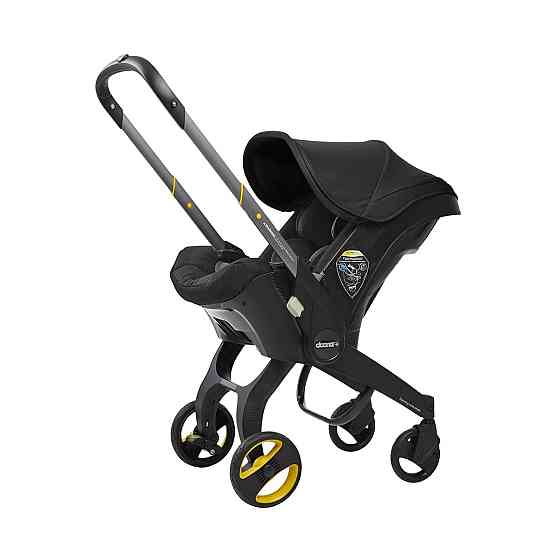
Newborn packing can remain simple. Bring two or three weather-appropriate outfits in different sizes, a hat if recommended for the climate or facility, soft socks or mittens if needed, and a receiving blanket. Include a correctly fitted, rear-facing infant car seat for the journey home if traveling by car. Install it before labor begins and follow the manufacturer’s instructions and local safety guidance. The car seat should not be used as a routine sleep space outside travel.
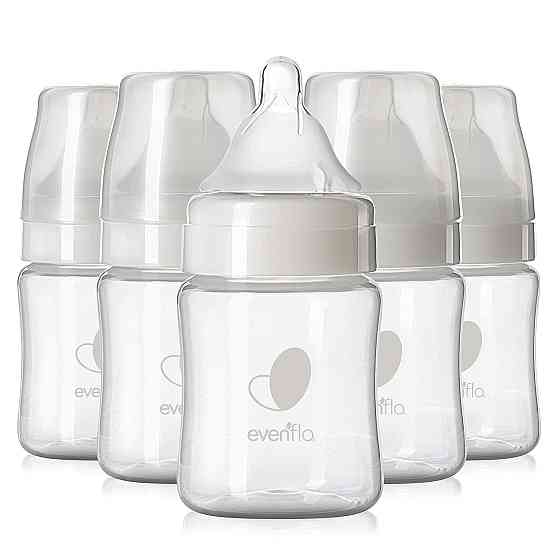
Most maternity units provide or have access to diapers, wipes or cotton, blankets, and basic newborn care supplies during admission, but policies differ. Ask whether you should bring feeding supplies. Avoid purchasing large quantities of formula, bottles, pacifiers, nipple shields, breast pumps, or specialty products before discussing your feeding intentions and the facility’s approach. These items can be helpful in particular circumstances, but they are not universally required and may complicate feeding plans if introduced without guidance.
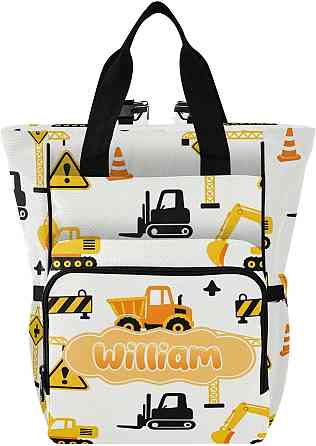
Pack a small bag for the baby rather than a complete nursery. Include identification or discharge paperwork requested by the facility, but do not place loose documents or small objects in the infant’s cot. A hospital bag checklist for baby should focus on safe transport, appropriate clothing, and items required by local policy. If your newborn needs additional observation or neonatal care, staff will explain what can be brought into that clinical area.
What the support person should bring
A support person may be present for many hours and should pack independently. Useful items include identification, phone and charger, comfortable layers, washable footwear, prescribed medications, personal hygiene supplies, snacks, and a refillable drink container if permitted. They should also bring a small amount of cash or a payment method for vending machines or nearby food, while checking whether the facility permits food in the labor room.
The support person can carry the document pouch, manage messages, communicate with family according to your wishes, and keep essential items within reach. A short list of your preferences, clinician contacts, and consent boundaries may be helpful, but the support person should not be expected to interpret clinical findings or make medical decisions outside the authority you have granted them.
Avoid bringing large luggage, multiple visitors’ belongings, alcohol, recreational drugs, weapons, or anything that could compromise infection prevention or staff access. The support person should be prepared to leave or change plans if hospital policy, clinical urgency, or your preferences require it.
What not to bring: clutter, hazards, and restricted items
Leave valuables such as expensive jewelry, large amounts of cash, irreplaceable keepsakes, and unnecessary electronic devices at home. Hospitals have limited storage, and responsibility for lost property may be restricted. Remove body piercings or jewelry if your clinician advises it, particularly when swelling, surgery, electrocautery, or emergency procedures could be relevant.
Do not bring candles, incense, open flames, aerosol products, strong essential oils, or unapproved heating appliances. Avoid glass containers, loose batteries, damaged chargers, and electrical devices that have not been cleared by the facility. Do not bring medications for another person, unlabelled substances, recreational drugs, or supplements for use during labor without disclosure and professional review.
If you are traveling by air before or after birth, transportation-security restrictions are separate from maternity-unit policy. The Transportation Security Administration advises travelers to check current rules for liquids, sharp objects, firearms, fireworks, and other restricted items; an item permitted in checked luggage may still be unsuitable for a hospital setting. Never pack firearms, fireworks, or other dangerous goods in a birth bag. Check the relevant authority for your country and airline rather than relying on an old checklist.
Finally, avoid packing based on fear. You do not need every labor gadget, every newborn size, or a complete postpartum pharmacy. Keep the bag adaptable, and allow your clinical team to supply or recommend items according to your examination, treatment, feeding plan, and recovery.
A practical packing and checking routine
A useful approach is to pack several weeks before the estimated due date, then review the bag periodically. Place the bag somewhere accessible and tell your support person where it is. Keep a short last-minute list beside it for items such as a phone, wallet, glasses, medication, and charging cable. If you have a planned induction or cesarean birth, follow the admission instructions provided by your unit.
Check expiry dates, battery charge, cleanliness, and clothing size. Wash newborn garments using a suitable detergent if recommended, remove loose packaging, and verify the infant car seat installation. Keep copies of relevant documents in a secure location, and update your medication and allergy list after any clinical change.
Before leaving, call the maternity triage service or follow your established instructions if you have questions about when to attend. Packing does not determine when labor begins or how birth unfolds. The most important preparation is knowing whom to contact, how to reach the facility, and how your team will support you if the plan changes.
Safety reminders
- Follow your maternity unit’s instructions about admission, food, fluids, medications, visitors, and personal equipment.
- Tell clinicians about every medicine, supplement, allergy, and recreational substance before treatment or anesthesia.
- Do not use candles, strong fragrances, unapproved electrical devices, or unsafe heating products in the clinical setting.
- Seek urgent maternity advice for concerning changes in your condition rather than delaying care to finish packing.
- Never place an infant to sleep in a car seat outside travel, and follow local safe-sleep guidance.
Tools & Assistance
- Ask your hospital or birth center for its current admission and discharge checklist.
- Create a medication and allergy list and save a copy on paper and on your phone.
- Use labeled pouches for documents, labor items, postpartum supplies, and newborn clothing.
- Install and check the rear-facing infant car seat before the estimated due date.
- Keep maternity triage, emergency, clinician, and support-person contact numbers accessible.
FAQ
When should I pack my birth bag?
Many families begin around 32 to 36 weeks, but timing depends on pregnancy history, clinical advice, distance from the facility, and the possibility of planned admission. Ask your clinician when preparation is most appropriate for you.
Do I need to bring diapers and postpartum pads?
Some facilities provide these items and others expect you to bring them. Confirm the policy directly, and pack a small personal supply if that makes you feel more secure.
Should I bring my own breast pump or formula?
Usually, not unless your healthcare team or facility recommends it. Feeding equipment and supplementation decisions depend on your preferences, the newborn’s condition, and professional assessment.
What if I have a planned cesarean birth?
Ask for specific instructions about fasting, medications, skin preparation, arrival time, clothing, discharge planning, and incision care. Pack loose, high-waisted clothing and avoid assuming that all postoperative supplies should be purchased independently.
Can I bring essential oils or a diffuser?
Only if the facility explicitly permits them and your clinical team agrees. Fragrances may trigger nausea, migraine, respiratory symptoms, or sensitivities, and diffusers may conflict with infection-control policies.
Sources
- Transportation Security Administration — What Can I Bring?
- Transportation Security Administration — Travel Checklist
- Lonely Planet — Packing like a pro: The ultimate guide to what to bring
Disclaimer
This article provides general educational information and does not replace individualized advice from your obstetric clinician, midwife, pediatric professional, or maternity facility. Contact your healthcare team promptly for urgent concerns or questions about medications, symptoms, or admission.














Please log in to leave a comment.