
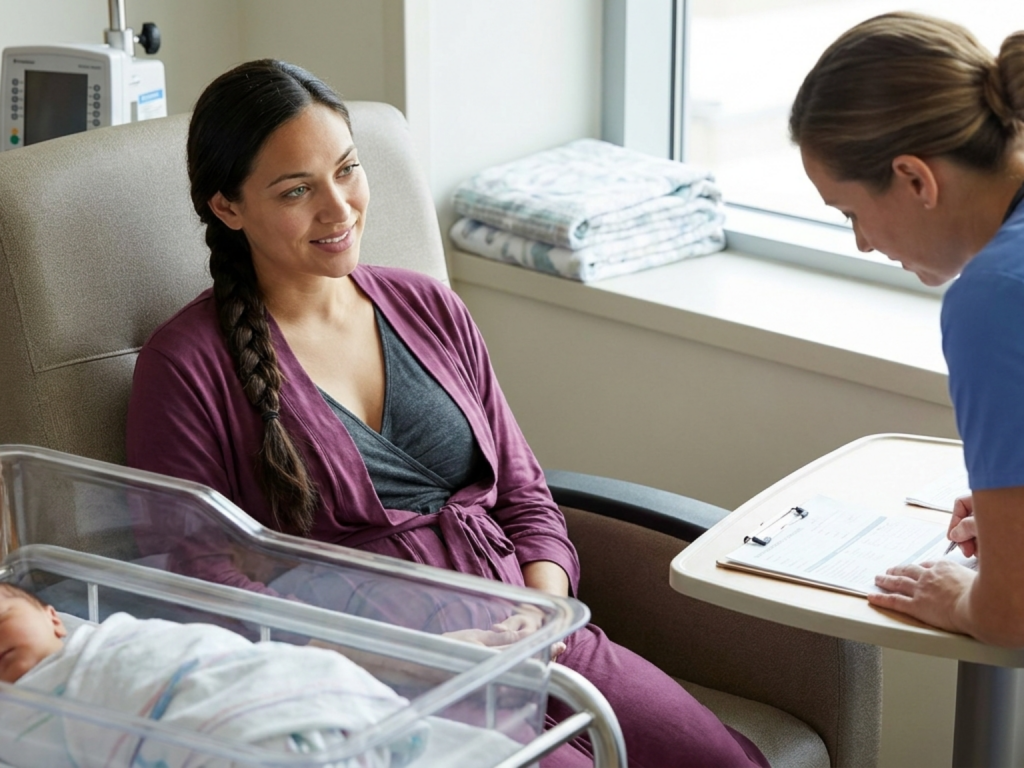
Intro
A C-section can be lifesaving, carefully planned, unexpectedly urgent, or all of these at once. The emotional impact is not determined only by the incision or operating room; it is shaped by medical urgency, pain, communication, expectations, support, previous trauma, cultural messages about birth, and how the parent and baby recover afterward.
Many people feel relief, pride, gratitude, sadness, anger, numbness, or disappointment after cesarean birth. These reactions can coexist. Understanding the range of possible emotional responses can help parents, partners, and clinicians respond with care instead of judgment.
Highlights
A C-section does not automatically cause depression or trauma, but some parents experience distress, especially after an emergency or frightening birth.
Loss of control, separation from the baby, severe pain, complications, or feeling unheard can intensify emotional recovery.
Planned cesarean birth may still bring complex feelings, even when it is medically appropriate and calmly performed.
Persistent intrusive memories, avoidance, panic, hopelessness, or inability to function deserve prompt professional support.
Why a C-section can feel emotionally complicated
A cesarean section is both a birth and major abdominal surgery. That dual reality matters emotionally. A parent may be processing surgical pain, anesthesia effects, blood loss, limited mobility, wound care, breastfeeding challenges, sleep deprivation, and newborn care at the same time. Even when the operation goes smoothly, the body and nervous system may need time to integrate what happened.
The emotional response often depends less on the delivery route alone and more on the surrounding context. A planned C-section for placenta previa, breech presentation, previous uterine surgery, or maternal medical disease may feel calm and protective. An emergency C-section after fetal heart rate concerns, prolonged labor, hemorrhage, infection, or failed assisted birth may feel frightening, rushed, or disorienting. In both situations, the parent may also feel grateful that the baby arrived safely while still grieving the birth they expected.
Research on psychosocial sequelae of cesarean delivery describes themes such as reduced perceived control, negative birth appraisal, disappointment, and postpartum mood disturbance in some parents. These findings do not mean cesarean birth is emotionally harmful for everyone. They do show that emotional recovery deserves the same seriousness as physical recovery after c-section, especially when the parent describes the birth as scary, humiliating, confusing, or isolating.
Planned versus emergency C-section: different emotional pathways
A planned C-section may allow time for preparation, discussion of anesthesia, arranging support, and setting expectations for recovery. Some parents experience this as reassuring, particularly if vaginal birth would carry significant medical risk. Others may feel judged, disappointed, or disconnected from common cultural narratives that define birth narrowly as vaginal labor. These feelings can appear even when the decision was medically sound.
An emergency C-section can carry a different emotional load. The parent may have been in pain, exhausted, frightened about the baby, or surrounded by urgent clinical activity. Consent conversations may have been brief because time was clinically limited. Monitors, alarms, transfer to theatre, rapid spinal or general anesthesia, and separation from a partner or baby can create a sense of lost control. A birth debrief after emergency cesarean can sometimes help parents reconstruct the timeline and understand why decisions were made.
A systematic review and network meta-analysis on mode of delivery and postpartum depression found that cesarean birth, particularly emergency cesarean, was associated with increased risk of postpartum depressive symptoms compared with some other modes of birth. This association is important but not deterministic. Emergency surgery may be a marker for other stressors, including fetal compromise, maternal complications, prolonged labor, inadequate support, or prior mental health vulnerability. The practical message is not to fear C-section itself, but to identify parents who need closer emotional follow-up.
Common emotions after cesarean birth
There is no single correct emotional response after cesarean birth. Some parents feel immediate relief that labor is over or that a dangerous situation has been resolved. Some feel proud of enduring a difficult procedure. Others feel flat, detached, shocked, tearful, angry, or ashamed. Emotional reactions can fluctuate over hours, days, or months, especially as pain, hormones, feeding, sleep, and social expectations change.
Parents may describe grief about missing vaginal birth, pushing, immediate skin-to-skin contact, delayed cord clamping, or a first hold in the operating room. Some feel that their body failed, even though cesarean birth is often an appropriate medical intervention rather than a personal failure. Others feel frustrated when relatives minimize the experience with phrases such as at least the baby is healthy. A healthy baby matters deeply, but it does not erase the parent’s medical and emotional experience.
Bonding can also feel different than expected. Some parents feel instant closeness; others need time, particularly after anesthesia, nausea, postoperative pain, neonatal admission, or separation. Delayed bonding is not proof of poor parenting. It can be a normal response to stress, medication, exhaustion, and disrupted early contact. Gentle, repeated caregiving moments such as feeding, holding, talking, diaper changes, and supported skin-to-skin contact can help connection grow gradually.
Mood, anxiety, and trauma-related symptoms to watch for
Postpartum emotional changes exist on a spectrum. Short periods of tearfulness, irritability, or overwhelm are common in the first days after birth, often called baby blues. These usually improve within about two weeks. Symptoms that are persistent, worsening, or impairing deserve clinical attention, whether the birth was vaginal, assisted, planned C-section, or emergency C-section.
Possible signs of postpartum depression include ongoing low mood, loss of interest, guilt, hopelessness, appetite or sleep changes beyond newborn disruption, poor concentration, and feeling unable to cope. Postpartum anxiety may involve racing thoughts, constant checking, panic symptoms, dread, or inability to rest even when help is available. Postpartum anxiety after C-section may focus on the incision, bleeding, the baby’s safety, fear of another medical emergency, or fear that movement will harm the wound.
Some parents experience trauma-related symptoms after a frightening or invasive birth. These can include intrusive images of the operating room, nightmares, flashbacks, avoidance of reminders, intense distress when discussing the birth, hypervigilance, emotional numbness, or a feeling that the body is unsafe. These symptoms are not a character flaw. They are signals that the nervous system may still be responding to perceived threat. A qualified clinician can assess symptoms and discuss appropriate support, which may include trauma-informed therapy, perinatal mental health care, medication review, or coordinated obstetric follow-up.
Factors that can increase or reduce emotional distress
Several factors can shape emotional recovery after cesarean birth. Risk may be higher when the surgery was unexpected, communication was poor, pain was severe, the parent felt coerced or dismissed, the baby needed neonatal care, breastfeeding was difficult, or there was a previous history of depression, anxiety, infertility, pregnancy loss, sexual trauma, or medical trauma. Social stressors such as financial strain, racism, intimate partner violence, isolation, or lack of paid leave can also increase vulnerability.
Protective factors include clear explanations, respectful consent, a trusted support person, effective pain control, early help with feeding, culturally sensitive care, practical household support, and follow-up that asks directly about mood and trauma symptoms. Family-centered cesarean practices, when clinically possible, may also help. These can include lowering the drape briefly for birth viewing, delayed cord clamping, immediate or early skin-to-skin, partner presence, and calm narration of what is happening.
The meaning a parent gives the birth may evolve over time. A person may initially feel fine because survival and newborn care require focus, then feel grief or anger weeks later when the urgency has passed. Another parent may feel distressed early and later feel more settled after physical healing, a clear medical explanation, or validating conversations. Emotional recovery is not linear, and it is reasonable to ask for support at any point in the first year or beyond.
Practical support for emotional recovery
Support should be specific, practical, and nonjudgmental. Rest is difficult with a newborn, but reducing physical strain can reduce emotional overload. Pain management, wound review, constipation prevention, help getting in and out of bed, and realistic activity limits all affect mood. Poorly controlled pain and sleep deprivation can make anxiety, irritability, and tearfulness much harder to manage.
It can help to tell the birth story in stages, with the option to stop. Some parents want the operative notes explained by a midwife, obstetrician, or family physician. Others prefer peer support, therapy, journaling, or quiet time before discussing details. Partners may also need support, especially if they witnessed fetal distress, hemorrhage, resuscitation, or a rapid transfer to theatre.
- Ask a clinician for a postpartum review that includes both physical healing and emotional symptoms.
- Request a birth debrief if the sequence of events feels unclear or distressing.
- Tell trusted people what kind of help is useful, such as meals, laundry, school runs, or holding the baby while you shower.
- Use urgent mental health or emergency services if there are thoughts of self-harm, harming the baby, psychosis symptoms, or feeling unable to stay safe.
Most importantly, emotional difficulty after cesarean birth is not evidence that the parent is ungrateful, weak, or failing. It is a healthcare issue and a human response to a major physical and psychological event.
Seek help promptly
- Contact a healthcare professional urgently if you have thoughts of harming yourself or your baby.
- Seek urgent care for hallucinations, paranoia, extreme agitation, or feeling detached from reality.
- Ask for medical review if sadness, anxiety, panic, or intrusive memories are persistent or worsening.
- Get prompt obstetric advice for fever, heavy bleeding, severe abdominal pain, wound opening, or foul-smelling discharge.
- Do not stop or start psychiatric medication postpartum without discussing it with a qualified clinician.
Tools & Assistance
- Postpartum check-up with a midwife, obstetrician, family physician, or perinatal nurse
- Birth debrief or review of operative notes with the maternity team
- Perinatal mental health therapist or psychiatrist for persistent depression, anxiety, or trauma symptoms
- Peer support group for cesarean birth or difficult birth experiences
- Emergency mental health service or crisis line for immediate safety concerns
FAQ
Does having a C-section mean I will develop postpartum depression?
No. Many parents recover emotionally well after cesarean birth. Research suggests risk can be higher in some groups, especially after emergency cesarean, but depression is influenced by many medical, psychological, and social factors.
Is it normal to feel sad even if my baby is healthy?
Yes. Gratitude for a healthy baby can coexist with grief, fear, anger, or disappointment about the birth. If these feelings persist, intensify, or affect daily functioning, professional support can help.
Can a planned C-section still feel emotionally difficult?
Yes. Even a calm planned surgery can bring worries about pain, bonding, feeding, body image, recovery, or the loss of an expected birth experience. These feelings are valid and worth discussing.
What is a birth debrief?
A birth debrief is a structured conversation with a maternity professional to review what happened, why decisions were made, and what it may mean for recovery or future pregnancies.
When should I seek urgent help?
Seek urgent help for thoughts of self-harm or harming the baby, psychosis symptoms, severe panic, inability to function, or any medical signs such as fever, heavy bleeding, or worsening wound pain.
Sources
- PubMed — Association between mode of delivery and postpartum depression: A systematic review and network meta-analysis
- PubMed — Psychosocial sequelae of cesarean delivery: review and analysis of the literature
- Tommy's — Coping with emotions after a c-section (caesarean)
Disclaimer
This article is for general information only and is not a diagnosis or treatment plan. Consult a qualified healthcare professional for personal medical or mental health advice, especially for urgent or worsening symptoms.
















Please log in to leave a comment.