
Intro
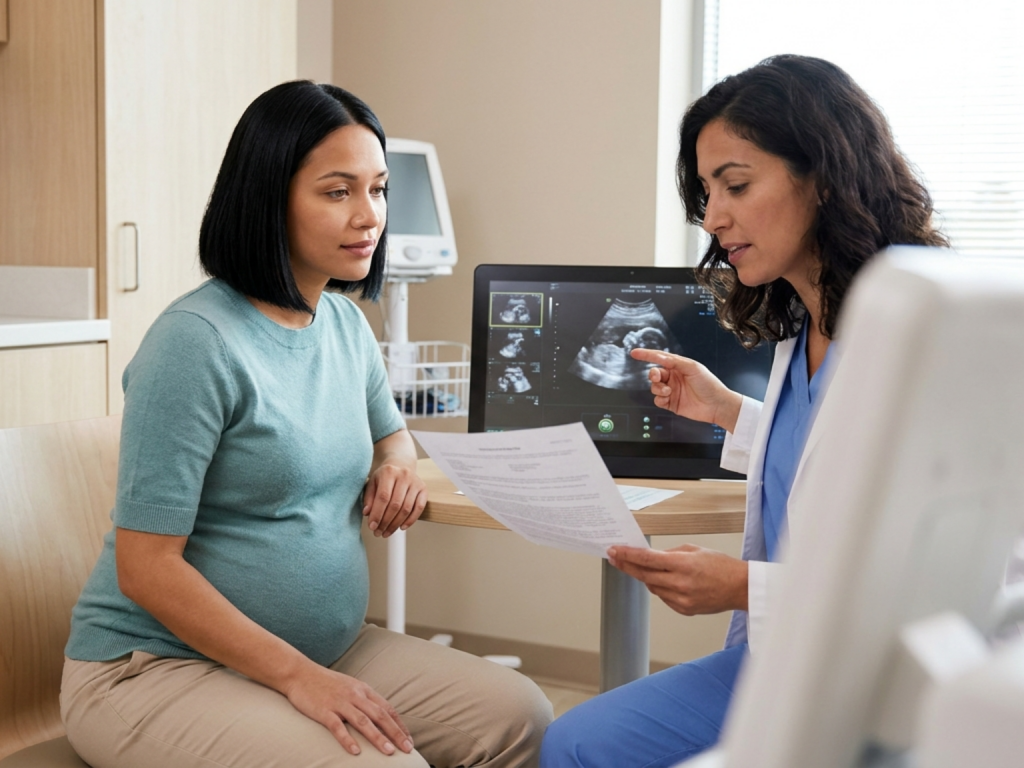
A cesarean section, or C-section, is a surgical birth in which the baby is delivered through incisions in the abdomen and uterus. Although many C-sections are planned, others become necessary during labor or pregnancy when vaginal birth may pose greater risks to the pregnant patient, fetus, or both.
“Special cases” include malpresentation, multifetal pregnancy, placenta previa, pre-eclampsia, fetal compromise, selected infections, previous uterine surgery, and labor that does not progress safely. The decision is individualized, balancing gestational age, clinical urgency, imaging and examination findings, maternal preferences, available expertise, and the anticipated risks of each delivery route.
Highlights
A C-section may be planned in advance or performed urgently when circumstances change during pregnancy or labor.
Breech or transverse lie, placenta previa, severe pre-eclampsia, fetal compromise, and obstructed or prolonged labor are important special-case indications.
Not every special circumstance automatically requires surgery; timing and route of birth depend on the complete clinical picture.
A multidisciplinary team may be needed when maternal disease, fetal anomalies, multiple gestation, bleeding, or infection complicates delivery.
What makes a C-section a special-case decision?
Cesarean indications are often grouped into broad clinical categories: malpresentation, fetal compromise, placental or antepartum bleeding, hypertensive disease, labor dystocia, multifetal pregnancy, maternal medical conditions, and prior uterine or pelvic surgery. This classification is useful because the same operation can be recommended for very different reasons, with different degrees of urgency and different implications for future pregnancies.
The decision is not based solely on whether a condition is present. Clinicians consider its severity, whether it is stable or worsening, gestational age, fetal growth and well-being, cervical findings, the position of the placenta and fetus, and the likelihood that labor could be completed safely. A planned C-section usually allows time for consultation, laboratory assessment, anesthesia review, and preparation of the newborn team. An urgent procedure may be recommended when delay could increase the risk of serious harm.
Shared decision-making remains important whenever circumstances permit. Patients can ask what problem is being addressed, how quickly birth is recommended, whether induction or vaginal birth remains reasonable, what alternatives exist, and how the recommendation may affect future pregnancies. In an emergency, clinicians may need to act before every question can be explored, while still explaining the immediate concern as clearly as possible.
Fetal position, multiple pregnancy, and fetal well-being
Malpresentation is one of the most recognized special cases. In breech presentation, the buttocks or feet are positioned to emerge before the head; in a transverse or oblique lie, the fetus is not aligned head-down along the birth canal. A planned C-section may be advised when the presentation is unlikely to permit a safe vaginal birth, particularly if attempts to change fetal position are unsuitable or unsuccessful. The recommendation also depends on gestational age, the type of breech presentation, fetal size, pelvic and uterine factors, and the experience of the local team.
Multiple gestation requires individualized planning. Twins or higher-order multiples may have different presentations, unequal growth, placental arrangements, or signs of fetal compromise. Some twin pregnancies can be considered for vaginal birth when specific clinical criteria are met, while others are safer by planned cesarean delivery. The route may also change if the first twin is not head-down, if there is significant discordant growth, or if one or more fetuses become unstable.
Fetal compromise refers to concerning evidence that the fetus may not be tolerating the intrauterine environment or labor. A nonreassuring fetal heart rate pattern, persistent low oxygenation concerns, placental abruption, cord prolapse, or severe growth-related problems can prompt urgent delivery. Clinicians interpret fetal monitoring alongside contractions, maternal vital signs, examination findings, ultrasound information, and the response to initial measures. A concerning tracing does not always mean an immediate C-section, but persistent or severe abnormalities may make rapid birth the safest option.
Placental location, bleeding, and hypertensive disease
Placenta previa occurs when the placenta lies over or close to the internal cervical opening. If the placenta obstructs the birth canal, labor can cause substantial hemorrhage, and a planned C-section is generally considered safer. Placental position may change as the uterus enlarges, so follow-up ultrasound is often used to clarify the relationship between the placenta and cervix. Significant vaginal bleeding at any stage of pregnancy requires prompt medical assessment because causes include placenta previa, placental abruption, vasa previa, labor-related changes, and other conditions with different treatments.
Placental abruption, in which the placenta separates from the uterine wall before birth, can produce pain, bleeding, uterine tenderness, contractions, or fetal compromise. The amount of visible bleeding does not always reflect the seriousness of the condition. If the fetus or pregnant patient is unstable and vaginal birth is not imminent, urgent cesarean delivery may be considered. Stabilization, blood testing, intravenous access, and preparation for hemorrhage are important parts of care.
Pre-eclampsia and related hypertensive disorders can affect the brain, kidneys, liver, blood clotting, placenta, and fetal growth. Delivery is the definitive treatment for pre-eclampsia, but the route and timing depend on gestational age, disease severity, cervical status, fetal condition, and response to stabilization. Severe features, seizures, pulmonary edema, uncontrolled blood pressure, significant laboratory abnormalities, or fetal compromise may require expedited birth. A C-section is not automatically required solely because pre-eclampsia is present; induction and vaginal birth may remain appropriate in selected stable cases.
Maternal conditions, infections, and previous uterine surgery
Some maternal medical or anatomical conditions make labor particularly hazardous. Examples may include certain obstructive pelvic masses, major cardiopulmonary disease in which prolonged labor is poorly tolerated, neurological conditions where pushing could be dangerous, or a prior operation involving the uterus. These situations require specialist review rather than a universal rule. The obstetric team may consult anesthesia, maternal-fetal medicine, surgery, cardiology, neurology, or other relevant specialists.
Previous cesarean delivery deserves individualized counseling. The choice between planned repeat cesarean and a trial of labor after cesarean depends on the prior uterine incision, the number and timing of previous operations, other uterine procedures, the current pregnancy, and whether emergency surgical care is immediately available. A prior low-transverse incision may permit trial of labor for some patients, whereas a prior classical incision or other high-risk uterine scar may substantially change recommendations because of uterine rupture risk. The abdominal skin scar does not reliably identify the uterine incision, so operative records are valuable.
Infections can also affect delivery planning. Certain untreated or active genital infections, including some herpes simplex presentations, may increase the risk of neonatal transmission during passage through the birth canal. HIV management is individualized according to viral load, treatment, and local protocols. Group B streptococcus generally calls for intrapartum antibiotics rather than automatic cesarean birth. The appropriate plan therefore depends on the organism, treatment status, timing of membrane rupture, viral or bacterial burden, and newborn considerations.
Labor that does not progress or induction complications
Labor dystocia, sometimes described as failure to progress, is a common reason for unplanned cesarean birth. It may involve a prolonged latent phase, slow cervical dilation, a prolonged second stage, inadequate contractions, or a mismatch between fetal size or position and the maternal pelvis. Because labor varies widely, clinicians usually assess the pattern over time rather than relying on a single cervical examination. They may evaluate membrane status, contraction strength, fetal position, pain control, hydration, and maternal and fetal stability before recommending surgery.
When induction is used, an unfavorable cervix, prolonged induction, failed cervical ripening, or an inability to establish safe labor may lead to C-section. However, the definition of a failed induction depends on factors such as whether the membranes have ruptured, whether adequate contractions were achieved, and how the pregnant patient and fetus are tolerating the process. The team should explain what has been tried, what additional time or interventions might be reasonable, and why continuing labor may no longer be safe or effective.
An obstructed labor emergency can occur when the fetus cannot descend despite adequate contractions, particularly with malposition, malpresentation, or pelvic obstruction. Warning signs may include maternal exhaustion, abnormal fetal heart rate findings, increasing caput or molding, or lack of descent. Prompt assessment is essential. Depending on the situation, assisted vaginal birth may be possible, but cesarean delivery is often required when vaginal birth cannot be completed safely.
What to expect when a special-case C-section is recommended
For a planned procedure, preparation commonly includes reviewing medical history and allergies, blood testing, consent, anesthesia assessment, fetal evaluation, infection prevention, and discussion of medications and recovery. Regional anesthesia, such as spinal or combined spinal-epidural anesthesia, is often used so the patient remains awake while pain is blocked. General anesthesia may be needed when regional anesthesia is contraindicated, time is critical, or regional anesthesia is unsuccessful. The newborn team may attend when prematurity, fetal compromise, infection, or other complications are anticipated.
In an urgent C-section, the sequence is compressed. The team focuses on maternal stabilization, fetal monitoring, intravenous access, blood availability when hemorrhage is possible, antibiotics when indicated, and rapid communication among obstetrics, anesthesia, nursing, and neonatal clinicians. The degree of urgency can vary: some operations are recommended promptly but allow time for regional anesthesia and explanation, while others require immediate action because of profound maternal or fetal instability.
After birth, monitoring includes bleeding, uterine contraction, blood pressure, pain, temperature, urination, mobility, and signs of infection or thrombosis. Recovery from abdominal surgery can affect lifting, driving, feeding positions, sleep, and emotional well-being. Patients should receive individualized guidance about wound care, medications compatible with breastfeeding when applicable, warning signs, and follow-up. A difficult or unexpected birth can also be emotionally distressing; requesting psychological support, debriefing, or perinatal mental-health care is appropriate and does not imply that a patient has responded incorrectly.
Questions and preparation for individualized counseling
When there is time to plan, a focused consultation can clarify both medical reasoning and practical arrangements. Useful questions include: What is the specific indication for cesarean birth? How urgent is delivery? Is vaginal birth or induction a reasonable alternative? What findings would change the plan? Which anesthesia is anticipated? Will a neonatal specialist be present? How might this affect future pregnancies or the possibility of vaginal birth after cesarean?
Patients can also ask about blood-loss planning, medication allergies, thrombosis prevention, feeding and skin-to-skin contact, support-person policies, and postoperative follow-up. Bringing prior operative reports, a medication list, allergy information, and relevant imaging can help the team. If a recommendation is made urgently, it is reasonable to ask for a brief explanation of the immediate risk while following the team’s instructions.
No single online overview can determine the safest route of birth for an individual. The most appropriate plan may change as pregnancy progresses or as labor unfolds. A respectful clinical conversation should acknowledge uncertainty, explain benefits and risks in understandable terms, and support the patient through an often stressful decision.
Seek urgent medical care for warning signs
- Heavy vaginal bleeding, severe abdominal pain, fainting, or marked weakness
- Decreased or absent fetal movement according to the care team’s instructions
- Severe headache, visual disturbance, chest pain, shortness of breath, or sudden swelling
- Fever, leaking fluid with an unpleasant odor, or rapidly worsening illness
- Regular contractions, rupture of membranes, or suspected cord prolapse
- After C-section: heavy bleeding, wound separation, severe pain, fever, calf swelling, or breathing difficulty
Tools & Assistance
- A written list of medications, allergies, medical conditions, and prior surgeries
- Copies of prior cesarean or uterine-surgery operative reports
- A consultation with an obstetrician or maternal-fetal medicine specialist
- An anesthesia consultation when significant medical disease or a complex surgical history is present
- A written birth and postoperative support plan developed with the maternity unit
FAQ
Does breech presentation always require a C-section?
Not always. Management depends on the type of breech, gestational age, fetal and maternal factors, whether version is suitable, and the expertise available for planned vaginal breech birth. Many teams recommend planned cesarean in circumstances where vaginal breech birth carries greater risk.
Can pre-eclampsia be managed with vaginal birth?
Sometimes. If the patient and fetus are stable and induction is clinically reasonable, vaginal birth may be attempted. Severe disease, fetal compromise, an unfavorable situation for induction, or an urgent need for delivery may lead to cesarean birth.
Is a C-section always needed after a previous C-section?
No. Some patients may be candidates for a trial of labor after cesarean, while others are advised to have a planned repeat cesarean because of the uterine scar or other risks. The prior operative report and current pregnancy findings are important.
What is the difference between an urgent and an emergency C-section?
Both are unplanned or expedited procedures, but urgency varies. An urgent operation may allow time for stabilization and regional anesthesia, whereas an emergency procedure may need to proceed immediately because of severe maternal or fetal instability.
Sources
- PubMed Central — Classifications for Cesarean Section: A Systematic Review
- NHS — Caesarean section
- PubMed — When is primary cesarean appropriate: maternal and obstetrical indications
Disclaimer
This article is for general educational purposes and does not diagnose, treat, or replace advice from a qualified obstetric or other healthcare professional. Seek urgent medical care for concerning symptoms or follow your maternity team’s instructions.


















Please log in to leave a comment.