
Intro
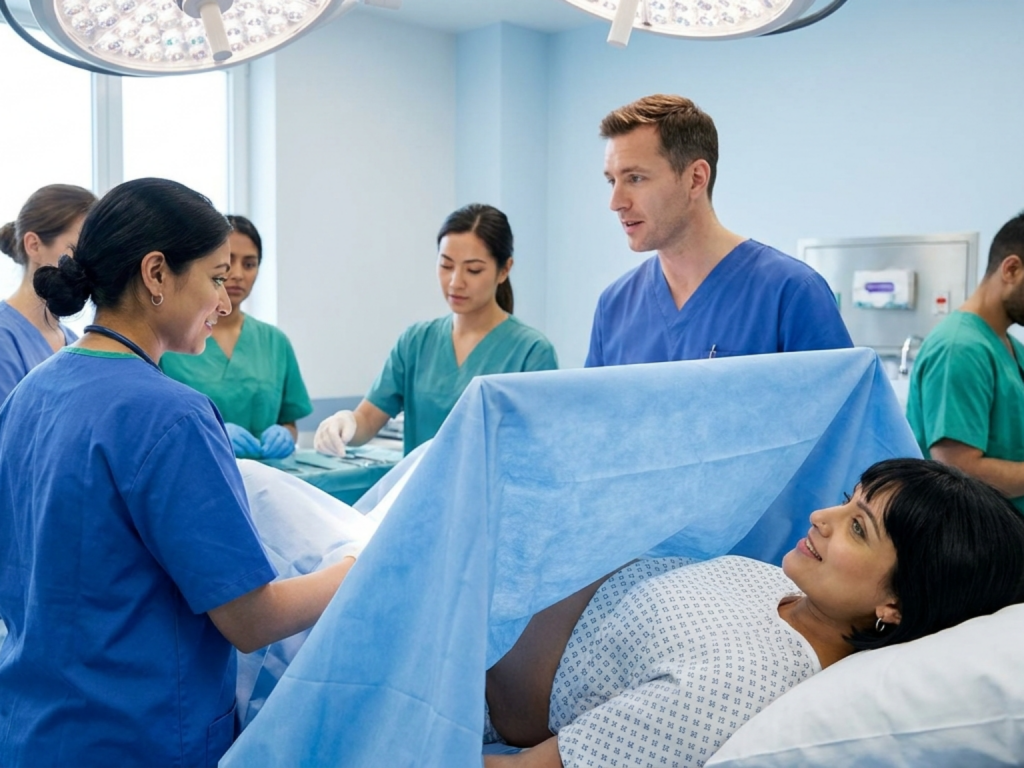
A cesarean section, commonly called a C-section, is a surgical birth in which a baby is delivered through incisions in the abdomen and uterus. It may be planned, decided on during labor, or performed urgently when continuing labor or vaginal birth is considered less safe.
Whether you expected a C-section or encountered one unexpectedly, it is reasonable to have questions about the decision, anesthesia, operation, recovery, and future pregnancies. Understanding the usual pathway can make conversations with your maternity team more focused and reassuring.
Highlights
A medically indicated C-section can protect the pregnant person, the baby, or both, but it remains major abdominal surgery.
Most procedures use regional anesthesia, allowing the patient to remain awake while the lower body is numb.
Recovery usually requires gradual activity, effective pain management, incision observation, and attention to warning signs.
Having one C-section does not automatically mean that every future birth must be surgical.
What a C-section is and why it may be needed
A C-section involves opening the abdominal wall and uterus to deliver the baby. A planned C-section before labor may be recommended when a known condition makes vaginal birth less safe. An unplanned or emergency C-section during labor may become necessary if new concerns arise or labor does not progress as expected. The word emergency describes the need to expedite birth, but the degree of urgency varies.
Common indications include placenta previa covering the cervical opening, certain abnormal placental attachments, transverse fetal lie, some breech presentations, umbilical cord prolapse, significant fetal or maternal compromise, obstructed labor, and selected multiple pregnancies. A nonreassuring fetal heart rate pattern may also prompt operative birth when assessment suggests that the baby may not tolerate continued labor. Previous uterine surgery, including some types of cesarean incision, can affect recommendations.
The World Health Organization emphasizes that cesarean delivery can be lifesaving when medically indicated. At the same time, performing surgery without a clear expected benefit can expose the patient and baby to avoidable risks.
How the decision is made
The safest route of birth depends on the clinical circumstances, the urgency, available expertise, and the informed preferences of the pregnant person. Shared decision-making for delivery route should include the reason a C-section is being considered, reasonable alternatives, the consequences of waiting, and the likely benefits and risks of each option. In a rapidly evolving emergency, there may be less time for discussion, but the team should still explain what is happening as clearly as circumstances allow.
For a nonurgent recommendation, useful questions include whether the indication is temporary or definite, whether additional monitoring or an obstetric second opinion is appropriate, and how the proposed timing could affect the newborn. Individual factors such as gestational age, previous uterine incisions, placental location, fetal presentation, medical conditions, and plans for future pregnancies all matter.
A request for cesarean birth without a standard medical indication deserves a respectful discussion rather than dismissal. The obstetric clinician can explore concerns such as previous trauma, severe fear of childbirth, pelvic-floor worries, or prior difficult birth and explain locally available options.
Preparing for cesarean birth
Preparation differs between scheduled and urgent procedures. Before a planned operation, the maternity team may review medical and surgical history, allergies, medicines, laboratory results, blood type, and the intended anesthesia plan. Follow the hospital’s individualized instructions about fasting, arrival time, and which regular medicines to take or pause; do not change prescribed medication without professional advice.
In the operating area, staff usually confirm identity, consent, allergies, the reason for surgery, and relevant safety checks. An intravenous line is placed, monitoring is applied, and a urinary catheter is commonly inserted around the time anesthesia takes effect. C-section sterile preparation includes cleansing the abdomen and placing sterile drapes. Hair removal, if required, is generally limited to the operative area.
Antibiotic prophylaxis before cesarean is a standard evidence-based strategy used to reduce maternal infection risk, although the precise regimen depends on local protocols and allergies. Measures to reduce venous thromboembolism may include compression devices, early mobilization, or medication for patients with additional risk factors. Ask whether a support person, music, skin-to-skin contact, or a lowered drape can be accommodated safely.
What happens during the operation
Regional anesthesia for C-section, usually a spinal, epidural, or combined spinal-epidural technique, numbs the body from approximately the chest or waist downward while allowing the patient to remain awake. Pressure, pulling, or movement may be felt, but sharp pain should be reported immediately. General anesthesia is sometimes necessary, particularly when regional anesthesia is unsuitable, inadequate, or there is extreme urgency.
The surgeon commonly makes a low transverse abdominal incision near the bikini line, then opens the deeper tissue layers. The most frequent uterine opening is a low transverse uterine incision, although fetal position, placental location, adhesions, prematurity, or an emergency may require a different approach. The amniotic membranes are opened if still intact, and the baby is delivered with assistance as needed.
The umbilical cord is clamped and cut, and the newborn is assessed. Delayed cord clamping and immediate skin-to-skin contact may be possible when parent and baby are stable and the operating environment supports them. Placenta removal during C-section is followed by inspection of the uterine cavity, control of bleeding, and closure of the uterus and abdominal layers. Evidence-based techniques vary, so not every hospital closes each layer in exactly the same way. The operation often takes longer than the delivery itself because careful hemostasis and closure are essential.
Benefits, risks, and possible complications
The principal benefit is timely birth when vaginal delivery would create greater risk. Depending on the indication, surgery may reduce the likelihood of fetal oxygen deprivation, birth trauma, severe maternal bleeding, uterine rupture, or complications from an obstructing placenta. These benefits should always be weighed against the patient’s individual surgical and obstetric risks.
Maternal complications can include hemorrhage, blood transfusion, infection of the uterus or incision, reactions to anesthesia, injury to nearby organs, urinary complications, blood clots after C-section, and, rarely, critical illness or death. Adhesions can form as tissues heal, potentially making later abdominal or pelvic surgery more complex. Risk is influenced by urgency, underlying health, labor duration, membrane rupture, surgical history, and other factors.
For the baby, possible concerns include accidental skin injury and newborn breathing difficulties after cesarean, particularly when birth occurs before full term or before labor has begun. Most babies do well, and neonatal staff are available when additional assessment or breathing support may be needed. No risk list predicts an individual’s outcome; the obstetric and anesthesia teams can explain which complications are most relevant in a specific situation.
Recovery in hospital and at home
Early recovery includes monitoring of blood pressure, pulse, bleeding, urine output, pain, and return of leg movement after regional anesthesia. Fluids and food are resumed according to clinical status and local practice. Postoperative cesarean pain control may combine several approaches, with the aim of supporting comfortable breathing, movement, infant care, and sleep while limiting adverse effects. Medication choices require individualized advice, particularly during breastfeeding or when other conditions are present.
Early walking after cesarean birth helps restore mobility and may reduce clot risk, but assistance is important until sensation, strength, and balance have returned. Activity should increase gradually. Follow the maternity team’s guidance about lifting, exercise, bathing, driving, sexual activity, and wound dressings rather than relying on a fixed universal timeline.
Incision care after cesarean delivery generally involves keeping the area appropriately clean and observing it for separation, increasing redness, swelling, warmth, discharge, or worsening pain. Vaginal bleeding called lochia is still expected because the uterus must shed its pregnancy lining. Recovery is rarely linear: fatigue, uterine cramping, gas discomfort, and soreness with coughing or changing position can fluctuate. Seek review if recovery is worsening rather than gradually improving.
Feeding, bonding, and emotional recovery
A C-section does not prevent bonding or breastfeeding, although positioning, pain, nausea, sleepiness, separation for medical care, or delayed milk production may make the beginning more challenging. Side-lying or supported positions can reduce pressure on the incision. A midwife, nurse, lactation professional, or pediatric clinician can assess feeding effectiveness and help create a plan appropriate for the parent and baby.
Emotional responses vary widely. Relief, joy, disappointment, grief, numbness, or fear can coexist, particularly after an unexpected emergency cesarean delivery. The mode of birth does not determine a person’s strength or success as a parent. A post-birth debrief with the obstetric team may clarify why decisions were made and address unanswered questions.
Persistent low mood, intense anxiety, intrusive memories, nightmares, panic, or difficulty functioning deserves prompt professional attention. Urgent help is needed for thoughts of self-harm, harming the baby, severe confusion, hallucinations, or loss of contact with reality. Partners and support people can assist by protecting rest, managing practical tasks, and taking emotional concerns seriously.
Future pregnancies and birth options
A previous C-section can influence placental attachment, uterine rupture risk, and planning for the next birth, but it does not automatically require another cesarean. Vaginal birth after cesarean may be an option for some patients, especially after a prior low transverse uterine incision and when an appropriately equipped maternity service is available. Others may be advised to have a planned repeat operation because of the prior incision type, obstetric history, current pregnancy, or local resources.
Future counseling should review the operative report, including the uterine incision rather than relying on the appearance of the skin scar. With increasing numbers of cesarean births, risks such as placenta previa, placenta accreta spectrum, adhesions, hemorrhage, and surgical injury may rise. Discuss reproductive plans, pregnancy spacing, and early placental assessment with a qualified clinician. Decisions should remain individualized and revisited as each pregnancy develops.
Seek urgent medical care
- Heavy bleeding, fainting, chest pain, breathing difficulty, or a racing heartbeat
- One-sided leg pain or swelling, especially with sudden shortness of breath
- Fever, worsening abdominal pain, foul-smelling discharge, or an increasingly red or draining incision
- Severe headache, vision changes, right upper abdominal pain, or sudden swelling
- Thoughts of self-harm or harming the baby, hallucinations, severe confusion, or extreme agitation
Tools & Assistance
- Ask the obstetric team for the indication, urgency, alternatives, and expected recovery plan
- Request an anesthesia consultation if you have medication allergies, spinal problems, or previous anesthesia complications
- Keep the hospital maternity triage and emergency contact numbers readily available
- Arrange practical help for meals, transport, household work, and lifting during early recovery
- Request feeding support or a post-birth debrief when needed
FAQ
Will I be awake during a C-section?
Usually, yes. Most C-sections use spinal or epidural anesthesia, but general anesthesia may be required in some emergencies or when regional anesthesia is unsuitable.
How long does C-section recovery take?
Recovery varies. Mobility often improves substantially over the first few weeks, while deeper tissue healing continues longer. Follow individualized guidance and seek review if pain or function worsens.
Can I have skin-to-skin contact in the operating room?
Often, when the parent and baby are stable and the surgical setting can support it safely. Discuss this preference before surgery when possible.
Does one C-section mean all future births must be C-sections?
No. Some people are candidates for vaginal birth after cesarean, while others are safer with repeat surgery. The prior uterine incision and current pregnancy are important considerations.
Is pain around the incision normal?
Some soreness is expected, but rapidly increasing pain, redness, swelling, discharge, wound separation, or fever should be assessed promptly by a healthcare professional.
Sources
- Mayo Clinic — C-section
- World Health Organization — Caesarean section
- PubMed — Evidence-based surgery for cesarean delivery: an updated systematic review
Disclaimer
This article provides general medical information and is not a substitute for individualized advice, diagnosis, or treatment from your obstetric, anesthesia, or pediatric healthcare team.

















Please log in to leave a comment.