
Intro
Considering a home birth can bring up a mix of confidence, hope, and very reasonable questions about safety. For some pregnant people, a planned home birth with a qualified clinician and a rapid transfer pathway can be a safe, respectful option. For others, the safest plan is a hospital or hospital-based birth center, even if the goal is still a physiologic, low-intervention vaginal birth.
The key distinction is not simply “home versus hospital,” but whether the pregnancy is truly low risk, whether skilled professional care is present, and whether emergency services can respond quickly if labor changes course.
Highlights
Home birth is generally considered only for healthy people with low-risk pregnancies and no significant maternal or pregnancy-related disease.
A safer planned home birth usually involves a single baby, head-down presentation, and gestational age within the term window recommended by professional guidance.
Breech or other malpresentation, multiple gestation, and prior cesarean delivery are treated by ACOG as absolute contraindications to planned home birth.
Safety depends heavily on a qualified, regulated birth professional, appropriate equipment, and a clear home birth emergency transfer plan.
Even low-risk labor can become urgent, so choosing home birth should include honest discussion with obstetric, midwifery, and pediatric care teams.
The safest candidate is healthy and low risk
A planned home birth is most appropriate for a pregnant person who is healthy, has an uncomplicated pregnancy, and is expected to have a straightforward vaginal birth. In clinical terms, this usually means no significant preexisting maternal disease, no major pregnancy-related complication, and no known fetal condition requiring immediate specialist care at birth. The pregnancy should involve one fetus in cephalic presentation, meaning the baby is head-down, and labor should begin within an accepted term window, often described in professional guidance as roughly 36–37 weeks through 41–42 weeks of gestation.
“Low risk” is not a fixed identity; it is a status that can change. A person may begin pregnancy as an excellent home birth candidate and later develop gestational hypertension, fetal growth concerns, placenta-related problems, or a need for induction. This is why ongoing prenatal care is central to home birth safety. Risk assessment should be repeated throughout pregnancy, at the onset of labor, and during labor itself.
A low-risk profile does not guarantee an uncomplicated birth. It means the baseline probability of needing urgent intervention is low enough that a home setting may be reasonable when supported by qualified professional attendance and a reliable transfer system.
Pregnancy factors that support home birth eligibility
Several clinical features make a planned home birth more likely to fall within accepted safety boundaries. The fetus should be singleton, head-down, and growing appropriately. There should be no placenta previa, suspected placental abruption, significant congenital anomaly requiring immediate neonatal intervention, or persistent abnormal fetal testing. The pregnant person should not have medical conditions that increase the likelihood of rapid deterioration, severe hemorrhage, stroke, seizure, or fetal compromise.
Common examples of reassuring factors include normal blood pressure, absence of preexisting or medication-requiring diabetes, no significant heart disease, no severe anemia, no active infection requiring hospital-level management, and no history that suggests a high chance of obstructed labor or severe postpartum hemorrhage. Screening results, ultrasound findings, and clinical examination should all support the impression that labor is likely to progress safely outside a hospital.
Timing matters as well. Birth that occurs too early can involve respiratory distress, temperature instability, feeding difficulty, and need for neonatal support. Birth that goes well beyond term may carry increasing concerns about placental function, meconium, and fetal distress. A home birth plan should specify what happens if labor begins before or after the agreed gestational window.
When home birth is not considered safe
Some situations move a pregnancy out of the low-risk category. ACOG identifies fetal malpresentation, multiple gestation, and prior cesarean delivery as absolute contraindications to planned home birth. In practice, this means a breech, transverse, or otherwise non-head-down baby; twins or higher-order multiples; and planned vaginal birth after cesarean are not considered safe candidates for home birth under that guidance.
Other conditions commonly make home birth unsafe or strongly inadvisable because they increase the chance that urgent hospital-based care will be needed. These include diabetes, high blood pressure disorders, significant heart disease, severe pregnancy-related disease, and conditions that increase the risk of hemorrhage or fetal compromise. A history of major obstetric complications may also change the recommendation, especially if the same complication could recur.
It can be emotionally difficult to hear that a home birth is not advisable, particularly if you imagined birth as quiet, private, and physiologic. That disappointment is real. Still, “not safe for home” does not mean “no choices.” Many people can still create a flexible low-intervention birth plan in a hospital setting, including mobility, hydrotherapy if available, intermittent or continuous fetal heart rate monitoring as clinically appropriate, doulas, delayed cord clamping when safe, and shared decision-making about interventions.
The birth team matters as much as the risk profile
Research and professional guidance consistently emphasize that planned home birth safety depends on the presence of trained, regulated professionals who are integrated into a responsive health system. A low-risk pregnancy without an appropriately qualified birth attendant is not the same safety scenario as a low-risk pregnancy attended by a licensed midwife with emergency skills, equipment, medications permitted by local scope of practice, and established transfer relationships.
Before choosing home birth, ask who will attend, what credentials they hold, how they manage maternal safety monitoring, and how they assess fetal wellbeing in labor. A professional home birth team should be prepared to recognize abnormal labor progress, fetal heart rate concerns, maternal infection, hypertensive symptoms, shoulder dystocia, postpartum hemorrhage, and neonatal transition problems. They should also carry equipment for maternal assessment, neonatal resuscitation, oxygen administration if within scope and local standards, and medications or supplies appropriate to the jurisdiction.
The team’s philosophy matters, but emergency readiness matters more. Supportive care should not mean reluctance to transfer. A safe home birth culture treats transfer as a protective medical tool, not as a failure. Families should feel confident that the birth team will recommend transfer promptly if maternal or fetal status changes.
Distance from hospital and transfer planning are critical
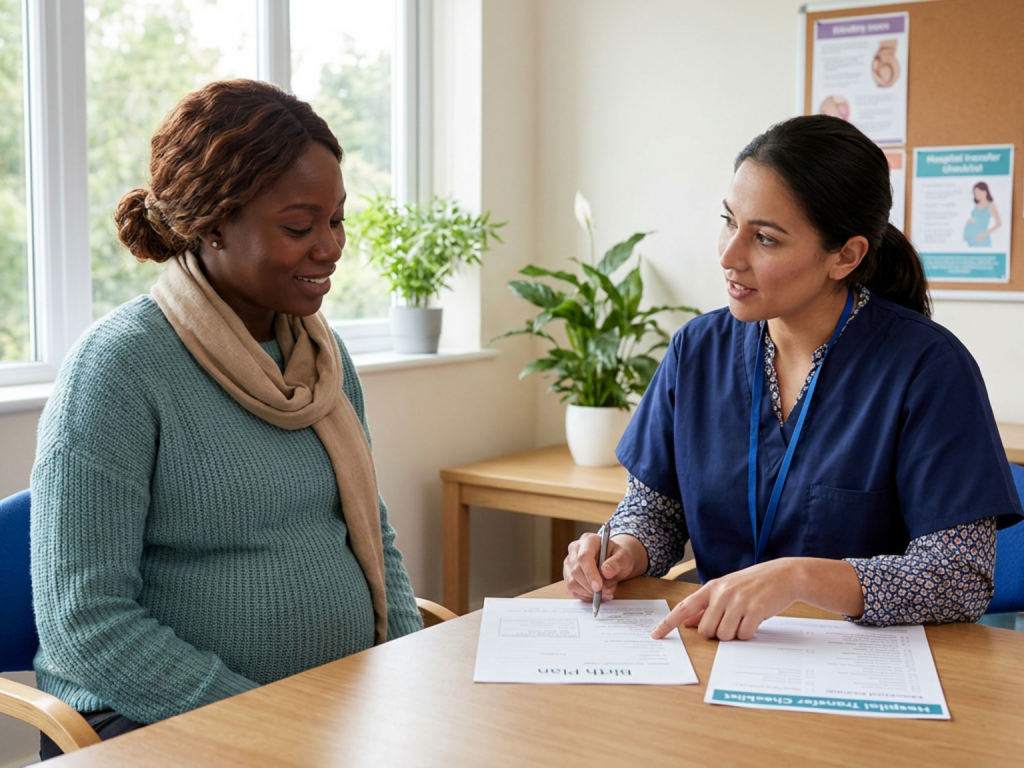
A planned home birth should never depend on hope alone. It needs a practical home birth emergency transfer plan. This includes knowing the receiving hospital, how transport will occur, who calls ahead, what records accompany the patient, and how the support person follows. Some guidance aimed at families highlights that being unable to reach a hospital quickly, for example within about 15 minutes, can make home birth unsafe because emergencies such as fetal distress, hemorrhage, cord prolapse, or the need for emergency cesarean capability may evolve rapidly.
Transfer planning should be discussed before labor, not during a crisis. Important details include road conditions, weather, elevator access, parking, mobile phone reliability, ambulance availability, and whether the receiving hospital is familiar with community midwifery transfers. A well-networked system can reduce delays and friction when escalation is needed.
It is also wise to clarify what level of neonatal care is accessible. Most babies born at home transition normally, but some need respiratory support, glucose monitoring, temperature management, or evaluation for infection. If there are any prenatal concerns about the baby’s growth, anatomy, rhythm, or wellbeing, the threshold for hospital birth should be lower.
Questions to ask your clinician or midwife
A safe decision starts with transparent, nonjudgmental conversation. You can ask your obstetric clinician, maternal-fetal medicine specialist if involved, or midwife to review your individual risk factors and explain how each one affects location-of-birth recommendations. If different professionals give different advice, ask them to name the specific risks they are weighing rather than relying on general reassurance or fear.
- Am I currently considered low risk, and what findings could change that status before labor?
- Is my baby singleton, head-down, and appropriately grown?
- Do I have any medical condition, blood pressure issue, diabetes concern, placental issue, or prior uterine surgery that changes the recommendation?
- What fetal heart rate monitoring will be used at home, and what findings would prompt transfer?
- What supplies, medications, and neonatal resuscitation equipment will be present?
- Which hospital would receive me, and how long would transfer realistically take?
These questions are not signs of distrust. They are part of informed consent. A responsible home birth team should welcome them and provide clear answers, including the limits of what can be done safely at home.
If hospital birth is safer, your preferences still matter
Some people learn that home birth is not a safe option for this pregnancy because of breech presentation, twins, prior cesarean, hypertension, diabetes, heart disease, or another complication. That news may feel like losing an important part of the birth you wanted. It is appropriate to grieve that change and still ask for care that respects your values.
A high-risk hospital birth can still incorporate many elements that people often seek in home birth: continuous labor support, calm communication, dim lighting if feasible, freedom of movement when safe, position changes in labor, nonpharmacologic comfort measures, limited vaginal examinations when appropriate, and immediate skin-to-skin contact if mother and baby are stable. The safest setting should not erase your autonomy.
Shared planning can be especially helpful. Write down which preferences are essential, which are flexible, and which depend on fetal or maternal status. Ask your team how they support physiologic labor while maintaining emergency cesarean capability, hemorrhage response, and neonatal care. The goal is not to choose between safety and dignity; it is to build a plan that protects both as much as possible.
Situations that need extra caution
- Do not plan home birth for breech or transverse presentation, twins or higher-order multiples, or prior cesarean delivery unless a qualified clinician has advised otherwise within a formal hospital-based plan.
- Seek urgent care for heavy bleeding, severe headache, vision changes, chest pain, seizure, fever, or decreased fetal movement.
- Transfer promptly if labor is prolonged, fetal heart rate is concerning, membranes have been ruptured with signs of infection, or the birth team recommends escalation.
- Home birth is unsafe without a trained professional attendant and a realistic hospital transfer pathway.
- Reassess the plan if blood pressure, diabetes status, fetal growth, placenta location, or gestational age moves outside low-risk criteria.
Tools & Assistance
- A prenatal consultation with an obstetric clinician or maternal-fetal medicine specialist
- A licensed or regulated midwife experienced in planned home birth
- A written emergency transfer plan with the receiving hospital identified
- A birth preferences document that includes both home and hospital contingencies
- Local emergency medical services information and transport timing check
FAQ
Is home birth as safe as hospital birth for everyone?
No. Evidence supporting home birth safety applies mainly to low-risk pregnancies attended by professional midwives who are integrated into a responsive health system.
Can I have a home birth after a previous C-section?
ACOG lists prior cesarean delivery as an absolute contraindication to planned home birth. Discuss trial of labor after cesarean in a setting with emergency surgical capability.
What if my pregnancy is low risk but the hospital is far away?
Long or unreliable transfer time can make home birth unsafe. Distance, traffic, weather, and ambulance access should be part of the medical decision.
Does wanting a natural birth mean I should choose home birth?
Not necessarily. Many people have low-intervention or unmedicated births in hospitals or birth centers, especially when home birth risk factors are present.
When should a home birth plan change to a hospital plan?
A plan should change if risk factors develop, the baby is not head-down, labor begins outside the agreed gestational window, monitoring is concerning, or the birth team recommends transfer.
Sources
- American College of Obstetricians and Gynecologists — Planned Home Birth
- Cleveland Clinic — Planned Home Birth: What It Is, Risks & Benefits
- National Institutes of Health / PubMed Central — Is it Time to Ask Whether Facility Based Birth is Safe for Low Risk Pregnancies?
Disclaimer
This article is for informational purposes only and does not replace individualized medical advice. Always discuss birth setting, risk factors, and transfer planning with qualified healthcare professionals.

















Please log in to leave a comment.