
Intro
Many pregnant people hear that natural birth is the ideal: more empowering, easier for recovery, and better for the baby. For some families, a low-intervention or unmedicated vaginal birth is a deeply meaningful and medically appropriate goal. But the phrase "natural birth" can also create pressure, guilt, or a false sense that needing pain relief, induction, assisted delivery, or cesarean birth means something went wrong personally.
The evidence is more nuanced. Vaginal birth is often preferred in uncomplicated pregnancies, while cesarean birth can be life-saving when clinically indicated. The safest birth is not defined by how "natural" it looks; it is the one that best fits the pregnant person's health, the baby's status, labor progress, preferences, and real-time obstetric conditions.
Highlights
Natural birth is not automatically safer for every pregnancy; risk depends on maternal health, fetal status, labor course, and available support.
Vaginal birth often has important advantages in uncomplicated pregnancies, but it also has risks such as perineal trauma, pelvic floor injury, hemorrhage, and emergent intervention.
Cesarean birth is major abdominal surgery and is not beneficial when unnecessary, but it can be the safest option for placenta previa, some malpresentations, fetal compromise, obstructed labor, and other indications.
Using epidural analgesia, fetal monitoring, induction, or cesarean delivery does not make a birth less valid or less caring.
A good birth plan should be preference-aware, risk-aware, and flexible enough to protect both parent and baby.
What natural birth usually means
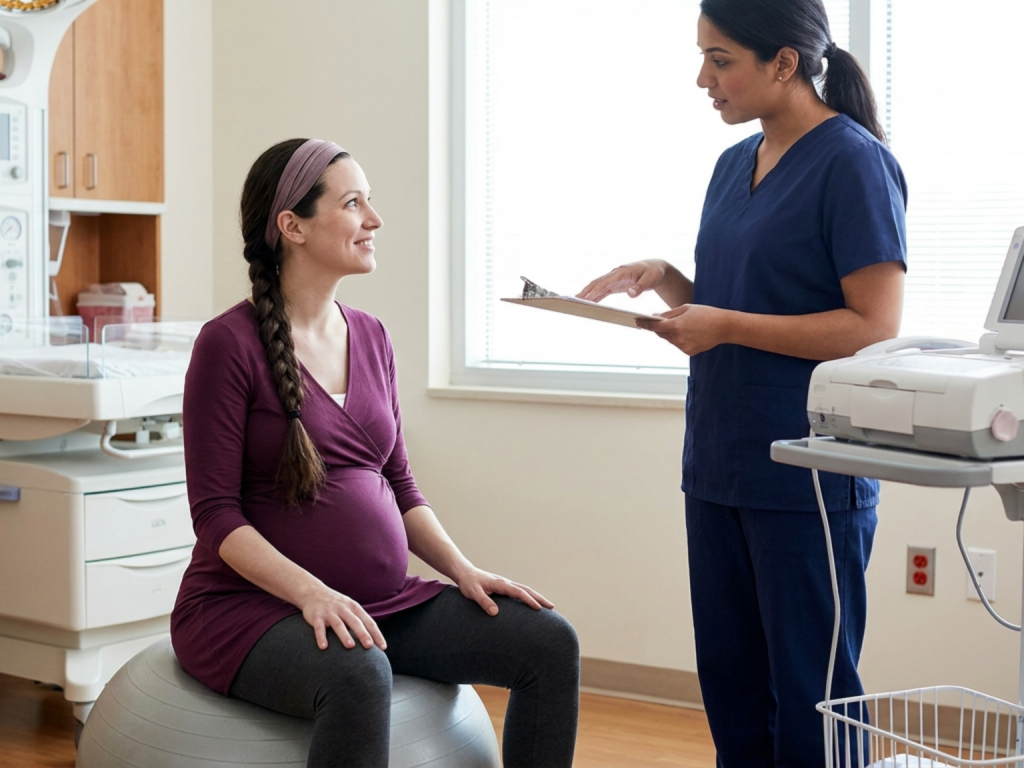
Natural birth usually refers to vaginal birth with limited medical intervention, often without epidural or systemic pharmacologic pain relief. Some people use the phrase to mean spontaneous labor, intermittent monitoring, freedom of movement, water immersion, upright pushing positions, or avoidance of induction and operative delivery. Others simply mean a birth that feels physiologic, respectful, and led by the birthing person’s body as much as safely possible.
The challenge is that “natural” is not a clinical risk category. Obstetric teams usually think in terms of pregnancy complexity, fetal presentation, placental location, gestational age, prior uterine surgery, medical comorbidities, labor progress, and fetal tolerance of labor. A low-risk pregnancy may be a reasonable setting for a low-intervention birth plan, while another pregnancy may require earlier monitoring, medication, assisted delivery, or surgery.
Language matters because birth is not only a medical event. It is also physical, emotional, cultural, and often vulnerable. A person who hopes for an unmedicated vaginal birth may be expressing values around autonomy, mobility, alertness, or recovery. Those values deserve respect. But respect also means not turning one method of birth into a moral hierarchy. The practical question is not whether natural birth is superior in the abstract, but Who is a good candidate for natural birth in a specific clinical situation.
Myth: natural birth is always safest
The myth that natural birth is always safest oversimplifies risk. In an uncomplicated pregnancy with reassuring fetal status, cephalic presentation, no major placental problem, and no contraindication to labor, vaginal birth is often the preferred route. It avoids abdominal surgery, usually involves less postoperative pain, and may support earlier mobility and shorter recovery for many patients.
But vaginal birth is not risk-free. Labor can become prolonged or obstructed. Fetal heart rate patterns can become nonreassuring. Shoulder dystocia, severe perineal laceration, postpartum hemorrhage, infection, urinary or anal sphincter injury, and emergent operative birth can occur. Perineal tears after vaginal birth are common enough that preparation, skilled support, and postpartum follow-up matter. For some people, pelvic floor symptoms, sexual pain, or incontinence can persist and should not be dismissed as simply the price of a “good” birth.
The medical literature also cautions against comparing birth routes as if there is a single winner for all outcomes. A cesarean may reduce some risks while increasing others; vaginal birth may protect against some surgical complications while introducing other maternal or neonatal risks. The balance can shift depending on whether this is a first birth, a prior cesarean, a multiple pregnancy, suspected macrosomia, breech presentation, placenta previa, maternal cardiac disease, or a deteriorating fetal tracing.
Fact: vaginal birth has real advantages
For many healthy pregnant people, vaginal birth remains a strong default option because it is physiologic and avoids major abdominal surgery. In an uncomplicated labor, it may be associated with faster physical mobility, fewer surgical wound complications, and a shorter hospital stay than cesarean birth. It can also reduce the risks that come with uterine scarring in future pregnancies, such as placenta accreta spectrum and uterine rupture risk in selected later labors.
Vaginal birth may also support immediate skin-to-skin care, early feeding, and a sense of active participation, although these goals can often be supported after cesarean birth too. The mode of birth is only one part of the experience; respectful care, good communication, pain management, and postpartum support often matter just as much.
For patients hoping for a natural vaginal birth, the most useful approach is usually risk stratification rather than ideology. A clinician may consider blood pressure, diabetes status, fetal growth, normal fetal positioning, placental location, prior uterine surgery, group B streptococcus status, and whether the pregnancy remains low-risk pregnancy. That assessment can change over time, which is why ongoing prenatal care is central to birth planning.
Fact: cesarean can be necessary and protective
Cesarean birth is sometimes portrayed as the opposite of natural birth, but clinically it is a surgical tool with specific benefits and risks. The World Health Organization emphasizes that cesarean section can prevent maternal and newborn death when medically indicated. Examples may include placenta previa, some cases of placental abruption, transverse lie, certain breech presentations, cord prolapse, obstructed labor, uterine rupture, or fetal compromise that cannot be safely managed with continued labor.
At the same time, cesarean birth is major surgery. It can involve anesthesia complications, infection, hemorrhage, thromboembolism, surgical injury, postoperative pain, delayed recovery, and implications for future pregnancies. When cesarean is not medically needed, population-level evidence does not show benefit for women or babies simply because surgery was chosen. This is why “cesarean is always safer” is as inaccurate as “natural birth is always better.”
Emergency C-section during labor can feel frightening, especially when it interrupts a carefully imagined birth plan. Yet an urgent change in delivery route may be exactly what protects the baby, the parent, or both. A supportive care team should explain the indication, urgency, alternatives when time allows, and expected recovery. The need for surgery is not a failure of willpower, preparation, or maternal instinct.
Myth: intervention means the birth failed
Many interventions exist on a spectrum, and their value depends on context. Epidural analgesia can be an effective, evidence-based form of pain relief; choosing it does not make someone less strong. Induction can be appropriate for post-term pregnancy, ruptured membranes with infection concern, hypertension, diabetes-related concerns, fetal growth issues, or other clinical indications. Continuous fetal heart rate assessment may be recommended when risk is higher, medications are used, or fetal status needs closer observation.
Likewise, avoiding intervention is not always benign. If labor is not progressing and the fetus is showing signs of intolerance, waiting longer may increase risk. If severe-range blood pressure develops, medication and timely delivery may be protective. If hemorrhage occurs, postpartum hemorrhage management can involve uterotonic medication, tranexamic acid in selected cases, uterine massage, procedures, transfusion, or surgery. These are not betrayals of natural birth; they are safety responses.
There is still room for preferences. Many people can use nonpharmacologic pain strategies such as movement, breathing, hydrotherapy, massage, sterile water injections, counterpressure, heat, position changes, continuous labor support, and focused coping techniques. The key is informed consent during labor: understanding the reason for an intervention, the expected benefit, the material risks, the alternatives, and what may happen if the intervention is declined or delayed.
How to build a balanced birth plan
A balanced birth plan is less like a script and more like a clinical communication tool. It can state priorities, values, and preferences while acknowledging that labor is dynamic. For example, someone may prefer spontaneous labor, intermittent fetal heart rate monitoring when appropriate, freedom of movement, delayed cord clamping if safe, and avoidance of episiotomy unless clearly indicated. The same plan can also state that the patient wants clear explanations if induction, assisted delivery, or cesarean becomes medically advisable.
Good planning begins with the individual’s actual risk profile. Ask the obstetric clinician or midwife what factors make vaginal birth likely, what factors could change the recommendation, and what signs would prompt a transfer or escalation of care. If planning out-of-hospital birth, discuss birth center transfer protocols, a home birth emergency transfer plan, neonatal resuscitation equipment, and how quickly surgical care can be accessed if needed.
For people with prior cesarean delivery, the decision between repeat cesarean and vaginal birth after cesarean requires individualized counseling about scar type, prior indication, interpregnancy interval, facility readiness, and uterine rupture risk. For everyone, the goal should be a birth that is as physiologic as safely possible and as medicalized as necessary. That framing leaves space for preference without sacrificing clinical judgment, and it helps protect postpartum recovery after natural birth, cesarean birth, or an unexpected combination of both.
When to seek urgent care
- Heavy vaginal bleeding, severe abdominal pain, or concern for placental problems needs prompt medical evaluation.
- Decreased fetal movement, persistent severe headache, vision changes, chest pain, or shortness of breath should be addressed urgently.
- Fever, foul-smelling fluid, or signs of infection during labor or postpartum require professional assessment.
- Severe pain, swelling, heavy bleeding, wound concerns, or mood symptoms after birth should not be minimized.
- Any birth plan should be reviewed with the clinician or midwife who knows the pregnancy details.
Tools & Assistance
- Prenatal visit discussion focused on birth preferences and medical risk factors
- Written birth plan reviewed with an obstetric clinician or midwife
- Hospital or birth center tour with questions about emergency escalation
- Postpartum pelvic floor and recovery follow-up when symptoms persist
- Shared decision-making conversation about pain relief, induction, monitoring, and cesarean indications
FAQ
Is unmedicated vaginal birth better for every baby?
No. It may be appropriate in many uncomplicated pregnancies, but fetal distress, malpresentation, placental problems, prematurity, or obstructed labor can make medical intervention or cesarean safer.
Does choosing an epidural make birth less natural?
No. Epidural analgesia is a pain-management choice. It does not reduce the value of the birth, and it may help some people rest, cope, or continue labor safely.
When is cesarean birth medically necessary?
Possible indications include placenta previa, some breech or transverse presentations, cord prolapse, obstructed labor, uterine rupture, certain maternal conditions, or nonreassuring fetal status.
Can I plan for natural birth after a prior cesarean?
Sometimes. Vaginal birth after cesarean may be an option for selected patients, but it requires individualized counseling about prior uterine incision, clinical history, facility resources, and emergency readiness.
What is the healthiest mindset for birth planning?
Aim for informed, flexible preferences. A birth can be empowering and respectful even when it includes monitoring, medication, assisted delivery, or cesarean birth.
Sources
- PubMed — Cesarean versus vaginal delivery: whose risks? Whose benefits?
- World Health Organization — Caesarean sections
- Mayo Clinic — Labor and delivery: When is vaginal delivery best?
Disclaimer
This article is for informational purposes only and does not replace personalized medical advice. Discuss pregnancy, labor, and delivery decisions with a qualified obstetric clinician or midwife.

















Please log in to leave a comment.