
Intro
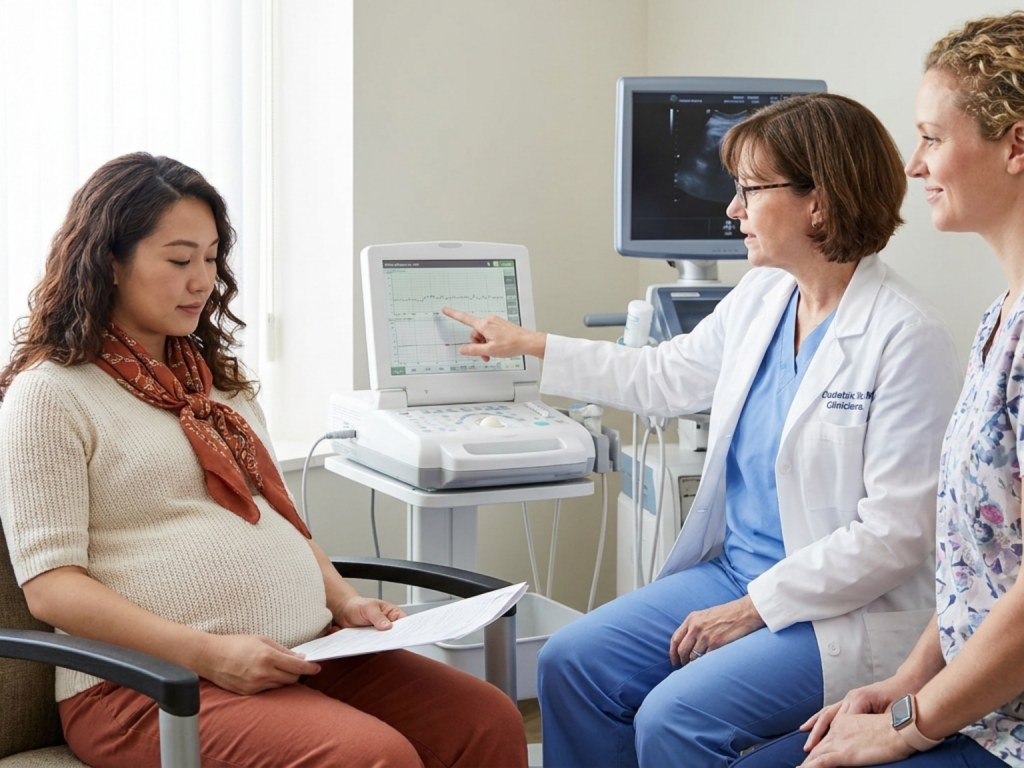
When a pregnancy is labeled high risk, delivery planning can feel less predictable and more emotionally loaded. The goal is not to take choices away, but to match the birth plan to the pregnant person's condition, fetal wellbeing, gestational age, hospital resources, and values.
Many people with medical conditions still have vaginal births. Others benefit from induction, planned cesarean delivery, urgent cesarean delivery, or specialized monitoring during labor. The safest route is individualized and should be discussed with the obstetric, maternal-fetal medicine, anesthesia, cardiology, hematology, neonatology, or other relevant teams.
Highlights
High-risk pregnancy changes the planning process, not necessarily the possibility of vaginal birth.
Delivery route depends on maternal stability, fetal status, placental position, gestational age, prior uterine surgery, and available emergency support.
Induction, assisted vaginal birth, and cesarean delivery are tools that may be used selectively rather than automatically.
For some conditions, the birth setting and monitoring plan matter as much as the delivery type itself.
How high-risk status changes delivery planning
A high-risk pregnancy is not one diagnosis; it is a clinical category that signals a need for closer surveillance and a more deliberate birth plan. The issue may be maternal, fetal, placental, or a combination. Conditions that can move a pregnancy into a higher-risk pathway include high blood pressure, diabetes, epilepsy, thyroid disease, heart disease, blood disorders, asthma, infections, placenta problems, fetal growth restriction, Rh sensitization, multiple gestation, or prior uterine surgery.
Delivery planning usually considers three connected decisions: timing of birth, route of birth, and setting of birth. A stable person with a well-controlled condition may be offered labor with additional monitoring. Someone with severe disease, rapidly worsening labs, abnormal fetal testing, placenta previa, or a high likelihood of hemorrhage may need planned early delivery or cesarean delivery in a center with blood bank, anesthesia, operating room, and neonatal support.
The safest plan is often flexible. A person may start with a planned vaginal birth but need a cesarean if fetal heart-rate abnormalities during labor, failed progress, bleeding, or maternal deterioration occurs. Conversely, a high-risk label alone does not mean cesarean delivery is automatically safer.
Planned vaginal birth with enhanced monitoring
Vaginal birth remains appropriate for many high-risk pregnancies when the maternal condition is stable, the fetus is tolerating labor, the placenta is not blocking the cervix, and there is no contraindication to labor. In this setting, clinicians may recommend a high-risk hospital birth with continuous electronic fetal monitoring, frequent assessment of maternal vital signs, intravenous access, and early involvement of anesthesia or specialty teams.
For some cardiac conditions, a monitored vaginal delivery may be preferred because it can avoid the surgical stress, blood loss, infection risk, and thrombotic risk associated with cesarean surgery. The plan may include assisted second-stage strategies, careful fluid management, telemetry, arterial line monitoring, or shortening of pushing if clinically needed. These measures are individualized and should be directed by the clinical team, not self-managed.
A vaginal birth plan in high-risk pregnancy is usually written as a range of acceptable options rather than a fixed script. It can still include pain-control preferences, mobility when safe, support people, delayed cord clamping when appropriate, and newborn-care priorities. The key difference is that escalation thresholds are discussed in advance.
Induction in high-risk pregnancy
Induction in high-risk pregnancy may be recommended when the risks of continuing pregnancy begin to outweigh the risks of birth. This can happen with hypertensive disorders, certain diabetes scenarios, fetal growth restriction, ruptured membranes, worsening maternal disease, concerning fetal testing, or medical indications for early delivery. Induction of labor is not a single intervention; it may involve cervical ripening, membrane rupture, oxytocin, or other hospital-based methods depending on cervical readiness and clinical context.
The medical reason for induction matters. For example, a pregnancy complicated by severe preeclampsia is different from one with well-controlled gestational diabetes near term. Gestational age, fetal presentation, estimated fetal size, prior cesarean history, amniotic fluid, and fetal monitoring results all influence whether induction is reasonable.
Induction can preserve the possibility of vaginal birth while avoiding prolonged expectant management. However, it may also increase the need for continuous monitoring and can end in cesarean delivery if labor does not progress or the fetus does not tolerate contractions. A balanced discussion should include why delivery is being recommended now, what happens if induction fails, and what neonatal support may be needed, including NICU admission after early birth.
Cesarean delivery: planned, urgent, or emergency
Cesarean delivery can be lifesaving, but it is not simply the default route for every high-risk pregnancy. A planned cesarean may be advised for placenta previa or certain placenta accreta spectrum concerns, some malpresentations, prior classical uterine incision, selected multiple gestations, active genital herpes with lesions or prodromal symptoms, obstructing pelvic masses, or situations where labor would create unacceptable maternal or fetal risk.
An urgent or emergency cesarean may become necessary after labor begins. Common reasons include persistent nonreassuring fetal heart-rate patterns, severe bleeding, uterine rupture concern, cord prolapse, failed operative vaginal delivery, or maternal instability. In these moments, the issue is usually not preference but speed, surgical readiness, and clear communication.
Medical conditions can also affect cesarean planning. People with anticoagulation needs may require coordinated timing around neuraxial anesthesia. Those at high hemorrhage risk may need blood products available. People with severe cardiac or pulmonary disease may need delivery in a tertiary center. Even then, cesarean birth may be recommended because of the total clinical picture, not because the condition name alone demands it.
Recovery planning is part of the decision. Cesarean delivery adds surgical wound care, thromboembolism prevention, pain control, and future-pregnancy implications, including placental and uterine-scar risks.
Operative vaginal birth and trial of labor after cesarean
Operative vaginal birth uses vacuum or forceps to assist delivery when the cervix is fully dilated and birth is close, but help is needed. In high-risk labor, this may be considered to shorten the second stage for fetal or maternal reasons. It requires strict prerequisites: a skilled clinician, known fetal position, engaged fetal head, adequate pelvis assessment, appropriate anesthesia, and a backup plan if delivery is not achieved quickly.
A trial of labor after cesarean may be reasonable for some people with a prior low-transverse cesarean, especially when the current pregnancy has no separate contraindication to labor. It is not appropriate for everyone. Prior uterine incision type, number of cesareans, history of uterine rupture, placenta location, fetal presentation, induction needs, and hospital resources all matter.
Because uterine rupture is rare but serious, trial of labor after cesarean should be discussed with a clinician who can explain individualized risks and ensure emergency cesarean capability. For medically complex pregnancies, the conversation should include whether the benefit of avoiding repeat surgery outweighs the combined risks of the uterine scar and the current condition.
Medical conditions that shape delivery choices
Different conditions influence birth planning in different ways. Heart disease often shifts attention toward monitoring, fluid balance, pain control, and avoiding sudden hemodynamic stress. If the condition is controlled, vaginal birth with monitoring may still be appropriate, and cesarean delivery may be reserved for obstetric indications or specific cardiac concerns.
Hypertensive disorders may affect timing more than route. Mild, stable disease may allow careful monitoring, while severe preeclampsia or worsening maternal labs may require delivery before spontaneous labor. Diabetes can influence fetal growth, shoulder dystocia risk, neonatal glucose monitoring, and decisions about induction or cesarean when estimated fetal weight is very high. Evidence on route of delivery in high-risk pregnancy supports individualized decisions rather than a universal cesarean approach for all conditions.
Placental conditions can be more route-specific. Placenta previa usually requires cesarean delivery because the placenta obstructs the birth canal. Suspected accreta spectrum may require a specialized surgical team and blood-bank preparation. Fetal growth restriction may lead to earlier delivery, but the route depends on fetal testing, gestational age, presentation, and labor tolerance.
Blood disorders, anticoagulation, asthma, thyroid disease, epilepsy, infections, and Rh sensitization also change planning. The route may still be vaginal, but clinicians may adjust medications, anesthesia timing, fetal surveillance, neonatal evaluation, or postpartum monitoring. The unifying principle is maternal-fetal medicine birth planning: matching the delivery type to the risk that is actually present.
Shared decisions before labor begins
High-risk pregnancy birth planning works best when decisions are discussed before urgent choices arise. A useful visit asks: What is the preferred delivery route if everything remains stable? What findings would trigger induction, cesarean delivery, transfer, or neonatal team involvement? Is continuous monitoring needed? Is an anesthesia consultation recommended? Are blood products, cardiac monitoring, or intensive care resources likely to be required?
Birth preferences still matter. People often want to know how they can stay involved if the plan changes quickly. Options may include naming a support person, asking for plain-language updates, requesting skin-to-skin when medically safe, discussing breastfeeding or pumping if the baby needs NICU care, and documenting values around pain relief, mobility, and newborn care.
The emotional side deserves attention too. A medically complex birth can bring grief, relief, fear, and gratitude at the same time. A supportive team should explain recommendations, acknowledge uncertainty, and revisit the plan as new information emerges.
Seek urgent medical care
- Heavy vaginal bleeding, severe abdominal pain, or concern for placental abruption needs urgent evaluation.
- Severe headache, vision changes, chest pain, shortness of breath, or sudden swelling can signal serious maternal disease.
- Decreased fetal movement, fluid leakage, or regular contractions before term should be reported promptly.
- Do not change anticoagulants, seizure medicines, diabetes medicines, or heart medicines without the prescribing clinician.
- If a birth plan changes suddenly, ask what clinical finding changed and what options remain safe.
Tools & Assistance
- Maternal-fetal medicine consultation for individualized delivery planning
- Anesthesia planning visit before labor for cardiac, bleeding, airway, or anticoagulation concerns
- Hospital birth setting review, including NICU, blood bank, and emergency operating room access
- Written birth preferences with escalation thresholds and support-person roles
- Postpartum follow-up plan for blood pressure, glucose, cardiac symptoms, wound care, and mental health
FAQ
Does high-risk pregnancy always require a cesarean delivery?
No. Many high-risk pregnancies can still be delivered vaginally when the parent and fetus are stable and there is no contraindication to labor.
Can someone with heart disease have a vaginal birth?
Often, yes, if the condition is controlled and the team can monitor closely. Some people need specialized centers or modified labor plans.
Is induction safer than waiting in high-risk pregnancy?
It depends on the condition, gestational age, fetal testing, and maternal stability. The care team should explain the risks of waiting versus delivering.
What makes a hospital appropriate for high-risk delivery?
Appropriate resources may include maternal-fetal medicine, anesthesia, operating room readiness, blood bank support, adult specialty care, and neonatal intensive care.
Can birth preferences still be honored during a medically complex delivery?
Yes, many preferences can be incorporated when safe. A flexible plan helps the team protect safety while preserving autonomy where possible.
Sources
- Mayo Clinic — High-risk pregnancy: Know what to expect
- Mayo Clinic — Heart conditions and pregnancy: Know the risks
- PubMed — High risk pregnancy outcome by route of delivery
Disclaimer
This article is for informational purposes only and is not a substitute for personalized medical advice, diagnosis, or treatment. Delivery decisions should be made with qualified healthcare professionals who know the pregnancy and medical history.

















Please log in to leave a comment.