
Intro
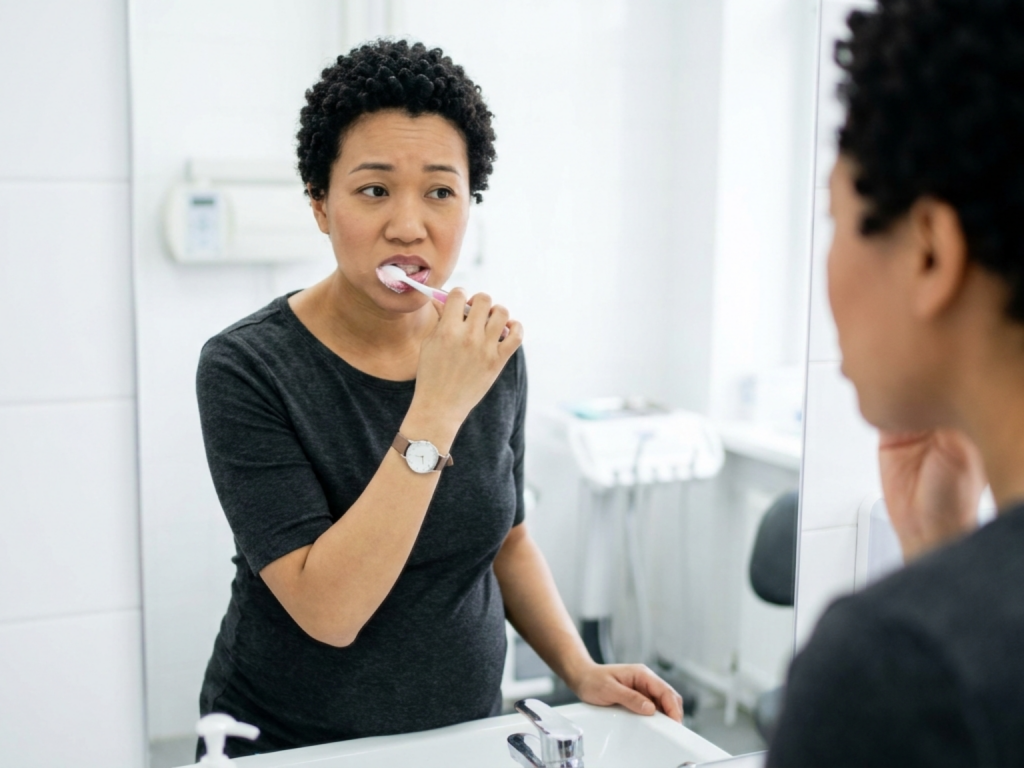
Bleeding gums can be unsettling, especially when you are already managing the physical and emotional changes of pregnancy. The good news is that pregnancy gingivitis is common, and it often reflects a temporary shift in how the gums respond to plaque rather than a sign that you have done something wrong.
Hormonal changes can make the gingival tissues more reactive and more likely to become inflamed, swollen, and bleed with brushing or flossing. With good daily oral hygiene and timely dental care, many people can keep symptoms under control and protect their oral health throughout pregnancy.
Highlights
Pregnancy gingivitis is a common, hormone-related increase in gum inflammation, often marked by bleeding with brushing or flossing.
The condition can occur even when plaque levels are not dramatically higher, because pregnancy changes the gum response to irritation.
Careful daily plaque removal, including brushing and flossing, remains the cornerstone of prevention and symptom control.
Dental evaluation during pregnancy is generally appropriate, and persistent or severe bleeding deserves professional assessment.
If bleeding is heavy, spontaneous, or accompanied by pain, swelling, fever, or loose teeth, prompt medical or dental review is important.
Why pregnancy gingivitis happens
Pregnancy gingivitis is an inflammatory response of the gums that becomes more likely during pregnancy because of hormonal shifts, especially increases in estrogen and progesterone. These hormonal changes can alter the microenvironment of the gingival sulcus and make the tissues more vulnerable to the inflammatory effects of dental biofilm, even when plaque accumulation itself has not changed much.
This distinction matters. A systematic review found that gingival inflammation tends to increase during pregnancy, with higher gingival index scores and more bleeding, without a corresponding rise in plaque levels in many studies. In other words, the gums may become more reactive, so symptoms can feel disproportionate to what you see on the toothbrush or floss.
From a clinical perspective, this is why pregnancy gingivitis is often considered a host-response problem as much as a hygiene problem. Plaque still matters, but the pregnancy state can amplify the tissue response to plaque, so routine oral care may suddenly feel less effective than it did before pregnancy.
What pregnancy gingivitis usually looks and feels like
The most common symptom is bleeding gums, especially during brushing or flossing. Many people also notice swelling, redness, tenderness, or a puffy appearance along the gumline. Some describe a metallic taste from small amounts of blood in the mouth, while others notice that their gums feel sore or “bruised” when they eat or clean their teeth.
NHS guidance notes that hormonal changes in pregnancy can make gums more vulnerable to plaque, which leads to inflammation and bleeding. Cleveland Clinic similarly describes swollen, tender gums that bleed during brushing or flossing as typical features of pregnancy gingivitis.
It is helpful to separate normal pregnancy-related gum bleeding from other oral problems. Mild bleeding that occurs mainly with brushing or flossing and is accompanied by inflamed gums is a classic pattern. However, bleeding that happens spontaneously, involves one localized area, or comes with a gum abscess, severe pain, or tooth mobility needs a professional assessment because it may reflect something more than routine pregnancy gingivitis.
Pregnancy gingivitis can also coexist with other oral issues, including gingival overgrowth, retained food debris, or pre-existing periodontal disease. If you had gum inflammation before pregnancy, symptoms may become more noticeable now.
Daily care that can reduce bleeding and irritation
For most people, the foundation of care is excellent plaque control. That means brushing at least twice daily with a soft-bristled toothbrush and fluoride toothpaste, and cleaning between the teeth every day with floss or another interdental cleaner. Gentle technique matters: the goal is thorough plaque removal, not forceful scrubbing of inflamed tissue.
If your gums bleed when you start flossing, that does not necessarily mean you should stop flossing. In many cases, consistent gentle flossing reduces inflammation over time. What often happens is that the gums are already inflamed, so they bleed easily at first; as plaque control improves, the tissues may become less reactive. If floss is difficult because of sensitivity or gagging, ask a dentist or hygienist about alternatives such as interdental brushes or other tailored cleaning tools.
It can also help to pay attention to habits that irritate already sensitive gums. Examples include very hard brushing, skipping cleanings because of fear of bleeding, frequent sugary snacks that feed plaque, and dry mouth from dehydration or vomiting. If morning sickness is contributing, rinsing after vomiting and waiting before brushing can reduce enamel and soft tissue irritation. A clinician can advise on timing and mouth-rinsing strategies appropriate for your situation.
Diet and general health matter too. While no food alone treats gingivitis, a balanced diet supports oral tissue health, and staying hydrated may reduce dryness-related discomfort. If you smoke or use nicotine products, quitting is especially important because tobacco exposure worsens gum disease risk and impairs healing.
What dental professionals may recommend during pregnancy
Dental assessment during pregnancy is not only reasonable; it is often advisable when gums are bleeding. A dentist or dental hygienist can confirm whether the pattern fits pregnancy gingivitis, assess for plaque retention and early periodontal disease, and provide a cleaning or other conservative treatment when appropriate. Cleveland Clinic advises scheduling a dental visit during pregnancy, and that advice aligns with good preventive care.
Professional care may include a periodontal examination, scaling to remove plaque and calculus, and individualized oral-hygiene instruction. The exact plan depends on the exam findings and your pregnancy stage, medical history, and comfort level. If there are signs of more advanced periodontal disease, the dentist may coordinate with your obstetric clinician to make sure care is medically appropriate.
It is also reasonable to mention your pregnancy, gestational age, nausea, reflux, diabetes, bleeding tendency, and any medications or supplements you are taking. That context helps the dental team choose the safest and most comfortable approach. If you are planning a pregnancy rather than already pregnant, a preconception oral health assessment can be a useful way to reduce the chance that inflammation becomes worse later.
Importantly, dental care is individualized. This article is not a substitute for an in-person exam, and it is best to let your dentist and obstetric clinician decide what is appropriate for you, especially if you have other medical conditions or a history of periodontal disease.
When gum bleeding should be checked promptly
Not every episode of bleeding means an emergency, but some features deserve faster attention. Persistent bleeding that does not improve with careful oral hygiene, bleeding that occurs without brushing or flossing, or bleeding that seems to be getting worse rather than better should be discussed with a dental professional.
Prompt review is especially important if you also notice any of the following:
- Severe gum pain, facial swelling, or a foul taste that could suggest infection
- Loose teeth, new spaces between teeth, or gum recession
- Pus, a visible lump, or a localized area that is very tender to touch
- Fever or feeling generally unwell
- Bleeding from multiple sites in the mouth, or bleeding that seems excessive for minor contact
If you have a known bleeding disorder, take anticoagulant medication, or have another medical condition that affects clotting or immunity, mention this to your clinician early. Those factors can change how gum bleeding is interpreted and managed. Severe oral swelling or difficulty swallowing or breathing requires urgent medical attention.
What to expect after delivery and how to reduce future risk
For many people, pregnancy gingivitis improves after delivery as hormone levels return closer to baseline. That said, the gums may not fully settle if plaque control has been difficult or if there was underlying periodontal disease before pregnancy. Postpartum follow-up is therefore important, especially if bleeding continued throughout pregnancy or worsened toward the end.
Thinking ahead can make a real difference in future pregnancies. A stable oral-hygiene routine, routine cleanings, and early attention to bleeding gums before conception can lower the chance that inflammation becomes more noticeable later. If you are planning another pregnancy, building on a preconception oral health assessment can help identify risk factors such as untreated cavities, calculus buildup, or chronic gingival inflammation.
It is also worth remembering that gum health is part of overall health, not a cosmetic issue. Persistent inflammation can affect comfort, eating, sleep, and confidence in oral care. If the experience has made brushing feel intimidating, tell your dental team; they can often suggest gentler tools and techniques that make the routine easier to maintain.
Most importantly, try not to blame yourself. Pregnancy gingivitis is common and biologically driven. With support from dental and obstetric professionals, many people get meaningful relief and keep their oral tissues healthy throughout pregnancy and beyond.
When to seek professional advice quickly
- Bleeding is heavy, spontaneous, or worsening despite daily oral hygiene.
- You have severe pain, facial swelling, fever, pus, or a bad taste from one area of the gums.
- Teeth feel loose, bite feels different, or gums are visibly receding.
- You have a bleeding disorder, take blood thinners, or have a medical condition that affects healing.
- You are unsure whether the bleeding is pregnancy gingivitis or another dental problem.
Tools & Assistance
- Schedule a dental exam or cleaning with a clinician familiar with pregnancy care
- Use a soft-bristled toothbrush and fluoride toothpaste twice daily
- Clean between the teeth daily with floss or an interdental brush as advised by a dentist
- Tell your obstetric clinician about persistent mouth bleeding, pain, or swelling
- Ask a dentist about pregnancy-safe strategies for sensitive gums and nausea-related oral care
FAQ
Is gum bleeding normal in pregnancy?
Mild bleeding from inflamed gums is common in pregnancy and is often called pregnancy gingivitis. It still deserves attention, especially if it is persistent, severe, or accompanied by pain or swelling.
Does pregnancy gingivitis mean I am not brushing well enough?
Not necessarily. Hormonal changes can make the gums more reactive to plaque, so bleeding can occur even when plaque levels are not dramatically higher. Good hygiene still helps, but the pregnancy response is part of the picture.
Should I stop flossing if my gums bleed?
Usually no. Gentle daily flossing or another interdental cleaning method is often recommended because consistent plaque removal can reduce inflammation over time. A dental professional can show you the safest technique.
Can I see a dentist while pregnant?
Yes. Dental assessment and many routine treatments are commonly appropriate during pregnancy. Let the dental team know you are pregnant so they can tailor care and coordinate with your obstetric clinician if needed.
Will pregnancy gingivitis go away after delivery?
It often improves after birth as hormone levels normalize, but ongoing plaque control and follow-up care are important if inflammation or bleeding persists.
Sources
- Journal of Clinical Periodontology (Wiley) — Effect of pregnancy on gingival inflammation in systemically healthy women: a systematic review
- Cleveland Clinic — Pregnancy Gingivitis: Bleeding Gums, Treatment & Symptoms
- NHS — Bleeding gums in pregnancy
Disclaimer
This article is for informational purposes only and does not replace individualized medical or dental advice. If you have persistent, severe, or concerning gum bleeding during pregnancy, please consult a dentist, obstetric clinician, or other qualified healthcare professional.
















Please log in to leave a comment.