
Intro
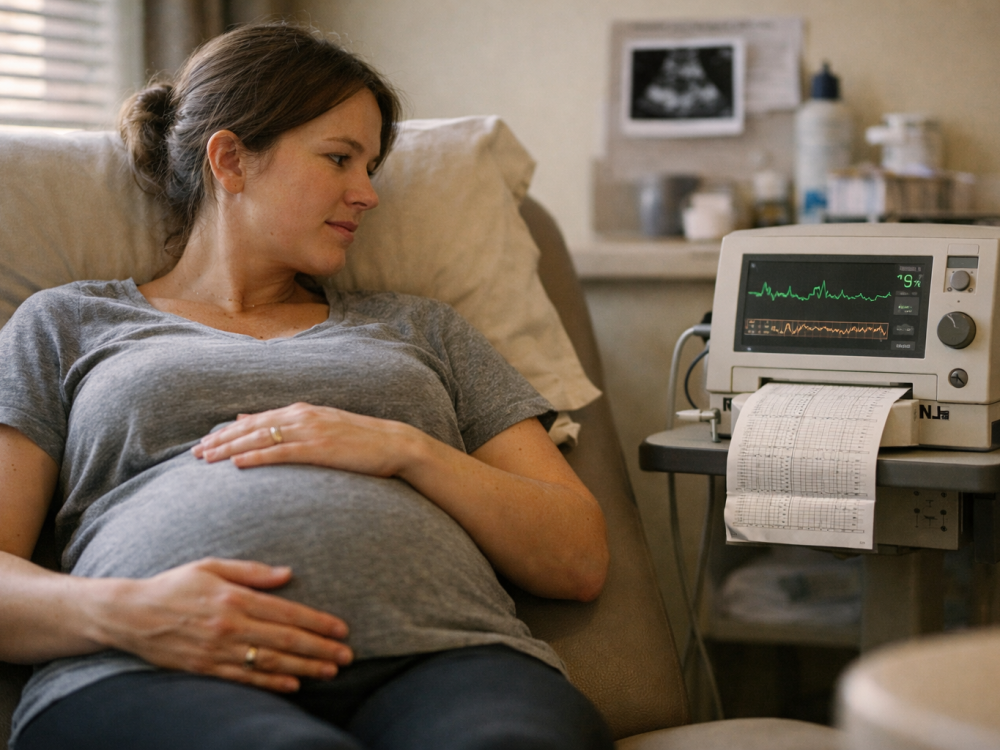
Week 29 of pregnancy places you well into the third trimester, a phase in which fetal growth becomes more visibly and physically noticeable. Your baby’s movements may feel stronger, more deliberate, and sometimes surprisingly forceful as muscle activity improves and the nervous system continues to coordinate movement patterns.
At the same time, your baby is steadily gaining body fat, an important part of late-pregnancy development that supports growth, energy storage, and temperature regulation after birth. For you, this week may bring a mix of reassurance, discomfort, anticipation, and fatigue. If the kicks feel more intense or your body feels more strained, that does not mean you are doing anything wrong; it often reflects the normal work of the third trimester.
Highlights
At 29 weeks, fetal movements often feel stronger because the baby’s muscles are more developed and movements are better coordinated.
Body fat continues to accumulate, helping the baby gain weight and prepare for temperature regulation after birth.
The uterus is expanding upward and outward, which can contribute to breathlessness, reflux, pelvic pressure, and sleep disruption.
A consistent pattern of fetal movement is more important than a specific number of kicks; a clear reduction or change should be discussed urgently with a maternity professional.
This is a good week to review third-trimester warning signs, birth planning questions, and practical supports for the weeks ahead.
Your baby at 29 weeks: active, growing, and gaining fat
By week 29, your baby is in a period of rapid refinement. Major organs and body systems have been forming for months, but the is especially important for , maturation, and . The baby is becoming more proportionate, and the accumulation of subcutaneous fat is gradually smoothing the skin and adding energy reserves.
Body fat is not simply cosmetic. In late pregnancy, fat de supports metabolic stability, contributes to , and helps the newborn maintain body temperature after birth. Temperature regulation is a major task for newborns, and adequate fat stores are one reason the final weeks of pregnancy are so valuable when pregnancy is progressing safely.
At this stage, your baby’s body is still relatively lean compared with a full-term newborn, but the trend is clear: the coming weeks are strongly focused on growth, fat storage, and functional maturation. This is one reason prenatal care in the often pays close attention to fetal growth, health, and signs that the pregnancy is continuing appropriately.
Why kicks may feel stronger
Many pregnant people notice that fetal changes in character around this stage. Kicks, rolls, stretches, and jabs may feel more forceful than they did earlier in pregnancy. This is partly because your baby’s muscles are stronger and partly because the nervous system is better able to coordinate . Movements that once felt like flutters may now feel like distinct pushes against the abdominal wall, ribs, bladder, or pelvis.
Muscle activity is also part of normal fetal . Movement helps the fetus practice flexion, extension, and postural changes, and it contributes to musculoskeletal development. You may feel clusters of activity at certain times of day, especially when you are resting, after meals, or when you lie on your side.
The uterus still contains amniotic fluid that cushions , but as the baby grows, there is less relative space for large sweeping motions. This can make some feel more like stretching, pressing, or rolling rather than acrobatic flips. A changing style of movement can be normal; what matters most clinically is whether the baby’s usual pattern remains recognizable to you.
Fetal movement awareness: patterns matter
Fetal movement is one of the most immediate ways many parents connect with the baby. It can also be a useful sign of fetal well-being, although it is not a substitute for medical assessment. At 29 weeks, you may be encouraged to pay attention to your baby’s usual activity pattern. This does not always require rigid counting unless your clinician has advised a specific method.
Some babies are more active in the evening; others move more after meals or when you change position. What is important is learning what is typical for your baby. If you notice a significant reduction, absence, or unusual change in movement, contact your maternity unit, obstetric clinician, or healthcare professional promptly. Do not wait until the next day if the change concerns you.
Common steps such as resting quietly or lying on your side may help you focus on movement, but they should not delay seeking advice if are clearly reduced. Healthcare teams are used to assessing this concern, and it is always appropriate to ask for help when something feels different.
Your body at week 29: more load, less room
As the uterus grows, body adapts continuously. The top of the uterus is higher in the abdomen, which may contribute to shortness of breath, heartburn, early fullness after meals, and rib discomfort. At the same time, the ’s weight and the effects of pregnancy hormones can increase pressure on the pelvis, bladder, lower back, and hips.
Common symptoms around this point can include fatigue, leg cramps, constipation, hemorrhoids, Braxton Hicks contractions, sleep disruption, and swelling of the feet or ankles. Mild swelling can occur in normal pregnancy, but sudden or severe swelling, particularly with headache, visual symptoms, or upper abdominal pain, requires prompt medical assessment because it can be associated with hypertensive disorders of pregnancy.
Emotionally, week 29 can feel like a transition from “pregnant” to “very pregnant.” You may be thinking more seriously about , infant care, feeding, leave from work, or how family routines will change. It is reasonable to feel excited and anxious at the same time. If anxiety, low mood, intrusive thoughts, or panic feel persistent or impairing, tell your care team; perinatal mental health support is part of good pregnancy care.
Supporting comfort while your baby grows
Small adjustments can make the more manageable. For reflux or early fullness, many people find it helpful to eat smaller, more frequent meals and avoid lying flat immediately after eating. For pelvic or back discomfort, supportive footwear, posture changes, pregnancy pillows, and gentle movement may reduce strain. Any exercise plan should be appropriate for your pregnancy and discussed with your clinician if you have complications, pain, bleeding, or activity restrictions.
Hydration, dietary fiber, and regular movement can support bowel function, although constipation can still occur because of hormonal effects and pressure from the uterus. If symptoms are difficult to manage, ask your maternity clinician or pharmacist about safe options rather than self-prescribing medications or supplements.
Sleep may become more fragmented. Side-lying, especially with pillows between the knees and under the abdomen, can improve comfort for some people. If you wake frequently to urinate or reposition, try to treat rest as cumulative rather than all-or-nothing. Short rest periods during the day may help, particularly if nighttime sleep is interrupted.
Prenatal care and third-trimester monitoring
At 29 weeks, your prenatal appointments may focus on blood pressure, urine checks when indicated, fetal growth, fundal height, symptoms, and any risk factors that require additional monitoring. Depending on your location and medical history, you may also discuss blood tests, vaccinations, rhesus status and anti-D prophylaxis if relevant, gestational diabetes follow-up, or plans for additional ultrasound surveillance.
If your pregnancy is higher risk, for example because of hypertension, diabetes, fetal growth concerns, multiple pregnancy, previous preterm birth, or l complications, your care plan may include more frequent appointments or specialized monitoring. This does not necessarily mean something is wrong; it often means your team is watching closely so that changes can be addressed early.
This is also a useful time to ask practical questions: who to call with reduced fetal movements, when to go to the hospital, what symptoms are urgent, and how your birth preferences fit with your medical circumstances. Clear instructions can reduce uncertainty later.
Preparing for the weeks ahead
The next several weeks will continue the themes of growth, fat deposition, brain maturation, and increasing physical demands on your body. You may want to begin organizing essentials gradually rather than trying to do everything at once. Consider preparing hospital or birth-center items, confirming transportation plans, discussing support after birth, and learning about newborn feeding and safe sleep recommendations from qualified sources.
It may also help to revisit how fetal development has progressed. Earlier weeks involved the emergence of reflexes, coordination, and patterns; now those ]] are stronger because the baby has more muscle mass and neurological control. Looking ahead, the coming weeks will bring further , ongoing , and gradual preparation for birth positioning.
If you are feeling pressure to have everything perfectly ready, take a gentler view. Preparation is useful, but perfection is not required. Your healthcare team, partner, family, friends, and community resources can all be part of the support you build before and after birth.
Seek medical advice promptly if you notice
- A significant reduction, absence, or unusual change in your baby’s movements.
- Vaginal bleeding, fluid leaking from the vagina, or concern that your waters may have broken.
- Regular painful contractions, pelvic pressure, or low back pain that could suggest preterm labor.
- Severe headache, visual changes, sudden swelling, chest pain, shortness of breath at rest, or upper abdominal pain.
- Fever, severe abdominal pain, fainting, or any symptom that feels urgent or unusual for you.
Tools & Assistance
- Keep the phone number for your maternity unit or obstetric triage service easily accessible.
- Write down your baby’s usual active times so changes are easier to recognize.
- Prepare a short list of questions for your next prenatal appointment.
- Use pillows, side-lying positions, and rest breaks to reduce third-trimester discomfort.
- Ask your clinician which medications, supplements, and exercise activities are appropriate for your pregnancy.
FAQ
Are stronger kicks at 29 weeks normal?
Often, yes. Stronger kicks commonly reflect increasing fetal muscle strength, growth, and improved coordination. Contact your healthcare team if movements become reduced, absent, or noticeably different from your baby’s usual pattern.
Why is fetal body fat important now?
Body fat supports weight gain, energy storage, and temperature regulation after birth. The third trimester is a major period for fat deposition and overall fetal growth.
Should I count kicks every day?
Follow your clinician’s guidance. Many maternity teams emphasize awareness of your baby’s usual movement pattern rather than a universal number. If you are concerned about reduced movement, seek advice promptly.
Is it normal to feel breathless at 29 weeks?
Mild breathlessness can occur as the uterus expands and presses upward, but severe breathlessness, chest pain, fainting, or shortness of breath at rest should be assessed urgently.
Can the baby still change position after week 29?
Yes. At 29 weeks, many babies still have time and space to change position. Your clinician will monitor fetal position more closely as you approach the later third trimester.
Sources
- NHS — Your baby at 29 weeks pregnant
- Cleveland Clinic — Fetal development: The 29th week of pregnancy
- Merck Manuals Consumer Version — Fetal Growth and Development
Disclaimer
This article is for general educational purposes only and does not replace individualized medical advice. Always consult your midwife, obstetrician, or healthcare professional about symptoms, fetal movement concerns, or decisions about your care.

















Please log in to leave a comment.