
Intro
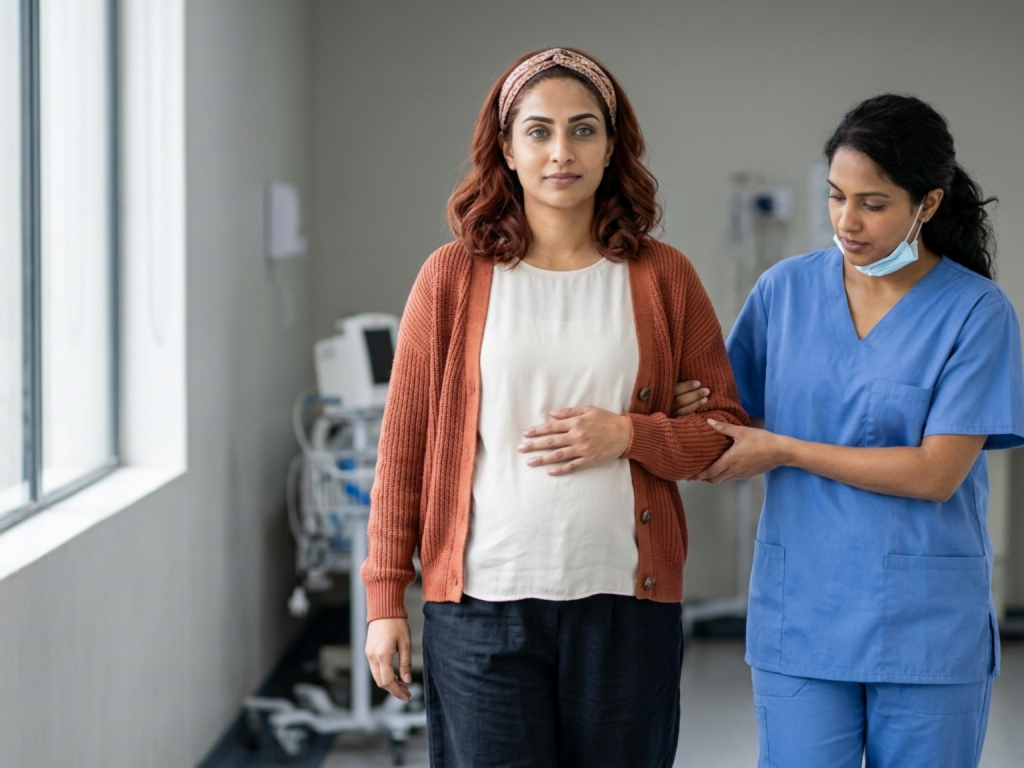
Recovering the ability to stand, walk, and move safely after surgery is more than a comfort goal. In birth care, especially after cesarean birth or surgery related to complications, walking mobility is closely connected with pain control, circulation, bowel recovery, lung expansion, confidence, infant care, and readiness for discharge.
Highlights
Early, supported walking is a core part of many enhanced recovery pathways and may help reduce postoperative complications and hospital stay.
After cesarean birth, mobility planning should account for incision pain, anesthesia effects, bleeding risk, dizziness, bladder function, and newborn-care demands.
Walking goals should be individualized: the safest plan depends on surgical complexity, hemodynamic stability, pain control, neurologic status, and obstetric recovery.
Rehabilitation is not simply “get up and walk”; it includes safe transfers, graded ambulation, breathing, positioning, and clear warning signs.
Why walking mobility matters after birth-related surgery
Walking mobility after surgery refers to the ability to sit up, transfer from bed to chair, stand, walk, turn, and return safely without excessive pain, dizziness, bleeding, or loss of balance. In the birth setting, this may follow a planned cesarean, an unplanned cesarean recovery, surgical repair after birth trauma, procedures for bleeding, or another postpartum operation. The goal is not athletic performance. It is controlled, progressive movement that supports physiologic recovery while protecting the surgical site and respecting the body’s immediate postpartum changes.
Movement affects several systems at once. Gentle upright activity encourages deeper breathing and helps reduce atelectasis, a partial collapse of small airways that can occur after anesthesia and prolonged bed rest. Leg movement and walking support venous return, which matters because pregnancy and the postpartum period are already hypercoagulable states. Mobility also helps bowel motility return after abdominal surgery and can reduce the cycle in which pain causes guarding, guarding limits movement, and immobility then worsens stiffness and fatigue.
For a new parent, walking is also functional. It influences the ability to reach the bathroom, hold or feed the baby safely, shower, change position in bed, and participate in newborn care. This is why postpartum mobility recovery should be discussed as part of discharge readiness, not as a minor nursing task. A person may be medically stable but still need help if pain, weakness, or fear of movement prevents safe ambulation.
What the evidence suggests about earlier ambulation
Enhanced recovery after surgery pathways commonly include early mobilization because it is associated with better functional recovery, fewer postoperative complications, and shorter hospitalization in multiple surgical populations. The evidence base is not limited to birth surgery, so it must be applied thoughtfully; however, the mechanisms are highly relevant to postpartum care: circulation, pulmonary expansion, bowel recovery, muscle preservation, and confidence with daily activities.
One study in older surgical patients found that earlier ambulation was associated with fewer complications and a shorter hospital stay, including a reported 34% reduction in in-hospital stay compared with later ambulation. Older adults differ from postpartum patients, but the finding is useful because it shows how timing of walking can influence hospital outcomes beyond comfort alone. A Cochrane review of mobility interventions after hip fracture surgery found modest improvements in mobility and walking speed with rehabilitation approaches, reinforcing that structured mobility support can improve walking outcomes after major operations.
In birth care, these findings support a practical principle: once the surgical and obstetric team considers it safe, prolonged unnecessary bed rest is rarely helpful. That does not mean walking should be forced before readiness. It means mobility should be actively assessed, barriers should be treated, and first ambulation should be supported. For someone recovering from a cesarean, this may mean sitting on the edge of the bed first, dangling the legs, standing with assistance, then walking a short distance to the bathroom or hallway.
Why hospital stay after cesarean birth varies
Hospital stay after cesarean birth is influenced by more than the incision. Common clinical factors include the urgency of surgery, blood loss, anemia, infection risk, blood pressure disorders, diabetes, urinary catheter timing, bowel function, pain control, nausea, sleep deprivation, breastfeeding or chestfeeding needs, newborn status, and availability of home support. A person who walks independently, voids normally, tolerates food, controls pain with appropriate medication, and has stable vital signs is generally closer to discharge readiness than someone who remains dizzy, weak, febrile, severely painful, or unable to mobilize.
Cesarean incision pain can make movement feel intimidating, especially the first time getting out of bed. The abdominal wall, uterus, pelvic floor, and hip flexors all participate in transfers, so even simple movements may feel surprisingly demanding. Clinicians often teach “log rolling,” bracing the abdomen with a pillow, exhaling during effort, and avoiding sudden twisting. These strategies do not replace medical evaluation, but they can reduce strain and make early walking more achievable.
Mobility is also linked with care logistics. Some hospitals remove urinary catheters early as part of enhanced recovery protocols, which makes safe bathroom walking important. If the baby is in a nursery or neonatal unit, longer walking distances may be emotionally meaningful but physically demanding. A realistic plan may include wheelchair assistance for longer trips while still encouraging short, frequent walks that match the parent’s current capacity.
Barriers that deserve careful assessment
Delayed walking after surgery can have simple explanations, such as fatigue, nausea, low confidence, or undertreated pain. It can also signal a complication. Medical teams therefore look at the pattern: Is the person improving gradually, or becoming weaker? Is pain expected incisional soreness, or severe focal pain? Is dizziness brief on standing, or persistent with tachycardia, low blood pressure, shortness of breath, or heavy bleeding?
Postpartum bleeding and anemia can reduce exercise tolerance and make walking unsafe without support. Infection can cause fever, malaise, worsening abdominal pain, uterine tenderness, or wound changes. Neurologic symptoms after regional anesthesia usually resolve, but persistent leg weakness, numbness, or difficulty controlling bladder or bowel function needs prompt clinical attention. Severe headache after neuraxial anesthesia, chest pain, calf swelling, unilateral leg pain, fainting, or breathlessness should not be treated as ordinary deconditioning.
Pain is one of the most common barriers. Postpartum pain control should be individualized and compatible with feeding plans when relevant. The aim is not to eliminate all sensation, but to reduce pain enough for breathing, coughing, infant care, sleep, and movement. If pain prevents standing or walking despite the prescribed plan, the care team should reassess the source of pain, medication timing, wound status, bladder distension, gas pain, constipation, or other contributors.
How mobility is usually restarted safely
A safe mobility plan is usually staged. First, the team confirms stability: acceptable vital signs, appropriate recovery from anesthesia, adequate sensation and strength in the legs, manageable bleeding, and a plan for lines, drains, or catheters. The first attempt often happens with a nurse, midwife, physiotherapist, or trained support person nearby. The person may sit upright, pause, breathe, check for dizziness, then stand slowly before taking steps.
Short and frequent walks are often better tolerated than one long effort. A typical early goal might be standing at the bedside, walking to the bathroom, or making a brief hallway loop. Later goals may include walking several times daily, climbing stairs before discharge if needed at home, and practicing safe infant handling while standing. The plan should be adapted for people with preeclampsia, hemorrhage, infection, obesity, pelvic girdle pain, chronic pain, disability, or a complicated operative course.
Support devices are not failures. A walker, abdominal binder if recommended, nonslip footwear, bedside commode, raised bed positioning, or assistance with the baby can prevent overexertion. Pelvic health physiotherapy may be helpful when pain, weakness, pelvic floor symptoms, or pregnancy-related pelvic girdle pain interfere with normal movement. The best approach is collaborative: the patient reports what movement feels like, and the care team adjusts timing, analgesia, assistance, and goals.
Discharge readiness and recovery after going home
Leaving the hospital does not mean walking mobility is fully restored. It usually means the person can move safely enough for the home environment and has no unresolved hospital-level concern. Before discharge, it is reasonable to clarify walking expectations, stair precautions, lifting guidance, wound care, medication timing, constipation prevention, venous thromboembolism risk assessment, and warning signs. These details matter because the first days at home often involve interrupted sleep, limited help, and repeated transfers while caring for the baby.
At home, mobility should progress gradually. Many people do well with several brief walks per day, increasing distance as pain, bleeding, and fatigue allow. Overdoing activity can worsen soreness and bleeding; doing too little can increase stiffness, constipation, and loss of confidence. A useful recovery question is not “How far should everyone walk?” but “Can I move a little more today without concerning symptoms, and do I recover afterward?”
Persistent pelvic girdle pain, severe fatigue, or difficulty walking beyond the early recovery period should be discussed with a clinician. So should any sudden decline after initial improvement. The goal is compassionate realism: walking is beneficial, but it is not a test of toughness. Surgical recovery after birth happens alongside uterine involution, hormonal changes, feeding demands, emotional adjustment, and sleep disruption. A good mobility plan protects healing while helping the parent return to ordinary life step by step.
Seek urgent advice if these occur
- Shortness of breath, chest pain, fainting, or coughing blood after surgery
- One-sided calf swelling, redness, warmth, or severe leg pain
- Heavy bleeding, rapidly worsening weakness, or dizziness that does not settle
- Fever, worsening abdominal pain, foul-smelling discharge, or concerning wound changes
- New leg weakness, numbness, severe headache, or loss of bladder or bowel control
Tools & Assistance
- Ask the surgical or maternity team for a written mobility and discharge plan
- Request nursing or physiotherapy support for the first walk after surgery
- Time pain medication as prescribed before planned movement, if advised by your clinician
- Use safe transfer strategies such as rolling to the side before sitting up
- Prepare the home environment with clear walking paths, nearby supplies, and help for stairs or infant care
FAQ
How soon should someone walk after a cesarean?
Timing varies, but many enhanced recovery plans encourage supported mobilization once anesthesia has worn off, vital signs are stable, bleeding is acceptable, and the care team says it is safe.
Does walking shorten hospital stay?
Studies in surgical populations link earlier ambulation with fewer complications and shorter hospital stays. In birth care, walking is one factor among many, including bleeding, pain, infection risk, feeding support, and newborn needs.
Is pain during walking normal after surgery?
Some incisional or abdominal discomfort can be expected, but severe, worsening, focal, or movement-stopping pain should be reviewed by a healthcare professional.
What if I feel dizzy when I stand?
Sit or lie back down and ask for help. Dizziness can reflect normal early recovery, but it may also relate to blood loss, dehydration, medication effects, blood pressure changes, or other concerns.
Can I use an abdominal binder after cesarean birth?
Some people find binders helpful for support, but use should be discussed with the care team, especially if there are wound, breathing, blood pressure, or comfort concerns.
Sources
- PubMed — Early mobilization in enhanced recovery after surgery pathways
- PubMed — Early Ambulation Decreases Length of Hospital Stay in Elderly Patients after Surgery
- Cochrane Library — Interventions for improving mobility after hip fracture surgery in adults
Disclaimer
This article is for general medical information only and does not replace care from your obstetric, surgical, anesthesia, nursing, or rehabilitation team. Seek individualized advice for symptoms, medications, mobility restrictions, and discharge decisions.
















Please log in to leave a comment.