
Intro
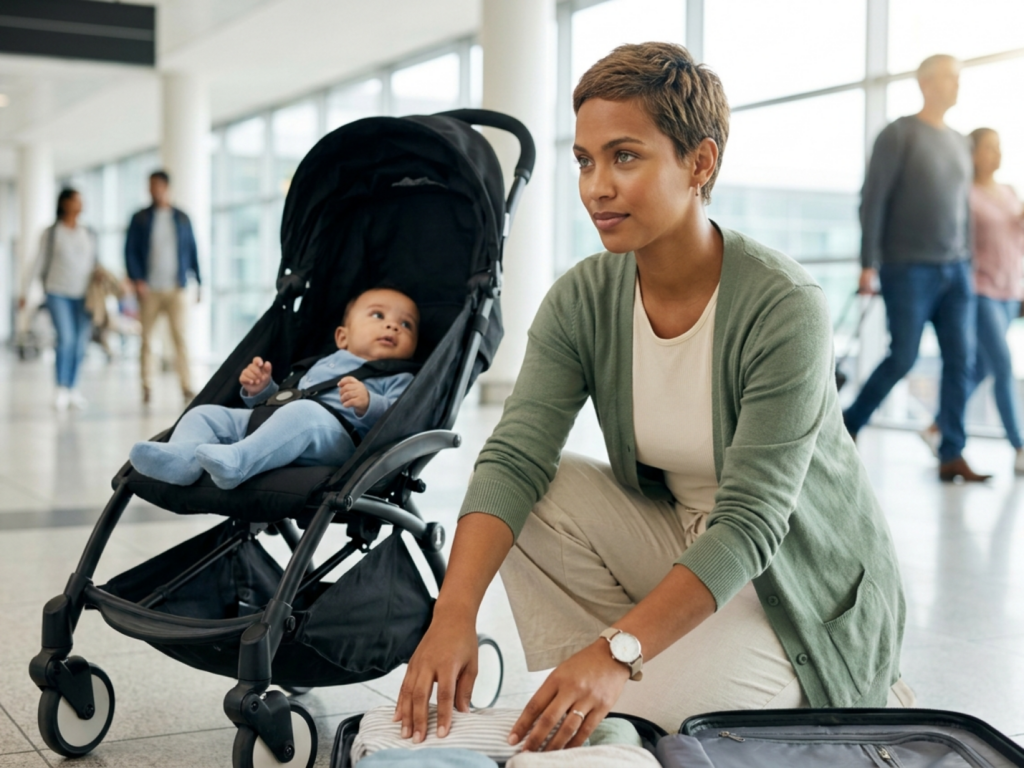
Traveling alone with a baby can feel demanding, especially when you are responsible for feeding, soothing, transportation, luggage, and safety without another adult to share the workload. The goal is not to make every moment predictable. A realistic plan reduces avoidable decisions and leaves room for normal infant needs, delays, and fatigue.
Your baby's age, medical history, feeding method, temperament, and destination all affect preparation. Discuss significant travel plans with your pediatrician or another qualified healthcare professional, particularly if your baby was born prematurely, has a chronic condition, recently had an illness, or will travel internationally.
Highlights
Build the trip around safety, feeding, sleep, and access to medical care rather than an ambitious schedule.
Keep essential supplies and documents in your personal carry-on or within immediate reach during transit.
Use an appropriate, properly installed restraint for every car journey and consider an approved child restraint for air travel.
Plan pauses and backup options because responsive caregiving is more important than maintaining a perfect itinerary.
Assess readiness before you book
Start with a pre-travel pediatric visit when the journey is long, medically complex, or international. Ask whether your baby is medically stable for the planned mode of transport, whether routine immunizations are current, and whether the destination creates specific infection, altitude, temperature, or food-safety concerns. Premature infants and babies with cardiopulmonary disease may need individualized advice because cabin pressure, disrupted sleep, and limited access to care can carry additional implications.
Consider the entire route rather than only the final destination. A direct trip with one manageable transfer may be less stressful than a cheaper itinerary involving multiple terminals, overnight travel, or a long ground connection. Check how you will reach the airport or station, whether elevators are available, and how you will move luggage while carrying or pushing your baby.
Make a short contingency plan for delays, missed connections, lost luggage, or a baby who develops fever, vomiting, diarrhea, breathing difficulty, or poor feeding. Save the address and telephone number of local medical services, your pediatrician’s contact information, and relevant insurance details. Keep medication decisions with your healthcare professional; do not give a new medicine solely to make travel easier without clinical advice.
Pack for access, not just completeness
When traveling alone, organization is a safety measure. Use one small personal bag for items needed during the next few hours and a separate larger bag for reserve supplies. Keep identification, travel documents, health records if needed, feeding supplies, diapers, wipes, a change of clothes for both of you, and any prescribed treatment in the bag that stays with you. Pack more diapers and feeding supplies than the expected travel time requires so a delay does not immediately become a crisis.
For breastfeeding, bring a nursing cover only if you find it useful, along with breast pads and a way to express milk if you normally do so. For expressed breast milk, use an insulated container and follow established storage and handling guidance. If using formula, carry the ingredients and equipment needed for safe preparation, including clean bottles and a reliable source of safe water. Do not assume that every destination, aircraft, or transit facility can provide the correct supplies.
Keep hygiene practical. Pack hand sanitizer for situations in which soap and water are unavailable, but wash your hands with soap and water whenever possible, especially before preparing feeds. Bring disposable bags for soiled clothing and diapers, a compact changing mat, and a small absorbent cloth. A familiar blanket or pacifier may help with regulation, but avoid loose items in the baby’s sleep space.
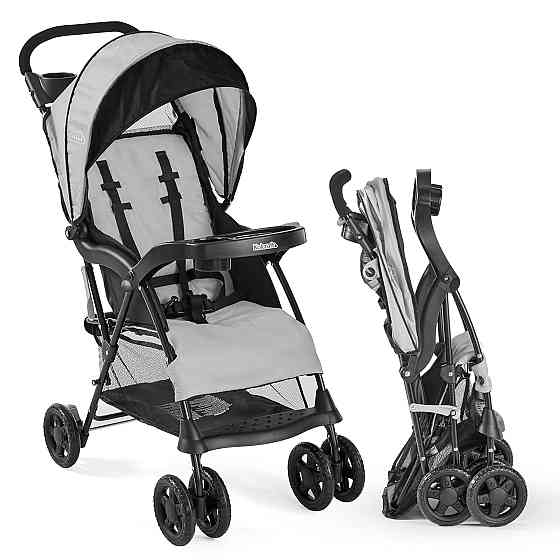
Before leaving, practice opening the stroller, accessing the carrier, preparing a feed, and changing a diaper with one hand. This rehearsal identifies equipment that is technically useful but difficult to operate while holding your baby.
Make airports and flights manageable
Confirm the airline’s rules for infants, strollers, car seats, breast milk, formula, and carry-on baggage before departure. Policies vary, and some airlines require advance documentation or a specific label for an infant traveling on a separate seat. If your baby has their own seat, an airline-approved child restraint system can provide more consistent protection than holding the baby during turbulence. Follow the carrier and airline instructions exactly, and verify that the restraint is compatible with the aircraft seat.
Arrive with enough time for check-in, security screening, feeding, and a diaper change without needing to rush. Keep your baby in a carrier when practical, but know how screening personnel require carriers and strollers to be handled. A lightweight stroller can reduce physical strain, although it may need to be surrendered at the aircraft door or checked earlier depending on the airport.
During ascent and descent, swallowing may help some infants equalize middle-ear pressure. Feeding or offering a pacifier during these phases may be reasonable if your baby is awake and feeding safely. Do not force a feed, and never prop a bottle. If your baby is congested, has ear disease, or has recently undergone a procedure, ask a clinician whether flying is appropriate.
Use a simple flight rhythm: feed, change, settle, and rest. Walk only when it is safe and permitted. Keep one small set of supplies under the seat rather than repeatedly opening the overhead compartment. Accept assistance with lifting luggage or opening doors when offered, while retaining responsibility for checking your baby’s restraint and belongings.
Travel safely by car or public transport
For car travel, use a rear-facing car seat that is appropriate for your baby’s size and installed according to both the vehicle and seat manufacturer’s instructions. The safest position depends on the vehicle and seat configuration; a healthcare professional or certified child-passenger safety technician can help you check the installation. Never place a rear-facing seat in front of an active passenger airbag.
A mirror designed for infant monitoring may help you observe your baby when the seat is rear-facing, but it must be securely attached and must not become a projectile in a collision. Do not rely on a mirror instead of stopping safely when your baby needs attention. Schedule frequent breaks on longer drives. At every stop, remove the baby from the car seat for feeding, diapering, and repositioning; a car seat is a transport restraint, not a routine sleep surface.
Public transport requires a different plan. Identify step-free routes, platforms with elevators, and places where you can sit while feeding or changing your baby. Keep the stroller brakes engaged when stationary and use the vehicle’s designated restraint points when available. In crowded spaces, position your baby away from doors, handrails, hot surfaces, and unsecured luggage. A carrier can be useful for boarding, but make sure the baby’s airway remains visible and unobstructed, with the chin not pressed against the chest.
Never leave your baby alone in a vehicle, even briefly. Interior temperatures can become dangerous quickly, and opening a window does not reliably prevent heat-related illness.
Protect feeding, hygiene, and sleep
Travel disrupts timing, but infants still need responsive feeding. Watch your baby’s usual hunger and satiety cues rather than trying to impose a rigid schedule. In hot conditions, continue the feeding pattern recommended for your baby’s age; do not give extra water to a young infant unless a healthcare professional has advised it. Monitor wet diapers and behavior as general indicators of hydration, recognizing that normal patterns vary.
Use clean equipment and safe preparation practices. Wash bottles and pump components as thoroughly as the destination allows, and avoid preparing feeds with questionable water. Keep breast milk and prepared formula at appropriate temperatures and discard feeds when storage limits or contamination concerns make them unsafe. MedlinePlus provides practical guidance about traveling with breast milk, formula, and baby food, but destination-specific regulations may also apply.
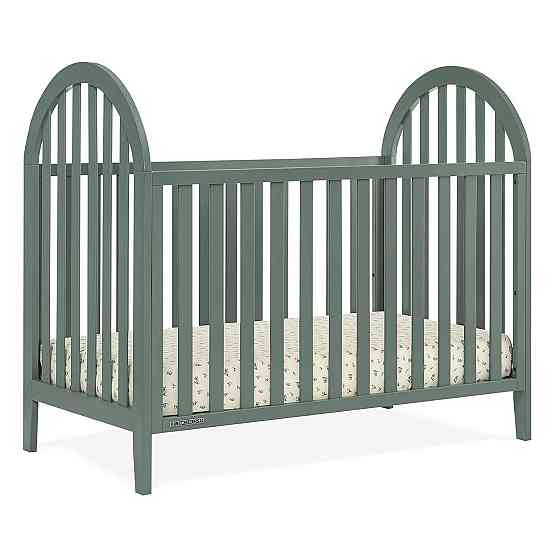
For sleep, request a crib or travel cot in advance and inspect it when you arrive. The sleep surface should be firm, flat, and free of pillows, loose blankets, bumper pads, and soft objects. Do not use an adult bed, sofa, recliner, or car seat as an improvised overnight sleep space. Keep smoke, vaping products, and overheating risks away from the baby. A familiar routine such as dim light, feeding, and a brief song can be more useful than trying to reproduce the exact home environment.
Reduce infection exposure by washing hands, avoiding close contact with people who are ill, and being cautious with crowded indoor settings when respiratory viruses are circulating. Ask a clinician about destination-specific vaccines or preventive measures before international travel, since recommendations depend on age, itinerary, and local epidemiology.
Plan for problems and caregiver fatigue
Solo travel is physically and cognitively demanding. Build in time for hydration, food, toileting, and rest for yourself. Choose accommodation near transport or essential services when possible. On arrival, identify a safe place to put the baby down before unpacking, and arrange groceries or simple meals so you are not forced to solve every need while exhausted.
Keep a concise health record available with your baby’s name, date of birth, allergies, medications, diagnoses, clinician contact details, and immunization information if relevant. Learn how to access urgent medical care at the destination. Seek prompt medical advice for breathing difficulty, bluish or gray coloration, marked lethargy, a seizure, persistent vomiting, signs of dehydration, or a fever in an infant for whom age-specific fever guidance applies. Fever thresholds and urgency can vary by age, so obtain individualized instructions before traveling.
If you become overwhelmed, place your baby on a firm, empty, safe sleep surface and step away briefly to breathe, drink water, or call someone you trust. Never shake, roughly handle, or transport a baby while severely drowsy. Asking airport staff, transport personnel, hotel staff, or another trusted adult for practical assistance is appropriate, but do not hand over your baby to an unknown person or leave the baby unattended.
A successful trip may include delays, crying, missed naps, and a changed itinerary. The meaningful measure is whether your baby remained protected, fed, observed, and comforted as reasonably as possible under the circumstances.
Get urgent medical help when needed
- Seek emergency care for breathing difficulty, blue or gray coloration, a seizure, unresponsiveness, or severe lethargy.
- Contact a healthcare professional promptly for poor feeding, substantially fewer wet diapers, persistent vomiting or diarrhea, or suspected dehydration.
- Ask for age-specific advice about fever before travel, especially for young infants.
- Do not use sedating medicines, antihistamines, or other products for travel comfort unless specifically directed by a qualified clinician.
- Never leave a baby alone in a vehicle, on public transport, in an airport seating area, or in an unfamiliar room.
Tools & Assistance
- Pre-travel pediatric appointment
- Airline and airport infant-travel policy pages
- Certified child-passenger safety technician
- Destination medical service directory and travel insurance assistance line
- Portable changing kit with feeding and hygiene supplies
FAQ
Is it safe to fly with a young baby?
Many healthy infants can fly, but readiness depends on age, medical history, recent illness, and destination. Ask your pediatrician, particularly if your baby was premature or has cardiopulmonary, ear, or other medical concerns.
Should I buy a separate airplane seat for my baby?
A separate seat used with an airline-approved child restraint can provide more consistent protection during turbulence than holding an infant. Confirm the airline's requirements and the restraint's approval before booking.
How often should I stop on a road trip?
Plan regular breaks rather than driving until your baby becomes distressed. Remove the baby from the car seat at stops for feeding, diapering, and repositioning, and follow individualized advice for very young or medically complex infants.
Can my baby sleep in the car seat after we arrive?
A car seat is designed for transport, not routine sleep. Move the baby to a firm, flat, empty sleep surface as soon as practical after arrival, while following safe-sleep guidance.
What should I do if I feel overwhelmed while traveling alone?
Place your baby safely on a firm, empty sleep surface and take a short pause to regulate yourself. Contact a trusted person or ask appropriate staff for practical help, and seek urgent support if you fear you may lose control.
Sources
- MedlinePlus — Traveling with children: MedlinePlus Medical Encyclopedia
- Mayo Clinic — Air travel with infant: Is it safe?
- Bedfordshire, Luton and Milton Keynes Healthier Together — Car seat safety
Disclaimer
This article provides general educational information and does not diagnose, treat, or replace advice from your pediatrician or another qualified healthcare professional. Seek urgent medical care for emergency symptoms or significant concern about your baby.













Please log in to leave a comment.