
Intro
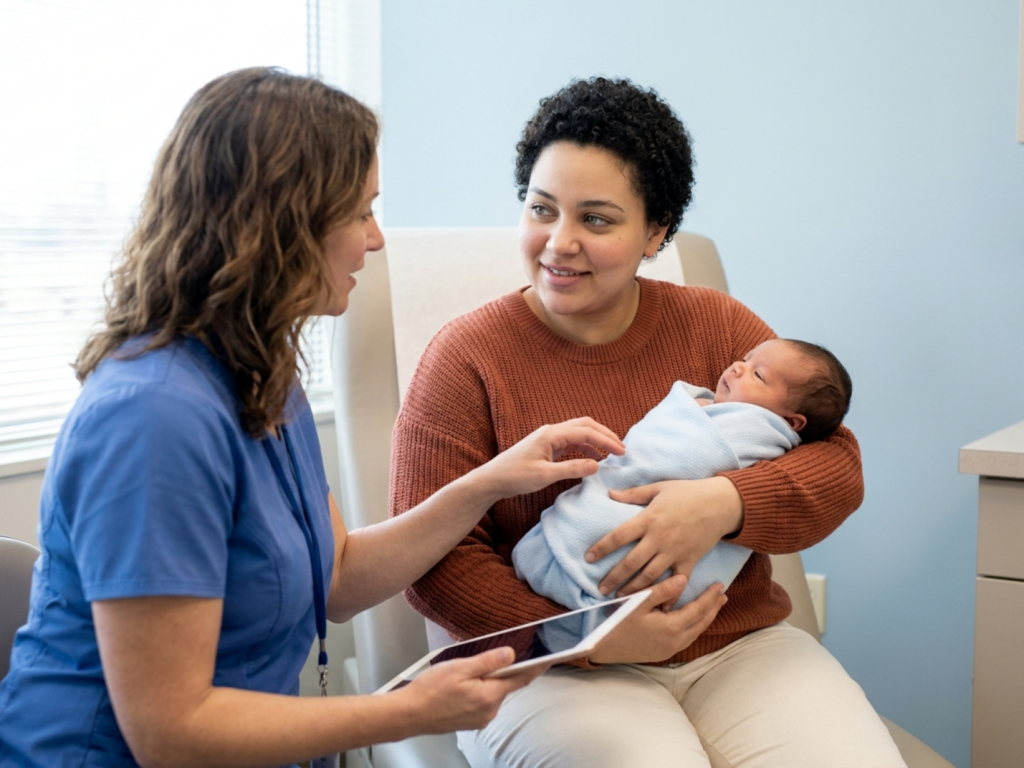
The first year of a baby’s life is often portrayed as a time of constant connection, yet many families experience profound social isolation. Parents may be separated from relatives, unable to attend community groups, limited by health concerns, recovering from birth complications, or simply too exhausted to maintain previous relationships. A baby may therefore spend most days with one or two caregivers and have little contact with other adults, children, or public settings.
Social isolation is not the same as choosing quiet time or protecting a newborn from illness. The concern is sustained lack of practical support and responsive social experience for both caregiver and infant. Understanding the distinction can help families make realistic, safe changes while recognizing when professional support is needed.
Highlights
A baby does not need a crowded calendar to develop socially; consistent, responsive interaction with a primary caregiver is foundational.
Prolonged isolation can increase caregiver stress and reduce opportunities for varied voices, faces, routines, and social communication.
Research from the COVID-19 period found differences in some 12-month communication measures, but these findings do not establish that isolation alone caused an individual child’s outcome.
Small, predictable contacts can provide meaningful social support without overwhelming the baby or caregiver.
Concerns about infant communication, behavior, feeding, sleep, or caregiver mental health deserve discussion with a healthcare professional.
What Social Isolation Can Look Like
Social isolation during the first year can be physical, emotional, or structural. A family may live far from relatives, lack transportation, face language or financial barriers, or be caring for a medically vulnerable infant. A parent may also experience isolation after a difficult delivery, cesarean birth, postpartum complications, intimate-partner violence, migration, bereavement, or a loss of employment. Even when people are technically available, fatigue, anxiety, depression, or fear of judgment can make contact feel inaccessible.
For an infant, isolation may mean very limited exposure to people beyond the primary caregiver. There may be few opportunities to observe different voices, facial expressions, gestures, or patterns of turn-taking. During the COVID-19 pandemic, many parents reported that their babies had little or no contact with other babies and limited access to ordinary social settings. These reports illustrate how public-health restrictions and family circumstances can alter everyday infant experience.
Isolation should not be interpreted as neglect or as evidence that a parent is failing. A caregiver may be working intensely to meet feeding, sleep, hygiene, and safety needs under difficult conditions. The clinically relevant question is whether the family has enough support and whether the baby receives frequent, emotionally attuned interaction and routine healthcare.
Why Social Connection Matters in Infancy
Infants learn through repeated social exchange. Eye contact, vocal imitation, touch, facial expression, and shared attention help organize early communication. In a typical serve-and-return interaction, a baby makes a sound, looks toward a caregiver, or moves an arm; the adult notices and responds. Repeated cycles help the infant associate their signals with predictable social consequences and gradually support reciprocity, attention regulation, and emerging language.
Wider social exposure adds variety, but it is not a prerequisite for healthy development. A responsive caregiver can provide rich interaction through feeding, bathing, dressing, carrying, reading, singing, and play. These routine care developmental moments are especially valuable when outings are difficult. The quality, timing, and emotional availability of interaction generally matter more than the number of people present.
Social experiences also support caregiver wellbeing. Practical help can allow a parent to sleep, eat, attend medical appointments, or take a short break. Emotional support may reduce perceived stress and improve confidence in interpreting infant cues. In contrast, persistent loneliness can contribute to hypervigilance, hopelessness, irritability, or withdrawal, which may make responsive interaction harder even when the caregiver remains deeply committed to the baby.
What Research Suggests About the First Year
Evidence concerning isolation and infant outcomes is informative but limited. A birth cohort study of babies born during the COVID-19 pandemic reported differences in selected social communication skills at 12 months, including reduced attainment of some assessed behaviors compared with a pre-pandemic comparison group. The authors connected the period with fewer opportunities for social contact and altered family routines. Such findings are population-level observations: they cannot predict an individual baby’s trajectory or prove that isolation was the sole cause. Prenatal stress, healthcare disruption, parental mental health, illness, socioeconomic conditions, and many other factors may also contribute.
A qualitative survey of parents of newborns during the pandemic described restricted contact with extended family, few encounters with other infants, reduced access to groups, and changes in practical support. These accounts are important because they show that isolation affects the caregiving environment as well as the infant’s direct social experiences. Parents may have had to manage feeding difficulties, sleep deprivation, and uncertainty without the usual informal observation and reassurance from relatives or professionals.
Older research on caretaking in the first year also examined maternal social isolation and the role of fathers in the caregiving environment. Although social expectations and family structures have changed since that work was published, its central relevance remains: caregiving does not occur in a vacuum. The availability of another engaged caregiver, and the broader network around the family, can influence daily routines, parental strain, and opportunities for support.
These studies support attention to social context, not alarm. Infant development is dynamic, and children show substantial individual variation. A period of limited contact does not automatically cause a developmental disorder, nor does increased social exposure guarantee a particular outcome.
Supporting a Baby When Contact Is Limited
When social opportunities are restricted, families can focus on frequent, manageable exchanges rather than trying to recreate a busy social schedule. During alert periods, a caregiver might position the baby face-to-face, respond to sounds with words, pause for the baby’s response, and imitate expressions or movements. Reading the same short book repeatedly, singing during care, and describing ordinary activities can create predictable language and attention routines.
Video calls may help maintain relationships, especially when a trusted adult speaks slowly, uses expressive facial movements, and allows time for the baby to respond. However, remote contact is not a replacement for hands-on caregiving, and infants may lose interest quickly. The goal is connection, not performance. A short call that ends while the baby is still regulated may be more useful than a prolonged, overstimulating session.
Families can also identify one or two low-pressure sources of support. A relative might deliver food, a neighbor might walk outside at a distance, or a community health worker might arrange a telephone check-in. When infection risk is a concern, the family should follow current advice from local public-health and clinical services, particularly for premature or medically complex infants. Social contact can be increased gradually according to the baby’s tolerance and the healthcare team’s recommendations.
Parents should protect their own basic needs as part of infant care. Accepting practical help, sharing nighttime responsibilities when possible, and scheduling brief periods of rest are not optional luxuries. They support the caregiver’s capacity for parental emotional attunement and consistent responses to the baby’s cues.
When to Seek Professional Guidance
Healthcare professionals routinely monitor infant growth, feeding, hearing, vision, motor skills, and communication. Parents should raise concerns if a baby rarely makes eye contact, does not respond to sound, shows little interest in faces or interaction, loses a previously acquired skill, or appears persistently difficult to engage. These observations do not establish a diagnosis, and some reflect hearing impairment, vision problems, temperament, prematurity, illness, or normal developmental variation. A clinician can assess the whole context and arrange developmental screening or referral when appropriate.
Loss of skills is particularly important to report promptly. Parents should also mention concerns about feeding, excessive sleepiness, unusual muscle tone, seizures, persistent inconsolability, or poor weight gain. Urgent assessment may be needed when a baby has breathing difficulty, is difficult to wake, has signs of serious infection, or is not feeding adequately. The appropriate service depends on the symptom and local healthcare system.
The caregiver’s mental state matters equally. Persistent sadness, panic, emotional numbness, intrusive frightening thoughts, severe anxiety, inability to sleep even when the baby sleeps, or feeling unable to cope should be discussed with a doctor, midwife, health visitor, or mental-health professional. Thoughts of self-harm or harming the baby require immediate emergency help. Seeking support is a clinical and safety measure, not a judgment on parenting.
Rebuilding Connection Without Pressure
Recovery from isolation rarely happens all at once. A useful plan starts by identifying the main barrier: transport, infection concerns, exhaustion, low mood, disability, conflict at home, financial limitations, or lack of confidence. The solution should match the barrier. A home visit from a public-health nurse may be more realistic than attending a group; a telephone appointment may be the first step when leaving home feels impossible.
Parents can choose settings that are predictable and easy to leave, such as a quiet park, library baby session, clinic-based parent group, or brief visit from one trusted person. Babies may need time to adjust to unfamiliar voices and environments. Signs of overstimulation can include turning away, yawning, fussing, arching, or becoming unusually quiet. Pausing, reducing sensory input, and returning to a familiar caregiver can help the infant regulate.
Social connection should be inclusive of fathers, partners, grandparents, foster caregivers, and other consistent adults. One reliable, responsive relationship can be highly meaningful. Families do not need to meet an idealized standard of constant activities or large social networks. The practical aim is a sustainable caregiving environment in which the baby receives responsive interaction and the adults have enough support to continue providing it.
When Prompt Help Is Needed
- Seek urgent medical care if the baby is difficult to wake, has breathing difficulty, or is not feeding adequately.
- Report any loss of previously acquired developmental skills promptly to a healthcare professional.
- Ask for assessment if hearing, vision, social communication, growth, or feeding is a concern.
- Contact a healthcare professional for persistent caregiver depression, severe anxiety, or inability to cope.
- Get immediate emergency help for thoughts of self-harm or harming the baby.
Tools & Assistance
- Schedule routine infant visits and ask specifically about communication and social development.
- Contact a midwife, health visitor, pediatrician, family doctor, or community health worker.
- Use reputable local parent-infant groups, library programs, or home-visiting services.
- Arrange practical support such as meals, childcare for older children, transport, or protected rest.
- Keep a brief record of the baby’s responses, skills, feeding, sleep, and situations that increase or reduce distress.
FAQ
Can social isolation cause a developmental disorder?
Limited social contact alone does not establish or cause a developmental diagnosis. Development reflects multiple biological and environmental factors. If a baby is not meeting expected skills or loses skills, seek an individualized assessment.
Does my baby need to attend groups during the first year?
No. Groups can provide useful support, but they are not required for healthy development. Frequent responsive interaction with familiar caregivers is central, and social activities should fit the family’s health, safety, and practical circumstances.
Are video calls useful for an isolated baby?
They can help maintain relationships and expose a baby to familiar voices and faces. Keep calls brief and responsive, and stop if the baby becomes tired or overstimulated. Video contact complements rather than replaces in-person caregiving.
What should I do if I feel isolated and overwhelmed?
Tell a healthcare professional directly. A doctor, midwife, health visitor, or mental-health clinician can assess mood, safety, practical needs, and available community support. Immediate emergency help is needed for thoughts of self-harm or harming the baby.
Sources
- Archives of Disease in Childhood — Social communication skill attainment in babies born during the COVID-19 pandemic: a birth cohort study
- BMJ Paediatrics Open — Parenting a newborn baby during the COVID-19 pandemic: a qualitative survey
- PubMed — Caretaking in the first year of life: the role of fathers, and mothers' social isolation
Disclaimer
This article is for general educational purposes and does not diagnose, treat, or replace advice from a qualified healthcare professional. Seek prompt clinical or emergency care for concerning symptoms or safety risks.














Please log in to leave a comment.