
Intro
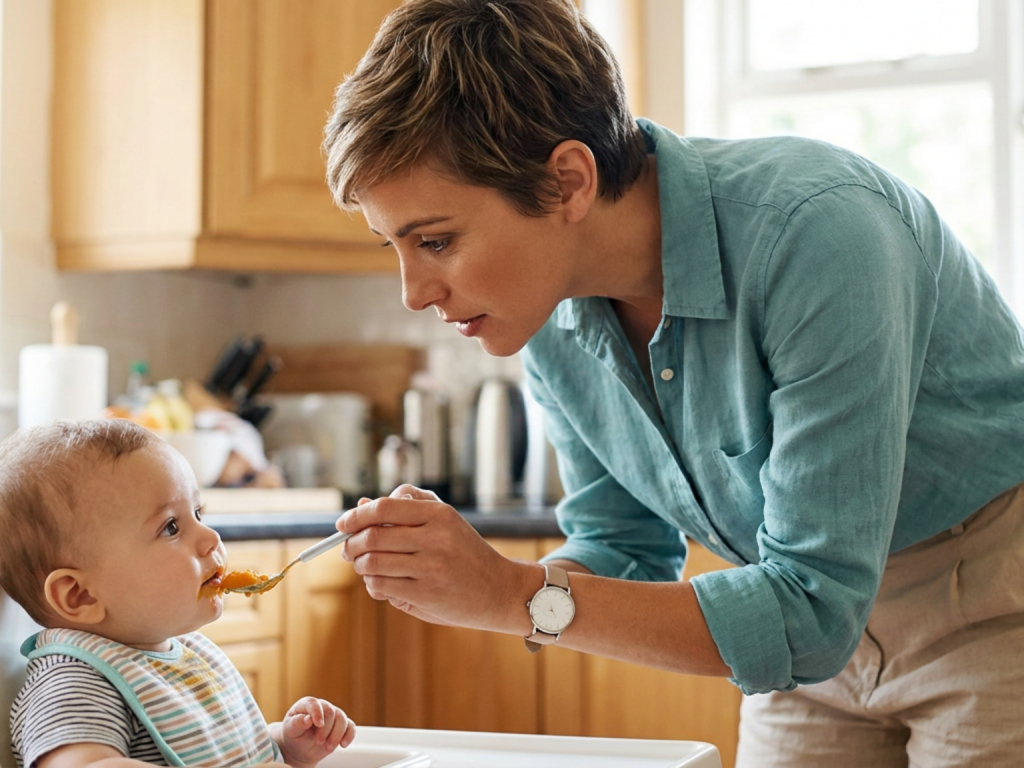
Starting solid foods is a major transition, and it can bring up a lot of questions: Is my baby old enough? Are they just curious, or truly ready? What if they gag? Most babies are developmentally ready for complementary foods at around 6 months, while breast milk or infant formula continues to provide a substantial part of nutrition during the first year.
Readiness is less about one exciting moment, such as grabbing at your spoon, and more about a cluster of neuromotor and oral-motor skills appearing together. The most reliable signs include being able to sit with support, having good head and neck control, showing interest in food, bringing hands or objects toward the mouth, and swallowing food rather than reflexively pushing it back out. If your baby was born preterm, has feeding difficulties, poor growth, complex medical needs, or you are unsure, it is wise to discuss timing with your pediatrician, health visitor, dietitian, or feeding therapist.
Highlights
Most babies are ready for solids at about 6 months, but age alone is not enough; developmental readiness matters.
Key readiness signs include stable head and neck control, supported sitting, eye-hand-mouth coordination, and the ability to swallow small amounts of food.
Interest in food is helpful, but it should appear alongside physical readiness signs rather than being used as the only cue.
Early meals are for learning as much as nutrition: babies explore taste, texture, smell, and oral-motor coordination.
Seek professional guidance if there is choking, persistent coughing with feeds, poor growth, prematurity, neurological concerns, or ongoing feeding refusal.
Why readiness matters
Introducing solids is often called complementary feeding because solid foods complement, rather than replace, breast milk or infant formula. Around 6 months, many babies begin to need additional sources of nutrients such as iron and zinc, and they are also becoming developmentally capable of handling food in the mouth. Readiness matters because feeding requires coordinated posture, breathing, oral sensation, tongue movement, and swallowing.
A baby who is not ready may slump in a highchair, lose head control, push food out automatically, or become distressed by the experience. This does not mean anything is wrong; it may simply mean their nervous system and muscles need more time. Waiting until the major signs are present can make meals calmer, safer, and more responsive.
Families may feel pressure from relatives, social media, or comparisons with other babies. Try to remember that starting solids is not a race. If your baby is close to 6 months but not quite meeting the signs, a short wait and a conversation with a healthcare professional can be more helpful than forcing the next step.
The core signs baby is ready for solids
The most reliable signs tend to appear together around 6 months. One sign on its own is not usually enough. For example, a 4-month-old may stare at your dinner or chew on fingers, but that does not necessarily mean the baby can sit safely and swallow food efficiently.
- Sitting with support: Your baby can sit upright in a highchair or on your lap with appropriate support, rather than slumping sideways or folding forward.
- Good head and neck control: Your baby can hold the head steady and turn toward or away from food. This helps with airway protection and safe swallowing.
- Eye-hand-mouth coordination: Your baby notices food, reaches toward it, and can bring objects toward the mouth with increasing intention.
- Opening the mouth for food: Your baby may lean forward, open the mouth, or show eager interest when food is offered.
- Moving food back to swallow: Instead of immediately pushing food out with the tongue, your baby can move a small amount toward the back of the mouth and swallow.
These signs reflect maturing gross motor skills and oral-motor coordination. They do not require perfect sitting or mature chewing. Early feeding is messy, and some food will come back out. The goal is not a clean bowl; it is safe practice and gradual learning.
Signs that are often mistaken for readiness
Some behaviors can look like readiness but are common earlier in infancy for other reasons. Mouthing toys, sucking fingers, or watching people eat can be part of normal sensory and social development. Babies are curious observers, and they often want to copy family behavior before their bodies are ready for solids.
Increased night waking is another commonly misunderstood sign. Sleep changes can happen because of growth, developmental leaps, illness, teething, changes in routine, or normal infant sleep maturation. Starting solids does not reliably solve night waking, and using food as a sleep treatment may create unnecessary pressure around meals.
Large milk feeds or frequent feeding can also worry parents. Appetite varies, and some babies feed more during growth spurts. If you are concerned about milk intake, weight gain, reflux symptoms, or feeding patterns, ask a clinician to review the whole picture rather than assuming solids are needed early.
Readiness is strongest when curiosity is combined with stable posture, head control, and the ability to swallow. If those physical signs are missing, interest alone is usually not enough.
What the tongue-thrust reflex and gagging mean
Young babies have protective oral reflexes. The tongue-thrust, or extrusion, reflex helps push foreign material out of the mouth. When this reflex is still prominent, food offered by spoon may repeatedly come straight back out. As oral-motor control matures, babies can keep small amounts of food in the mouth, move it backward, and swallow.
Gagging is different from choking. Gagging is a protective response that may involve coughing, retching sounds, watery eyes, or the tongue pushing food forward. It can happen as babies learn new textures and where food sits in the mouth. Choking is more concerning: the airway is blocked, and the baby may be unable to cry, cough effectively, or breathe. Caregivers should learn age-appropriate choking first aid before starting solids.
Although occasional gagging can be part of learning, persistent coughing, wet-sounding breathing, color change, recurrent vomiting, or distress with feeds should be discussed promptly with a healthcare professional. These may indicate that feeding needs closer assessment, especially if there are respiratory, neurological, cardiac, or growth concerns.
First foods once your baby is ready
Once readiness signs are present, you can begin with simple, soft foods. There is no single required first food. Many families start with iron-rich foods for babies, such as soft cooked meat, poultry, fish with bones carefully removed, eggs, beans, lentils, tofu, or iron-fortified infant cereal. Soft fruits and vegetables can also be offered. The texture should match your baby’s skills: smooth puree, mashed food, or very soft finger foods that squash easily between fingers.
Offer food when your baby is alert, supported upright, and not extremely hungry or tired. A small amount once a day is enough at first. Let your baby set the pace. Responsive feeding means noticing hunger cues and fullness cues, such as leaning forward, opening the mouth, turning away, closing the mouth, fussing, or losing interest.
As skills improve, gradually increase texture. Staying on thin purees for too long may limit practice with mouth movements, while jumping too quickly to hard or poorly shaped foods can increase choking risk. Safe early finger foods are soft, appropriately sized, and easy to mash. Avoid hard, round, sticky, or slippery foods that can obstruct the airway, such as whole grapes, nuts, popcorn, chunks of raw carrot, and large pieces of sausage.
How milk feeds fit with solids
During the early months of complementary feeding, breast milk or infant formula remains central. Solids begin as small learning opportunities and gradually become a larger part of the diet. You do not need to replace milk feeds abruptly when solids begin. Instead, think of meals as practice sessions that expand over time.
Some babies prefer milk first and then a few tastes of food; others are more interested in food before a milk feed. Both patterns can be reasonable, depending on your baby’s growth, appetite, and medical situation. The most important principle is responsiveness: avoid pressuring your baby to finish a portion, and avoid using distraction to push extra bites.
Cups of water can be introduced in small amounts with meals after solids begin, depending on local guidance, but water should not displace milk intake. Cow’s milk is not recommended as the main drink before 12 months in many guidelines, though it may be used in cooking. Ask your clinician if your baby has allergies, eczema, prematurity, poor weight gain, or other conditions that affect feeding advice.
When to pause and seek guidance
Most babies make a messy, uneven start with solids. A few enthusiastic days may be followed by refusal, teething discomfort, or distraction. That variability is normal. However, some patterns deserve extra attention.
Ask for medical or feeding support if your baby cannot sit with support near 6 months, has poor head control, repeatedly coughs or chokes during feeds, seems unable to move food around the mouth, persistently refuses all textures, or shows signs of pain with eating. Also seek advice if there is poor growth, dehydration concerns, developmental delay, abnormal muscle tone in babies, or a history of prematurity or complex medical care.
Preterm babies may need timing based on corrected age and individual developmental skills. Babies with cardiac, respiratory, gastrointestinal, neurological, or craniofacial conditions may benefit from a tailored plan. Support may come from a pediatrician, health visitor, registered dietitian, speech-language pathologist, occupational therapist, or specialist feeding team.
Feeding safety warnings
- Do not start solids before your baby has adequate head and neck control and can sit upright with support.
- Seek urgent help for choking, breathing difficulty, blue or gray color change, or inability to cough or cry.
- Avoid hard, round, sticky, or large pieces of food that increase choking risk.
- Discuss early or delayed solids with a healthcare professional if your baby was born preterm or has medical complexity.
- Do not force-feed or pressure a baby to finish; persistent refusal or distress deserves professional guidance.
Tools & Assistance
- Pediatric well-baby visit to review growth, readiness signs, and feeding questions
- Infant CPR and choking first aid class from a qualified provider
- Registered dietitian support for allergies, growth concerns, or vegetarian and vegan feeding plans
- Speech-language pathology or occupational therapy feeding assessment when swallowing or oral-motor concerns are present
- A stable highchair with foot support and an upright seated position for meals
FAQ
Is 4 months too early to start solids?
Many babies are not developmentally ready at 4 months. Most guidance points to around 6 months, with readiness signs present. Ask your baby’s clinician if there is a specific medical reason to start earlier.
Does my baby need teeth before starting solids?
No. Babies can manage appropriate soft textures with their gums and tongue. The key is safe texture, upright positioning, and developmental readiness.
What if my baby spits out the first foods?
Some spitting is normal while oral coordination develops. If food is always pushed out, your baby may not be ready yet. Pause, try again later, and seek advice if concerns persist.
Should I choose purees or baby-led finger foods?
Either approach can work if foods are safe, soft, and developmentally appropriate. Many families use a combination of spoon-fed mashed foods and soft finger foods.
How much should my baby eat at first?
Very little may be enough at the beginning: a few tastes or teaspoons. Early solids are about learning, while breast milk or formula remains the main nutrition source.
Sources
- Centers for Disease Control and Prevention — When, What, and How to Introduce Solid Foods
- National Health Service — Your baby's first solid foods
- Raising Children Network — Introducing solids: why, when, what & how
Disclaimer
This article is for general informational purposes only and is not a substitute for medical advice, diagnosis, or treatment. Always consult a qualified healthcare professional about your baby’s feeding, growth, allergies, or medical concerns.














Please log in to leave a comment.