
Intro
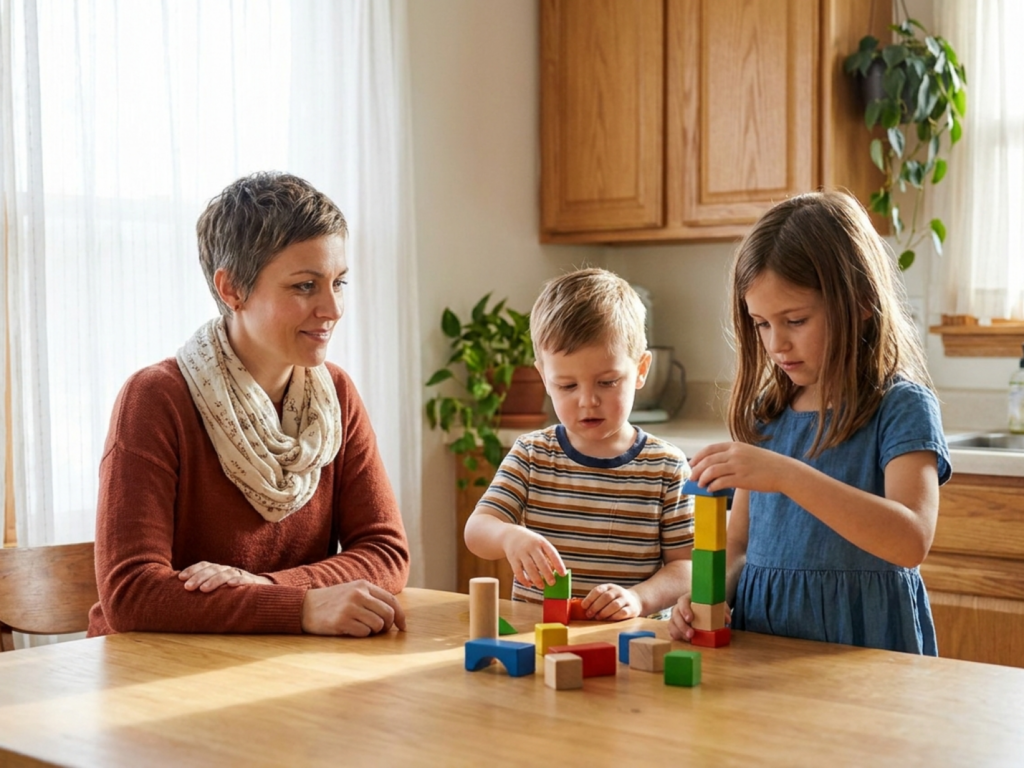
Sibling relationships are among the earliest and longest-lasting social bonds in childhood. They can offer companionship, shared identity, and daily opportunities to practice communication, cooperation, and repair after conflict. Because siblings spend so much time together, their relationship often becomes a powerful setting for emotional learning.
Research shows that sibling ties are not simply “good” or “bad.” They can function as a source of support, but also as a source of strain, especially when family stress, temperament differences, or chronic conflict are present. Understanding these patterns can help caregivers respond with more confidence and less guilt.
Highlights
Sibling relationships can be both protective and stressful. The same bond may provide comfort, but also become a setting for rivalry or repeated conflict.
Warmth, fairness, and the ability to repair after arguments are strongly linked with healthier adjustment.
Chronic hostility, intimidation, or fear between siblings is not just “normal fighting” and can affect mood, behavior, and school life.
Family stress, parenting patterns, age spacing, and child temperament all shape how sibling dynamics develop over time.
Why sibling relationships matter
Siblings often share the most consistent peer-like contact a child has at home. That makes the relationship an important setting for learning how to negotiate turns, read emotions, manage disappointment, and recover after conflict. In everyday life, siblings also influence each other’s routines, interests, language, and sense of belonging.
Longitudinal research suggests that sibling relationship quality is associated with child and adolescent adjustment over time. Warm, supportive relationships may buffer stress, while hostile or highly unequal relationships may add risk. Siblings also shape social communication in children, because they provide repeated practice in listening, explaining, correcting misunderstandings, and adapting to another person’s perspective.
It is also useful to think about sibling bonds alongside peer relationships in child development. Siblings are not the same as friends, but the skills children practice at home often carry into school, group play, and later relationships. For many children, a sibling is the first close relationship in which affection and irritation coexist, which is a very real developmental lesson.
How sibling dynamics change with age
Sibling relationships are not static. In early childhood, children may move between imitation, parallel play, ownership disputes, and short bursts of closeness. Shared toys, limited language, and immature impulse control often make conflict more visible at this stage. Co-regulation in early childhood, meaning an adult helps children settle their bodies and emotions, can be especially important when disputes escalate.
As children grow, conversations become more complex. School-age children may bargain, compare rules, form temporary alliances, or become highly sensitive to fairness. During this period, emotion regulation in children becomes more relevant because the ability to pause, name feelings, and shift attention can reduce how quickly disagreement turns into aggression.
Adolescence adds privacy needs, identity development, and greater sensitivity to respect. Older siblings may take on helper roles, while younger siblings may resist control. Age spacing and developmental stage often matter more than simple birth-order stereotypes. A large age gap can reduce direct competition, but it can also create unequal power. A small age gap can increase rivalry while also supporting companionship.
Warmth, conflict, and what is normal
Most siblings argue. Occasional grabbing, teasing, jealousy, or competition for attention is common, especially when children are tired, hungry, overstimulated, or sharing close quarters. Conflict by itself is not automatically harmful. What matters more is the pattern: how often it happens, how intense it becomes, whether both children can recover, and whether adults can help restore safety.
Warmth in sibling relationships may look like shared humor, mutual help, protecting each other from outsiders, or spontaneous affection. These positive moments matter because they can provide a sense of security and belonging. At the same time, a sibling relationship can include both warmth and conflict. That mix is normal. The goal is not to eliminate all disagreement, but to keep disagreement from becoming chronic hostility.
Concern rises when conflict is one-sided, when one child routinely humiliates, coerces, or frightens the other, or when there is no real repair after fights. Persistent aggression may be associated with emotional or behavioral difficulties, but it should be understood in context rather than assumed to reflect a child’s character.
How family context shapes the relationship
Sibling relationships are strongly influenced by the wider family environment. Parenting consistency, stress level, parental conflict, financial strain, illness, disability, crowded living conditions, and major transitions such as separation or relocation can all shape how siblings treat one another. When caregivers are stretched thin, children often have fewer opportunities to be guided through conflict and repair.
It is also important to avoid assuming that sibling conflict means parents have failed. Family systems are interactive: children influence each other, and they also respond to what is happening around them. Differential treatment, even when unintentional, may intensify resentment if children feel repeatedly compared or labeled. By contrast, stable caregiving relationships can help children tolerate jealousy and disappointment more safely.
Siblings may also adapt to family roles. One child may become the helper, another the peacemaker, another the “difficult” one. These roles can be flexible, but they may also become sticky if adults reinforce them. The most helpful stance is usually to notice the pattern without assigning blame, then create conditions that make respectful interaction more likely.
Supportive ways parents and caregivers can help
Caregivers do not need perfect peace at home. They need a structure that makes safety, fairness, and repair more likely. Small, repeated responses are often more effective than dramatic punishments after the fact.
- State clear house rules about hands, words, privacy, and personal belongings.
- Notice feelings early and name them: “You both want the same toy” or “You look frustrated.”
- Avoid comparisons such as “Why can’t you be more like your sister?”
- Give each child predictable one-on-one time so competition for attention is less intense.
- Teach repair after conflict: apology, return of an item, or a brief calm reset.
- Separate children briefly when escalation starts, then revisit the problem once everyone is calmer.
These strategies also support broader social learning. The same habits that help at home can strengthen and later shape peer relationships in child development. If one child has language delays, sensory differences, neurodevelopmental conditions, or high emotional reactivity, a pediatric or child-development professional can help tailor expectations and supports.
When to seek professional advice
Some sibling conflict should prompt more active concern. Seek professional advice if one child is being physically hurt, repeatedly terrorized, or made to feel unsafe. Strong warning signs include persistent hitting, biting, choking, threats, cruelty, sexualized behavior, weapon use, or one child consistently controlling access to toys, space, or adult attention.
Also ask for help if sibling conflict is linked with sleep problems, school refusal, loss of interest in activities, frequent crying, developmental regression, or a sudden change in behavior. If a child talks about self-harm, or if an older sibling is using intimidation that cannot be safely managed at home, urgent evaluation is appropriate.
A pediatrician, child psychologist, family therapist, or school mental health professional can help sort out whether the sibling pattern reflects stress, anxiety, trauma, communication difficulties, or broader family strain. The goal is not to label a child. It is to reduce harm and restore a safer relationship climate for everyone involved.
Seek help promptly if
- One child is afraid to be alone with a sibling or is being physically hurt.
- Conflict includes choking, weapons, sexualized behavior, or severe threats.
- A child suddenly withdraws, regresses, or refuses school after repeated sibling conflict.
- There is self-harm talk, escalating aggression, or behavior that cannot be kept safe at home.
Tools & Assistance
- Pediatrician or family doctor
- Licensed child psychologist or family therapist
- School counselor or school psychologist
- Local child mental health and family support services
FAQ
Is sibling conflict normal?
Yes, occasional conflict is normal. The concern is not disagreement itself, but repeated hostility, fear, or lack of repair.
Do siblings always affect each other the same way?
No. Age gap, temperament, parenting, and family stress can make one sibling relationship very different from another in the same home.
What helps siblings get along better?
Clear rules, calm coaching, fair attention, and opportunities to repair after fights usually help more than harsh punishment.
When should I ask for professional support?
Ask for help if there is persistent aggression, fear, emotional distress, school problems, or any safety concern.
Sources
- PubMed Central — Sibling Relationships and Influences in Childhood and Adolescence
- PubMed / National Library of Medicine — Sibling relationships as sources of risk and resilience in the development and maintenance of emotional and behavioral problems during childhood and adolescence
- Wiley / Child Development — Illuminating the landscape of sibling relationship quality: An evidence and gap map
Disclaimer
This article is for educational purposes only and does not replace individualized medical or mental health assessment. For persistent conflict, aggression, or safety concerns, consult a qualified pediatric or child mental health professional.











Please log in to leave a comment.