
Intro
Labor pain is intense, variable, and deeply personal. Even when labor is progressing normally, contractions, cervical dilation, pelvic pressure, and stretching of the birth canal can produce severe pain. However, pain that is sudden, constant, markedly different from the contraction pattern, or accompanied by other concerning signs deserves prompt assessment by a midwife, obstetrician, nurse, or emergency clinician.
This article explains how normal labor pain develops, which features may be abnormal, what conditions clinicians may consider, and how pain can be assessed and treated. It is appropriate to ask for help early: reporting severe pain is not a failure to cope, and requesting analgesia does not mean that labor is abnormal.
Highlights
Normal labor pain usually rises and falls with contractions, but the intensity and location can vary considerably.
Constant, localized, or suddenly escalating pain between contractions may require urgent clinical assessment.
Severe pain can occur with malposition, obstructed labor, infection, placental complications, or other emergencies, but pain alone cannot establish a diagnosis.
Effective pain relief includes continuous support, positioning, water, inhaled analgesia, systemic medication, and neuraxial techniques such as epidural analgesia.
Tell the maternity team what you are feeling, where the pain is located, whether it changes with contractions, and what other symptoms are present.
How labor pain normally develops
Labor pain is produced by several overlapping mechanisms. During the first stage, uterine contractions reduce blood flow temporarily within the myometrium and stimulate visceral nociceptive pathways. Cervical dilation and effacement also activate sensory fibers. This pain is often felt in the lower abdomen, pelvis, sacrum, or lower back and may be referred to the thighs. As labor progresses, contractions generally become longer, stronger, and closer together, although the pattern is not identical for every person.
During the second stage, pain becomes more somatic as the fetal head or presenting part distends the vagina, pelvic floor, perineum, and surrounding tissues. This may cause intense downward pressure, rectal pressure, burning or stretching at the perineum, and an urge to push. The transition between stages can be difficult to identify precisely, and a mixture of visceral and somatic pain is common.
Severe pain does not automatically mean that something is wrong. Pain thresholds, anxiety, prior experiences, fatigue, fetal position, cervical status, and the speed of labor all influence how pain is perceived. A person may experience extremely severe pain during an uncomplicated labor, while another may have a serious complication with less obvious pain. Assessment must therefore consider the entire clinical picture rather than a numerical pain score alone.
Features that may be abnormal
Expected contraction pain usually has a rhythmic pattern: it builds, peaks, and eases. There may be discomfort between contractions, particularly late in labor, but the uterus and body commonly have some period of relaxation. Pain that is constant, progressively worsening without relief, sharply localized, or qualitatively different from earlier contractions should be reported immediately.
Examples of potentially concerning patterns include severe abdominal pain between contractions, a rigid or unusually tender abdomen, sudden upper abdominal or chest pain, persistent severe back pain that does not follow contractions, or pain accompanied by faintness, shortness of breath, heavy bleeding, or a sense that something is seriously wrong. New pain after an intervention, such as an epidural, should also be communicated because it may reflect a change in labor, a medication-related issue, or another condition requiring review.
Back labor may be exceptionally intense, especially when the fetus is in a posterior position. Pain concentrated over the sacrum or lower back can still occur in normal labor, but persistent lower-back pain during labor merits discussion with the clinical team. Position changes, examination, fetal monitoring when indicated, and individualized support can help distinguish back labor from other causes.
The phrase abnormal pain describes a clinical concern, not a diagnosis. Only an examination and appropriate monitoring can determine whether pain reflects normal tissue stretch, fetal position, labor progress, or a complication.
Conditions clinicians may need to evaluate
When pain appears atypical, clinicians may assess cervical dilation, contraction pattern, fetal position, maternal vital signs, uterine tone, bleeding, fluid characteristics, and the fetal heart rate pattern. They may also review medications, procedures, previous uterine surgery, and the timing of membrane rupture. The goal is to identify whether labor is progressing safely and whether additional treatment or urgent birth planning is needed.
One possibility is malposition or malpresentation, which can increase pressure on the sacrum, pelvic floor, or bladder and may contribute to prolonged or difficult labor. A mismatch between fetal size or position and the maternal pelvis can also contribute to labor that does not progress. These possibilities require professional assessment and cannot be confirmed from pain location alone.
Other conditions considered may include infection, particularly when pain occurs with maternal fever, uterine tenderness, foul-smelling amniotic fluid, or maternal or fetal tachycardia. Placental complications can present with abdominal pain, uterine tenderness, changes in uterine tone, bleeding, or fetal heart rate abnormalities, although presentation varies. In a person with a previous cesarean or other uterine surgery, clinicians remain alert to rare but serious complications such as uterine rupture.
Severe pain can also arise from non-obstetric causes, including urinary tract disease, renal colic, gastrointestinal conditions, musculoskeletal injury, or an acute cardiovascular or respiratory problem. This is why the maternity team may ask detailed questions and perform examinations even when the pain seems clearly related to contractions.
When to seek urgent assessment
During labor, contact the maternity unit or alert the bedside team promptly if pain is severe and continuous, suddenly changes, or does not improve between contractions. Do not wait for the next routine examination if you feel unsafe or believe the pattern is unusual. A clinician may need to assess you immediately and may activate emergency protocols when indicated.
- Severe abdominal pain with bleeding, marked uterine tenderness, or a rigid abdomen
- Pain with fainting, severe weakness, confusion, or difficulty breathing in labor
- Heavy vaginal bleeding or a sudden change in the amount or character of bleeding
- Severe pain after the waters break, especially with a visible or felt cord, or a sudden change in fetal movement
- Maternal fever, chills, or foul-smelling amniotic fluid together with worsening pain
- Persistent fetal heart rate abnormalities identified by the clinical team
Emergency signs can overlap with normal labor sensations, and their presence does not establish a particular diagnosis. The important action is rapid communication. If you are at home and cannot reach your maternity service, use local emergency services for severe or rapidly worsening symptoms, particularly bleeding, collapse, breathing difficulty, or an unplanned out-of-hospital delivery.
Assessing pain in a clinical setting
A useful pain history includes the onset, location, quality, severity, duration, and relationship to contractions. Describe whether the pain is cramping, pressure, tearing, burning, stabbing, or constant. Mention radiation to the back or legs, pain between contractions, and any associated nausea, vomiting, fever, bleeding, fluid leakage, dizziness, or breathlessness. Also tell the team whether the pain differs from what you expected or from your previous labors.
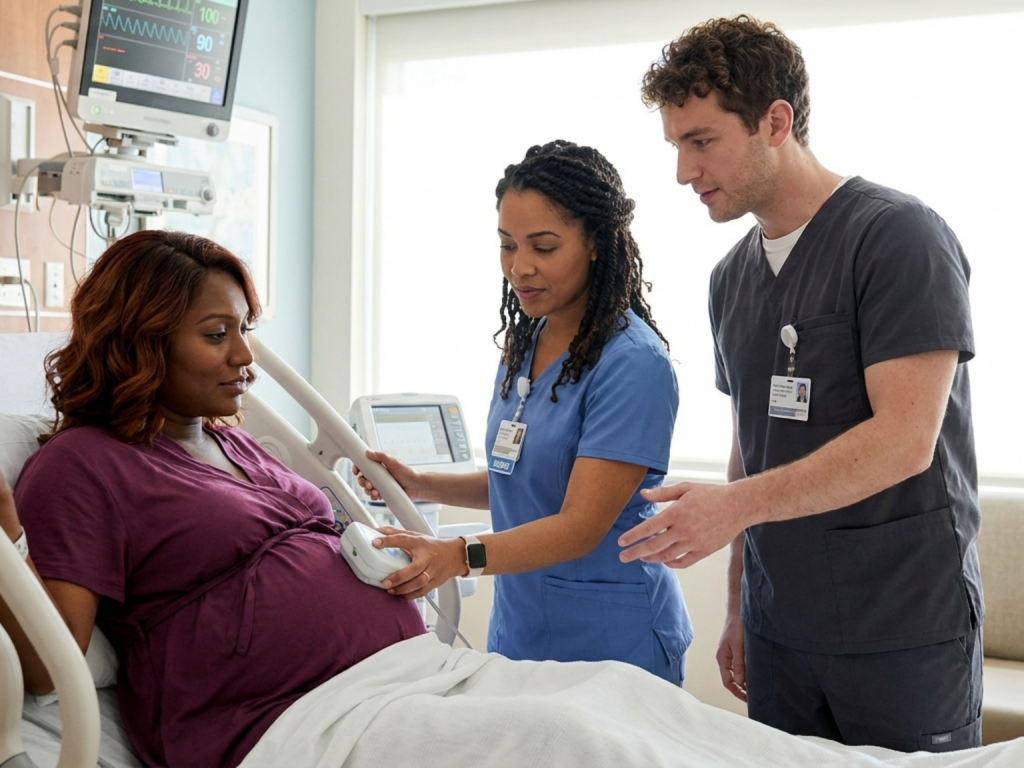
Assessment commonly includes maternal pulse, blood pressure, temperature, oxygen saturation when clinically indicated, abdominal palpation, contraction monitoring, and fetal assessment. A vaginal examination may help evaluate dilation, effacement, fetal station, and presentation, but it is not the only source of information. Depending on findings, the team may recommend blood tests, urine testing, ultrasound, or other investigations.
Shared decision-making remains important during urgent assessment. Ask what the team is concerned about, what information is still being gathered, which interventions are being considered, and how pain relief can be provided while evaluation continues. In an emergency, immediate stabilization and fetal or maternal safety take priority, but clinicians should still explain actions as clearly as circumstances allow.
Pain relief and supportive care
Pain management should be individualized and can be adjusted as labor evolves. Continuous emotional support, calm communication, breathing techniques, movement, upright or side-lying positions, massage, warm water, and focused counterpressure may reduce distress and improve a sense of control. For back labor, sacral counterpressure during contractions, warm compresses for lower-back discomfort, and a hands-and-knees position for back labor may be useful for some people when clinically appropriate.
Non-opioid and opioid medications may be offered according to local protocols, the stage of labor, maternal health, and expected timing of birth. These medicines can reduce pain but may cause sedation, nausea, or other effects, and some medications can affect the newborn if administered close to birth. The maternity team can explain expected benefits and limitations.
Neuraxial analgesia, including epidural analgesia, is one of the most effective options for severe labor pain. It involves medication delivered near the spinal nerves by an appropriately trained clinician. The team considers blood pressure, platelet count, anticoagulant use, infection risk, neurological history, timing, and availability of anesthesia services. Epidural analgesia can often be used while clinicians continue evaluating the cause of pain, but new or abnormal pain should never be masked without assessment.
Uncontrolled pain can increase stress, exhaustion, and physiologic strain. Conversely, pain relief may improve rest, cooperation with examinations, and the ability to participate in labor. Requesting analgesia is valid at any point, subject to clinical circumstances and local resources. A written birth plan can record preferences while acknowledging that safety and changing clinical findings may require adaptation.
Communicating your needs and preparing beforehand
Before labor, ask your obstetric or midwifery team how to contact the unit, which symptoms require immediate arrival, and what analgesia is available. Discuss previous traumatic birth experiences, chronic pain, opioid use, anxiety, medication allergies, bleeding disorders, spinal conditions, and any prior difficulty with anesthesia. These details may affect planning and should be approached without judgment.
During labor, use direct language: “This pain is constant,” “It is different from the contractions,” “I feel pressure between contractions,” or “I am worried something has changed.” A support person can help repeat observations if you are exhausted, but your report should be taken seriously. You are entitled to ask for reassessment when pain changes or when an initial explanation no longer fits what you are experiencing.
After a frightening episode or emergency birth, a postpartum debrief after emergency birth can help clarify what happened, which findings guided decisions, and what may be useful in a future pregnancy. Psychological support may also be appropriate, especially if persistent fear, intrusive memories, sleep disturbance, or avoidance develops. Severe labor pain can be medically important and emotionally significant; both aspects deserve care.
Seek immediate help
- Constant severe pain or severe abdominal pain between contractions
- Heavy bleeding, fainting, collapse, or difficulty breathing
- A rigid or markedly tender abdomen
- Fever or foul-smelling amniotic fluid with worsening pain
- A sudden change in fetal movement or a concerning fetal heart rate pattern
- Pain that rapidly changes or feels seriously different from expected labor
Tools & Assistance
- Maternity unit or labor and delivery triage
- Obstetrician, certified midwife, labor nurse, or anesthesiologist
- Written birth preferences and medication history
- A support person to communicate changes in pain
- Local emergency services for collapse, severe bleeding, or breathing difficulty
FAQ
Is very severe labor pain always abnormal?
No. Normal labor can be extremely painful, particularly during transition and the second stage. However, pain that is constant, localized, suddenly different, or associated with other warning signs requires prompt assessment.
Can back labor be normal?
Yes. Fetal position and pressure on the sacrum can cause intense back pain. Persistent lower-back pain during labor should still be reported so the team can assess labor progress, fetal position, and other causes.
Should I request an epidural if the pain feels unbearable?
You may discuss epidural analgesia or other options with the maternity team at any stage. The appropriate method depends on your medical history, labor circumstances, available services, and how close birth may be.
What should I do if I feel pain between contractions?
Tell the midwife, nurse, obstetrician, or maternity triage service promptly, especially if the pain is severe, worsening, localized, or accompanied by bleeding, fever, dizziness, breathing difficulty, or changes in fetal movement.
Can pain alone tell clinicians what is wrong?
No. Pain characteristics provide important information, but diagnosis requires clinical assessment that may include vital signs, abdominal and vaginal examination, contraction monitoring, and fetal assessment.
Sources
- PubMed — Labor pain-causes, pathways and issues
- PubMed — Labor pain and obstetric analgesia
- PubMed — Pain management in labor
Disclaimer
This article is for general educational purposes and does not diagnose conditions or replace individualized advice. Seek urgent assessment from a qualified healthcare professional for severe, changing, or concerning pain during labor.

















Please log in to leave a comment.