
Intro
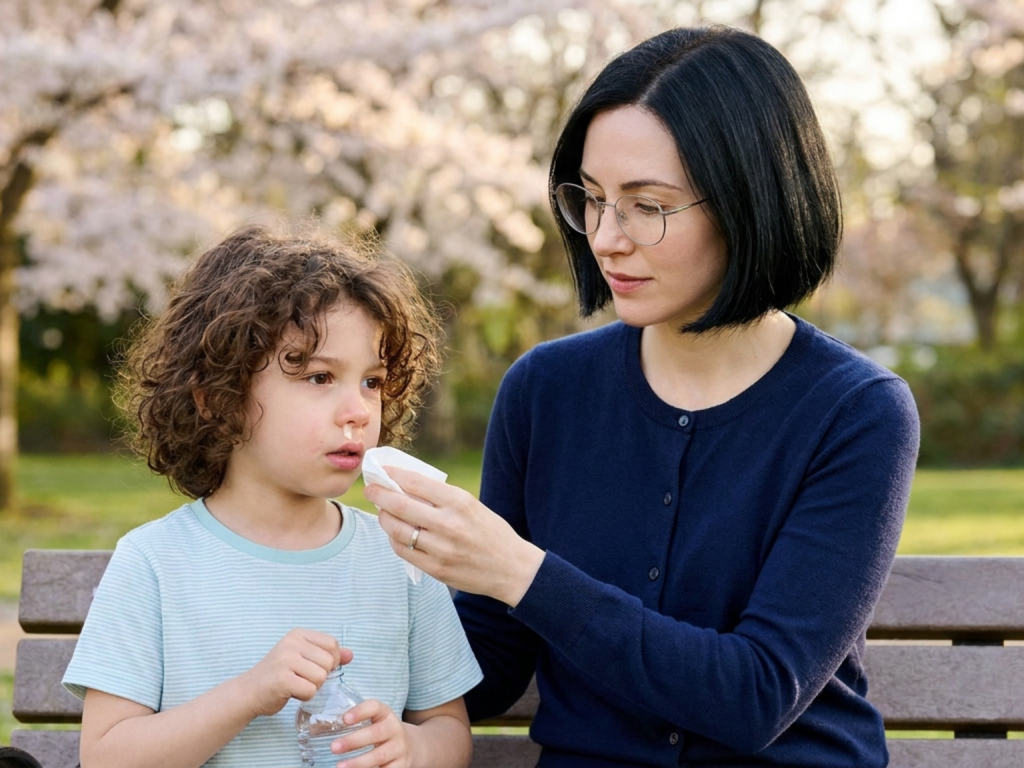
Seasonal allergies can make an otherwise energetic child feel exhausted, congested, itchy, and distracted. For families, it can be frustrating to watch symptoms return every spring or fall and to wonder whether the problem is a cold, asthma, an eye infection, or allergy.
This article explains seasonal allergic rhinitis in children in medically precise but practical terms. It is not a substitute for a clinician’s assessment, especially when symptoms are severe, persistent, associated with wheezing, or not improving with careful environmental measures and appropriate over-the-counter options.
Highlights
Seasonal allergies in children are usually immune-mediated reactions to airborne pollens from trees, grasses, or weeds.
Typical patterns include sneezing, clear rhinorrhea, nasal obstruction, itchy eyes, and symptoms that worsen outdoors or on windy, high-pollen days.
Environmental control, nasal saline, antihistamines, and intranasal corticosteroids may help, but medication choices should be discussed with a pediatric clinician.
Children with asthma need extra attention because allergic rhinitis can worsen lower-airway symptoms.
What seasonal allergies mean in a child
Seasonal allergies, often called seasonal allergic rhinitis or hay fever, occur when a child’s immune system reacts to airborne allergens that vary by time of year. Common triggers include tree pollen in spring, grass pollen in late spring or summer, and weed pollen, including ragweed in many regions, in late summer or autumn. Mold spores may also fluctuate seasonally, especially after rain or during leaf decay.
The underlying mechanism is usually an IgE-mediated hypersensitivity response. After sensitization, exposure to pollen can cause mast cells in the nasal and conjunctival mucosa to release histamine and other inflammatory mediators. This produces sneezing, watery nasal discharge, itching, and swelling of the nasal lining. A later inflammatory phase may contribute to persistent congestion, mouth breathing, postnasal drip, cough, and sleep disruption.
Children do not always describe symptoms clearly. A younger child may rub the nose upward, blink frequently, clear the throat, become irritable, or seem inattentive at school. Chronic congestion can affect sleep quality, and poor sleep can look like moodiness, hyperactivity, or reduced concentration. The goal is not to label every sneeze as allergy, but to recognize a recurring seasonal pattern and discuss it with a healthcare professional.
Recognizing the symptom pattern
Seasonal allergy symptoms often cluster in the nose, eyes, throat, and sometimes the chest. Nasal symptoms include repeated sneezing, clear rhinorrhea, nasal itching, and congestion. Eye involvement, or allergic conjunctivitis, may cause itching, redness, tearing, and eyelid puffiness. Postnasal drip can lead to throat clearing, hoarseness, cough, or a sore-feeling throat without fever.
The pattern matters. Allergy symptoms often worsen outdoors, during windy weather, after playing in grass, or when pollen counts are high. They may improve after bathing, changing clothes, or spending time in filtered indoor air. By contrast, viral colds commonly include a short incubation period, malaise, thicker nasal mucus over time, possible fever, and gradual resolution within about a week or two. Allergies can persist for weeks while the relevant pollen remains present.
Some children also have eczema or asthma, and allergic conditions frequently overlap. If a child develops wheezing, chest tightness, shortness of breath, exercise limitation, or night cough, families should seek medical advice promptly. Allergic rhinitis can worsen asthma control, and treating the upper airway may be part of a broader asthma management plan. It is also reasonable to consider non-allergic causes when symptoms are atypical, one-sided, associated with facial pain, or accompanied by recurrent infections.
Why symptoms can affect sleep, learning, and mood
Seasonal allergies are sometimes dismissed as minor, but the daily burden can be substantial. Nasal obstruction can fragment sleep, cause mouth breathing, worsen snoring, and leave a child tired in the morning. Itchy eyes and frequent sneezing can interfere with reading, sports, and classroom focus. A child who cannot breathe comfortably through the nose may appear restless or less resilient during the day.
It is also important to avoid assuming that all fatigue, irritability, or school difficulty is behavioral. Allergic inflammation, poor sleep, medication side effects, and comorbid asthma can all influence functioning. At the same time, families may need to distinguish allergy-related discomfort from child stress physical symptoms, anxiety, or other health concerns when the story does not fit a clear pollen pattern.
Medication effects deserve attention. Older sedating antihistamines may cause drowsiness, impaired attention, paradoxical excitation in some children, and reduced school performance. Many clinicians prefer newer, less sedating antihistamines when an oral antihistamine is appropriate, but age, dosing, other medical conditions, and drug interactions should be reviewed with a pediatric professional. A child’s daytime behavior can improve when symptoms are controlled with a plan that minimizes sedation.
Reducing pollen exposure without stopping childhood
Avoidance is rarely perfect, and children should still play, exercise, and enjoy outdoor life when it is safe for them. The practical aim is to reduce the intensity and duration of allergen exposure. Families can monitor local pollen reports, recognize which seasons are hardest, and adjust routines during peak periods.
- Keep windows closed during high-pollen days, especially in bedrooms and while sleeping.
- Use air conditioning or appropriate filtration when available, and maintain filters according to manufacturer guidance.
- Have children shower or bathe and wash hair after prolonged outdoor play during peak pollen season.
- Change clothing after outdoor activity and keep pollen-covered shoes or sports gear out of sleeping areas.
- Dry laundry indoors during high-pollen periods, because pollen can collect on outdoor-dried fabrics.
- Consider sunglasses or a brimmed hat outdoors if eye symptoms are prominent.
Timing can help. Pollen levels are often higher on dry, windy days, and symptoms may flare after mowing, field sports, or hiking through grassy areas. If symptoms are severe, planning outdoor activity after rain or at lower-pollen times may reduce exposure. These measures are not a cure, but they can decrease the medication burden and improve comfort.
Treatment categories families may discuss with clinicians
Treatment depends on age, symptom severity, comorbid conditions, and which symptoms dominate. Saline nasal spray or irrigation can help rinse mucus and allergens from the nose. For younger children, caregivers should ask a clinician which technique and product are appropriate, because safe administration matters.
Oral non-sedating antihistamines, such as cetirizine, loratadine, or fexofenadine, are commonly used for sneezing, itching, and runny nose. Antihistamine eye drops may help prominent ocular itching and tearing. Families should follow age-specific labeling and consult a pharmacist or pediatric clinician if a child takes other medicines or has chronic conditions.
Intranasal corticosteroid sprays, such as fluticasone or triamcinolone in some settings, are often considered highly effective for nasal congestion, sneezing, and inflammation when used correctly and consistently. Technique matters: the spray is usually directed slightly outward, away from the nasal septum, to reduce irritation or nosebleeds. These medications should be used according to professional advice, particularly in younger children or when long-term seasonal use is anticipated.
Some children may be prescribed other therapies, such as leukotriene receptor antagonists, in selected circumstances. Because benefits and risks vary, families should not start prescription therapies without medical guidance. If symptoms persist despite appropriate avoidance and medication, allergy testing and immunotherapy may be discussed with a pediatric allergy specialist.
When to seek testing, referral, or urgent care
Allergy testing is not necessary for every child with mild, predictable seasonal symptoms. However, testing can be useful when the trigger is unclear, symptoms are moderate to severe, there is year-round congestion suggesting indoor allergens, asthma is difficult to control, or families are considering allergen immunotherapy. Testing may involve skin-prick testing or blood testing for allergen-specific IgE, interpreted in the context of the child’s history.
A pediatrician or allergy specialist can also help when symptoms resemble allergies but do not behave like them. Persistent unilateral nasal discharge, recurrent sinus infections, severe headaches, nasal polyps, growth concerns, chronic nosebleeds, or poor response to well-used therapy may require further evaluation. Children with suspected asthma symptoms need timely assessment because upper and lower airway inflammation often interact.
Seek urgent care if a child has significant breathing difficulty, blue or gray lips, severe wheezing, lethargy, dehydration, facial or throat swelling, or signs of anaphylaxis after a sting, food, medication, or unknown exposure. Seasonal allergic rhinitis itself is usually not an emergency, but respiratory distress is always taken seriously. When in doubt, families should contact their child’s healthcare team or local emergency services.
When to be more cautious
- Seek urgent help for wheezing, labored breathing, bluish lips, severe lethargy, or throat swelling.
- Consult a clinician if allergy symptoms are persistent, worsening, one-sided, or associated with fever or facial pain.
- Children with asthma should have allergic rhinitis managed as part of their asthma care plan.
- Avoid using sedating antihistamines or multiple allergy medicines together unless a healthcare professional advises it.
- Do not assume school difficulty or fatigue is only behavioral when sleep-disrupting congestion is present.
Tools & Assistance
- Keep a symptom and pollen-count diary for two to four weeks.
- Ask a pediatrician or pharmacist about age-appropriate medication options and correct nasal spray technique.
- Create a bedtime pollen-reduction routine: shower, clean pajamas, closed windows, and filtered indoor air if available.
- Discuss allergy referral if symptoms remain disruptive despite careful environmental steps and appropriate treatment.
- Review asthma action plans before high-pollen seasons if the child has asthma.
FAQ
Can toddlers have seasonal allergies?
They can, although seasonal allergic rhinitis is often easier to recognize after repeated seasonal exposures. Persistent or severe symptoms in a toddler should be assessed by a pediatric clinician.
How can I tell allergies from a cold?
Allergies often cause itching, sneezing, clear drainage, and symptoms that persist during pollen exposure without fever. Colds more often include malaise, possible fever, and gradual improvement within one to two weeks.
Are nasal steroid sprays safe for children?
They are commonly used in children when appropriate and can be very effective for congestion, but age, dose, duration, and technique should be reviewed with a healthcare professional.
When should we consider an allergist?
Consider referral when symptoms are moderate to severe, the trigger is unclear, asthma coexists, medicines are not helping, or immunotherapy is being considered.
Sources
- Children's Healthcare of Atlanta — Seasonal Allergies in Kids: Symptoms, Prevention and Treatment
- About Kids Health — Seasonal allergies
- Kaiser Permanente - My Doctor Online — Seasonal Allergies (Allergic Rhinitis) in Children
Disclaimer
This article is for general educational purposes only and does not diagnose or treat any child. Always consult a qualified healthcare professional for individualized medical advice, especially for severe symptoms, asthma, or medication questions.
















Please log in to leave a comment.