
Intro
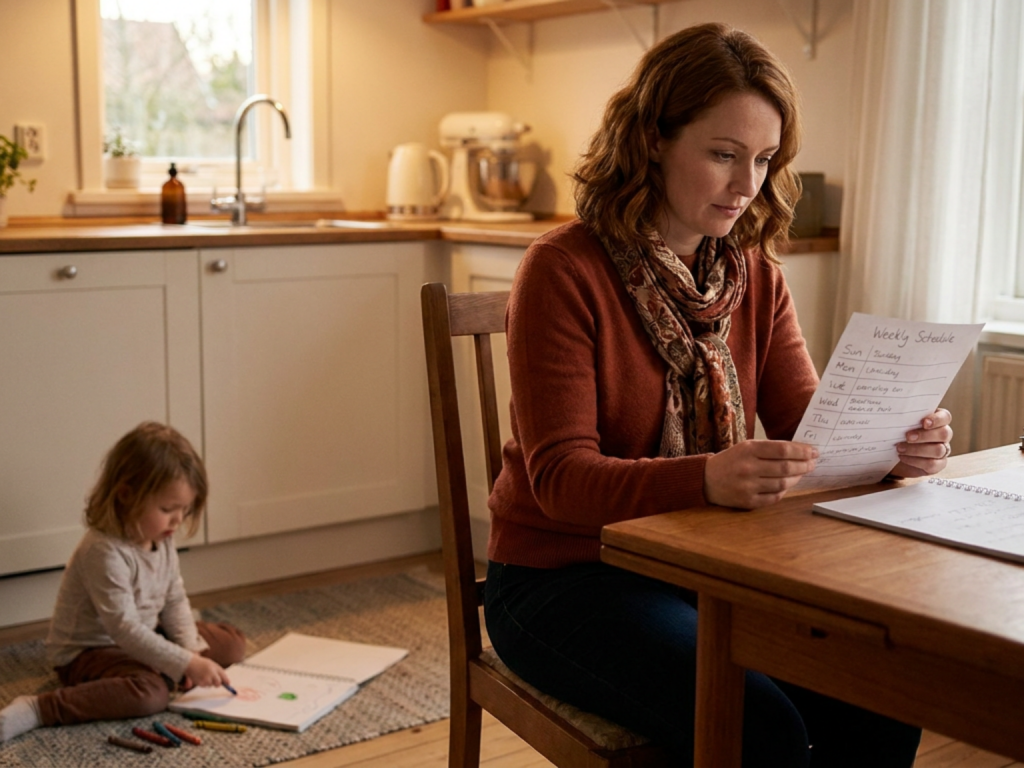
Parent relationships and lifestyle balance are deeply connected. The way caregivers communicate, set limits, recover from stress, share responsibilities, and protect time for connection shapes not only the parent-child bond but also the emotional climate of the household. Many parents are trying to be warm, consistent, financially responsible, professionally engaged, and personally healthy at the same time. That is a high cognitive and physiological load, not a personal failure.
Highlights
A balanced parenting lifestyle combines warmth, responsiveness, and clear expectations rather than permissiveness or harsh control.
Parent-child relationships are strengthened by predictable routines, emotional repair after conflict, and developmentally appropriate autonomy.
Lifestyle balance requires recovery time for parents, not only better scheduling; chronic overload can affect mood, patience, sleep, and family communication.
Couple, co-parent, and support-network relationships influence the child’s environment and deserve practical attention.
Professional guidance can be valuable when stress, conflict, sleep disruption, anxiety, depression, or safety concerns are affecting family life.
What lifestyle balance means in parenting
Lifestyle balance in parenting is not a perfect division of time between children, work, partnership, household tasks, and self-care. It is the ongoing adjustment of energy, attention, and expectations so the family can function with enough stability, warmth, and flexibility. A parent may spend many hours with a child and still feel emotionally unavailable if they are depleted; another parent may have limited time but preserve a strong relationship through consistency, attunement, and repair.
From a biopsychosocial perspective, family balance is influenced by sleep, nutrition, employment demands, finances, social support, parental mental health, child temperament, neurodevelopmental needs, and cultural expectations. When these pressures accumulate, parents may experience higher allostatic load, meaning the body’s stress-response systems are repeatedly activated with insufficient recovery. This can show up as irritability, emotional numbing, poor concentration, headaches, gastrointestinal symptoms, or disrupted sleep. These symptoms are not a diagnosis, but they are signals that the family system may need more support.
Parenting style: warmth plus structure
Research and clinical education commonly describe four broad parenting styles: authoritative, authoritarian, permissive, and neglectful or uninvolved. These categories are not labels for judging parents; they are frameworks for understanding patterns of responsiveness and demandingness. Responsiveness refers to warmth, sensitivity, and emotional availability. Demandingness refers to expectations, boundaries, and guidance.
Authoritative parenting is often presented as the most balanced pattern. It combines a close, nurturing relationship with clear expectations and reasoning behind limits. In practical terms, an authoritative parent might say, “I know you are angry that screen time is over. It is still time to stop because your body needs sleep. I can help you choose a book now.” This approach validates emotion while maintaining the boundary.
Authoritarian parenting emphasizes obedience and control with less emotional explanation. Permissive parenting is warm but may provide insufficient structure. Neglectful parenting involves low warmth and low guidance. Real families may move between patterns depending on stress, illness, fatigue, or crisis. The goal is not perfection; it is to return, as often as possible, to a pattern of connection, predictability, and developmentally appropriate boundaries.
Why the parent-child relationship needs both closeness and limits
Children develop self-regulation through repeated co-regulation with caregivers. Co-regulation means the adult helps the child organize emotion, behavior, and attention before the child can reliably do so independently. A toddler needs physical proximity and simple language; a school-age child may need choices and problem-solving; an adolescent needs respect, privacy, and negotiated responsibility.
Closeness without limits can leave children feeling uncertain about expectations. Limits without closeness can increase fear, secrecy, or resistance. The balanced middle is especially important because children often test boundaries where they feel safest. A parent’s calm consistency teaches the nervous system that limits are survivable and relationships remain intact.
Useful relationship practices include:
- Use brief, clear instructions instead of long lectures during dysregulation.
- Name feelings without excusing harmful behavior.
- Offer choices within safe boundaries, such as “blue cup or green cup,” not “whether to brush teeth.”
- Repair after conflict by acknowledging your part: “I shouted. That was scary. I am sorry. The rule still matters, and I will try to speak more calmly.”
- Protect small rituals, such as bedtime check-ins, school-run conversations, or weekend breakfast routines.
The hidden load: emotional labor, work demands, and recovery
Many parents carry a large amount of invisible labor: remembering appointments, noticing when shoes no longer fit, tracking school forms, anticipating emotional reactions, planning meals, monitoring screen time, and holding the family calendar in mind. This parental cognitive load can be as exhausting as visible chores. When one caregiver silently carries most of it, resentment and burnout can develop.
Work-family conflict also affects parent relationships. A parent who transitions directly from occupational stress to caregiving may have little opportunity for psychological detachment from work. Even a short transition ritual can help: five minutes of breathing in the car, a walk around the block, changing clothes, or writing tomorrow’s work concerns on a list before entering family time. These practices do not remove structural pressures, but they can reduce spillover into the parent-child relationship.
For many families, work life balance for parents also depends on external conditions such as childcare availability, predictable scheduling, paid leave, healthcare access, and family-friendly workplace policies. It is important to avoid framing balance as only an individual responsibility. Parents need systems that make caregiving sustainable.
Co-parenting, couple relationships, and the family emotional climate
Children are sensitive to the emotional tone between caregivers, whether parents are together, separated, divorced, or co-parenting across households. Frequent hostility, contempt, unpredictable conflict, or triangulating children into adult disputes can increase stress for the child. In contrast, respectful communication and consistent expectations provide a more secure environment, even when adults disagree.
Balanced co-parenting does not require identical personalities or perfect agreement. It requires enough alignment on safety, routines, discipline, and major values that the child is not forced to manage adult inconsistency. When caregivers differ, it can help to discuss rules privately rather than correcting each other in front of the child, except when safety is at stake.
In couple relationships, lifestyle balance includes protecting adult connection without making the child feel like a burden. This might mean a short daily check-in, shared task planning, rotating night waking when possible, or scheduling rest with the same seriousness as errands. Single parents can benefit from similar principles through trusted relatives, friends, community supports, or respite resources. A healthy family lifestyle is not built by one exhausted person doing everything alone.
Routines that support connection rather than perfection
Routines reduce decision fatigue and give children a sense of predictability. However, rigid routines can become another source of stress if they leave no room for illness, developmental changes, shift work, or family culture. The most useful routines are simple, repeatable, and emotionally realistic.
Consider focusing on a few high-impact anchors:
- Sleep routines: consistent wind-down cues, reduced stimulating media before bed, and age-appropriate expectations.
- Meal routines: regular opportunities to eat together when possible, without turning every meal into a nutritional performance review.
- Transition routines: predictable steps for leaving the house, coming home, and moving from play to homework or bedtime.
- Connection routines: small periods of undivided attention, especially after separations such as school, childcare, or work.
- Repair routines: normalizing apologies, problem-solving, and trying again after difficult moments.
Parents often feel pressure to optimize every domain of a child’s life. Yet children benefit from “good enough” consistency more than constant enrichment. A calm ten-minute conversation may matter more than an overplanned weekend that leaves everyone dysregulated.
Autonomy, independence, and developmental fit
Balanced parenting changes as children mature. Developmentally appropriate autonomy supports competence and self-esteem. A preschooler may choose between two outfits; a school-age child may pack a backpack using a checklist; a teenager may help negotiate curfew, technology boundaries, and academic responsibilities.
Authoritative parenting supports independence by combining freedom with scaffolding. Scaffolding means temporary support that is gradually reduced as the child gains skill. For example, a parent may first sit beside a child during homework, then check in every ten minutes, then review the finished work only when asked. This protects the relationship from becoming a constant control struggle.
It is also important to individualize expectations. Children with anxiety, attention-deficit/hyperactivity symptoms, autism traits, learning differences, chronic illness, sleep disorders, or trauma histories may need different supports. Parents should avoid self-diagnosing and instead consult pediatricians, child psychologists, developmental specialists, or school-based professionals when concerns persist or impair daily functioning.
When balance is disrupted: signs to take seriously
Every family has difficult seasons. Newborn care, illness, financial strain, separation, relocation, bereavement, and work instability can temporarily reduce patience and flexibility. The concern increases when distress becomes persistent, escalating, or unsafe.
Parents may consider professional support if they notice ongoing sleep disruption, panic symptoms, persistent low mood, intrusive thoughts, substance misuse, intense irritability, loss of pleasure, relationship violence, or a sense of being unable to cope. Children may need support if there are marked changes in appetite, sleep, school functioning, aggression, withdrawal, regression, self-harm talk, or persistent somatic complaints such as headaches or abdominal pain without a clear medical explanation.
Seeking help is not evidence of poor parenting. It is a protective action. Pediatric clinicians, family physicians, mental health professionals, lactation consultants, occupational therapists, speech-language pathologists, social workers, and family therapists may all play roles depending on the concern. In urgent safety situations, families should contact local emergency services or crisis resources immediately.
Practical steps toward a more balanced family life
Start with one pressure point rather than trying to redesign the whole household. Ask: What drains us most predictably? Mornings? Bedtime? Homework? Meals? Work transitions? Co-parent communication? Then choose one small intervention and observe whether it reduces conflict.
Examples include preparing school items the night before, using a visual routine chart, creating a shared digital calendar, setting a “no problem-solving” decompression period after work, or holding a weekly 20-minute caregiver meeting. Families can also divide tasks by ownership rather than helping. Ownership means one person fully manages a domain, including planning and follow-through, not just the visible final step.
Most importantly, protect relationship repair. Balanced parenting is not the absence of mistakes. It is the repeated message: “We can have hard feelings, we can set limits, and we can come back to each other.” That message supports emotional security for children and reduces shame for parents.
When to seek urgent or professional help
- Any threat of harm to a child, partner, or self requires immediate emergency or crisis support.
- Persistent parental depression, anxiety, rage, substance misuse, or inability to sleep should be discussed with a healthcare professional.
- Escalating family conflict, coercive control, or domestic violence needs specialized safety planning.
- A child’s self-harm statements, severe withdrawal, aggression, or major functional decline should be assessed promptly.
- Do not start, stop, or change medication or therapy plans without consulting a qualified clinician.
Tools & Assistance
- Schedule a pediatric or family medicine visit when stress is affecting sleep, behavior, feeding, school, or safety.
- Use a shared family calendar and assign full ownership of recurring household tasks.
- Create short transition rituals between work and caregiving to reduce stress spillover.
- Consider family therapy, parent coaching, or evidence-based behavioral support when conflict patterns feel stuck.
- Ask about community resources such as childcare support, respite care, school counseling, or workplace flexibility.
FAQ
Does balanced parenting mean being calm all the time?
No. Balanced parenting means returning to warmth, structure, and repair often enough that the relationship remains secure. Parents can apologize, reset, and seek support when stress is overwhelming.
Is authoritative parenting the same as being strict?
Not exactly. Authoritative parenting includes clear limits, but it also emphasizes warmth, explanation, responsiveness, and respect for the child’s developmental stage.
How can busy parents maintain connection with children?
Small predictable moments can be powerful: a focused bedtime check-in, a short conversation after school, a shared meal, or a few minutes of child-led play without multitasking.
What if co-parents disagree about discipline?
Discuss major rules privately, focus first on safety and consistency, and consider family therapy or parent consultation if disagreements repeatedly escalate or confuse the child.
When is parenting stress a medical concern?
Stress deserves professional attention when it is persistent, impairing sleep or functioning, associated with panic or depressive symptoms, linked to substance misuse, or creating safety concerns.
Sources
- NCBI Bookshelf — Types of Parenting Styles and Effects on Children
- Parenting Science — The authoritative parenting style: an evidence-based guide
- Bright Horizons — Nature, nurture, and the four types of parenting styles
Disclaimer
This article is for general educational purposes and does not diagnose, treat, or replace individualized medical, psychological, or legal advice. Consult qualified healthcare professionals for concerns about mental health, child development, medication, safety, or family functioning.


















Please log in to leave a comment.