
Intro
Understanding whether a baby is overtired or undertired can make sleep decisions feel less like guesswork. Both states may involve unsettled behavior, short naps, resistance to sleep, or frequent waking, but the pattern and timing of the cues often differ. Babies also vary by age, temperament, feeding needs, health, and stage of circadian rhythm development.
Sleep signs are clues rather than a diagnosis. Observing your baby across several days, while considering wake time, naps, feeding, illness, and stimulation, can help you identify patterns. When sleep or behavior raises medical concerns, discuss it with a pediatrician, health visitor, or other qualified healthcare professional.
Highlights
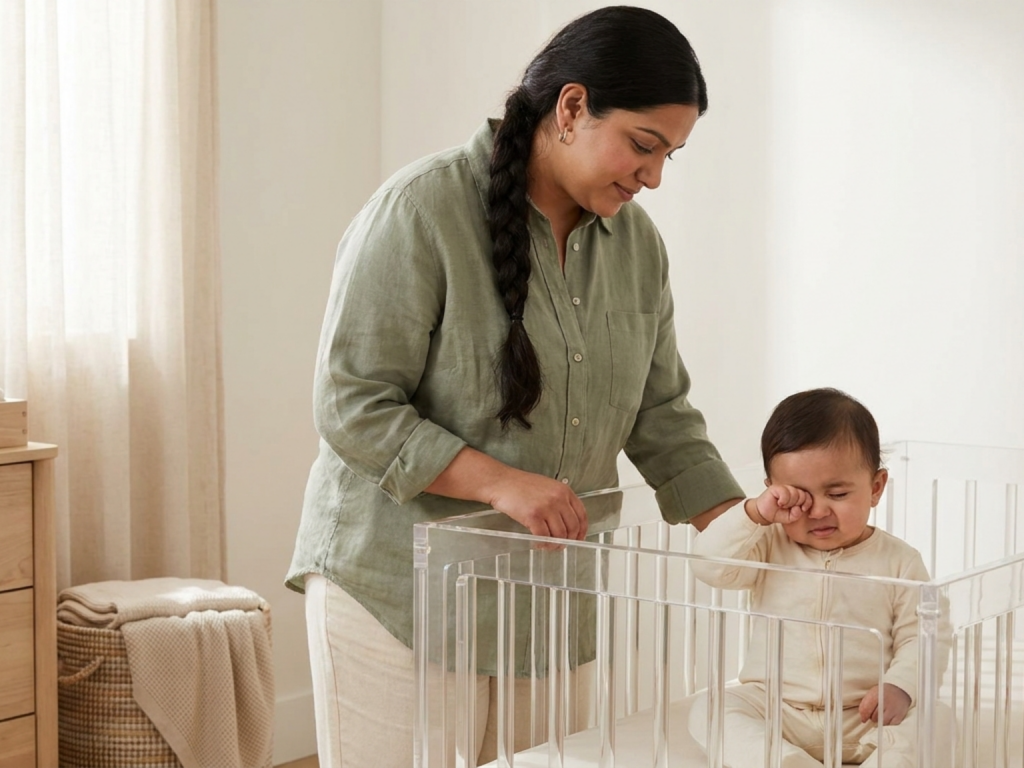
Early tiredness cues may include yawning, eye rubbing, reduced engagement, quieter behavior, glazed eyes, or wanting to suck or feed.
Crying and marked irritability are often late signs and may indicate that a baby has moved from tired to overtired.
An undertired baby may remain alert, playful, or resistant to settling because there has not yet been enough sleep pressure.
Age, developmental stage, feeding, illness, discomfort, and environmental stimulation can mimic or modify sleep signs.
Why Sleep Signs Can Be Difficult to Interpret
Infant sleep is regulated by interacting biological processes rather than by a single timetable. Sleep pressure builds during wakefulness, while the circadian system gradually develops and helps organize day and night. In early infancy, this rhythm is immature, so a newborn may sleep in short, irregular periods and may not show a consistent distinction between daytime and nighttime sleep.
Behavior is also influenced by hunger, reflux, wet clothing, temperature, pain, infection, developmental changes, and sensory input. A baby who turns away or becomes fussy may be tired, overstimulated, hungry, or uncomfortable. Conversely, a baby who appears calm may still be ready for sleep, particularly if quieter behavior and reduced eye contact are subtle changes from their usual interaction.
The most useful approach is to look for a sequence. Note what your baby does before sleep, how long they have been awake, what happens when you offer a nap or bedtime, and whether the same pattern repeats. A single cue is rarely definitive; a cluster of cues occurring in context is more informative.
Early Tiredness Signs: The Best Window for Settling
Early sleep cues are often relatively quiet. NHS guidance for young babies identifies yawning, rubbing the eyes, becoming quieter, glazed or less focused eyes, and wanting to suck or feed as possible signs that a baby is becoming tired. In babies aged approximately 6 to 12 months, reduced engagement, less interest in interaction, and a calmer or quieter presentation may also be noticeable.
Other possible early changes include looking away from faces or toys, slowing movements, losing interest in play, resting the head, or becoming less responsive to social interaction. These behaviors should be interpreted in relation to the individual baby. Some infants become visibly drowsy, whereas others show only a brief reduction in activity before becoming more distressed.
Responding during this early window may make settling easier because the baby has begun to accumulate sleep pressure but has not yet become highly dysregulated. You might reduce stimulation, move to a familiar sleep environment, offer a feed if appropriate, and follow your usual calming routine. Continue to use a safe sleep arrangement consistent with current local guidance.
Overtired Baby Sleep Signs
Overtiredness generally means that a baby’s opportunity for sleep was delayed beyond the point at which they were ready to rest. It is not a formal medical diagnosis, and the behavioral response varies. A baby who has missed early cues may become increasingly activated rather than progressively sleepy. Irritability, fussing, resistance to being soothed, and crying are recognized as later signs of tiredness in NHS infant sleep guidance.
An overtired baby may appear frantic, clingy, or unusually difficult to settle. They may arch, stiffen, flail, turn away, repeatedly latch and unlatch during feeding, or briefly fall asleep and then wake crying. Some babies become restless and seem unable to stop moving; others become quiet but tense. Short naps, frequent waking after being put down, and repeated failed settling attempts can occur, although these patterns also have many other possible explanations.
The central clue is often a progression from earlier subtle signs to escalating distress. For example, a baby may first yawn and disengage, then become fussy, and finally cry when sleep is offered. Crying does not prove overtiredness, but crying after a prolonged period of missed or fragmented sleep makes overtiredness more plausible. Overstimulation can coexist with overtiredness, especially after a busy environment, loud activity, bright light, or prolonged social interaction. A low-stimulation settling space may help, but persistent distress deserves careful consideration of other causes.
When a baby seems overtired, keep the response simple and predictable. Lower light and noise, pause active play, use gentle holding or rhythmic soothing if it is safe and familiar, and avoid introducing many new techniques at once. If the baby becomes more distressed, reassess hunger, temperature, discomfort, illness, and the safety of the sleep environment.
Undertired Baby Sleep Signs
Undertiredness describes a baby who is offered sleep before sufficient sleep pressure has accumulated, or who has had a relatively long or restorative nap and is not yet ready for another sleep period. The baby may remain bright-eyed, socially engaged, and physically active. They may smile, vocalize, watch the room, reach for toys, or resist being held in a sleep position because they are still interested in being awake.
At settling time, an undertired baby may take a long time to fall asleep, repeatedly stand or sit if developmentally able, babble in the cot, or appear content while playing rather than becoming progressively drowsy. They may protest briefly and then return to alert behavior. A nap may be short because the baby was not ready to sleep, although short naps can also result from hunger, discomfort, environmental disturbance, or normal variation.
Undertiredness is more likely when the baby has recently slept well, has had a shorter preceding wake period, or is showing no early tiredness cues. It may also occur after a late or extended nap that reduces sleep pressure before bedtime. However, wake windows should not be treated as exact prescriptions. Development changes quickly, and rigidly extending wakefulness can push a baby into overtiredness.
If the baby is alert and comfortable, a brief period of calm, age-appropriate activity may be reasonable before trying again. Watch for the return of early cues rather than relying only on the clock. Keep the routine familiar and avoid using excessive stimulation to keep the baby awake.
Overtired and Undertired Signs That Overlap
Both overtired and undertired babies may resist sleep, take a short nap, wake soon after being put down, or become unsettled at bedtime. This overlap is why a single failed nap does not reliably identify the cause. The timing, emotional tone, and preceding sleep are more useful than one behavior in isolation.
An undertired baby is often alert and reasonably content during the attempt. They may engage with caregivers, look around, and continue to play. An overtired baby is more likely to show escalating dysregulation: irritability, frantic movements, clinginess, difficulty accepting soothing, or crying that follows earlier tiredness cues. These distinctions are tendencies, not rules.
Consider a short observation record for several days. Write down approximate wake times, naps, feeds, the first tiredness cue, the time settling began, and the baby’s response. Also record unusual events such as travel, visitors, immunizations, illness, or a developmental milestone. Patterns may become clearer when the sequence is visible, but the record should support observation rather than create pressure to achieve a perfect schedule.
When signs are ambiguous, choose a low-stimulation response and reassess. If the baby settles quickly, they were likely ready for sleep. If they remain calm and engaged, they may need more wake time. If they become increasingly distressed despite appropriate soothing, stop and consider whether another need or medical issue is present.
How to Respond Safely and Compassionately
Start with the basics: check whether the baby may be hungry, needs a nappy change, is too hot or cold, or appears uncomfortable. Use a consistent pre-sleep sequence, such as feeding when appropriate, reducing activity, and moving to a familiar sleep space. A predictable sequence can provide cues without requiring a rigid schedule.
Follow current safe-sleep recommendations from your local health service. Place babies on their backs for sleep on a firm, flat, clear surface, and keep the sleep area free from loose bedding and other soft items that could obstruct breathing. Guidance can differ by age and jurisdiction, so ask a healthcare professional or consult an official public health source for recommendations relevant to your baby.
For a baby who may be overtired, reduce sensory input and use one or two familiar calming methods. For a baby who may be undertired, allow calm interaction for a short period and then watch for renewed tiredness cues. Avoid deliberately keeping a baby awake for a prolonged time in an attempt to improve sleep; excessive sleep deprivation can make settling harder.
Caregiver wellbeing matters. Fatigue can impair attention and reaction time, so arrange help where possible and avoid falling asleep with the baby on a sofa or armchair. If you feel unable to cope safely with persistent crying or severe sleep deprivation, put the baby in a safe sleep space and contact someone you trust or a healthcare service promptly.
When to Seek Professional Advice
Discuss ongoing sleep difficulties with a pediatrician, family doctor, health visitor, or other qualified clinician when the pattern is persistent, worsening, or significantly affecting feeding, growth, development, or family functioning. Professional input can help distinguish ordinary sleep variation from conditions such as respiratory problems, pain, reflux-related symptoms, infection, or other medical concerns.
Seek urgent medical advice if a baby has trouble breathing, blue or grey discoloration, unusual limpness, a seizure, marked difficulty waking, signs of dehydration, repeated forceful vomiting, or a fever in an age group for which urgent assessment is recommended. A sudden major change in behavior also warrants prompt medical attention.
Do not assume that every unsettled period is caused by overtiredness or undertiredness. Sleep cues are useful observations, but they cannot diagnose illness. A clinician can interpret symptoms alongside age, medical history, feeding, examination findings, and growth.
When to Get Medical Help
- Seek urgent care for breathing difficulty, blue or grey color, seizure, unusual limpness, or marked difficulty waking.
- Contact a healthcare professional about poor feeding, signs of dehydration, repeated forceful vomiting, or a sudden significant behavioral change.
- Ask for advice about fever, particularly in a young infant, because age-specific thresholds and recommendations apply.
- Do not attribute persistent inconsolable crying solely to overtiredness or undertiredness.
Tools & Assistance
- A simple sleep-and-feeding observation log
- Your pediatrician, family doctor, or health visitor
- Local urgent medical advice and emergency services
- Current safe-sleep guidance from an official health service
FAQ
Is crying always a sign that my baby is overtired?
No. Crying is a late tiredness sign in many babies, but it can also reflect hunger, discomfort, illness, overstimulation, or a need for connection. Look at the preceding cues and the wider context.
Can an undertired baby still seem fussy?
Yes. An undertired baby may protest because they are being asked to stop an activity before they are ready, but fussiness is not specific. Check for early tiredness signs and other needs.
Should I follow exact wake windows?
Wake windows can provide a rough reference, but they are not precise prescriptions. Use age, recent sleep, individual cues, and the baby’s health and development to guide decisions.
What should I do if I cannot tell which state my baby is in?
Reduce stimulation, check basic needs, and offer a familiar settling routine. Observe whether the baby becomes calmer and drowsier or remains alert and engaged. Seek professional advice if the difficulty is persistent or concerning.
Sources
- Warrington and Halton Teaching Hospitals NHS Foundation Trust — Safer Sleep (6-12 months) leaflet
- Worcestershire Community NHS Trust — Safer Sleep 0-3 months leaflet
- Oxford Health NHS Foundation Trust — Sleep - Health Visiting Service
Disclaimer
This article provides general educational information and is not a diagnosis or substitute for individualized medical advice. Contact a qualified healthcare professional for concerns about your baby’s sleep, feeding, breathing, development, or health.
















Please log in to leave a comment.