
Intro
Preparing for international travel with a baby can feel like managing several small but consequential systems at once: feeding, sleep, transport, infection prevention, paperwork, and access to medical care. Thoughtful preparation will not eliminate every disruption, but it can make decisions clearer and reduce avoidable stress when you are far from home.
Every baby and destination are different. A pediatric clinician or travel-health professional can help you interpret destination-specific risks in the context of your baby's age, vaccination status, birth history, medications, and medical conditions.
Highlights
Begin health planning well before departure, ideally allowing time for travel-health advice and any appropriate immunization decisions.
Prepare for ordinary needs such as feeding and sleep as carefully as for low-probability problems such as fever, diarrhea, or a lost medication.
Safer infant travel relies on layers of protection: appropriate restraints, hand hygiene, safe food and water practices, sun protection, and a practical care plan.
Start With a Destination-Specific Health Review
International travel preparation should begin with a realistic review of the destination, itinerary, and your baby’s baseline health. Climate, altitude, access to clean water, local infectious disease patterns, length of flights, urban versus remote travel, and the reliability of medical services can all change the practical risk profile. The needs of a healthy term infant on a short city visit differ substantially from those of a premature infant traveling to a rural area with limited care.
Arrange a pre-travel pediatric visit or travel-health consultation ideally 6 to 8 weeks before departure. This allows time to review the routine immunization record, discuss whether earlier or additional vaccines may be relevant for the destination, and determine whether the baby is medically ready for the journey. Some travel vaccines have age limits, schedules, or contraindications, so individualized advice matters. Do not assume that an adult travel recommendation applies to an infant.
Bring up any history of prematurity, chronic lung or heart disease, immune compromise, neurologic conditions, feeding difficulty, recurrent ear infections, recent surgery, or a recent acute illness. The clinician may help assess fitness for long flights, identify situations in which travel should be delayed, and provide a plan for foreseeable symptoms. Ask where to seek reliable medical care at your destination and whether travel insurance includes pediatric emergency care, hospitalization, medical evacuation, and coverage for pre-existing conditions.
- Confirm passport, visa, consent, and airline documentation requirements early.
- Check whether your destination has mosquito-borne, food-borne, or water-related risks that need special precautions.
- Keep the itinerary flexible enough to accommodate feeding, rest, and medical appointments if needed.
Organize Records, Medicines, and a Medical Summary
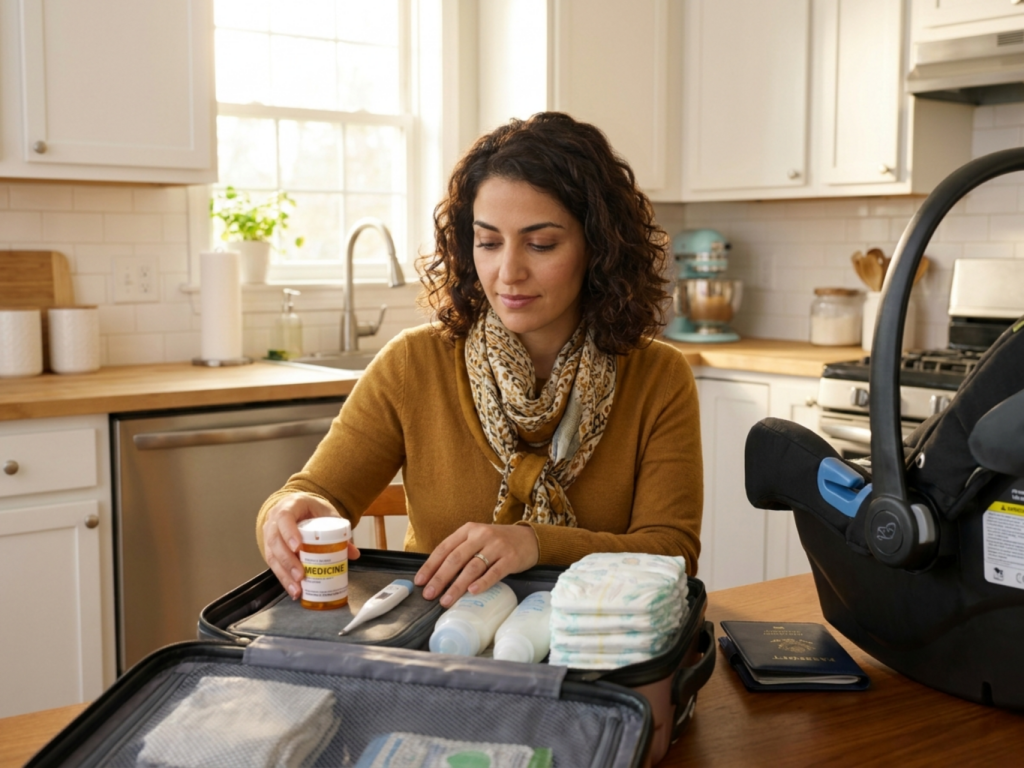
Create a compact travel folder that stays in your carry-on, not in checked luggage. Include copies of the baby’s passport and insurance details, vaccination record, clinician contact information, relevant hospital letters, and a concise baby medical summary. The summary should state date of birth, weight if clinically useful, diagnoses, allergies, regular medicines with generic names and doses, previous significant illnesses, and emergency contacts. A secure electronic copy is useful, but a paper copy remains valuable when battery power or connectivity is unreliable.
Travel with enough routine medication for the entire trip plus a reasonable buffer for delays. Keep medicines in original labeled containers where possible, and verify import restrictions before leaving. Ask a pharmacist or clinician how to transport products requiring temperature control. Do not use medications obtained abroad unless a qualified local clinician or pharmacist confirms that they are appropriate for your baby; product names, concentrations, and formulations can differ between countries.
A basic infant care kit may include a digital thermometer, oral rehydration supplies if clinician-approved, saline drops, a nasal suction device, diapers, wipes, barrier cream, hand sanitizer for situations without soap and water, and a small supply of familiar feeding equipment. Your clinician can advise which medicines, if any, are appropriate to carry and how to calculate doses safely. Avoid improvising doses from adult preparations or using a medicine simply because it was appropriate for an older sibling.
Separate critical items into more than one bag when practical. This reduces the consequences of a lost suitcase and helps preserve access to supplies during an extended delay.
Plan Feeding, Water, and Hygiene Carefully
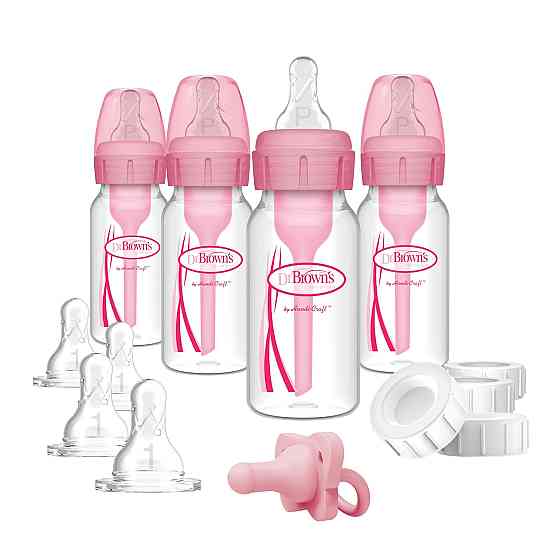
For breastfed babies, travel often requires fewer feeding supplies, but caregivers still need to protect their own hydration, nutrition, and rest as much as possible. Offer feeds responsively, especially during warm weather or disrupted routines. For formula-fed babies, plan formula preparation during travel before departure rather than relying on unfamiliar products or facilities. Bring sufficient familiar formula, bottles, nipples, cleaning supplies, and a method to prepare feeds safely for the journey’s first stages.
Safe water access is a central concern in some destinations. Follow destination-specific public-health advice about drinking water and ice. When local water safety is uncertain, use an appropriately safe water source for formula preparation and cleaning feeding items, following current formula instructions and guidance from a pediatric professional. Ready-to-feed formula can reduce preparation steps in transit, but it still requires safe storage and attention to product instructions.
Hand hygiene protects babies and caregivers from common gastrointestinal and respiratory pathogens. Wash hands with soap and safe running water before preparing feeds, after diaper changes, after using public transport, and before handling the baby’s hands or pacifier. Alcohol-based hand sanitizer can be helpful when hands are not visibly soiled and soap and water are unavailable, but it does not replace careful handwashing when contamination is likely.
Monitor intake and output rather than focusing only on a single feed. Fewer wet diapers than usual, a dry mouth, absent tears when crying, unusual sleepiness, or poor feeding can be signs of dehydration and warrant prompt medical advice, particularly if diarrhea, vomiting, fever, or heat exposure is present.
Make Flights and Ground Transport Safer
Air travel adds noise, confinement, disrupted sleep, and infectious exposure, but preparation can make it more manageable. Confirm airline rules for bassinets, seating, checked equipment, and child restraint systems in advance. The safest place for a baby in a vehicle is generally a properly installed, rear-facing car seat that fits the baby and the vehicle. For a flight, an airline-approved child restraint system may provide more consistent protection than holding an infant on an adult’s lap, particularly during unexpected turbulence. Check both airline approval and the device label before booking.
Keep diapers, wipes, one or two full changes of clothing for the baby and caregiver, feeding supplies, and comfort items within immediate reach. Cabin air and schedule changes may alter feeding patterns. Feeding during takeoff and landing may be comforting for some babies and can support swallowing during pressure changes, but do not force a feed if the baby refuses or is unwell. Persistent distress, marked ear pain, or illness before departure should be discussed with a clinician.
Once abroad, do not assume taxis or hired cars provide an appropriate infant seat. Reserve a suitable car seat through a reputable provider, bring your own when feasible, or choose transport options that allow safe restraint. Avoid holding a baby in a moving vehicle, even for a short ride. For strollers and carriers, use manufacturer guidance, secure the baby appropriately, and remain alert around curbs, escalators, crowded platforms, and uneven streets.
- Use the seat belt sign as a cue to secure the baby according to the airline’s instructions.
- Schedule extra connection time so feeding and diaper changes do not become rushed.
- Check car-seat compatibility before relying on a rental vehicle or transfer service.
Protect Against Heat, Sun, Insects, and Sleep Disruption
Babies can become overheated and dehydrated more quickly than adults, particularly in humid climates. Build the day around shade, ventilation, regular feeds, and cooler hours. Use lightweight clothing that covers the skin where appropriate, a wide-brimmed hat, and shade from a stroller canopy or umbrella while maintaining airflow. A covered stroller can become hot quickly, so avoid draping blankets over it in a way that restricts ventilation. For young babies, physical shade and protective clothing are especially important; ask a clinician or pharmacist about age-appropriate sunscreen and insect-repellent choices.
In areas where insect-borne illnesses occur, prioritize bite prevention. Use screened or air-conditioned rooms when available, keep the baby covered in suitable clothing, and use a properly fitted mosquito net over sleep and stroller spaces. Repellents and insecticide-treated items have age-specific precautions, so use authoritative destination guidance and professional advice rather than copying an adult routine.
Jet lag and unfamiliar surroundings can unsettle infant sleep. Aim for a simple, repeatable bedtime sequence, but accept that sleep may be temporarily irregular. The core safety requirement remains unchanged: provide a firm, flat, separate sleep surface designed for infants, without loose bedding, pillows, or soft objects. Verify the availability and condition of a safe infant sleep surface before arrival when possible. A portable crib may be preferable to uncertain hotel equipment.
Choose daytime activities with an exit plan. A quiet indoor place for feeds, naps, or calming can prevent a manageable day from becoming overwhelming for both baby and caregiver.
Know When to Seek Medical Care Abroad
Before departure, identify a nearby pediatric-capable clinic or hospital at each major stop and save the local emergency number while traveling. Travel insurance assistance services may help locate care, but do not delay emergency assessment while waiting for administrative approval. Keep the baby’s medical summary, medication list, and insurance information accessible for any consultation.
Seek urgent medical assessment for breathing difficulty, bluish or gray coloration, a seizure, marked lethargy or reduced responsiveness, signs of severe dehydration, persistent vomiting, blood in stool or vomit, a rapidly spreading rash with systemic illness, or an injury that concerns you. Fever in a young infant can require prompt evaluation; the age of the baby, temperature method, duration, associated symptoms, and recent travel exposures all matter. Contact a clinician urgently rather than attempting to diagnose the cause remotely.
Diarrhea and fever deserve extra caution after international travel because infection risks vary by destination. Continue offering appropriate fluids and feeds, observe wet diapers and behavior, and obtain medical advice early when intake is reduced or symptoms are significant. Do not give anti-diarrheal medicines, antibiotics, or unfamiliar herbal products to a baby without clinical guidance.
Your preparation is successful when it gives you a clear next step, not when it predicts every problem. A calm plan, familiar supplies, and early professional advice can help you respond decisively while preserving space for the ordinary pleasures of traveling together.
Seek urgent help promptly
- Get urgent medical assessment for breathing difficulty, seizures, bluish or gray color, or reduced responsiveness.
- A young infant with fever should be assessed promptly by a qualified clinician.
- Seek care for poor feeding with markedly fewer wet diapers, persistent vomiting, or other signs of dehydration.
- Do not use adult medicines, leftover antibiotics, or unfamiliar local products for a baby without professional advice.
- Do not hold a baby unrestrained in a moving car or rely on unsafe sleep equipment.
Tools & Assistance
- Book a pediatric or travel-health consultation 6 to 8 weeks before departure.
- Contact the airline to confirm infant seating, bassinet, and approved restraint requirements.
- Save pediatric-capable clinics, hospitals, insurer assistance details, and local emergency numbers for each destination.
- Prepare a carry-on baby medical summary and a duplicate digital copy.
- Check destination public-health advice for water, mosquito, weather, and vaccination considerations.
FAQ
When should I arrange a travel-health appointment for my baby?
Aim for 6 to 8 weeks before departure when possible. Earlier planning provides time to review routine vaccines, destination risks, and your baby's individual medical needs.
Should medicines go in checked luggage?
No. Keep essential medicines, dosing information, and key medical documents in carry-on luggage so they remain available during delays or lost baggage.
How can I reduce infection exposure during the trip?
Use frequent handwashing, careful feeding hygiene, destination-appropriate food and water precautions, and avoidance of close contact with people who are visibly ill when practical.
What is the safest way for a baby to travel in a car abroad?
Use a correctly installed, rear-facing car seat that is appropriate for the baby's size and compatible with the vehicle. Confirm arrangements before arriving.
Sources
- Centers for Disease Control and Prevention — Traveling Safely with Infants and Children
- NHS Fit for Travel — Advice for Child Travellers
- NHS 111 Wales — Travelling with children
Disclaimer
This article provides general educational information and is not a substitute for individualized medical advice. Consult a pediatric clinician or travel-health professional before international travel with a baby.














Please log in to leave a comment.